Jim Page-Roberts



Stories and memories
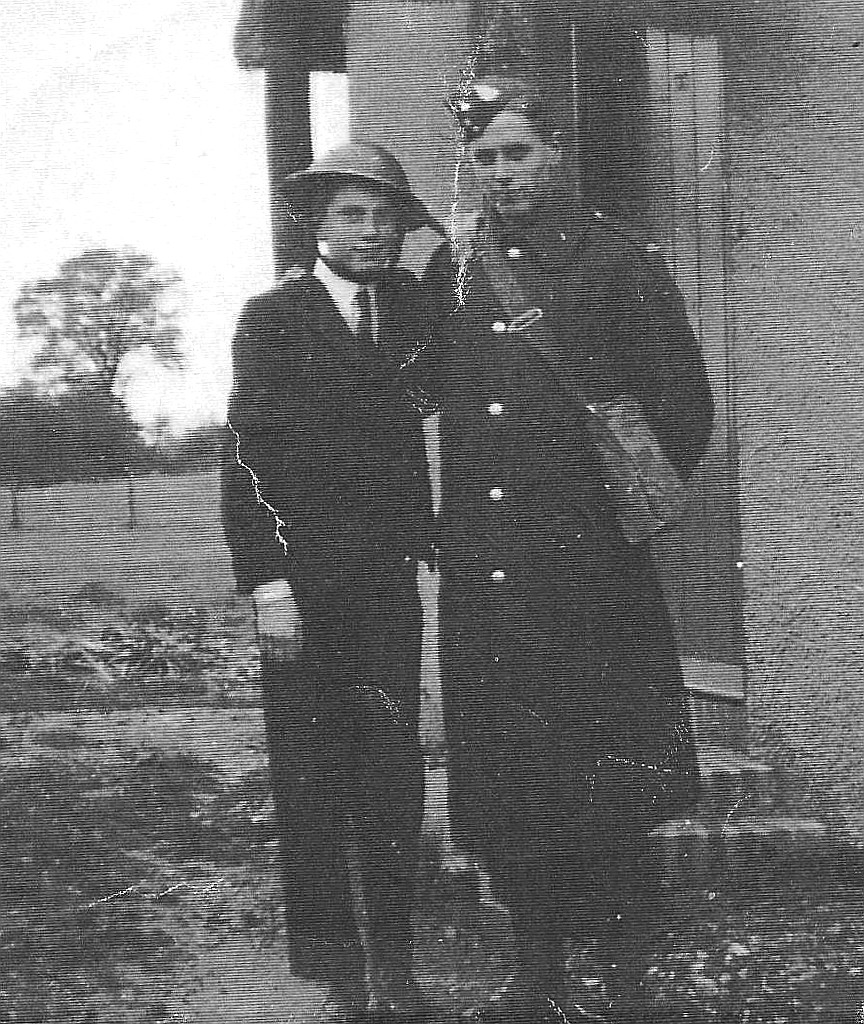
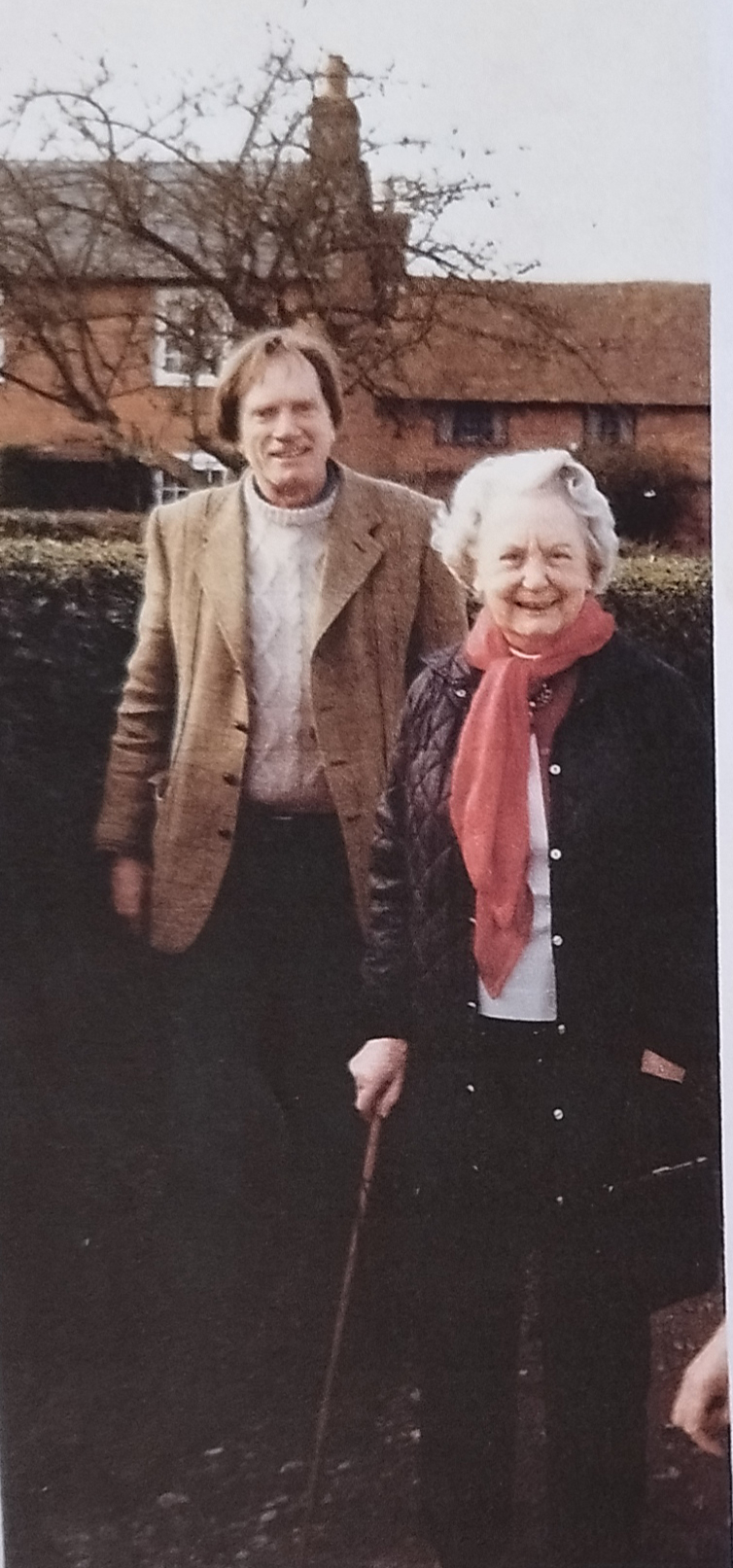
James 'Jim' Page-Roberts was born on 5 February 1925 at Silchester, and is still going strong aged 101 in 2026.
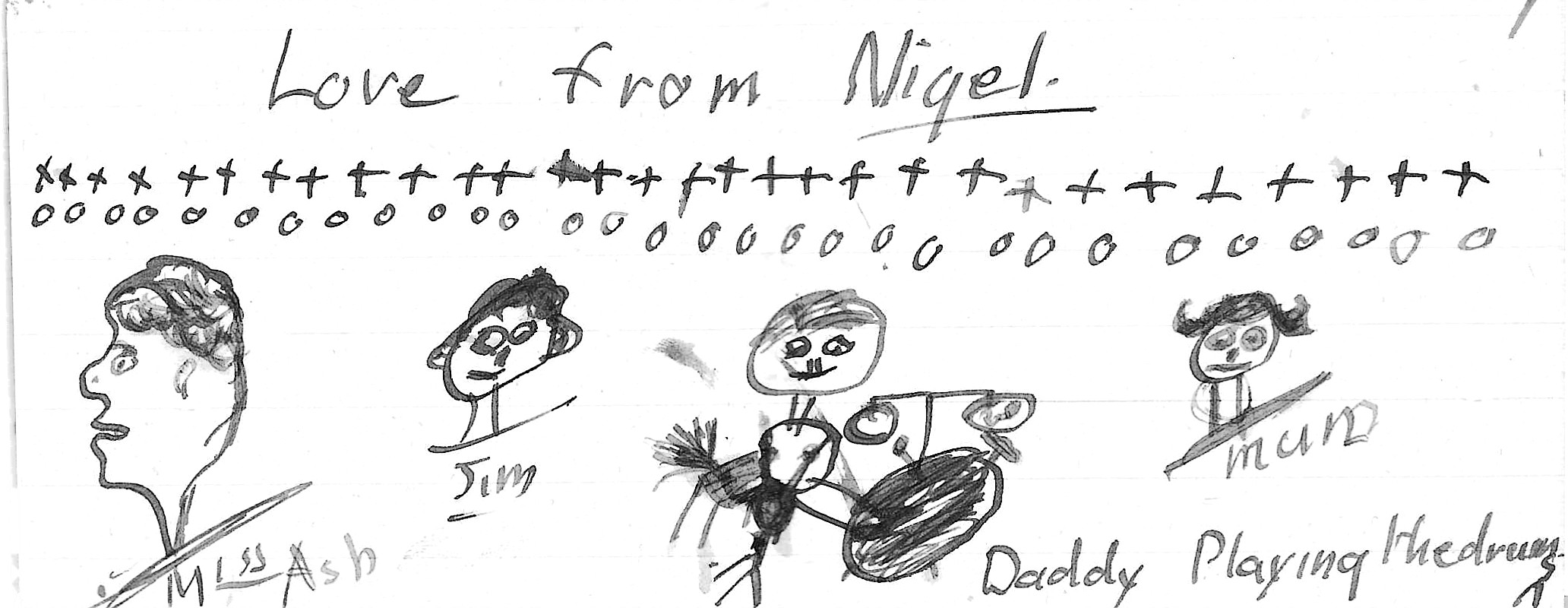
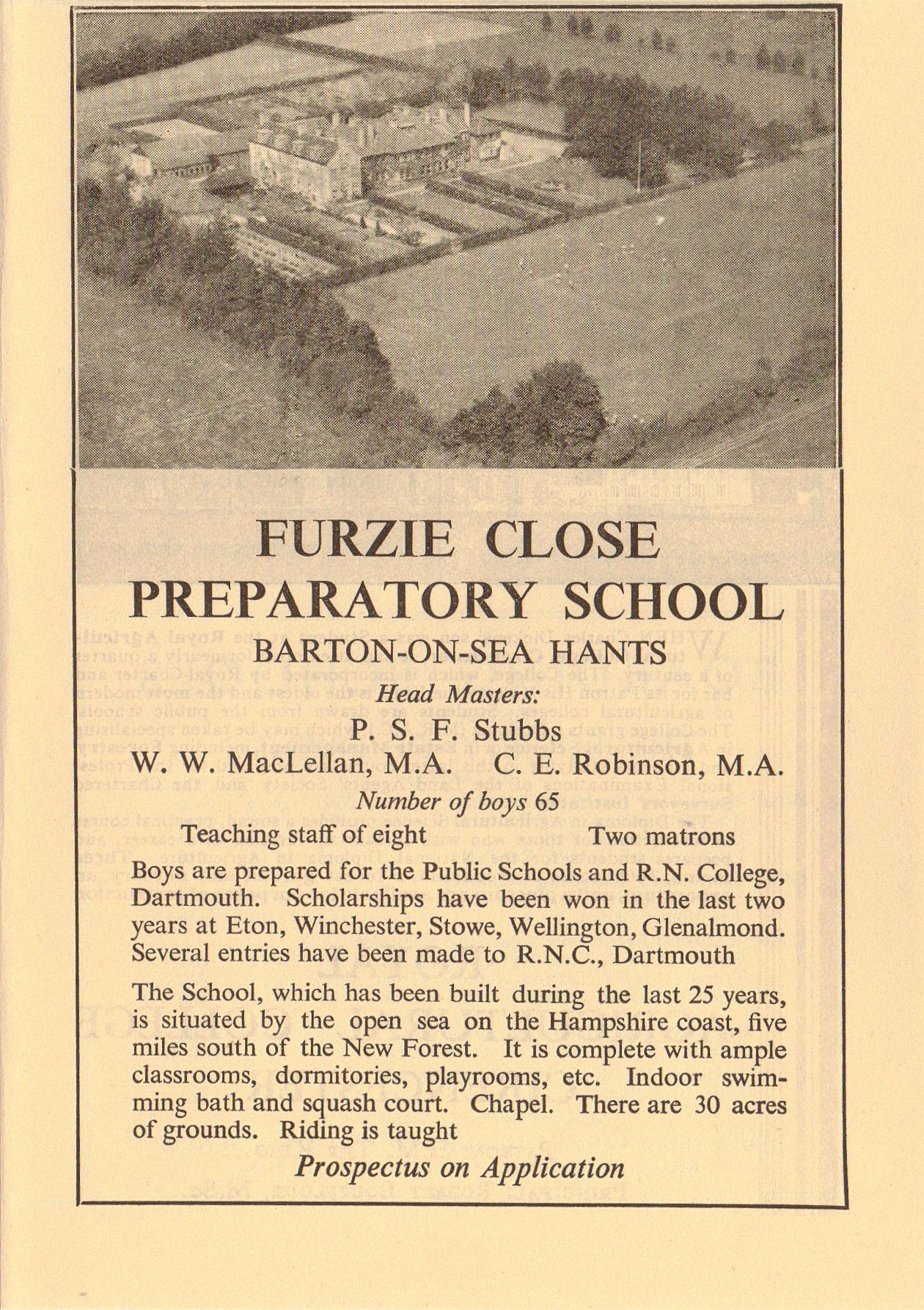
Furzie Close was founded in a large house in 1909 by its first headmaster Mr P Stubbs whose sole aim was ‘to make the boys fit to run the empire’ through a strict and tough regime, and it was not a happy place. Jim remembers Stubbs as a deeply unpleasant and sadistic man with a fondness for caning the boys on a whim: “Certainly my bottom was often decorated with parallel welts of red and blue. My only escape from his cruelty came in the form of a crow’s nest atop a tall pine tree in the grounds. I’d climb to isolation and enjoy the view of the Needles off the Isle of Wight and the large ships coming and going on the Solent.” Nigel suffered the same fate in the headmaster’s office but he refused to react or let out the smallest squeal just to spite the wretched man, and he never mentioned it in letters home. With bullying like this coming from the top it was hardly surprising to hear it filtered down to the worst kind of boy. Nigel was once tied to a tree during a game of cowboys and Indians and left for hours in the cold with no one knowing where he was, and then he was punished for going AWOL.
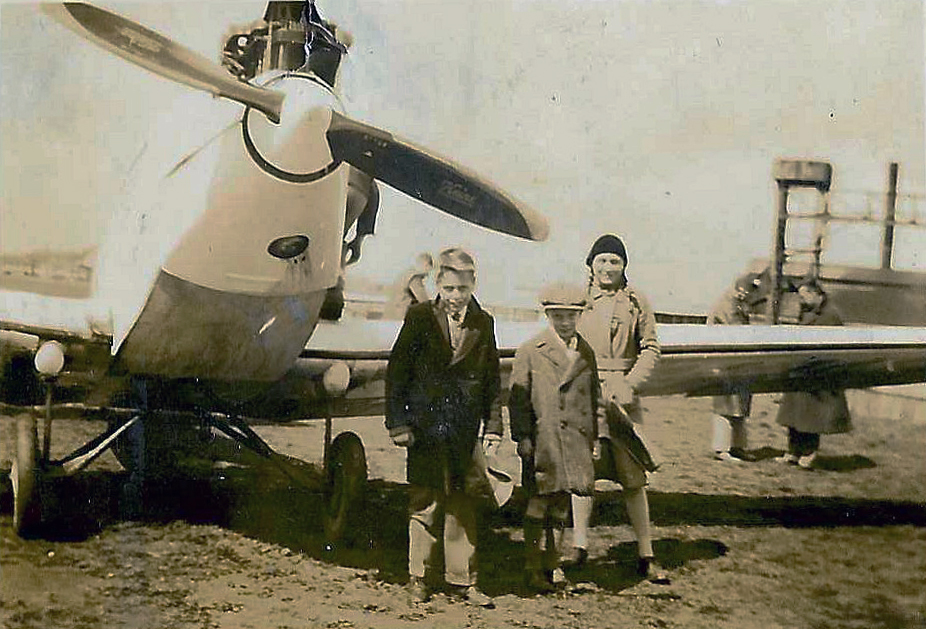
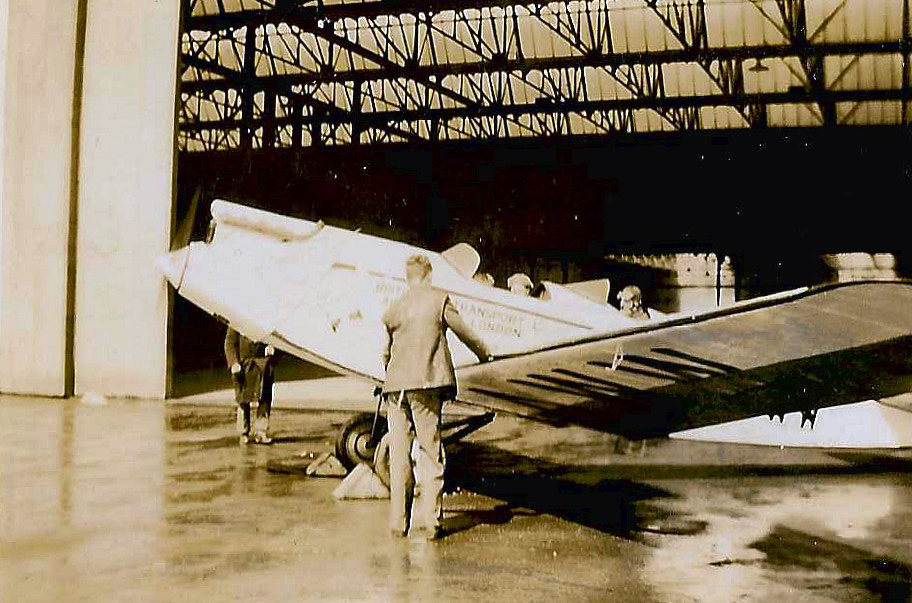
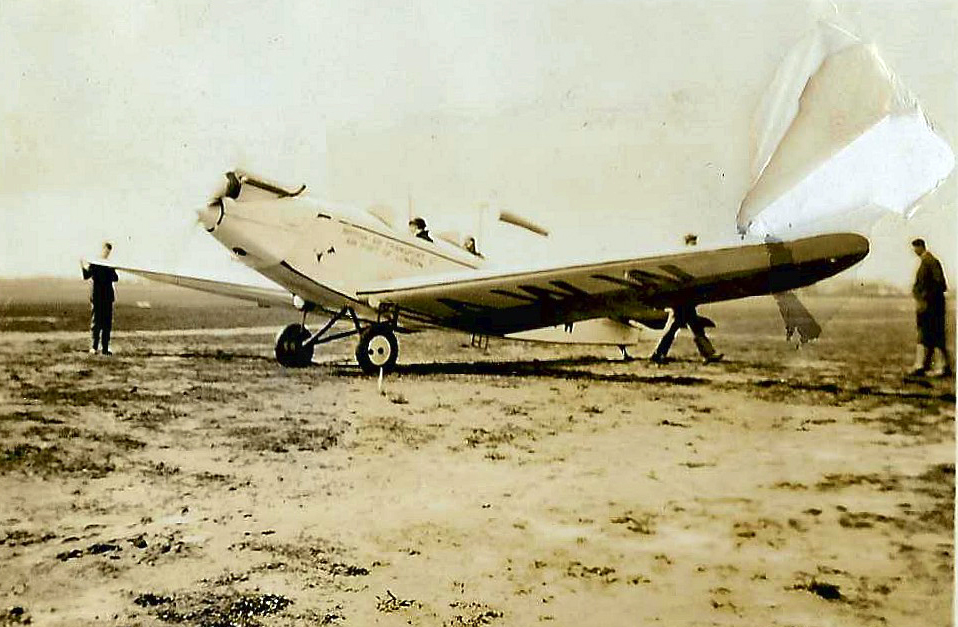
Joyriding in the Klemm Bat
Jim P-R remembers the day well: "We were, through the auspices of Wyn, due to fly with Smithy from Croydon that time in 1932, but the tail skid on his aeroplane had broken. An alternative wooden one was tried out, but also broke, so another unnamed pilot took us up for a trip over London in the Klemm Bat. Incidentally, there were no runways at Croydon; the only concrete was laid just outside the hangars. The field was very wet and muddy on the day Nigel, June and I flew, and it must have been windy as one of the ground crew had to hold on to a wingtip. With caps back to front, we held on for grim death as there was no seat belt and it was very windy in the passenger cockpit. The Klemm Bat was German and one that Hitler secretly used for training his pilots for WW2."
Jim's memories of Cabris
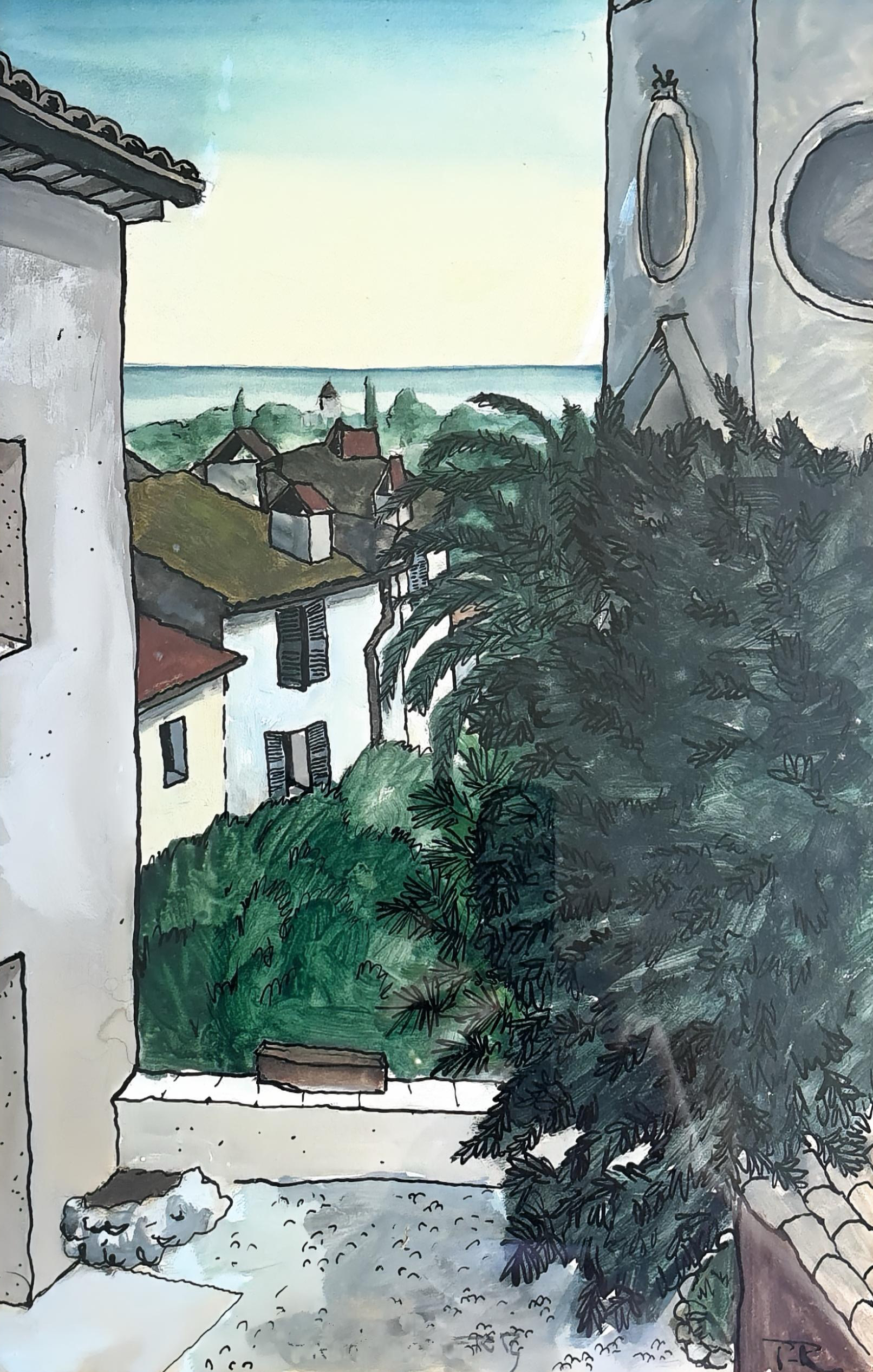
The dining room at Cabris was privately nicknamed ‘Mid-Surrey’ by Jim as it was full of depressing, dark and heavy Victorian furniture from England. As an impoverished artist, Jim was always looking for a bit of holiday work. For a small stipend he occasionally house-sat and looked after the pets – a white bulldog called Brut, Francoise’s black poodle Pistache (who frequently bit the maid), and a couple of very entertaining parrots; an African Grey called Gerrard and another large Scarlet Macaw whose name is lost in the annals of time. They were kept outside on long, lightweight chains to stop them disappearing although they couldn’t fly properly as their wings were clipped. Nevertheless, Gerrard loved doing handheld aerobatics around the sitting room with Jim when he was in charge. The Macaw, however, was incurably vicious and had some of Wyn’s misogynistic tendencies; he bit any woman who came within striking distance. He’d then happily chirp Colonel Bogey’s march up to the point he lost the tune, before repeating what he did know ad infinitum.
They were a motley crew who ran riot while the fastidious owner was away, enjoying the freedom from Wyn’s strict house rules. On one occasion, Jim was sitting in the kitchen having a companionable lunch with the maid when Wyn returned unexpectedly. His snobbery and subsequent fury erupted in a nanosecond - “How could you dally with the staff in this manner?” - and he ordered his nephew to pack his bags and leave immediately. Jim tells it that his choice of alternative emergency accommodation was either in the bosom of the delicious mistress of a local scent baron in Grasse who he’d already bedded, or with his friend Professor Edward Morgan (his life-long friend who taught early American history at Yale) who had a place nearby. No clarity about which door he knocked on was given.
Granny's appetite
Jim: "My Granny, Lady Hewitt used to come around to lunch with me when I had two small council rooms when trying to get over TB in London. She had a very good appetite. I always gave her her favourite dish of smoked haddock, cooked in butter and milk. I got on well with her by always agreeing with her."
Jim's life
Jim was educated at Wellington College and Taft School (USA). He was invalided out of the war as a pilot and became a medical student at St. Thomas's Hospital. After a recurrence of tuberculosis, he studied art at the Central School of Art under Bernard Meninsky before moving on to theatre design. He completed the design course at the Old Vic School under Margaret Harris and went on to paint scenery at the Royal Opera House with Clement Glock as well as designing for repertory, touring shows, children's theatre and television.
Returning to his primary love of painting, and after a spell at the Académie de la Grande Chaumière in Paris, he exhibited in many mixed exhibitions at the Society of Marine Artists and Wessex Artists, and in London galleries such as The Leicester Galleries and The Redfern Gallery. He held one-man shows of landscape and people in landscape at galleries in London's Gallerie de Seine, West Halkin Street, The Reid Gallery, Cork Street, The Mayor Gallery, Cork Street, The Qantas Gallery, Bond Street, besides shows at The Central Library, Cambridge, and the Kintetsu Gallery, Osaka, Japan. His painting of Tower Bridge and the Pool of London in 1954 was bought from The Leicester Galleries for the National Collection via the Tate Gallery committee of Sir Robert Adeane and Sir William Coldstream.
Finding that he was adding more sculpture to his various exhibitions of paintings and drawings, he was working toward a show of large works in elm wood when a broken wrist, sustained in a car accident, put an end to the project. Unable to sculpt, he turned his attention to writing, penning over 700 articles for magazines and newspapers (including the Financial Times) about docks, travel, wine and vines.
He is the author of "Vines in your Garden" (Argus Books), author illustrator of "The Best Wine in the Supermarket" and the first three editions of "The Best Wine Buys in the High Street" (Foulsham), author and part illustrator of "The Oldie Cookbook" (The Carbery Press), author/illustrator and part photographer of "Vines and Wines in a Small Garden" (The Herbert Press/A&C Black), "Wines from a Small Garden" (Abbeville Press, New York/ Bloomsbury), its second edition translation into Dutch: "Druif en Wijn uit Eigen Tuin" (Schuyt, Haarlem), "Guide to a Dockland of Change" (The Mudlark Press), "Canary Wharf and Sights from Docklands Light Rail" (The Mudlark Press), "Dockland Buildings Old and New", (The Mudlark Press), "Cooking in Docklands Past and Present" (The Mudlark Press) and "Harbours, Girls and a Slumbering World" (The Mudlark Press). As a one-time member of the Circle of Wine Writers, he is a member of The Society of Authors.
In the early 1960s he bought a warehouse on the Thames in Limehouse and converted it into two studios, wanting to live in the district from which he had worked on coasters as a supernumerary. It became the first warehouse in Docklands to be converted into living accommodation.
He was the subject of Jeanine McMullen's BBC Radio 4 programme: "A Small Country Living" on several occasions.
Referred to by Punch as a Reformation man, and even 'new age man' by the BBC, he has behind him considerable experiences in life. These include: student vendor of magazine subscriptions, volunteer fireman, farm labourer, prop-swinger, RAF pilot, medical student, art student, matelot supernumerary, scene painter at the Royal Opera House, set designer for the theatre and television, designer for children's theatre and television, house designer and builder, world traveler, painter, fruit picker, house husband/ father, vineyard owner and vigneron, sculptor, author, illustrator, sound and television broadcaster (the subject of two Gardeners' World programmes for BBC2 and also for Southern and Cable Television), photographer and publisher.
Jim now lives with his Dutch wife, Margreet, on the borders of Hammersmith and Chiswick where he’s returned to painting with pastels. The subjects of his pastels are his garden, the shadows of aircraft, the relationships between the hulls of ships in and out of water, kites and landscapes recalled. He had a very successful exhibition entitled Aircraft Shadows at the Mayor Gallery in Cork Street, London, from November 23rd to December 18th 2009.
In 2006, his 1954 painting of The Shed End, Chelsea Football Ground sold for £33,600 at Christie's Salerooms, South Kensington, London.
In December 2010 a 1964 painting of Tower Bridge with a ship offloading was sold for £7,500 at Christie's, and a collage with paint tor £2,250, the latter joining a collection where it replaced a Matisse on the wall. He has sold through the Offer Waterman Gallery and continues to sell with success to private collectors.
On June 2nd, 2014, as a Guest of Honour, he gave the opening speech at Guildhall Art Gallery where 17 of his paintings were exhibited in the: Tower Bridge: A Celebration of 120 Years (exhibition dates June 2nd 2014 to April 2015). Catalogue ISBN 9027
95-16-4).
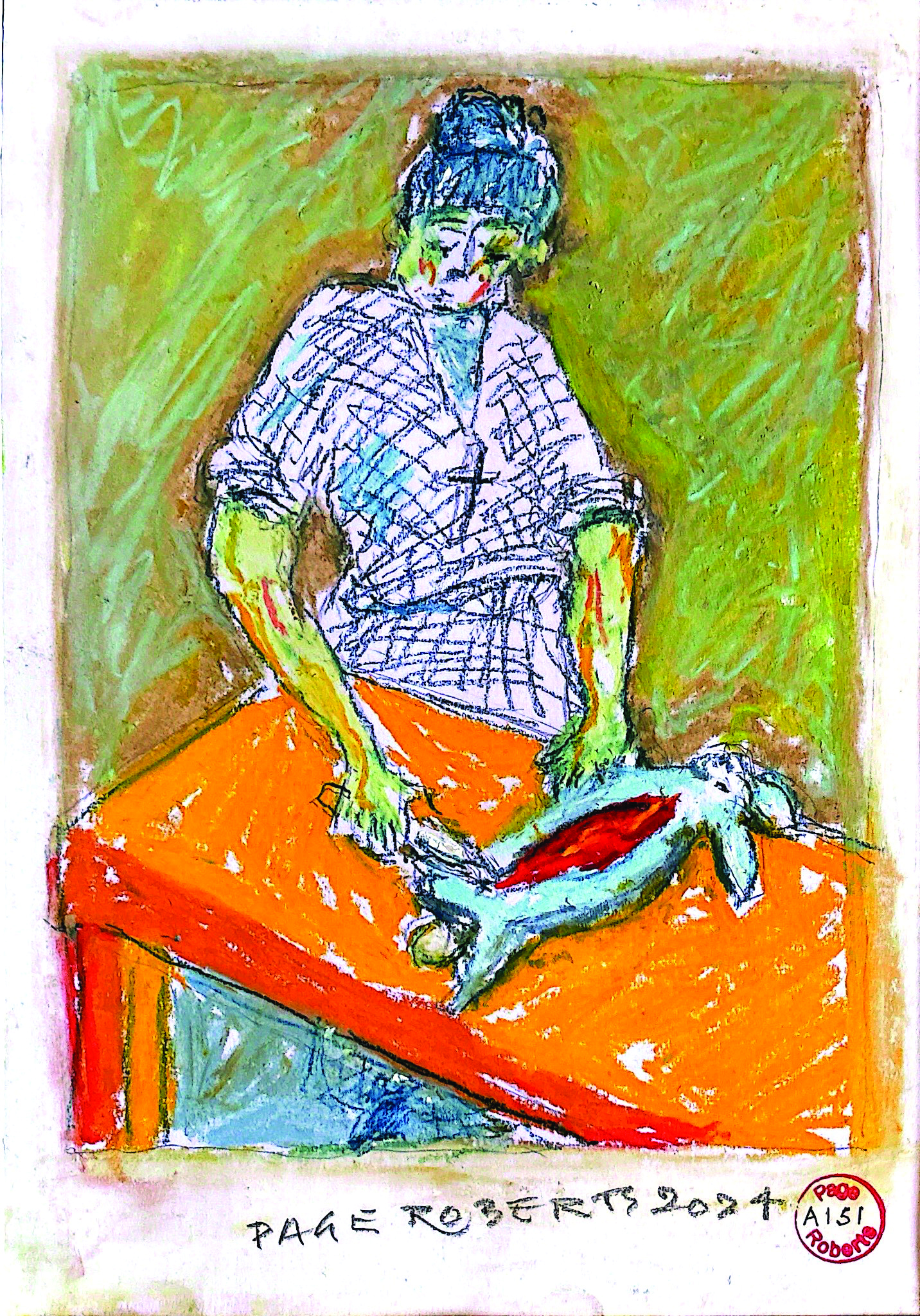
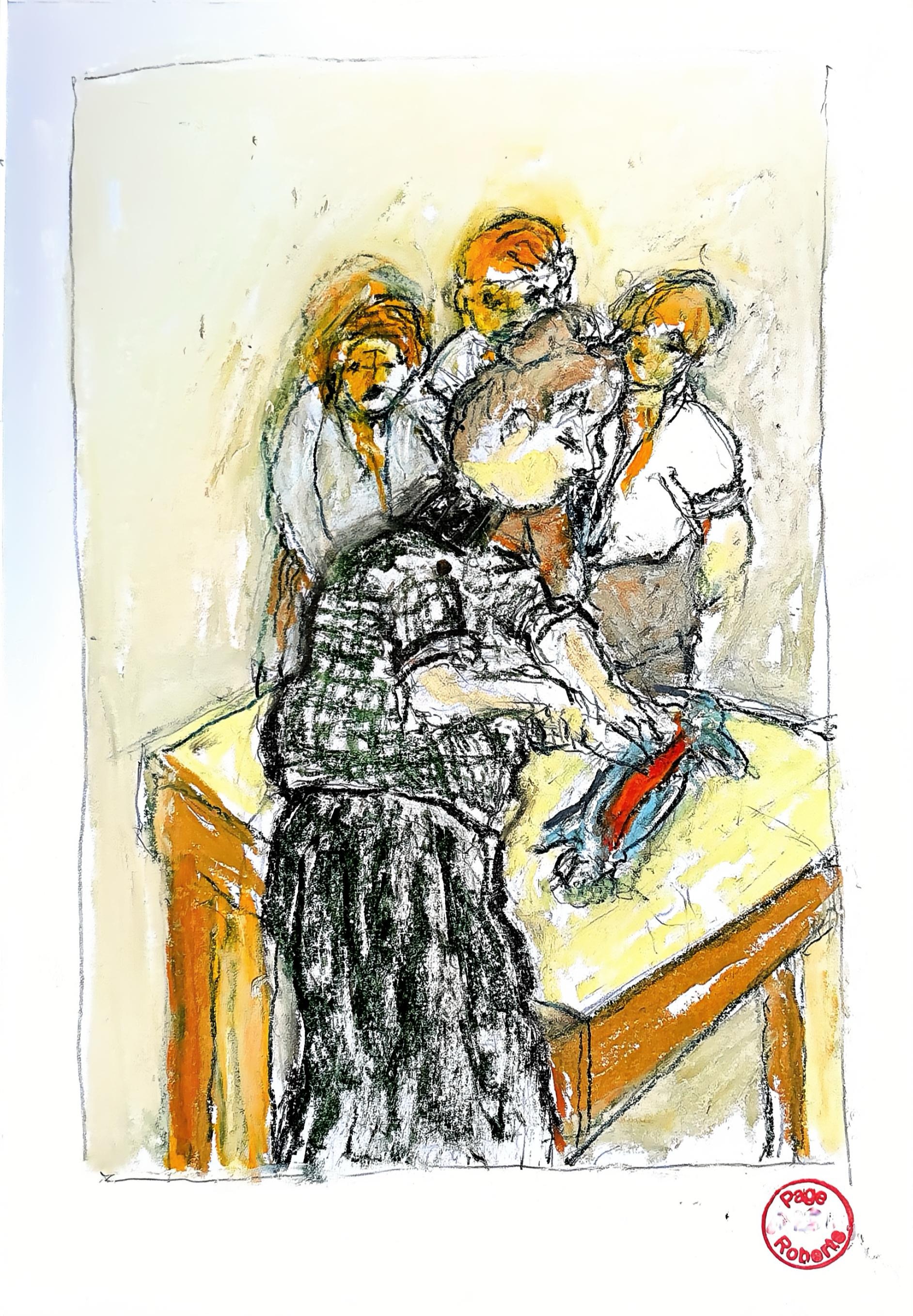
He is currently working on an Autobiography in words and pictures, each event consisting of about 400 words or more with a pastel painting/illustration. He continues to write on a Blog (www.webpageroberts.blogspot.com) from which there are links to his paintings, sculptures
and books.