Aviation



.jpg)




%20airborne.jpg)

%20refueling%20at%20Coffs%20Harbour%20Aerodrome%2C%20NSW.jpg)

Stories and memories
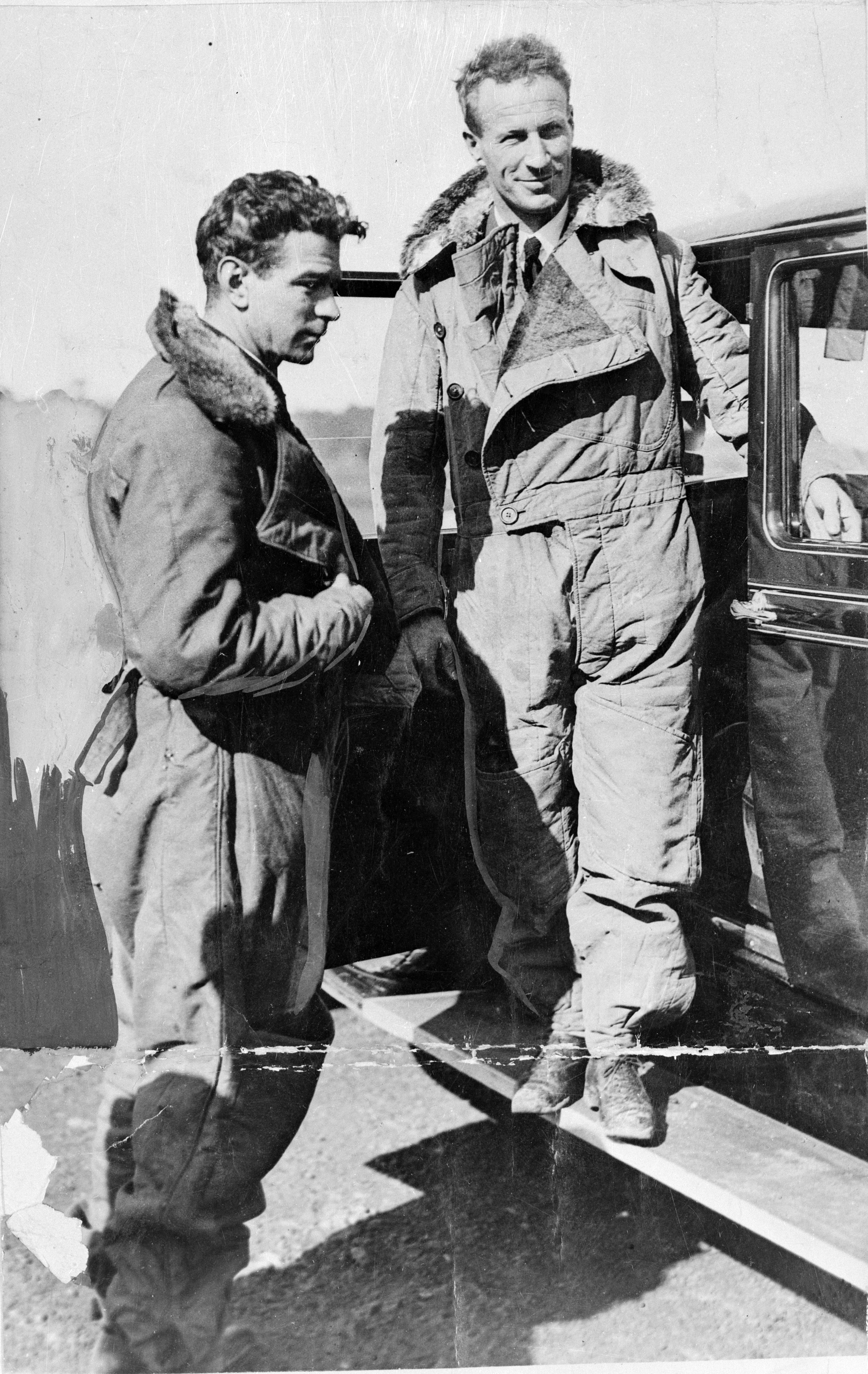
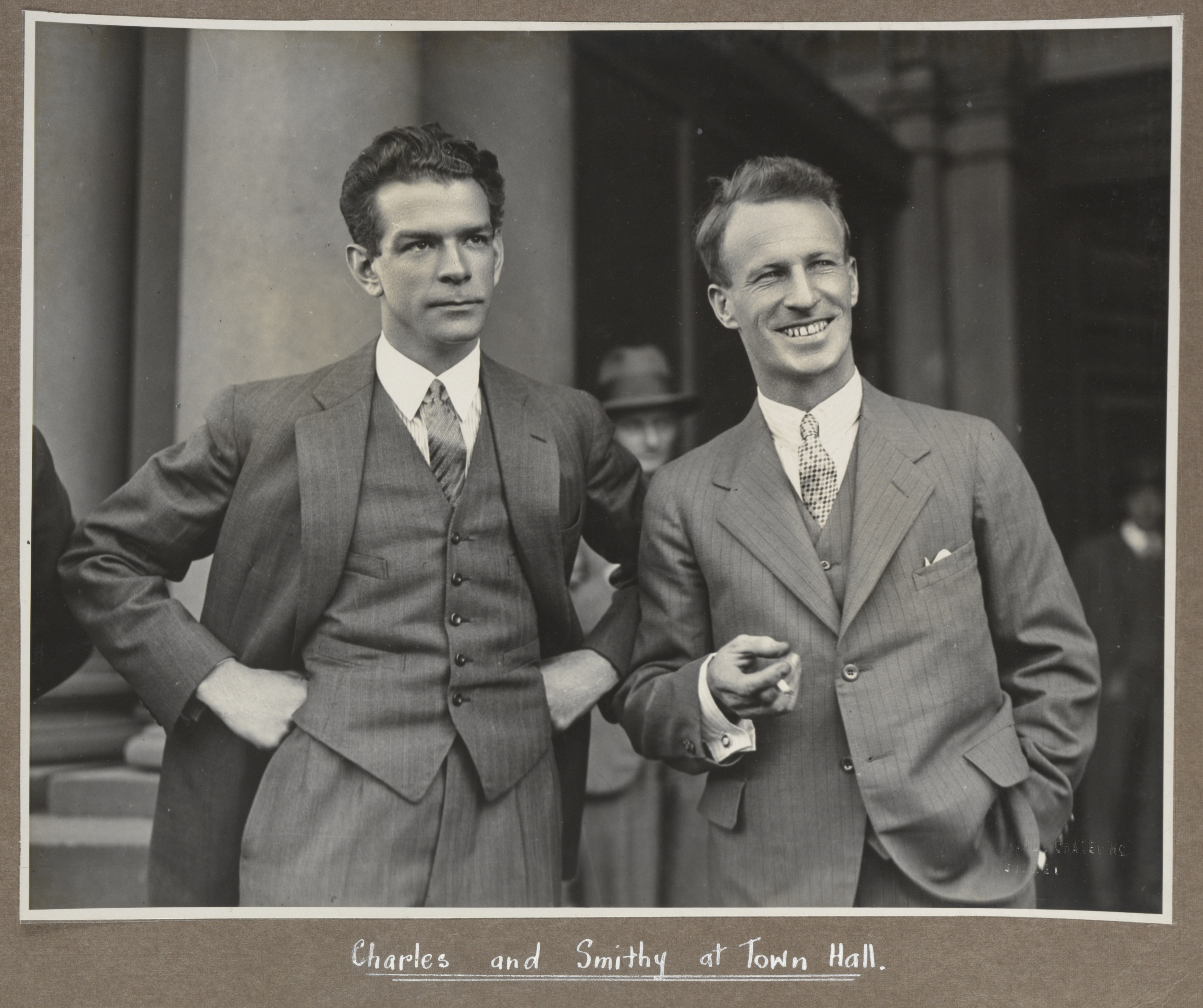
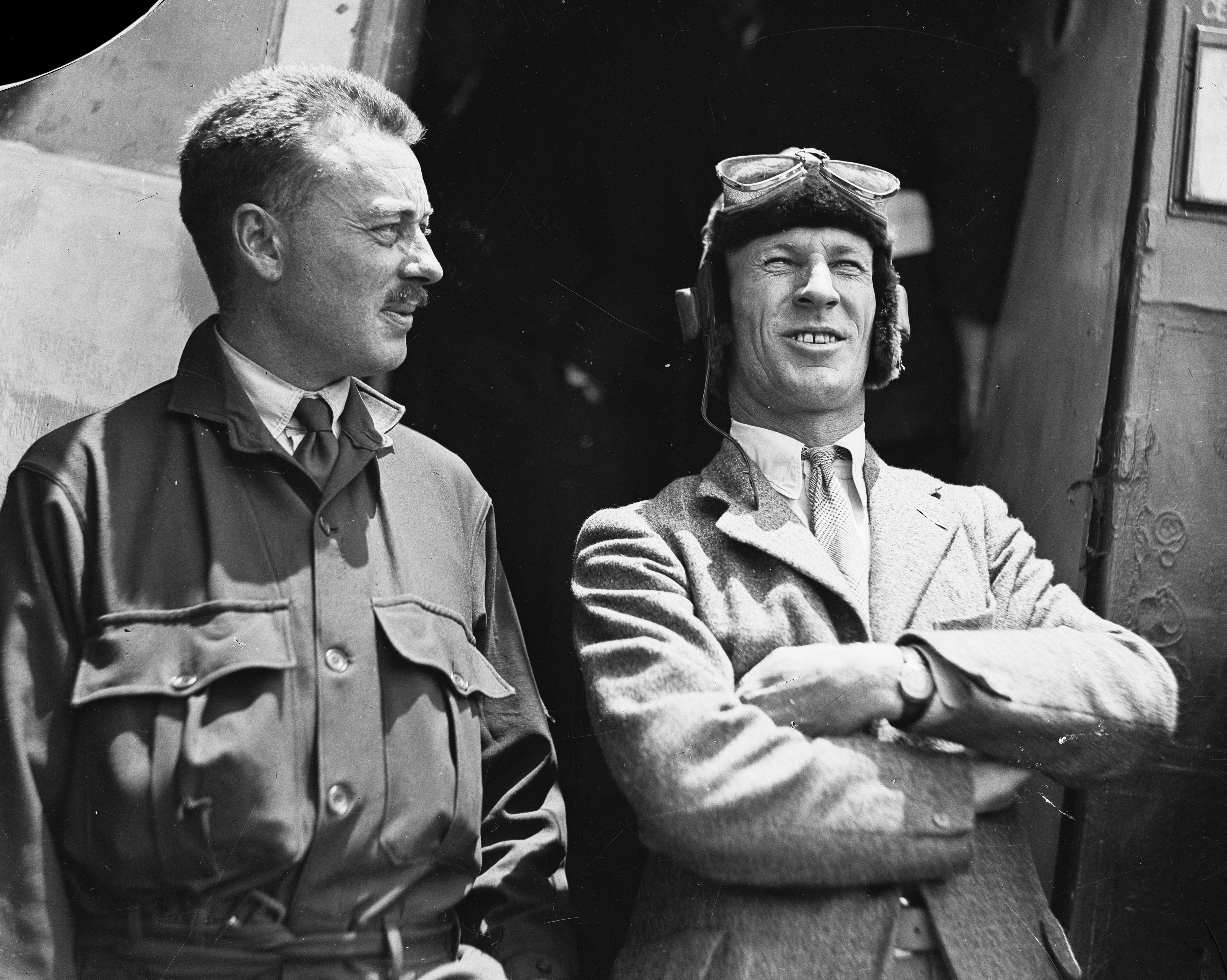
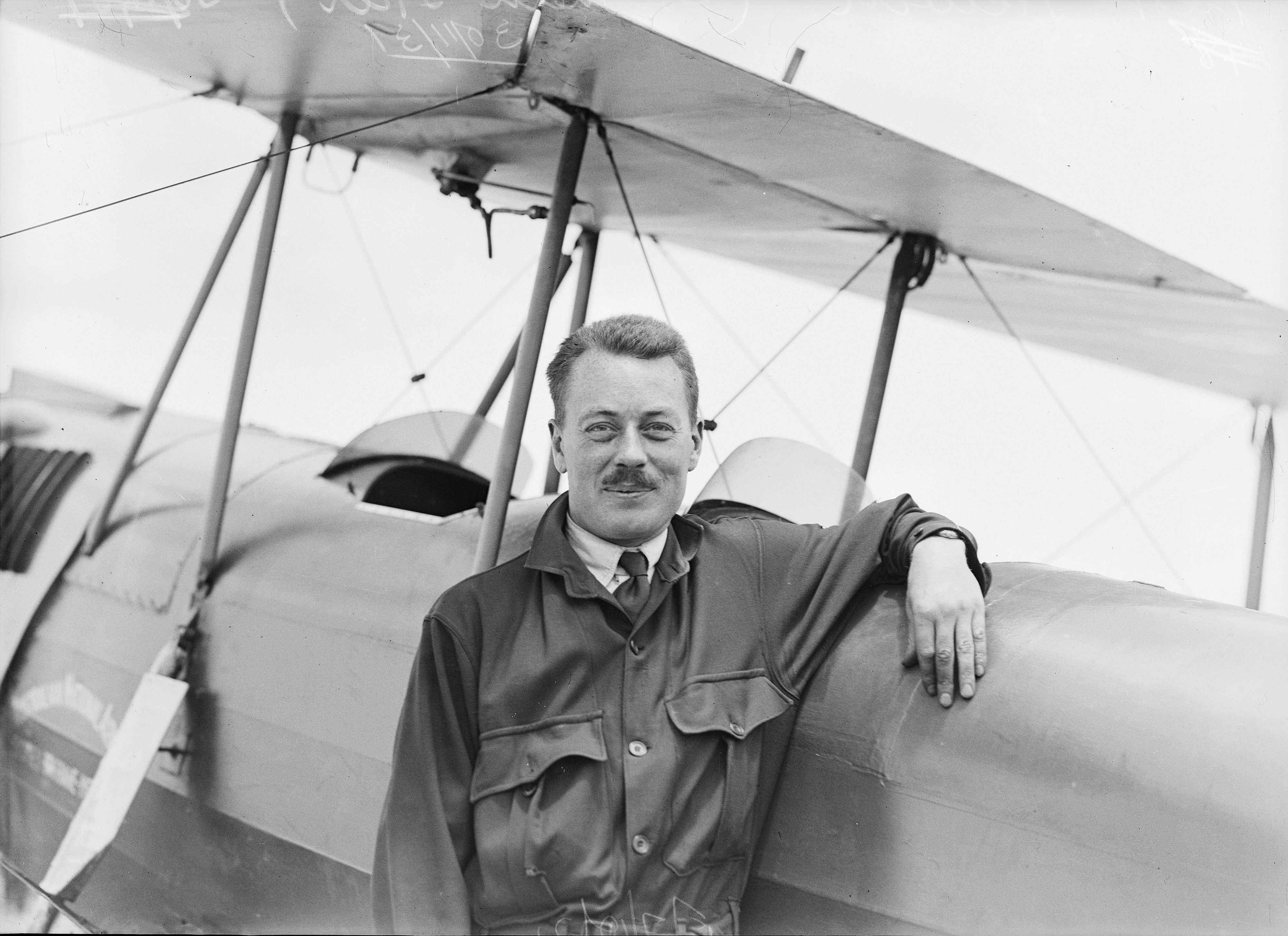
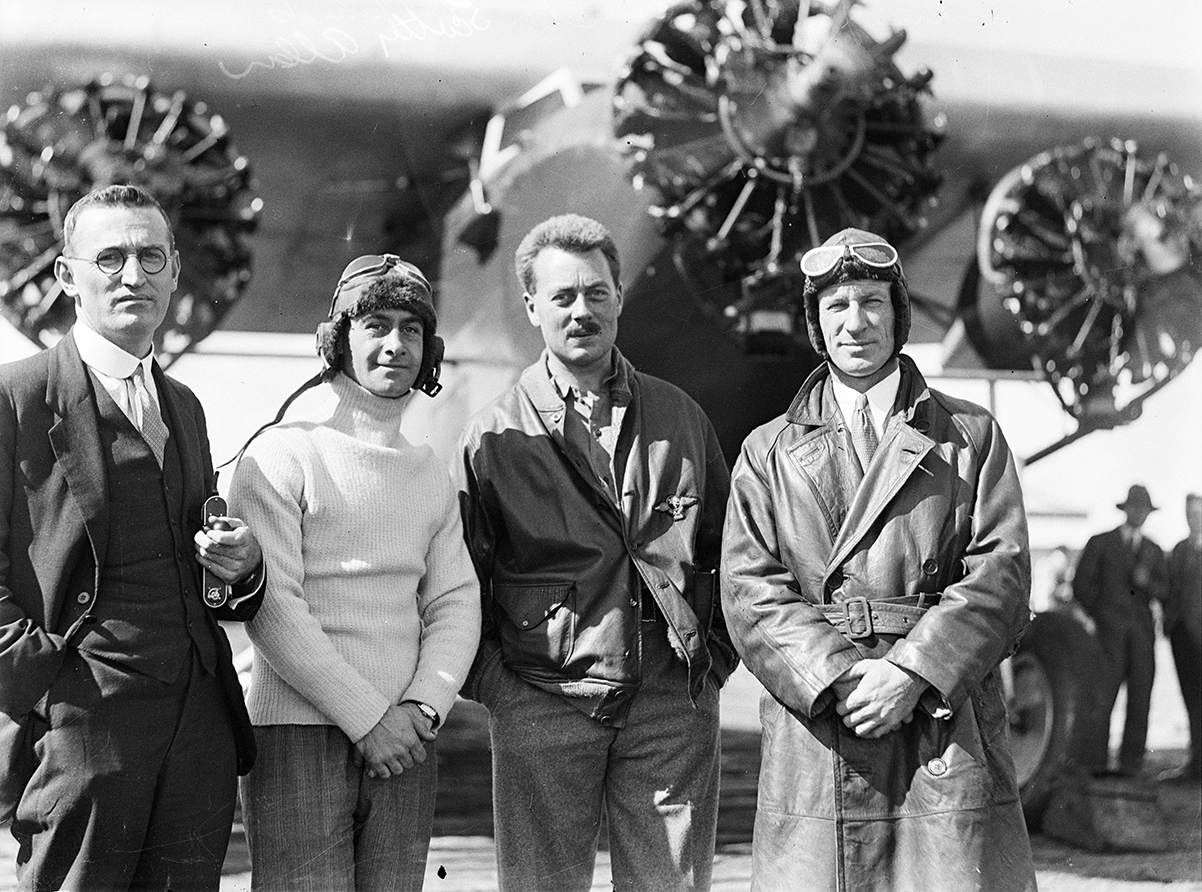
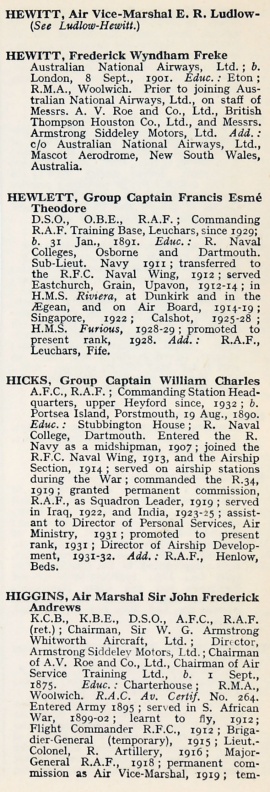
Wyn in 1930: "Although the jobs I was doing in Sydney were not of a high class, somehow or other I got to know some very bright and amusing people, and Eileen and I were always very well received. My old Eton pal Godfrey Wentworth was one of them. He had been a Lieutenant in the Norfolk Rifles but was now working in aviation services in Sydney, and it was he who made the most auspicious introduction that changed my life completely. I was introduced to Charles Kingsford Smith – everyone called him Smithy – and his flying partner Charlie Ulm."
Southern Cloud crash
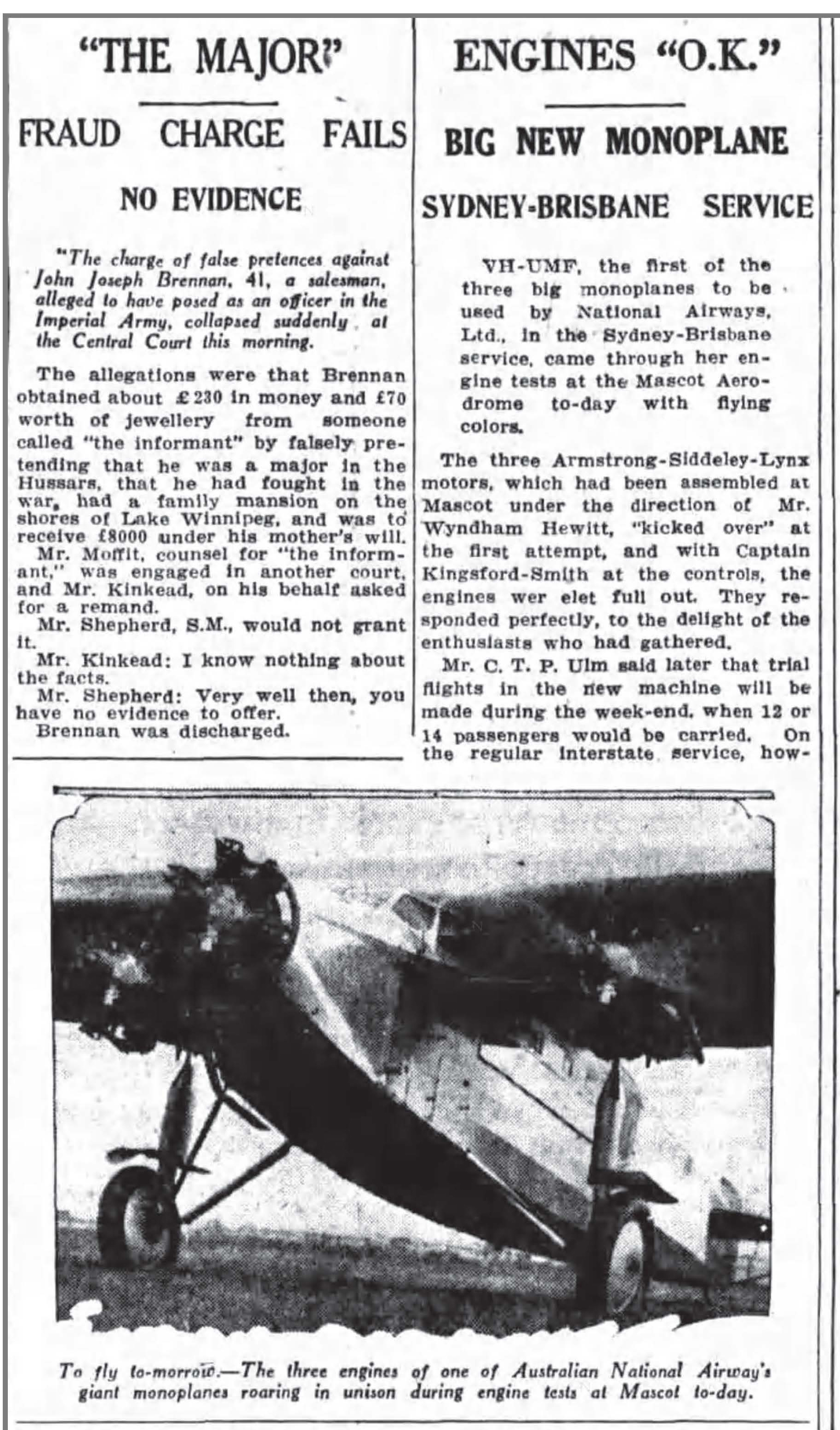
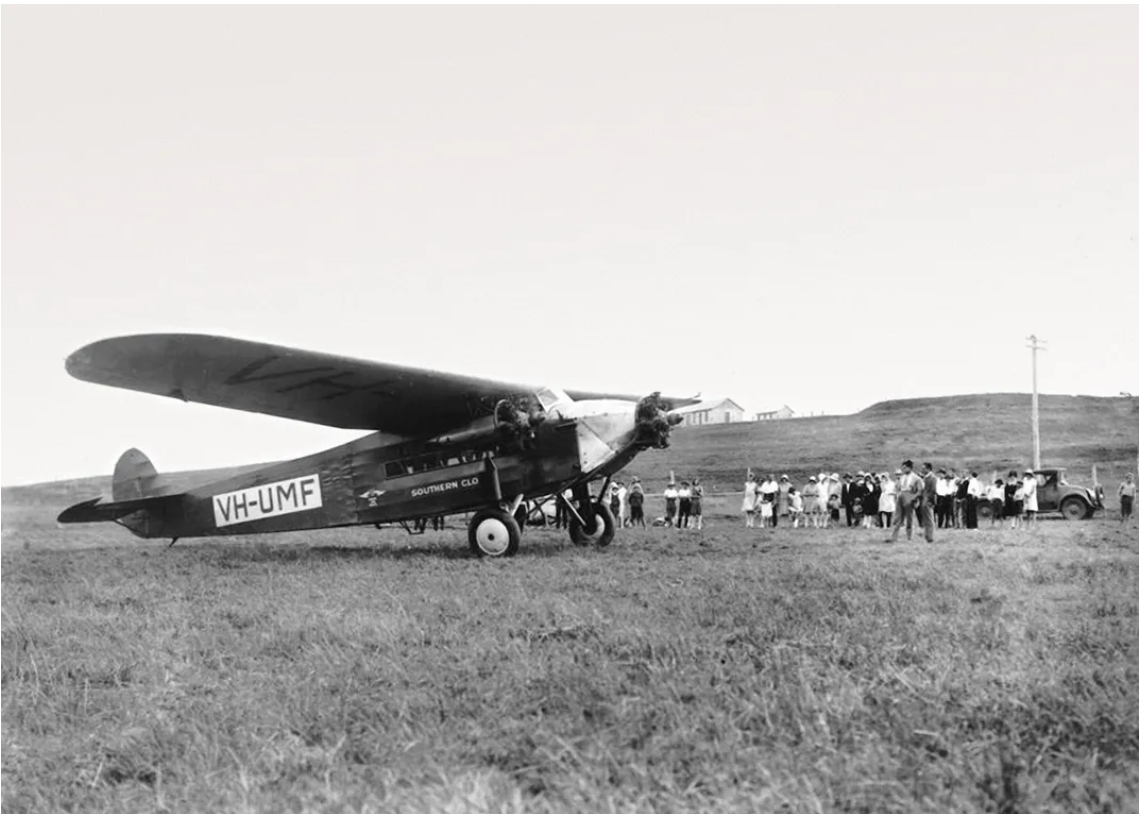
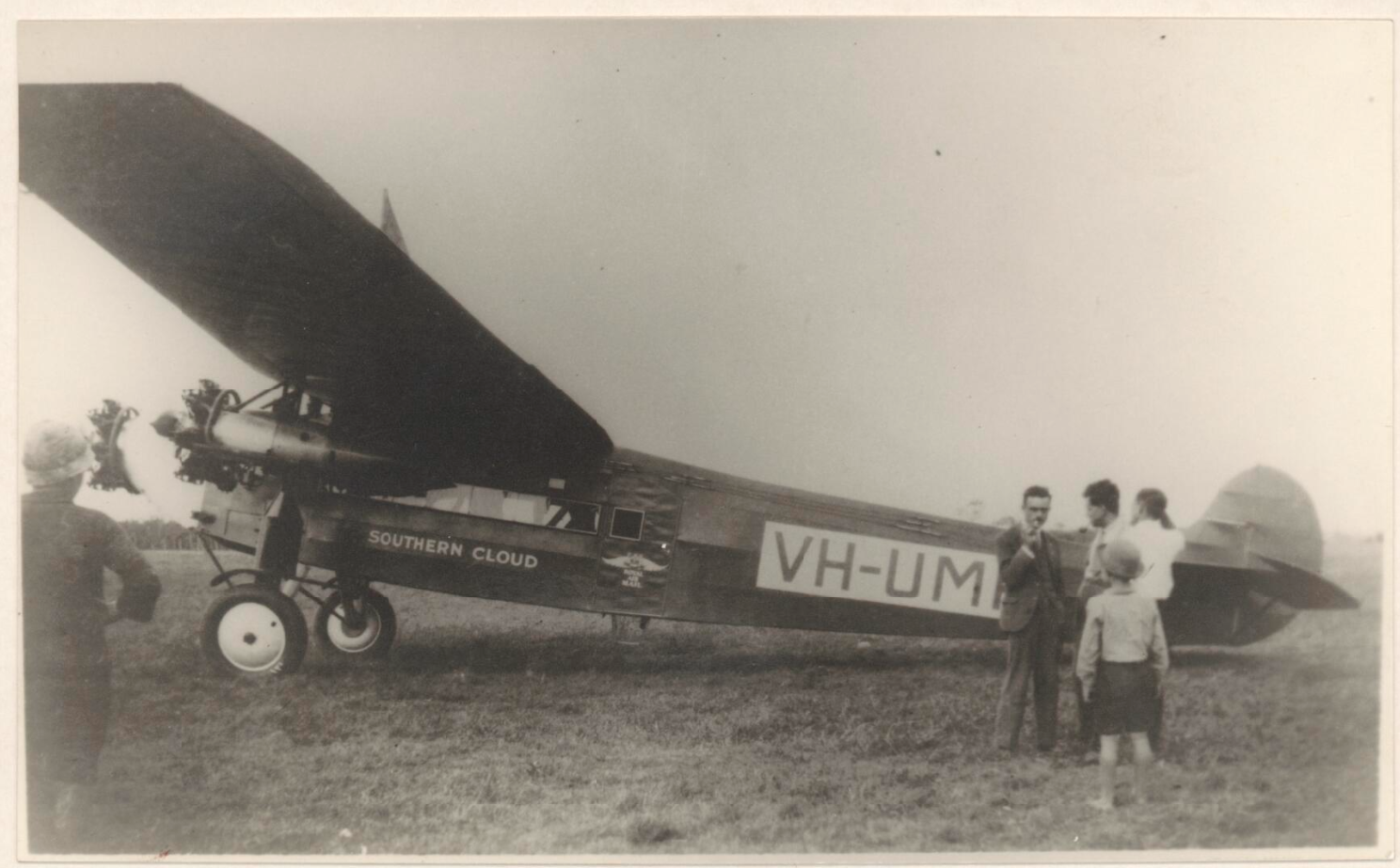
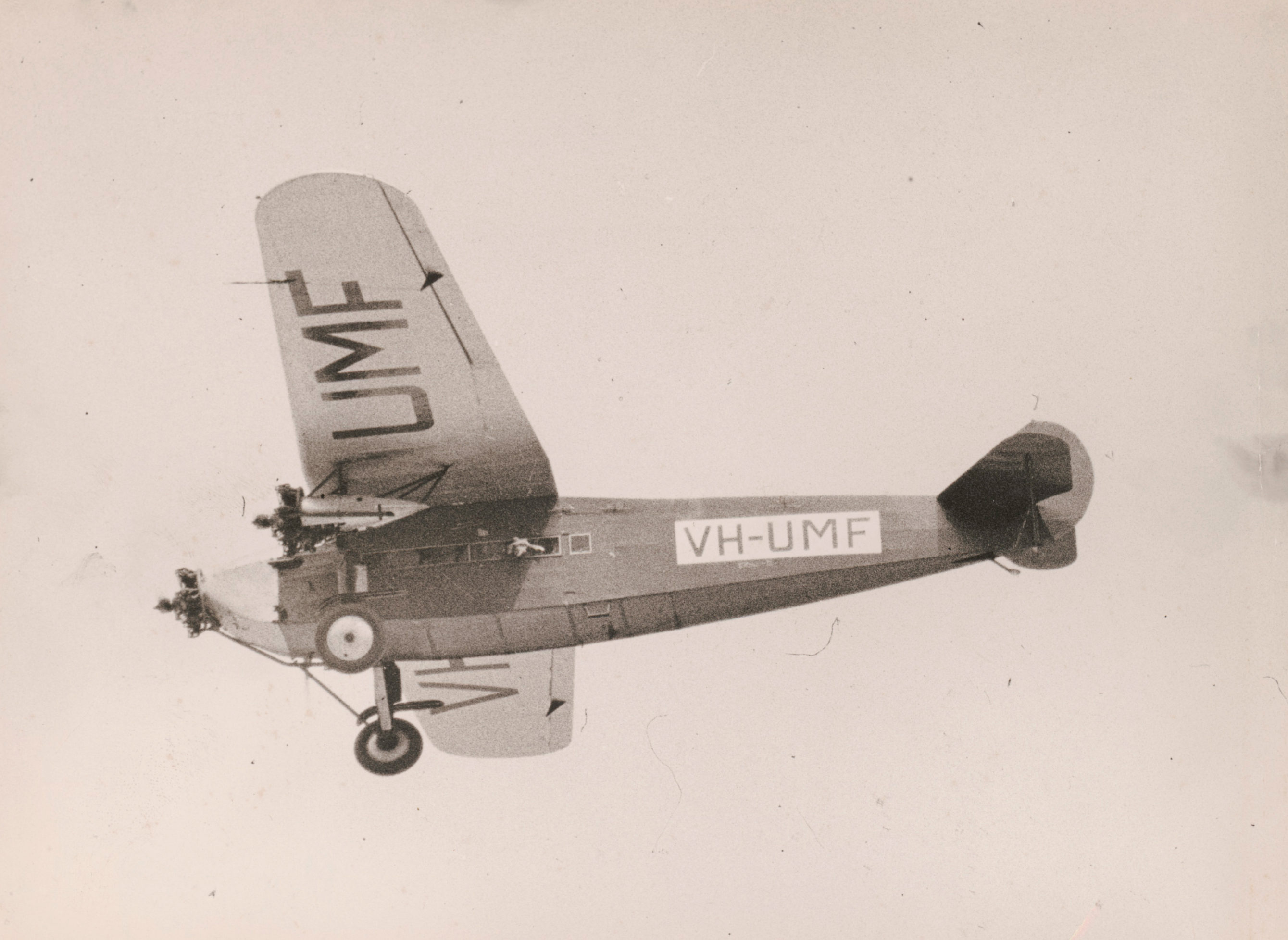
Wyn: "On 21 March 1931 the Southern Cloud VH-UMF left Mascot at 8:10am for Melbourne with two crew - pilot Travis "Shorty" Shortridge and Charlie Dunnell, the co-pilot – and six passengers. Conditions suddenly turned pretty bloody en route, and we had no way of warning our blokes. The aircraft simply disappeared. Over 20 other aircraft searched for our missing plane for 18 days but we later found out it had plummeted into very tall trees and there was no visible trace from the air."
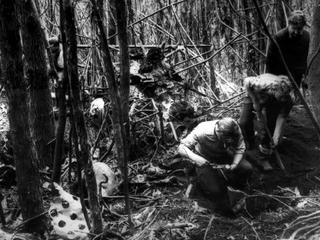
The Southern Cloud's fate remained a mystery for 27 years until 26 October 1958 when Tom Sonter, a worker on the Snowy Mountains Scheme, made a chance discovery of the wreck. The crash site was in heavily timbered mountainous terrain near Tumbarumba about 25 km (16 miles) east of ANA’s direct Sydney–Melbourne route.
The discovery of the wreckage made the news headlines (note, the title should read Southern Cloud):
In September 1931, Smithy predicts a 7-day mail delivery service from Australia to the UK is just around the corner:
IAL mail rescue flight
In April 1931, the British company Imperial Airways Limited (IAL) planned two experimental air mail runs from London to Melbourne and back again for the first time. The first flight leg left Croydon Airport on 4 April on one of their regular routes to Karachi and Delhi. Qantas had services from Brisbane, and Smithy’s ANA ran a service from Brisbane to Melbourne. The plan was to connect these onward services with Imperial Airways flying from Delhi to Darwin and Qantas from Darwin to Brisbane.
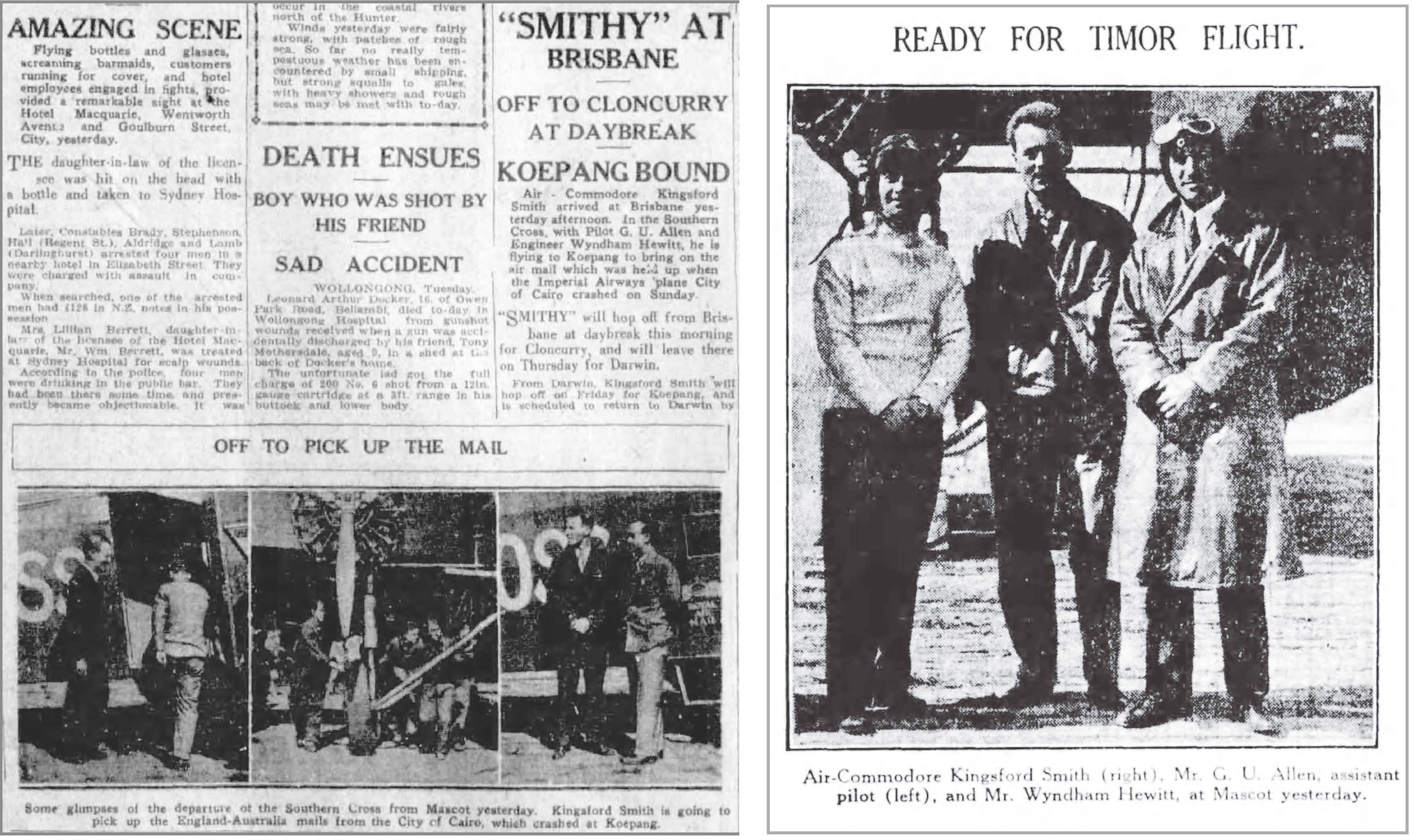
The IAL City of Cairo G-EBMW (a de Havilland DH66 Hercules) crashed at Koepang in Timor in the Dutch East Indies on 19 April. The two pilots and only passengers, Moller and Alger later explained fuel levels were very low due to a leak and all three engines failed. IAL asked Smithy to step in and take over the mail delivery in one of his planes, and he was delighted to help (and also grab a bit of great free publicity for ANA) stating: “I appreciate the opportunity of demonstrating that an Australian organisation could handle such an important task efficiently.”
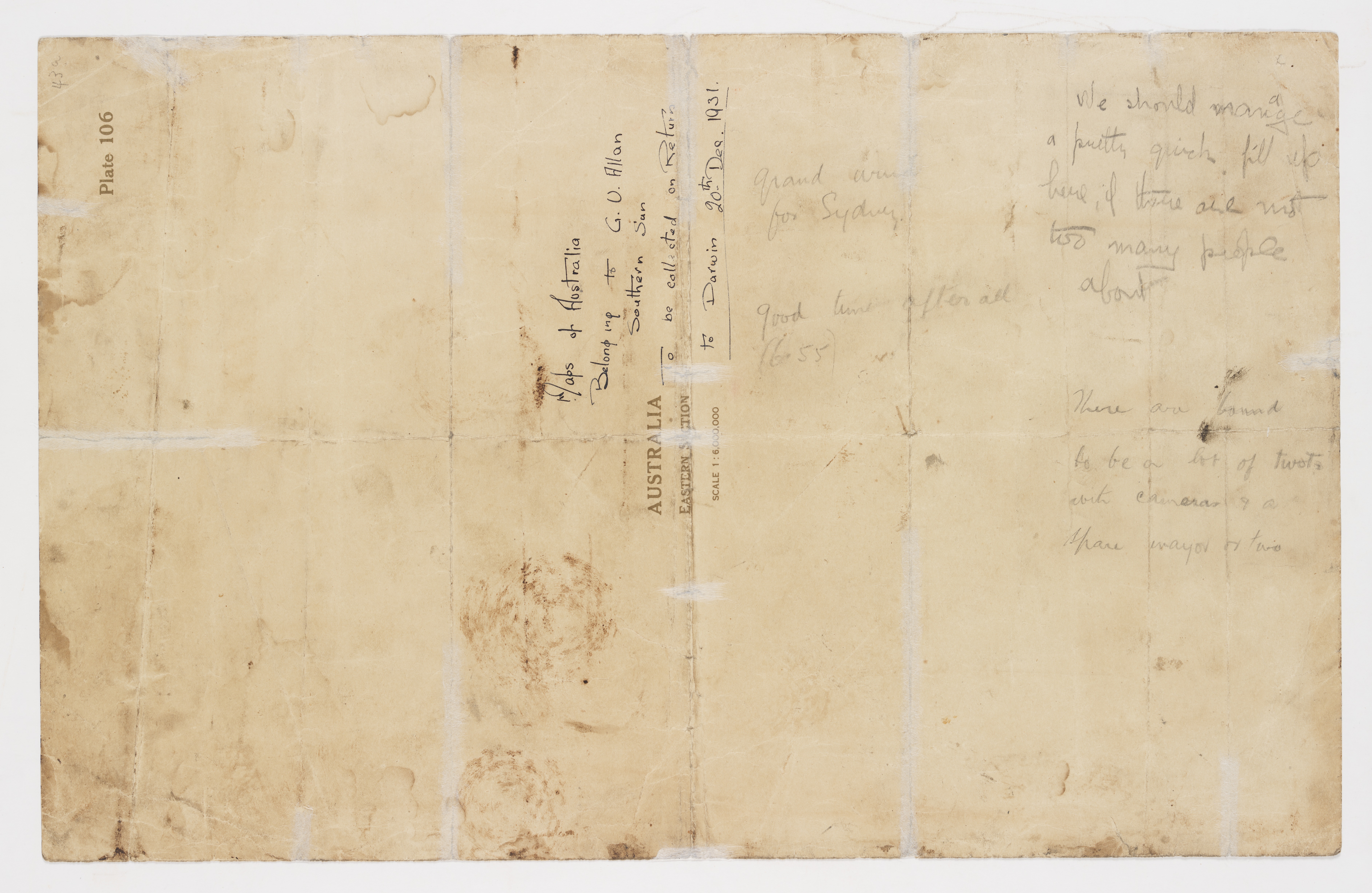
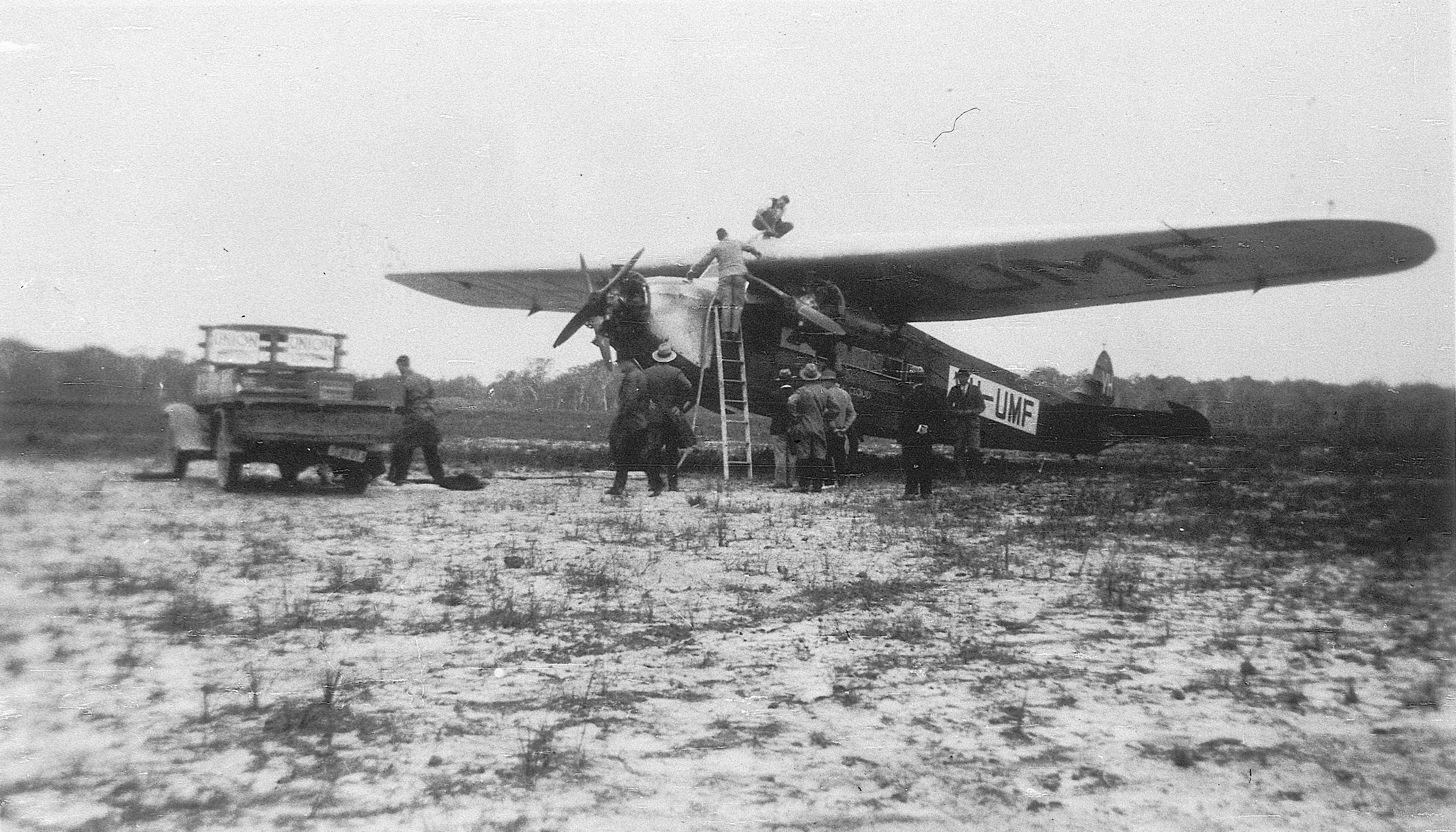
On Tuesday 21 April 1931, Smithy, along with G U ‘Jock’ Allen as his relief pilot and Wyn as engineer, left Mascot in the Southern Cross to fly to Koepang via Brisbane and Darwin to pick up the 15,000 items of mail from the wrecked City of Cairo. They arrived on the 24th and made the return journey to Darwin the next day, handing over the mail for Brisbane to a Qantas plane for onward dispatch while another of ANA’s planes delivered the remainder to Sydney and Melbourne.
Wyn: "I have a few notable memories from that trip that stand out. Having landed at Cloncarry for the night, I had work to do on the engines, and I’ll never forget the stultifying heat or the flies. The colour of horses, cows or indeed any animal was completely hidden by the damnable things. If one put one’s hand on something it was completely black within seconds. They were so bad that I had to work in gloves and put a veil around my face. I met a few characters in our hotel. One was a man who had lost a leg to a massive saltwater crocodile near Darwin. He had been doing some job standing in the water when he was snatched and stashed in the creature’s larder under the mango tree roots to rot before eating. God knows how he escaped. And then there was a drunk so imbibed with alcohol that if he let his hands hang down for some minutes he could light the alcohol sweating out of the ends of his fingers!"
This great news footage features Wyn quite clearly albeit briefly.
Southern Cross cockpit tour
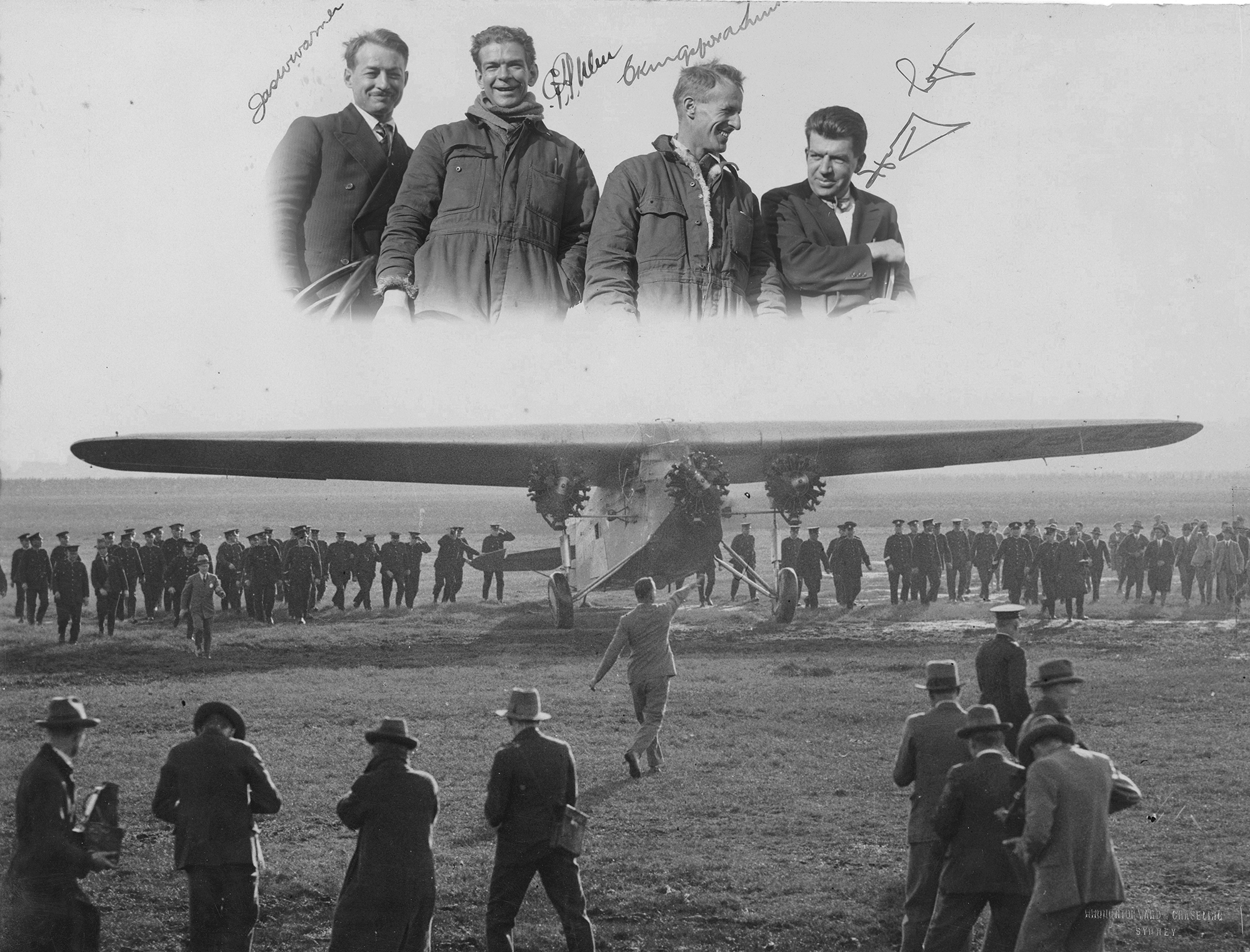
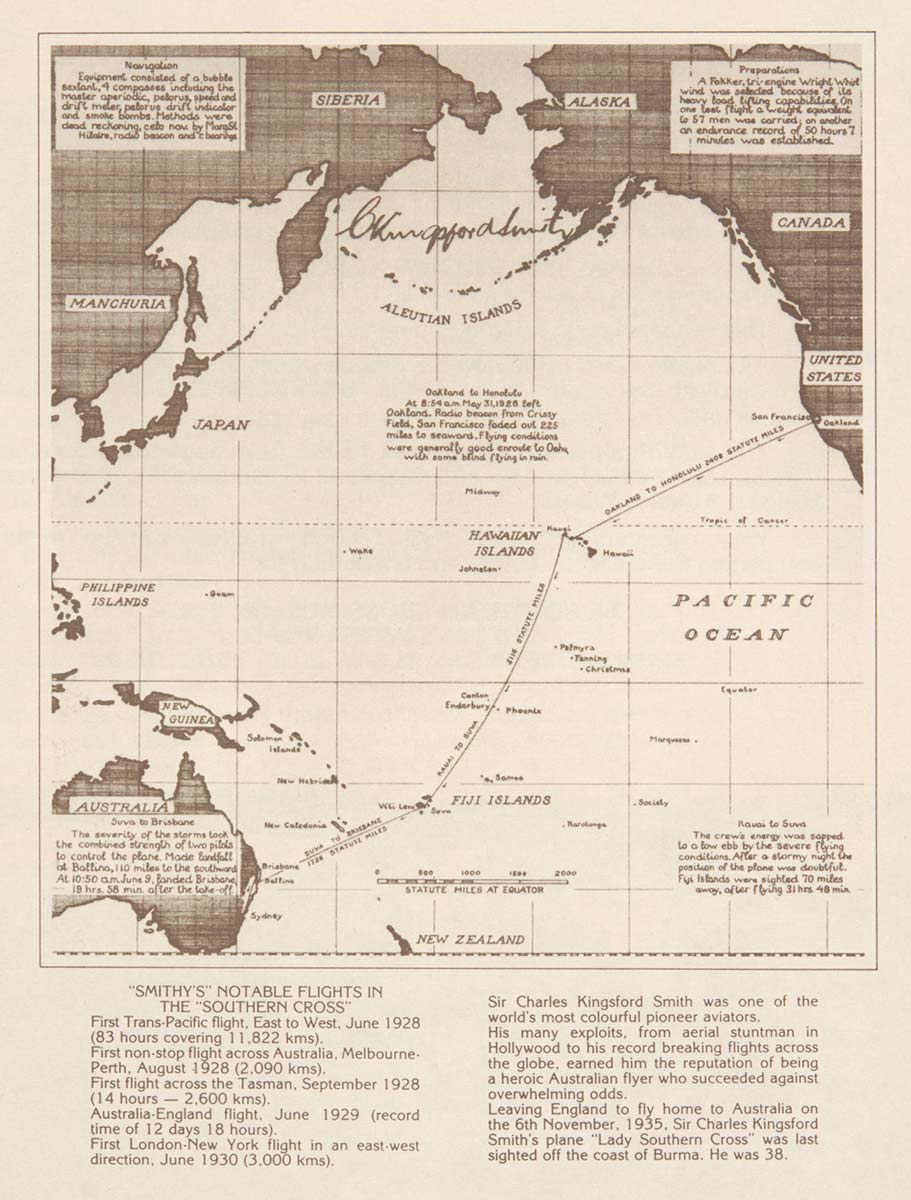
A rare look inside the cockpit of the Southern Cross, Smithy's Fokker F.VIIb/3m trimotor monoplane in which he completed the first trans-Pacific flight in 1928 with Charlie Ulm. The original famous plane is housed in Brisbane airport and its sparsity reveals the level of skill and sheer craziness needed to pilot what was basically a wooden box across vast expanses of open ocean, especially considering Smithy's morbid fear of water!
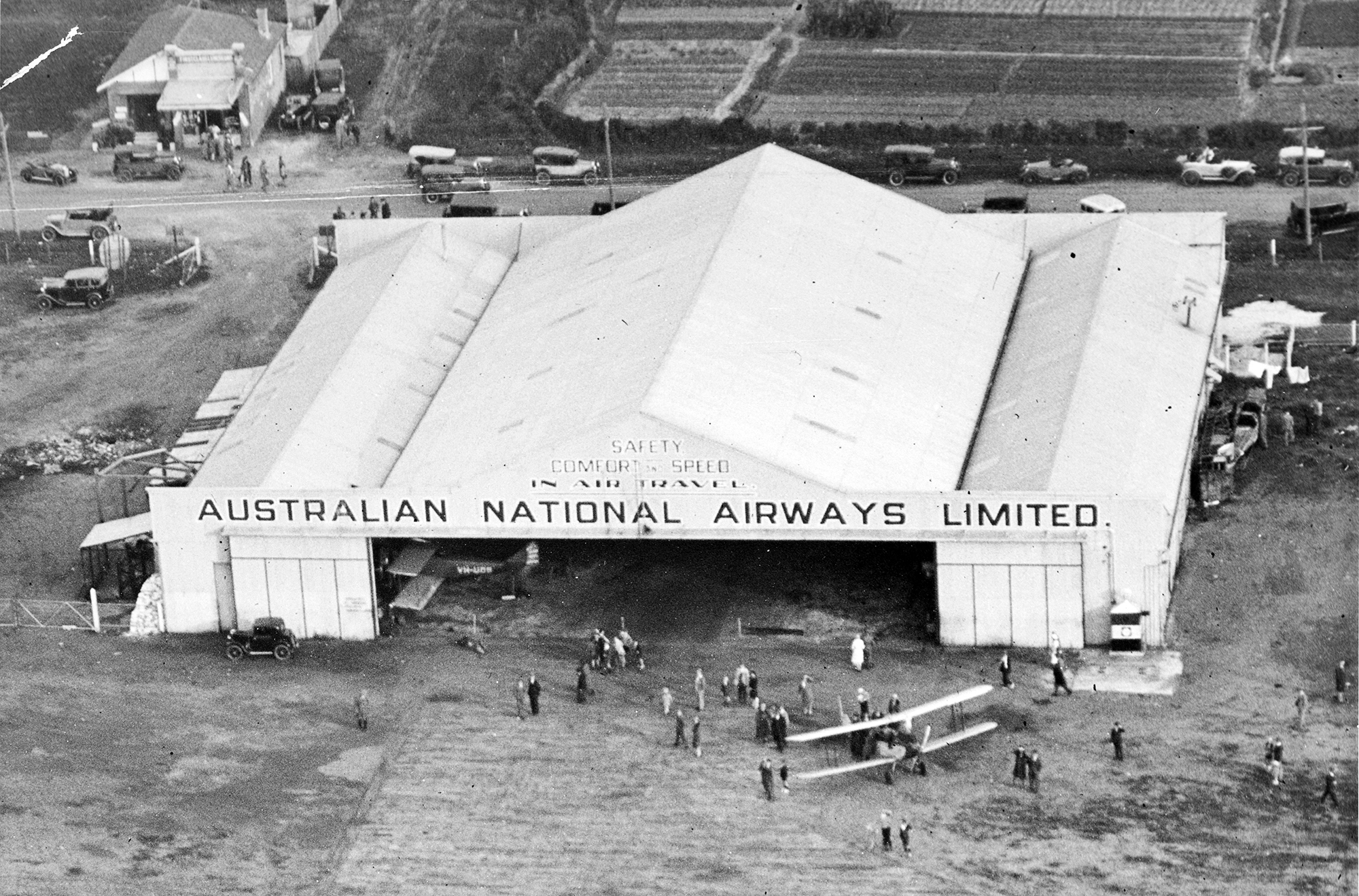
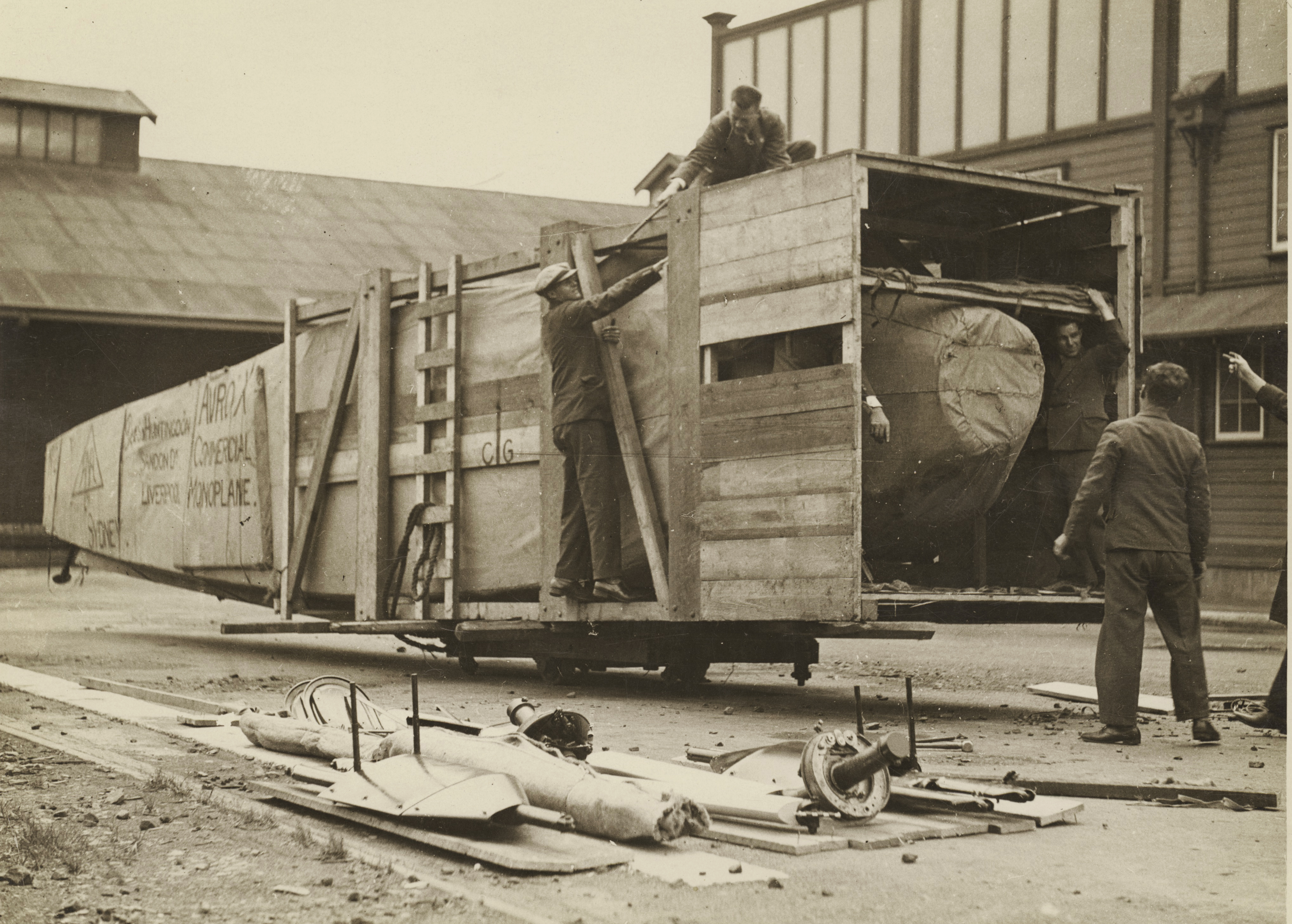
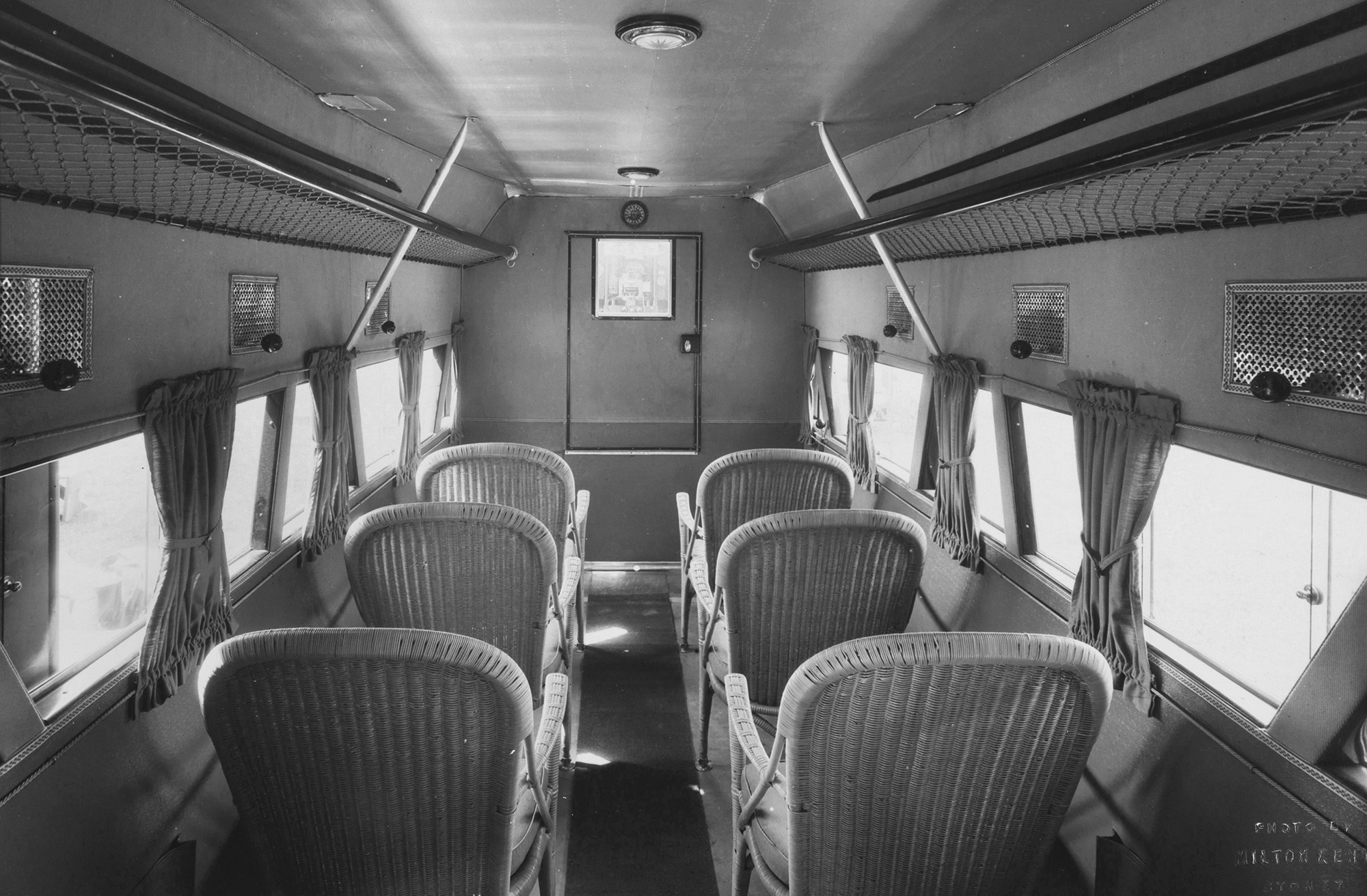
This is the calibre of plane (alongside a fleet of Avro 618 Tens) Wyn's engineering skills would have maintained for performance and safety at ANA, and also flown in himself on hair-raising adventures with Smithy.
Wyn and Smithy escaping a tight spot
Wyn recalls one such occasion: "The first accident we had was down to engine failure during a flight to Brisbane about 700 miles north of Sydney. I don’t recall the exact date or who the pilot was (it wasn’t Smithy) but the plane came down in a forest clearing, wiping off an undercarriage and part of a tail plane. By the grace of God no one was hurt despite the flat bit of open ground being extremely short (in those days our flying speed was 95/100mph and minimum landing speed about 35/40mph).
The crash happened in a pretty inaccessible part of the bush, and it took Smithy and I 24 hours to get everything we needed ready to make the repairs and get the plane out. We had to buy a second-hand Chevrolet truck, load a spare engine and all the necessary gear on board and then we set off as soon as we could. Even though it was an old beaten up truck we reached the site after about 36 hours of driving. On seeing where the plane had landed, I was absolutely amazed it hadn’t crashed and caught fire. The problem was going to be getting it out. By road was out of the question as it would have meant weeks of work clearing and preparing a wide enough track.
After a lot of discussion, Smithy and I decided it might be possible to fly it out. Luckily there was a pretty steep slope on the end of the flat strip, and we decided to clear a path to it and haul the repaired aircraft up to the top to give it a running start. There was about 250 yards beyond the slope before coming to a wall of trees, so we prayed we could build up momentum and achieve enough flying speed to do a split arse turn with a wing tip practically touching the ground and then fly out. We knew there was a good risk of a crash with odds of about 2-1 in our favour.
The aircraft was quickly repaired by our small crew of mechanics who refitted the undercarriage and changed the engine. We then took out everything that wasn’t nailed down including the cabin floors. We even removed two of the three petrol tanks! With reduced weight, we’d have just enough petrol to get us to Brisbane if all went well. When all was ready, we hauled the machine up the slope which we’d cleared, put it in flying position and tied it back with rope. Everything was in place, so Smithy and I took our places. When the engines were up to revs, I gave the signal and someone on the ground cut the rope with an axe and down the slope we went, gaining speed tremendously quickly. We must have been off the ground within 100 yds and at 200 yds had good flying speed. Smithy left it until we were about 50 yds from the wall of trees with our right wing no more than 15ft off the ground and then demonstrated why he was one of the best pilots in the world. We were no more than 10yds from the trees when he flew out. My heart pounded in my chest, and I was elated at our audacious success! I’d had some serious qualms about removing the cabin floors and leaving the cabin open to the four winds as I had no idea how this might affect the aerodynamics. However, all went well, and we had saved the aircraft, not died doing it, and all at moderate cost. The thrill would be one hard to match for the rest of my life."
Record attempt
Wyn: "Smithy always loved a record attempt so one of the other challenges we had a shot at was trying for the longest time airborne. We had to install a couple of additional petrol tanks in the cabin having removed all the chairs etc. I don’t remember what our approved all up weight for take-off was, but I know that when fully gassed up we were more than 50% overloaded. We took off, adopting the longest route across the Mascot aerodrome to try and get airborne. The undercarriages at that time were made from sliding tubes secured to a number of rubber cords and were therefore very soft and flexible. I remember Smithy bouncing the aircraft several times trying to get it airborne and he eventually succeeded just before hitting the boundary fence! We managed to remain airborne but had the engines at full throttle for about two to three hours before we’d used enough weight of petrol to turn off a straight line and get more than 100ft off the ground. I don’t remember exactly how long we flew for - probably about 30 hours - or if it constituted a record but we came back in one piece."
Wyn’s pioneering final flight with Smithy
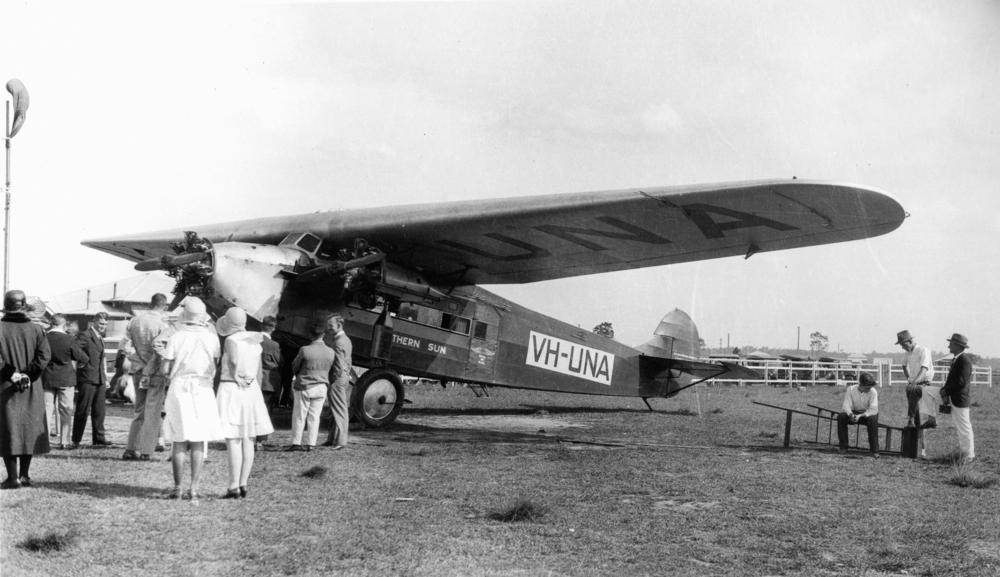
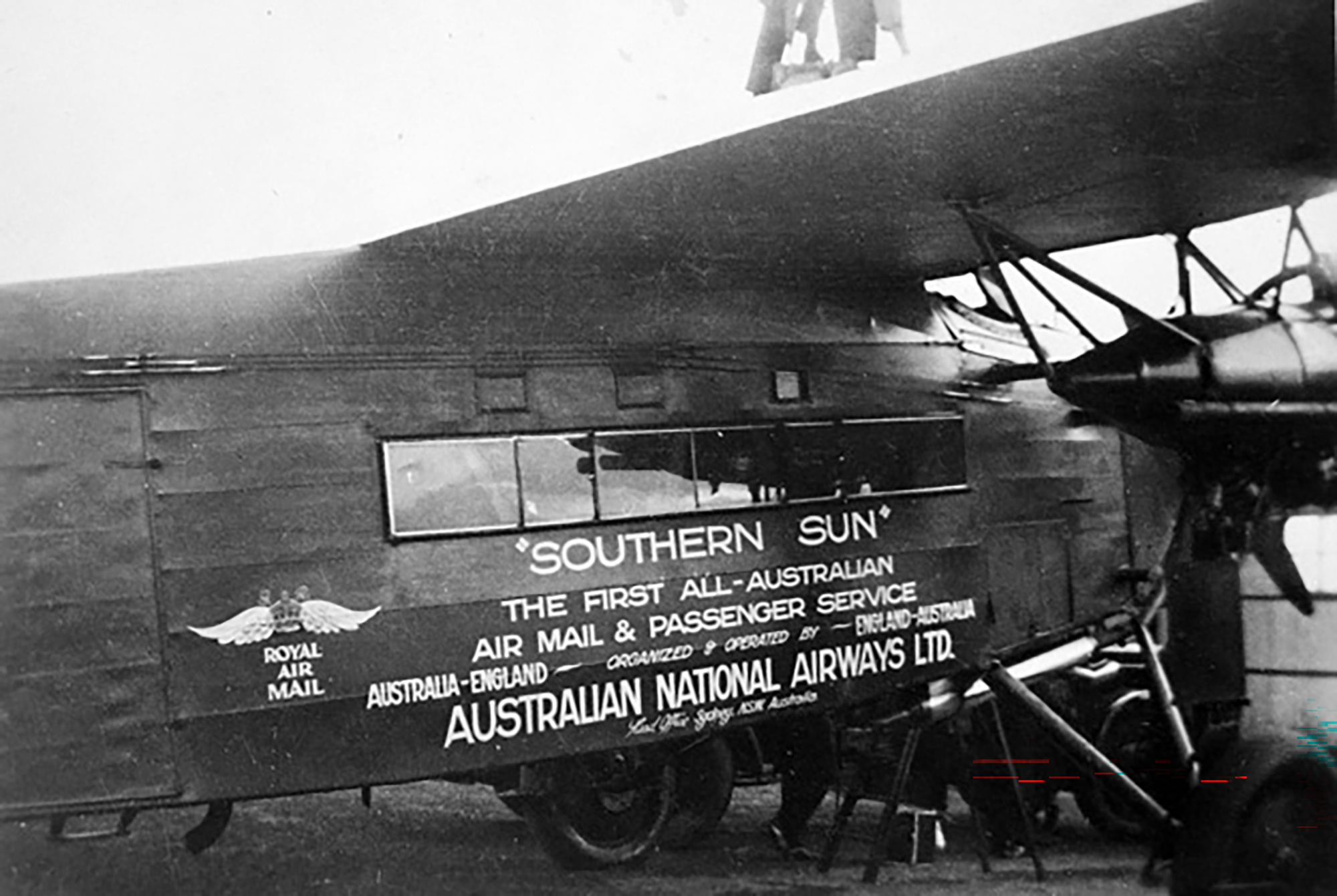
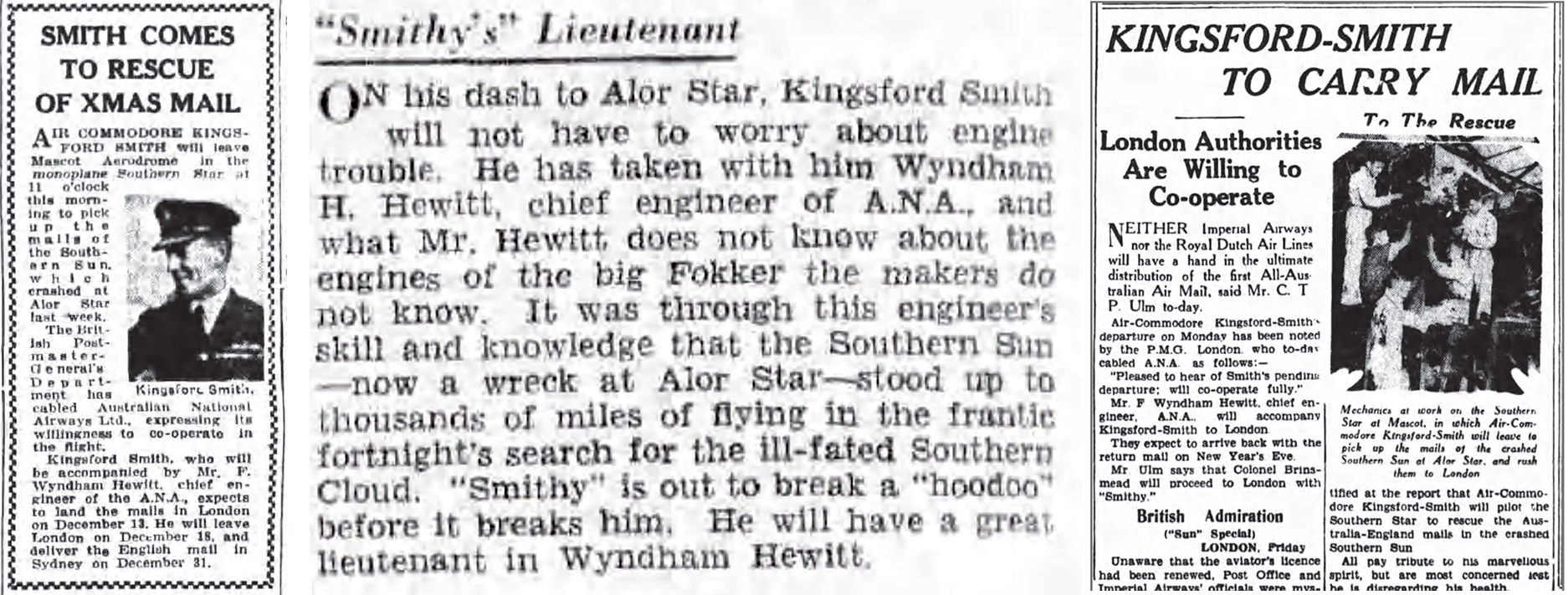
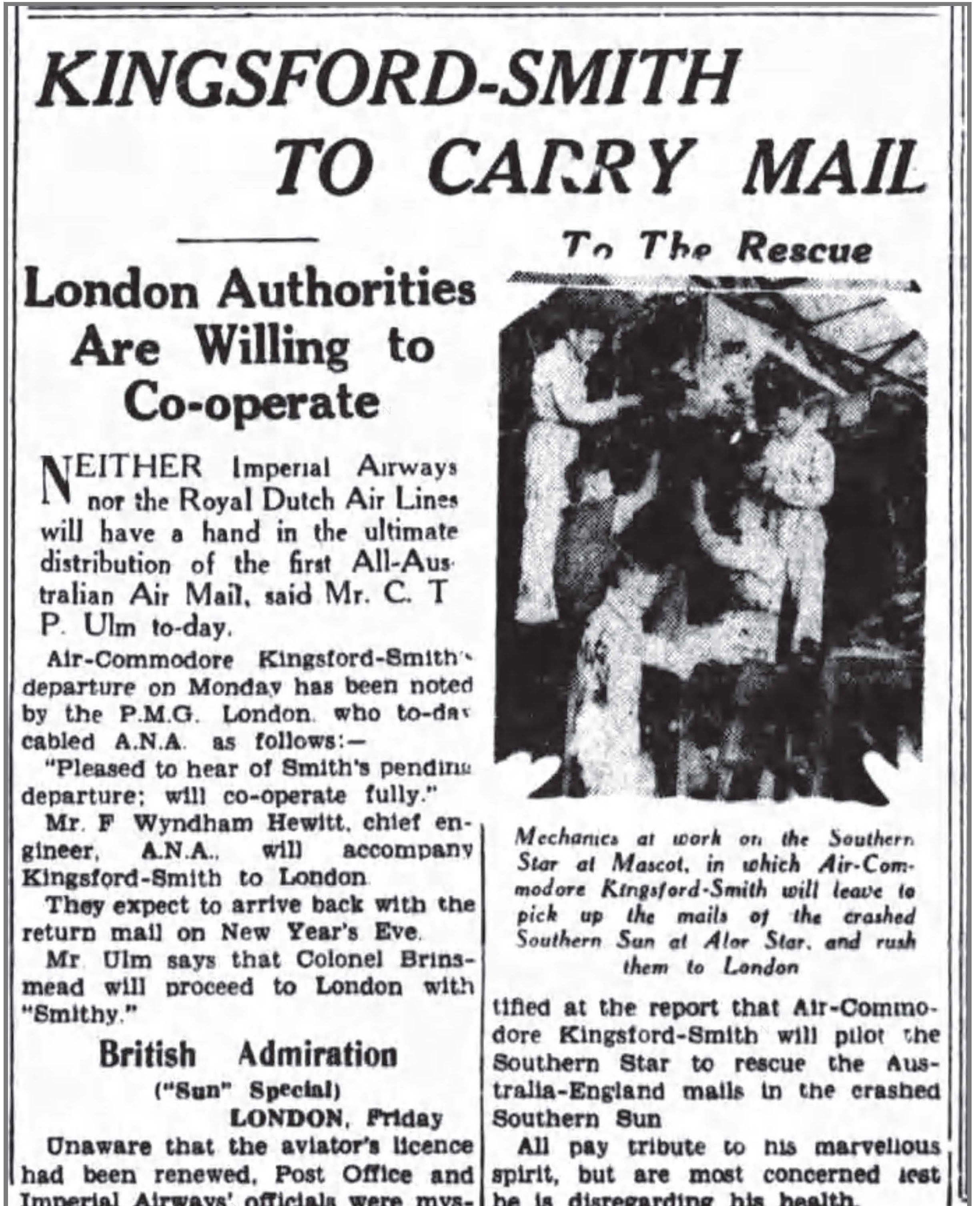
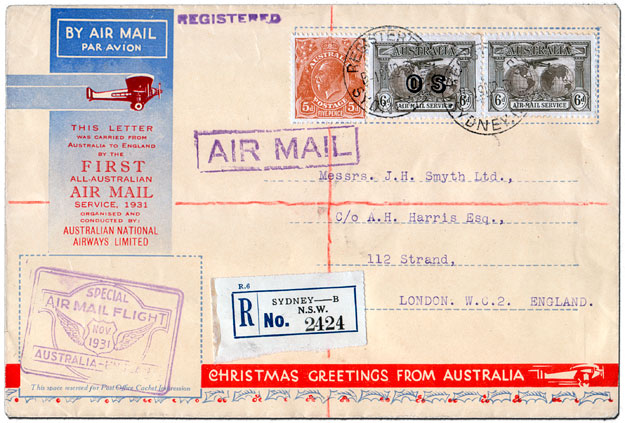
Following IAL’s failed attempt, Smithy and Charlie decided to go for the first all-Australian air mail flight to England in time for Christmas in 1931 and before his planned exit from Australia, Wyn had prepared the Southern Sun VH-UNA as the plane to make the journey. The crew of three (pilot Jock Allen, relief pilot and engineer Rupert Boulton, and wireless officer L M Callaghan) had set off in the Southern Sun on 19 November, picking up the Controller of Civil Aviation, Lt Col Horace Brinsmead as a VIP passenger in Melbourne. On the 26 November they stopped as planned at Alor Star in Malaya to refuel. On take-off they failed to get airborne; the wheels were stuck like glue in the quagmire, and they also lost power in the centre engine. The undercarriage was torn off as the plane hit an embankment, plunged into a rice paddy ditch, and skidded to a stop on its nose.
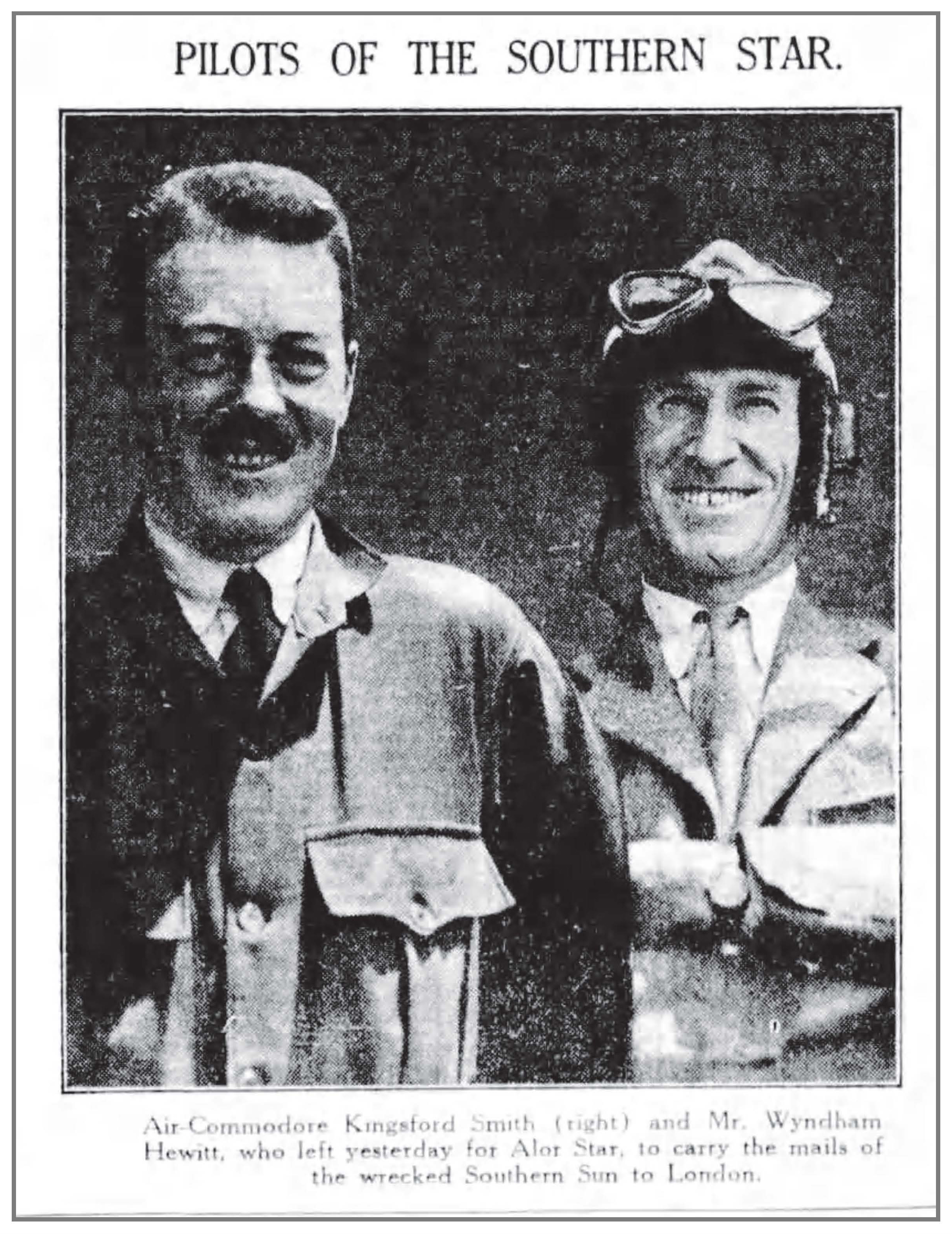
Smithy rushed to the port to catch his friend before he left: “Wyn, me ol’ mucker!” he grinned, “The Southern Sun has crashed! Come be my co-pilot – we gotta fly up to Alor Star to rescue the 75,000 bits of mail and get 'em to England or my rep will be shot!” Wyn didn’t need asking twice. He scurried off the England-bound boat leaving Eileen to sail alone, and rushed to the aerodrome with Smithy like an excited schoolboy. First point of order for Wyn was obtaining a pilot’s licence. Smithy found an instructor to take him up for 20 minutes of dual control flying before sending him off on his own. He overshot the centre of the aerodrome on his first approach but came in OK on his second, and off he trotted to do his test proper. All he had to do was demonstrate his ability to achieve a height of 4,000ft, do a stall, a spin and then get out of the spin and land within 25 yds of a mat. He managed it without a hitch, and got his licence on the spot. The thing took a couple of hours.
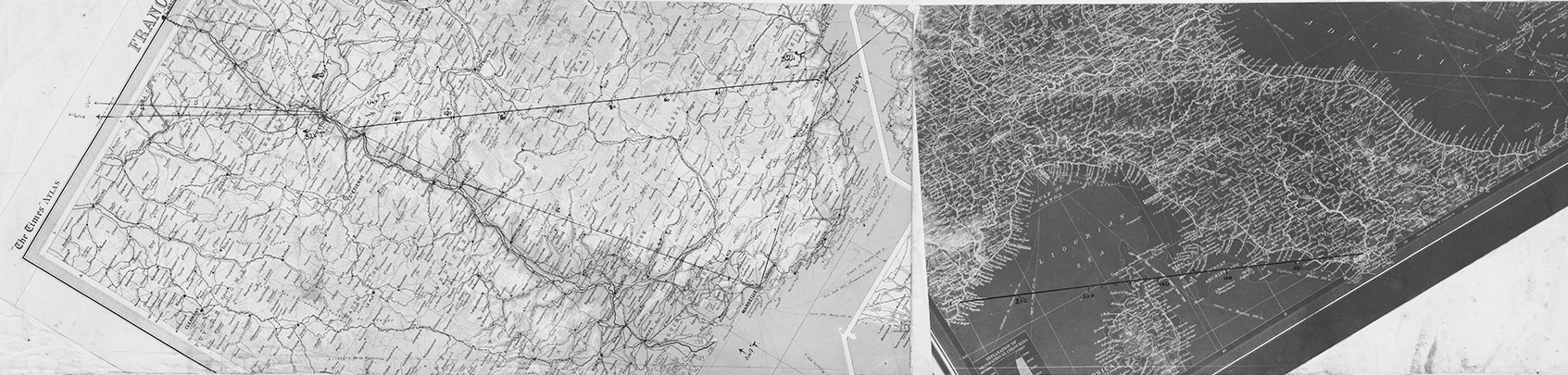
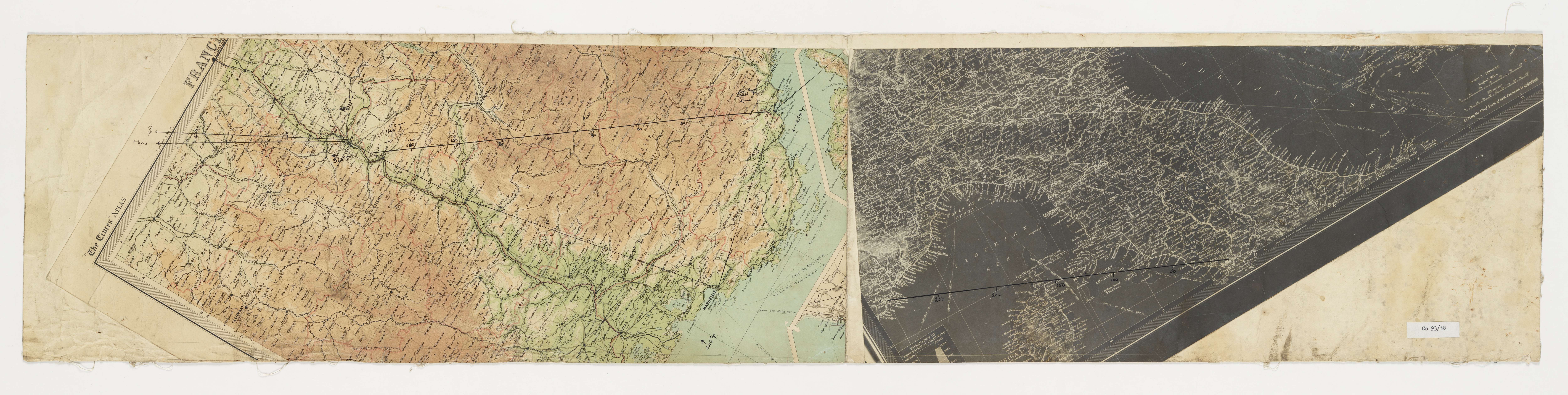
Wyn: “We left the next morning - 5 December – once again with no wireless, a few of Jock’s maps and a copy of The Times school room atlas to chart our way, but it was enough for us to follow the land. Our flight to Surabaya was uneventful and then it was a long hop to Bangkok. On approach, we were running dangerously low on fuel. We had no means of knowing precisely where we were and didn’t know if we’d make it, but Smithy managed to land us safely. On taxiing to the hangers with our tail down, all three motors suddenly closed down from fuel exhaustion. Ten minutes more flying would have seen us dropping from the air in the middle of nowhere. Grace of God for us!
We were well received by a reception committee headed by the Chief of Police who very courteously asked what he could do for us. I answered him because Smithy was talking to a random bigwig and said “Bath, dinner and a nightclub.” Overhearing this, Smithy added: “Yes, and preferably some female company.” Two beautiful willing volunteers were rounded up tout de suite.
Then it was Bangkok to Burma and on to Calcutta, across India to Karachi all without any trouble. We were flying about 14 hours a day at an average ground speed of 95mph, landing at midday for fuel all arranged in advance by Shell. It was winter, and one of the coldest nights I’ve ever spent anywhere in my whole damnable life was in a guest house at Jask on the Gulf of Oman. We put thick layers of newspaper over and under our bodies to try to keep warm.
On to Basra, Baghdad, Rubber Wells and then Aleppo. On inspecting the plane at Aleppo I found a split all the way round the port wing in the plywood skin. This was ruinous because the wooden main spar was dependent on the plywood for stressing. We had the unenviable choice of carrying on and taking a chance or cancelling the whole adventure. Both being up for a bit of risk, we decided to push on.
We landed in Athens and then took off for Rome, flying over the Apennines where we were caught in a snow storm of great violence. The plane was taken as if by a giant hand, turned on its side, and dropped a couple of thousand feet in free fall until Smithy wrestled it back under his control. I was thrown against the side cabin wall and buried under all the mail bags we were carrying. My fears for the cracked wing were rampant. When things got straightened out we had no idea where we were because we were always having to fly by dead reckoning. Unable to see the ground we could do no more than fly in the general direction by compass. It was still snowing heavily when suddenly in front of us and at no more than a couple of hundred yards there was a wall of mountain. Smithy did a split arse turn and once again he saved the day. As crazy cats, our nine lives were diminishing with every leg.
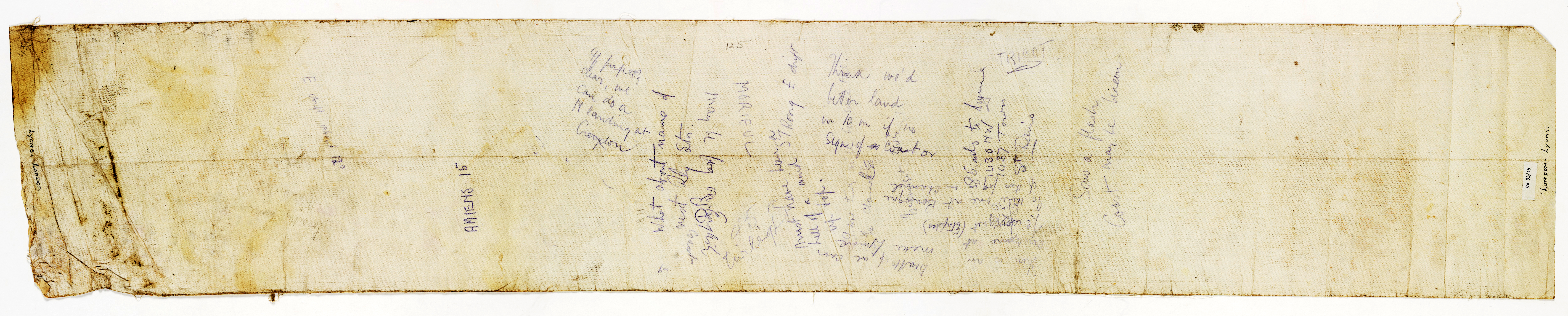
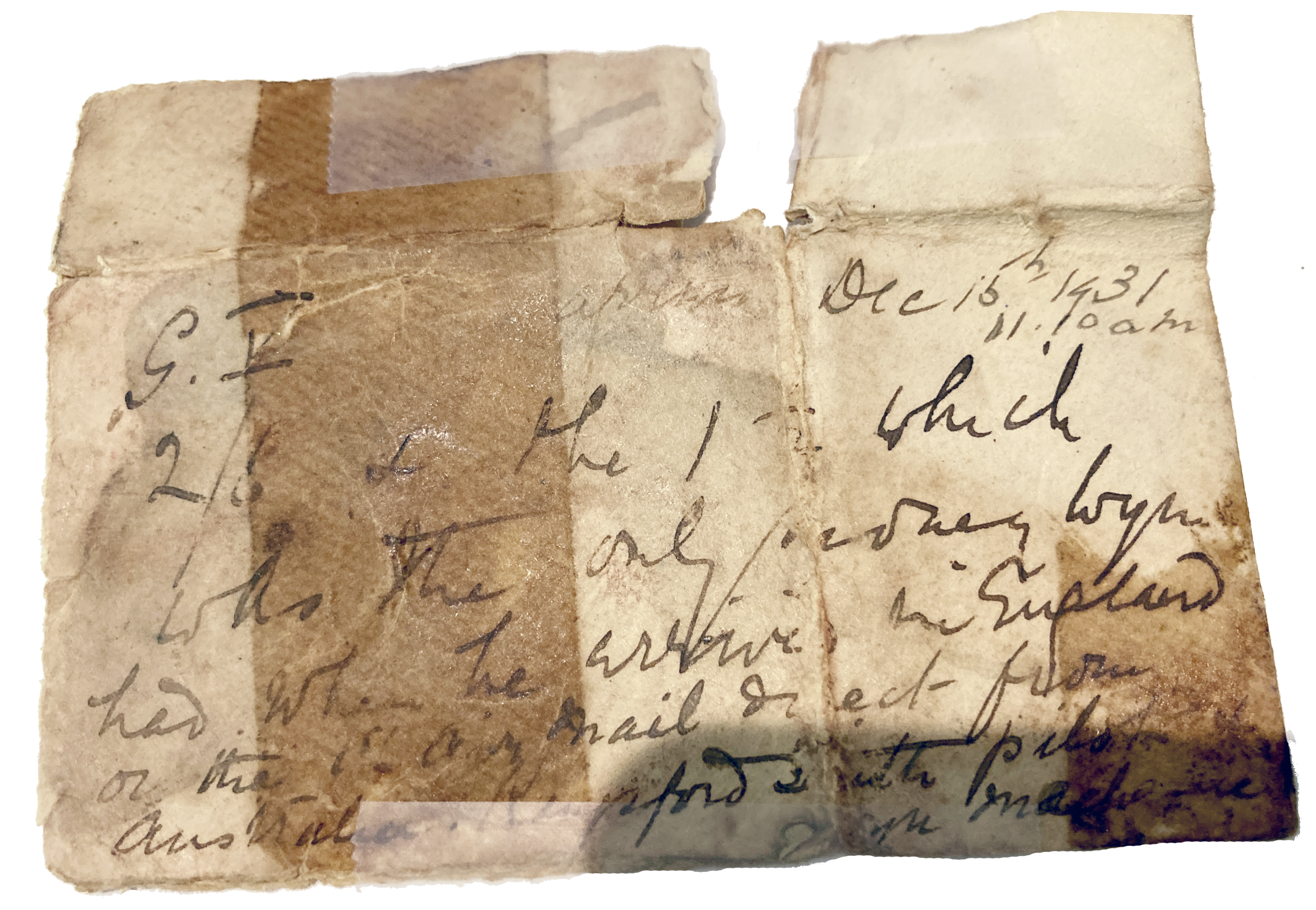
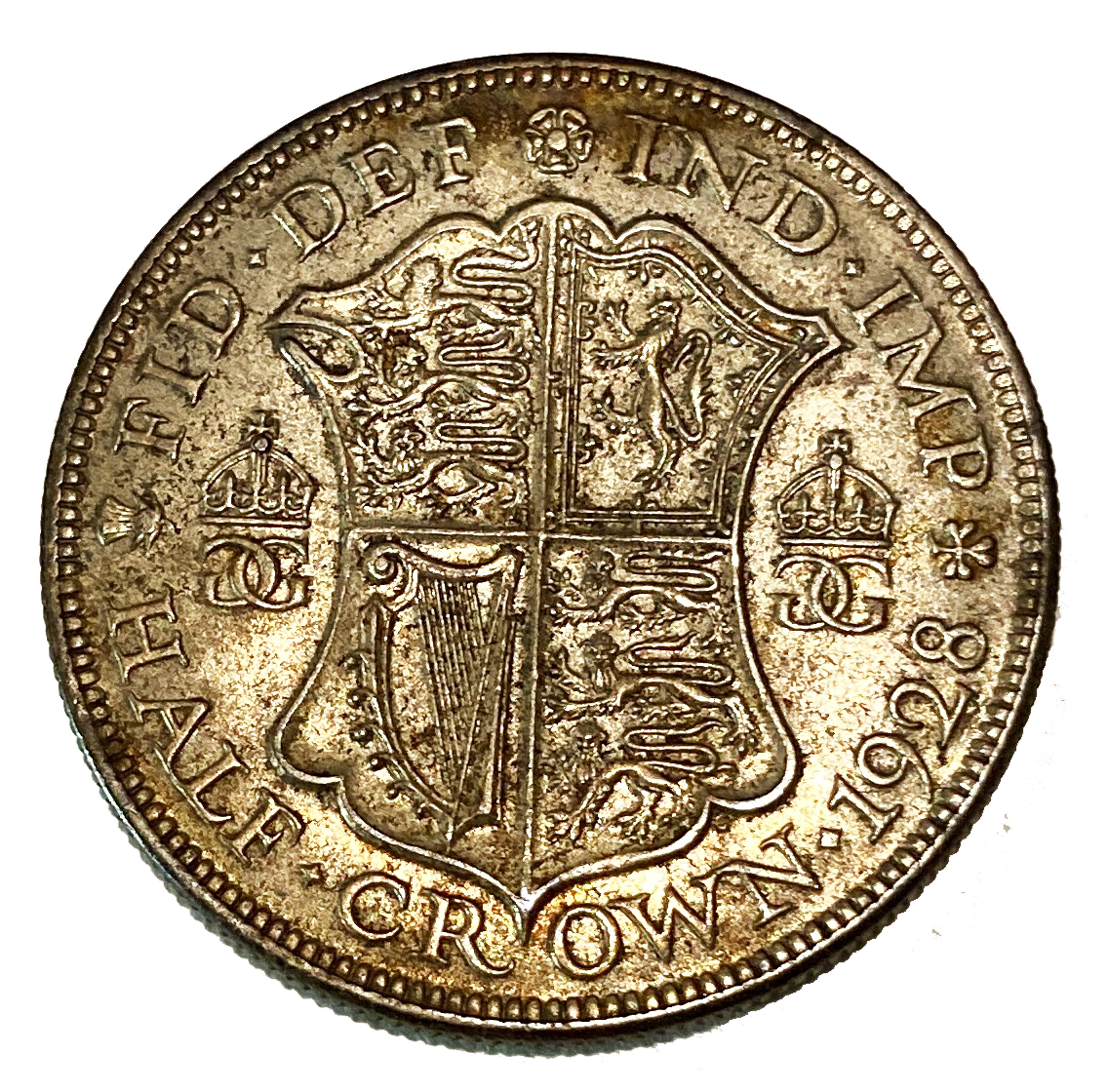
It was not a pleasant flight but once over the mountains the weather improved, and we landed in Rome OK. The next stop was Lyon where we were held up for three days by fog. Our accommodation was put up by Shell, but we had no money ourselves. I had left Australia with just one 1928 George V half-crown in my pocket which, in the end, I never spent. In fact, I still have it somewhere inside a very old manilla envelope. I even recorded the date and time of when I didn’t spend it for prosperity.
But lack of money did not hinder us. My rudimentary French served us well and I used it without hesitation to enter a night club and announce that we were the famous Australian aviators flying the inaugural transcontinental mail flight. This delivered the desired effect, and we were treated gratis to anything we wanted.
After two days tied to land, we became restless and decided to take off the following morning in spite of the fog. In 1931 weather information was very sketchy and inaccurate and we had no idea what the conditions were like further north. We were flying blind most of the time but we did have artificial horizons and had to calculate by dead reckoning. We guessed at about eight hours flying time to Croydon and after six we decided to poke down to try and see where we were. We came down over the sea and obviously had no idea if it was the English Channel or the North Sea. The only thing to do was to turn round and fly back to find land.
I was in the cabin and very luckily happened to see the loom of a lighthouse, so we knew we were somewhere along the north coast of France. Smithy came down very cautiously and by the grace of God saw a nice flat beach with the tide out. We landed smoothly and came to a halt. We’d no sooner landed when a gendarme trotted over and officiously informed us that we couldn’t land there. We were on the beach of Le Touquet! Once again, luck was most definitely on our side.
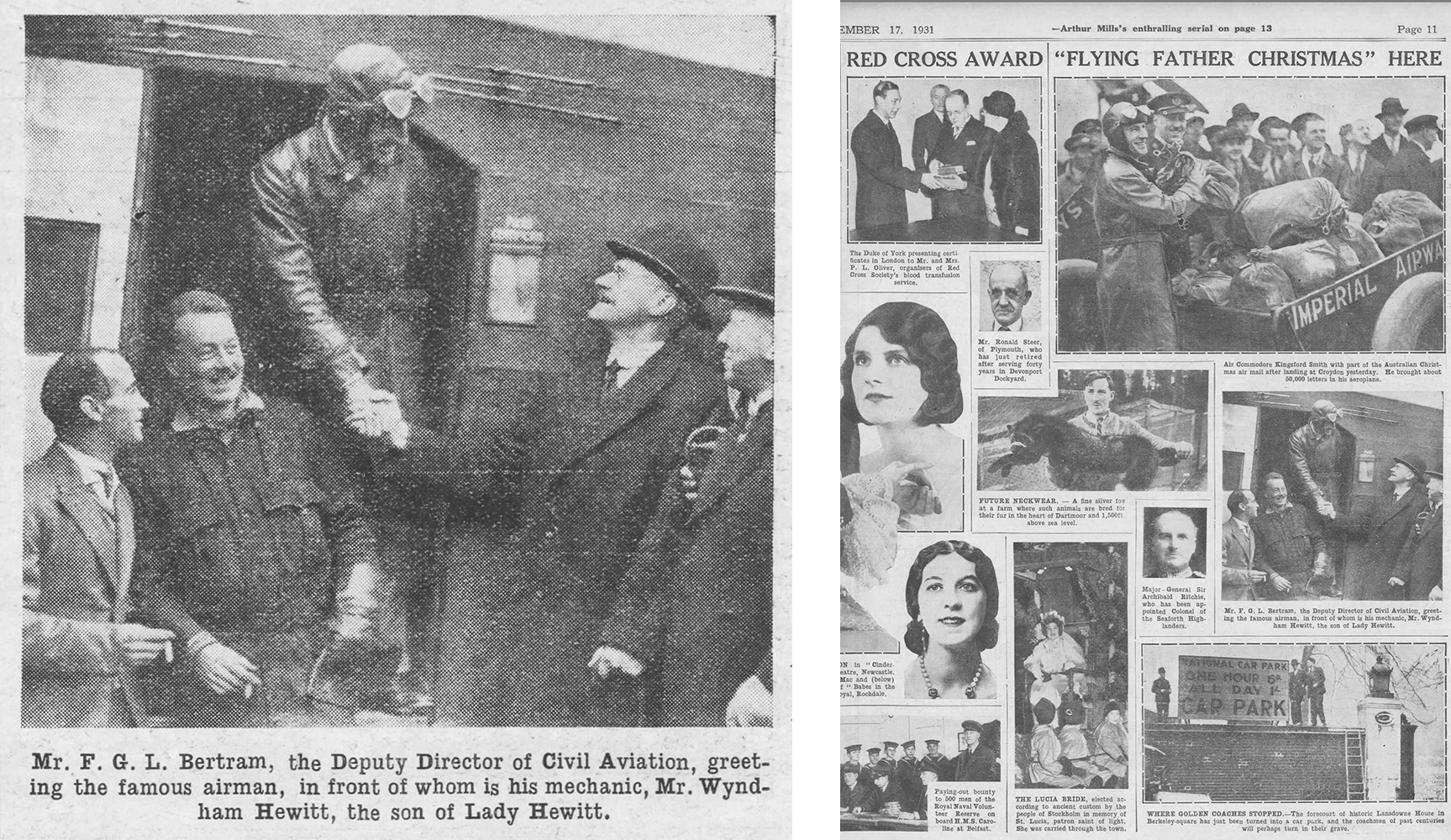
Next morning, 16 December, we made for Croydon, still flying in fog, especially over London but I spotted the towers of the Crystal Palace punching through the mist which gave me my bearings, and I was able to guide Smithy to the aerodrome. It was just a large open grass area without runways so landing wasn’t difficult. We were met by the Minister of Aviation Sir Sefton Brancker, his Deputy Director of Civil Aviation Francis Bertram and a huge clamouring crowd. And there ended the historic first Australia-England air mail flight, captured by the press and spread across the world’s papers for all to celebrate. There's still an envelope somewhere, addressed to my mother which we had brought with us. Always good to curry favour with Mother!"
Inaugural mail flight from Australia to the UK
Smithy and Wyn's triumphant arrival at Croydon carrying thousands of parcels and letters directly from Australia on 17 December 1931. Smithy hogged the limelight so sadly, there is no footage of his co-pilot and engineer Wyn.