Friendships



%20'Wings'%20certificate%201945.png)
%20electoral%20register%201933.png)


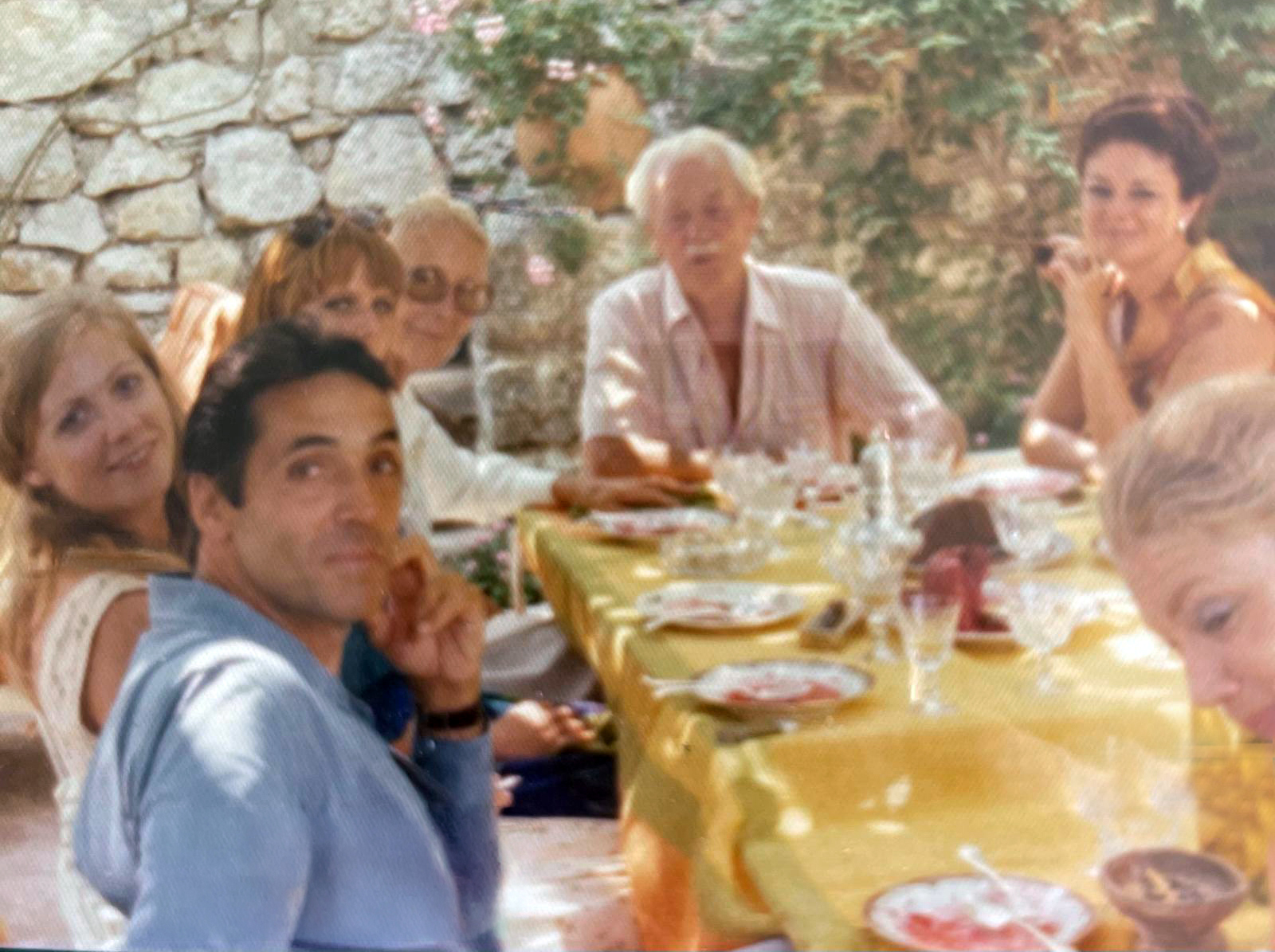
%2C%20Geraldine%20and%20Rose%20behind%20him%2C%20Wyn%20at%20table%20head%2C%20Anne-Marie%20back%20right%2C%20Francoise%20front%20right_.jpg)
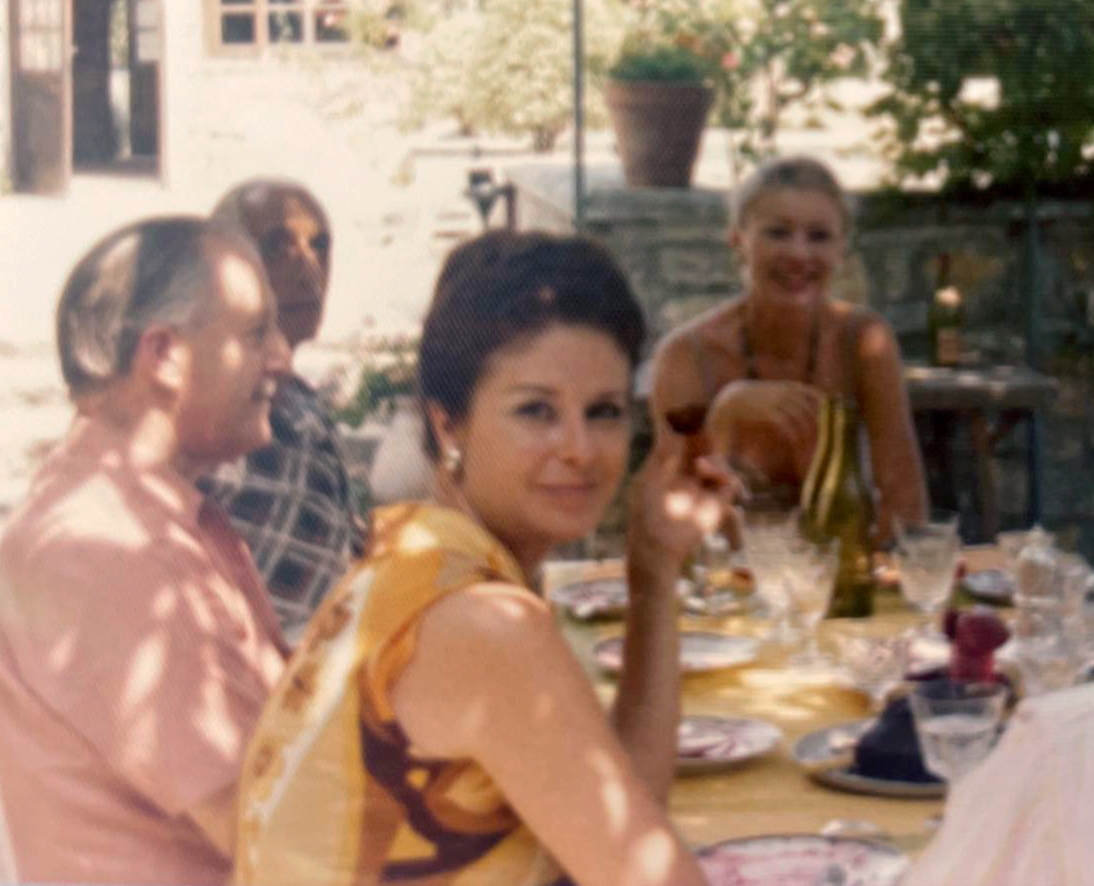
%20and%20Anne-Marie%20Pastoriza%20(facing).jpg)


Stories and memories
Magnus Geddes
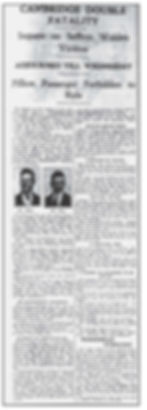
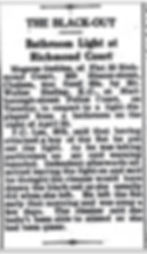
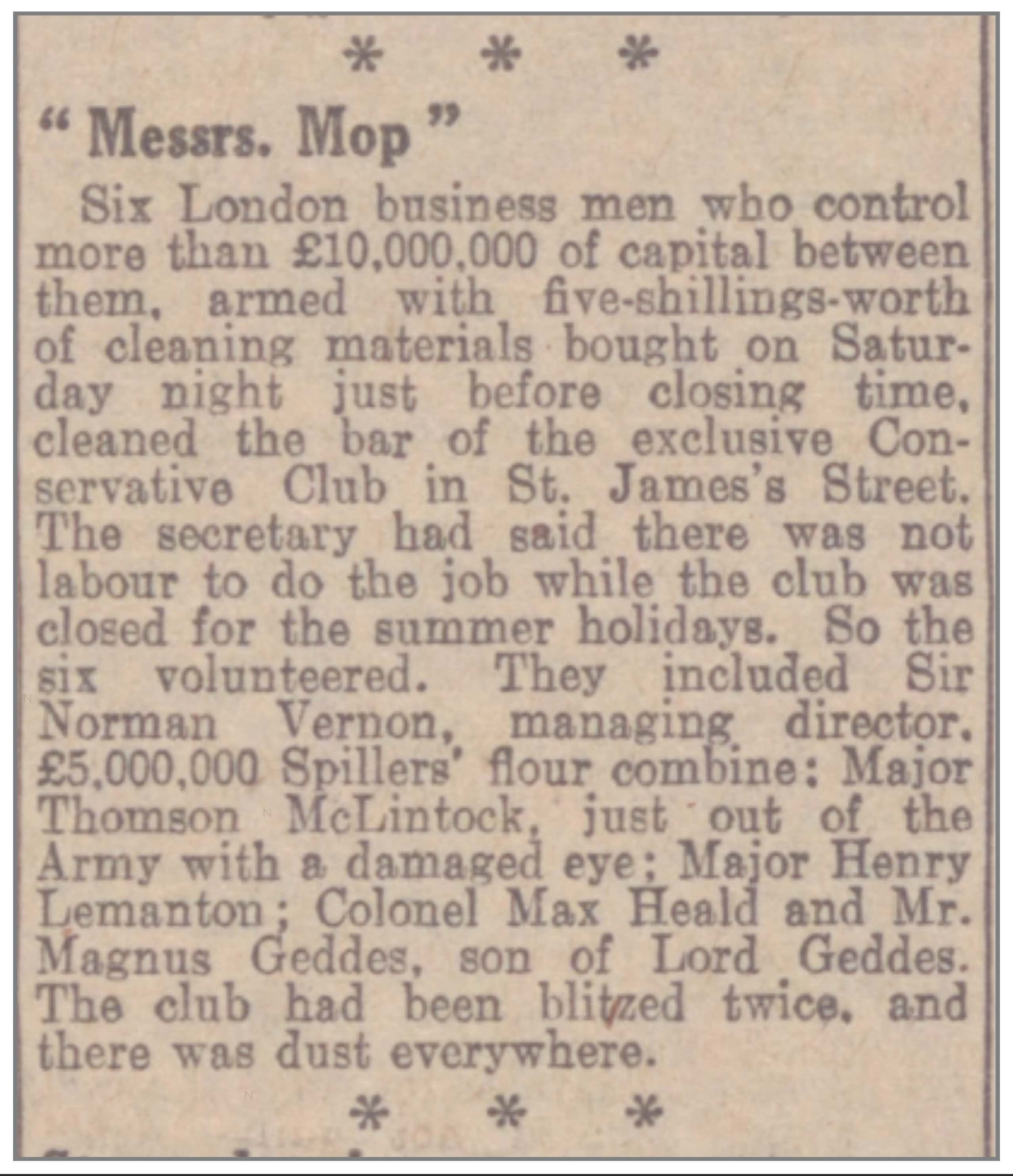
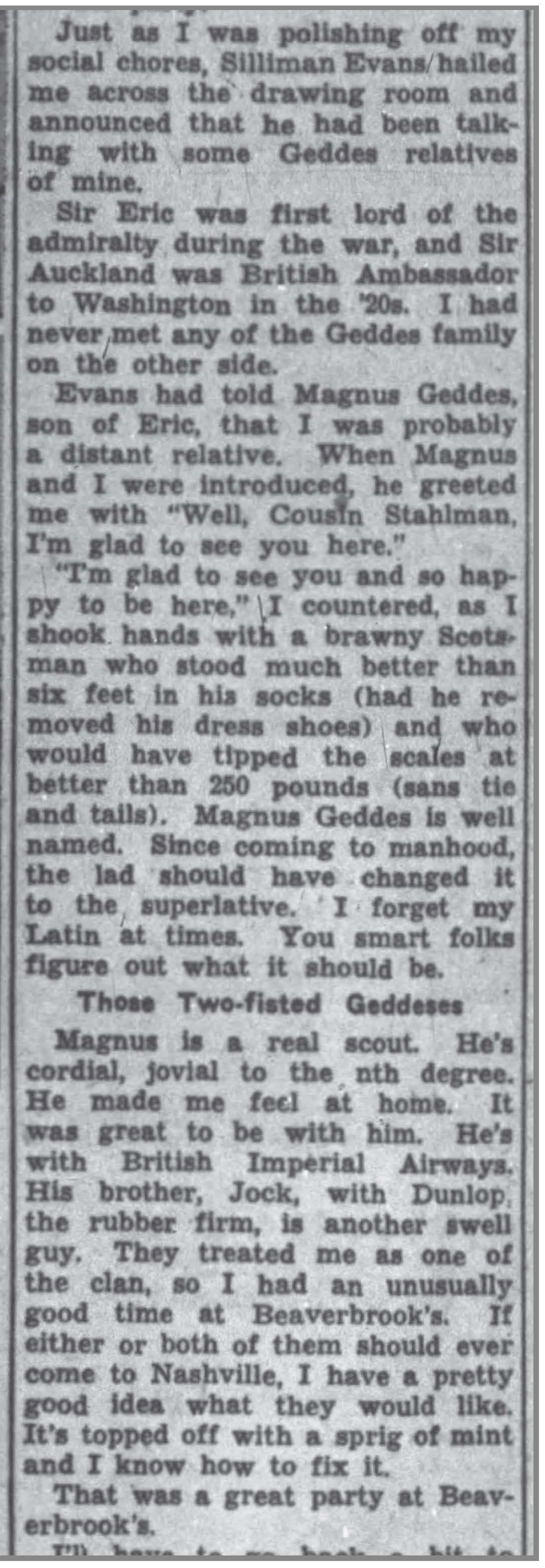
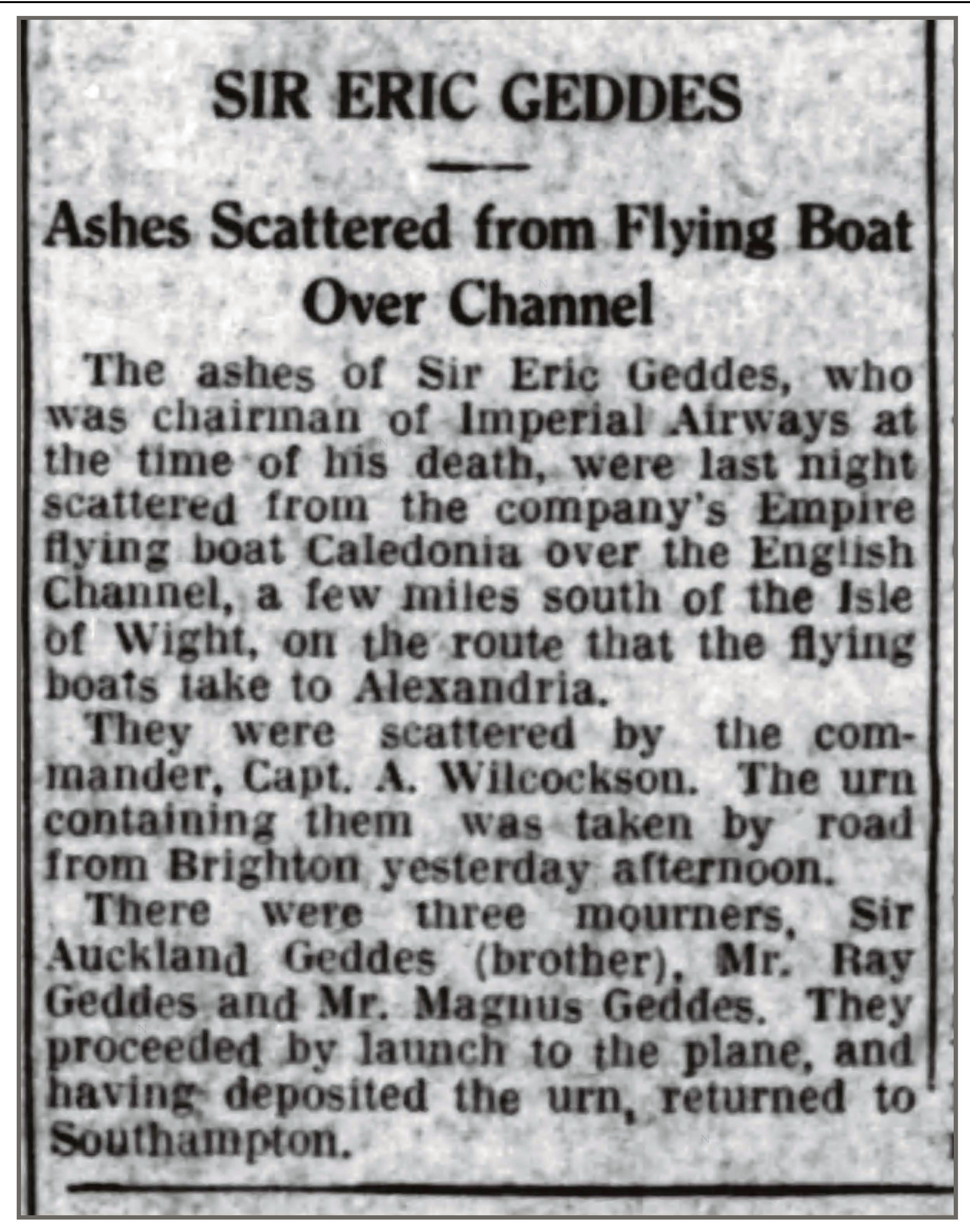
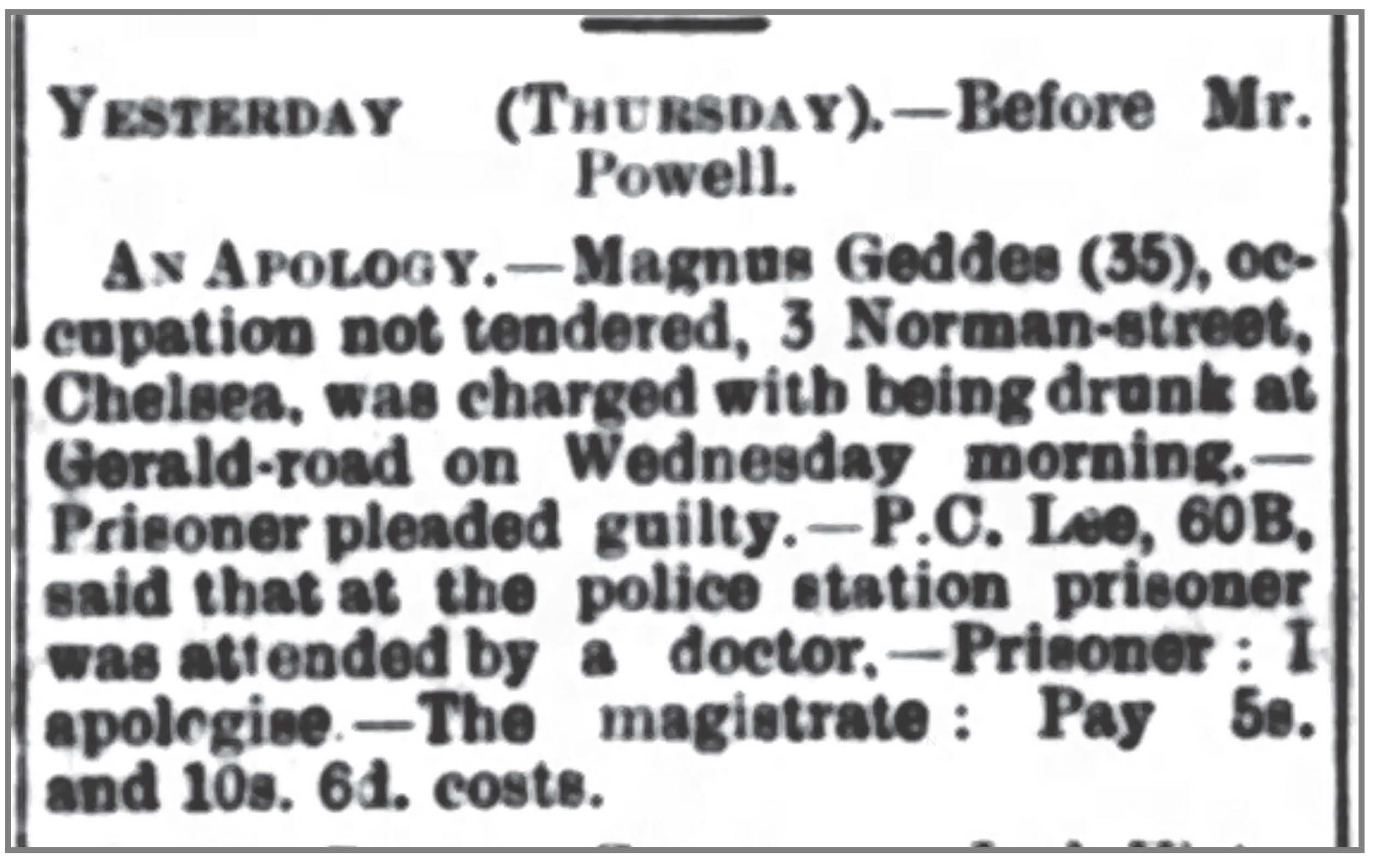
Soon after joining IAL, Wyn met and became very good friends with a fine fellow called Magnus Geddes, whose father Sir Eric Geddes had been Chairman of both IAL and Dunlop. Magnus was a brawny Scotsman who stood more than six feet in his socks and who tipped the scales at better than 250 pounds. Wyn and Magnus incorporated Wyndham Hewitt Ltd on 1 May 1936.
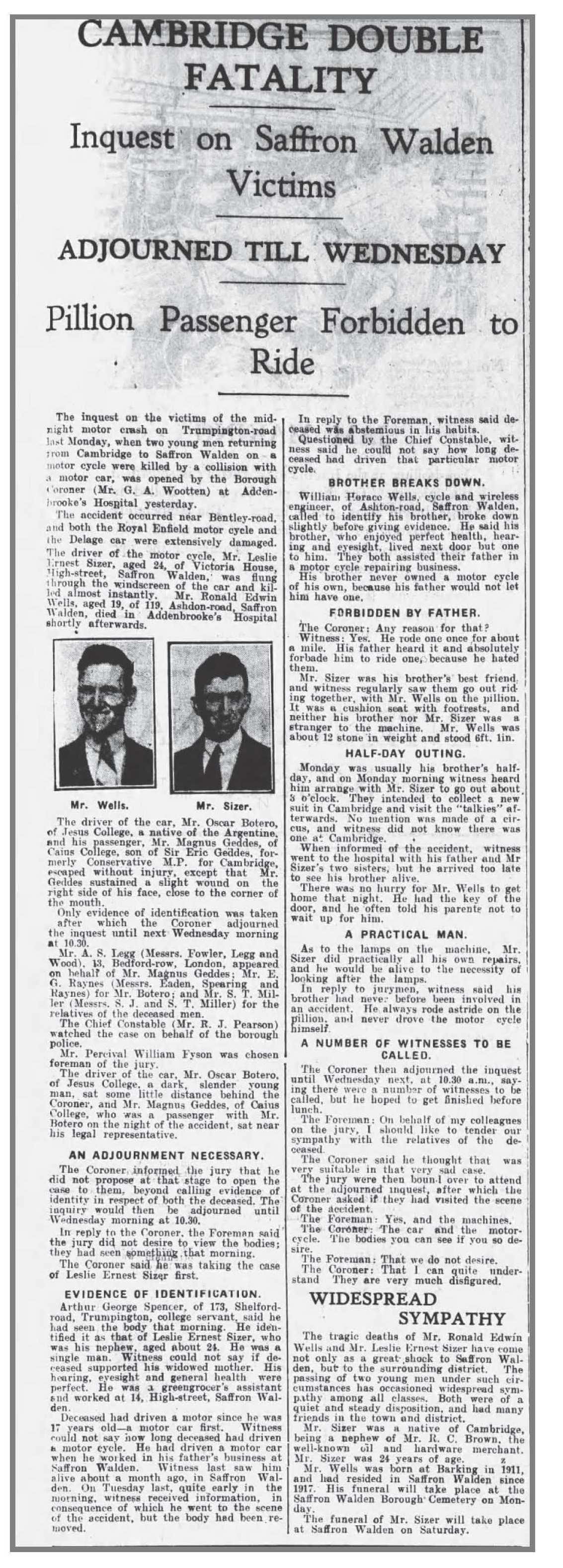
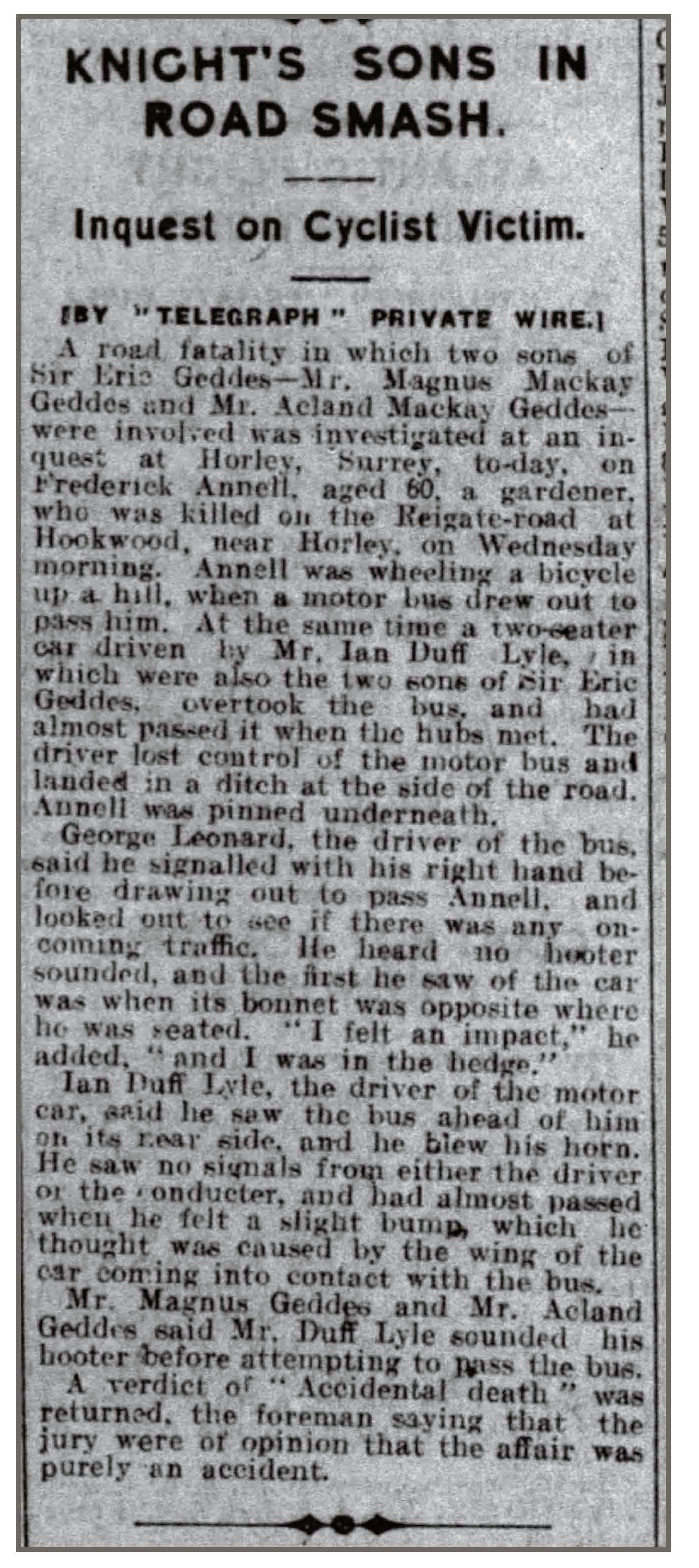
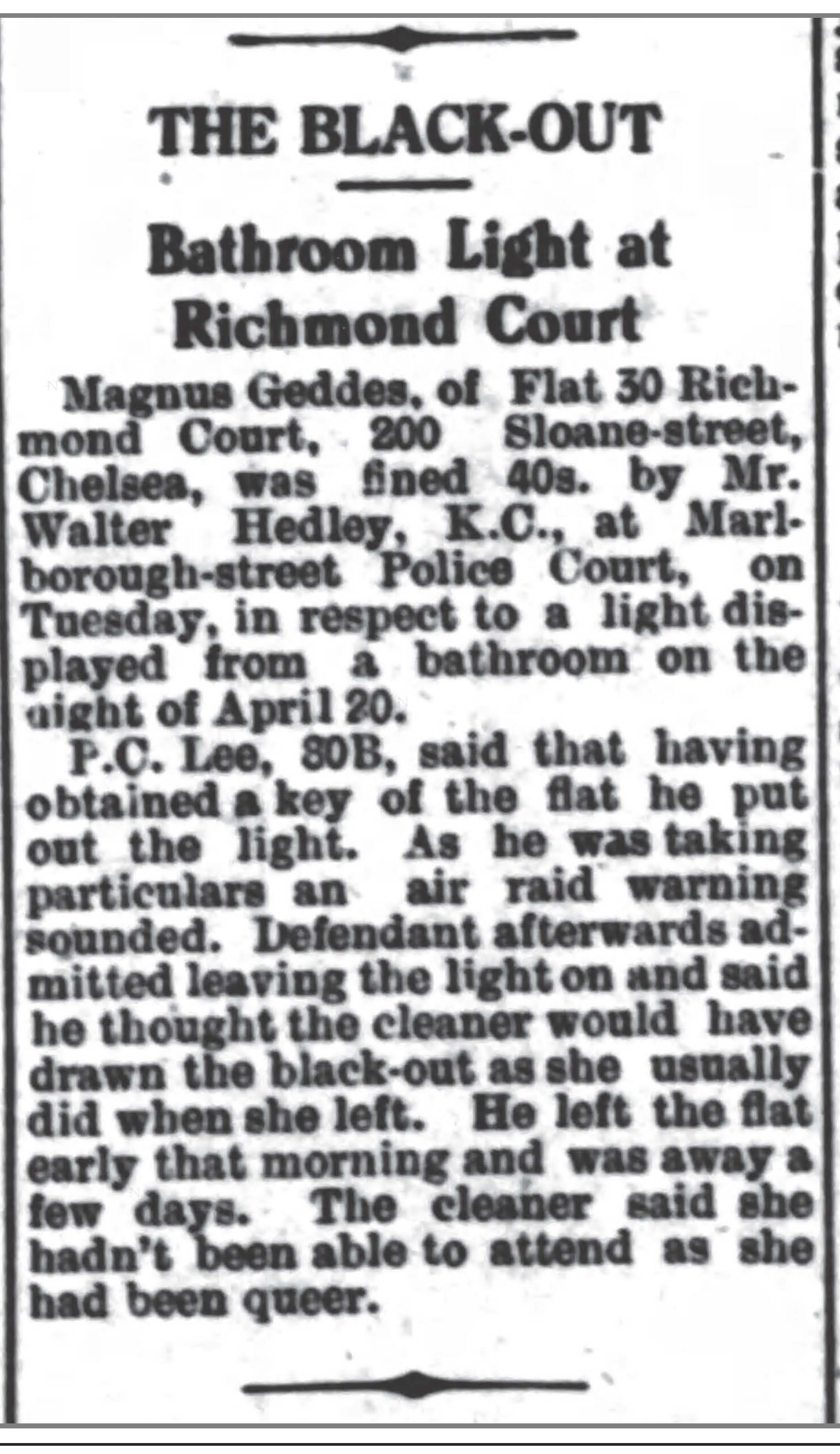
Wyn: "I still saw a lot of Magnus after we were no longer business associates. He remained with Lagonda after I left, and he was slowly but surely drinking himself to death. He got himself into a fair few scrapes – some innocuous and some more serious involving road accidents and a couple of fatalities. I remember picking him up one morning to go shooting and before we left he insisted on having ‘breakfast’ - a large glass of whisky. It was a glass such as one has for a long lemonade, full of neat whisky almost to the top with half an inch of milk on it, and down it went. He’d drink a flask of whisky during the morning and half a bottle of port for lunch after which he’d shoot very well.
Eventually, so heavy was his drinking, that the doctor had him put on total bedrest. To stop him getting out of bed his legs were put in plaster, but he still got friends to bring him in drink. He kept a board under his bed with nails sticking through it. In the morning he’d swing his legs out and if he could feel the nails he knew he could drink that day. If his legs were paralysed, he’d lay off it. Predictably, he died of alcohol poisoning on 19 February 1953 aged just 45. A great pity as he had a brilliant mind and could have done great things."
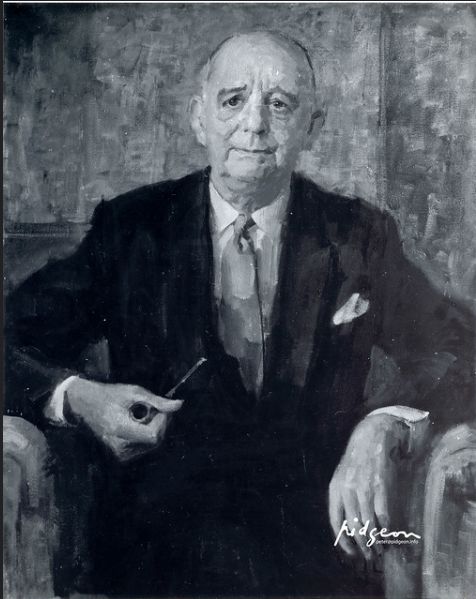
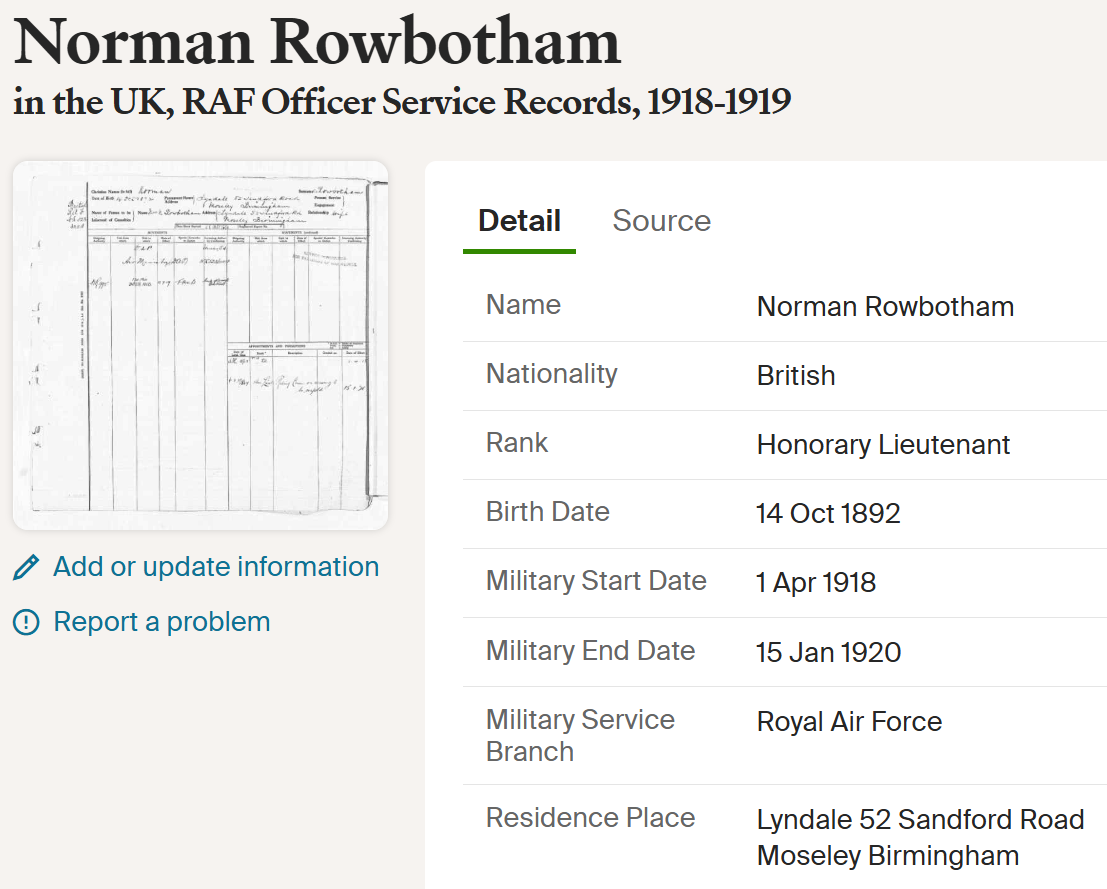
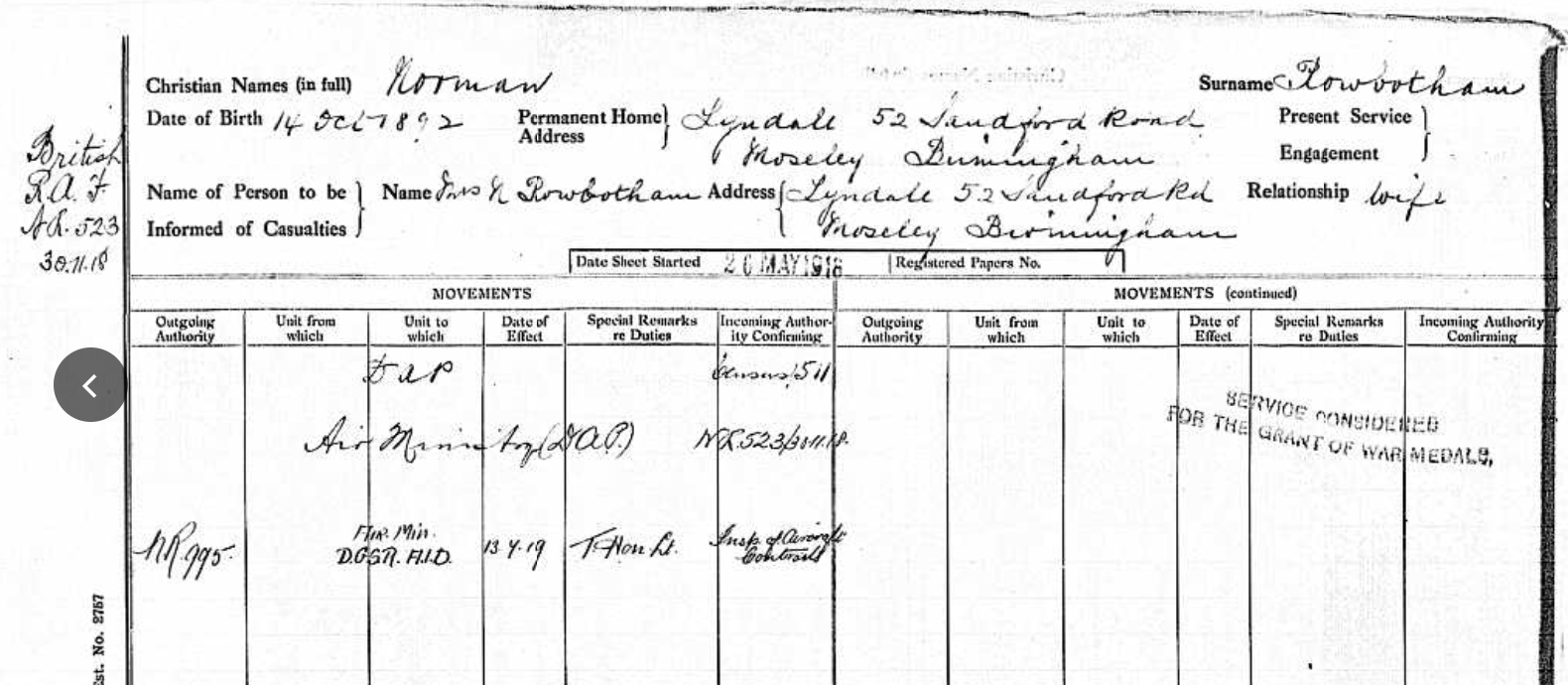
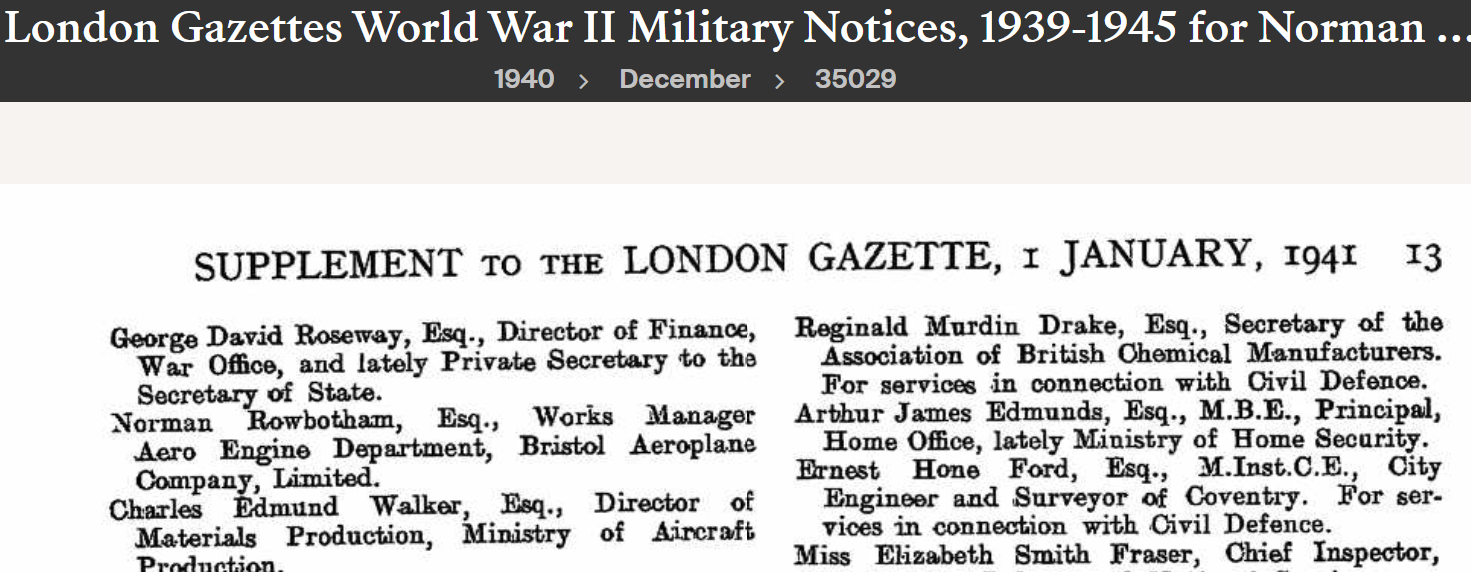
Norman Rowbotham
Born on 14 October 1892 in Aston, Warwickshire, died in July 1964 aged 71 in Bristol.
Major Bullman’s description of Norman: “In Bristol I met Roy Fedden - the great designer of aero-engines - at that time the biggest designer we had, and Norman Rowbotham who was their production manager, I'd known Norman since 1915 when he was in the Aeronautical Inspection Department, who inspected aircraft and engines before they were accepted by the RFC/RAF. He was junior to me at that time and he was a great man. He went off to Paris in about 1919, and became chief engineer of the Gnome le Rhone Company in Paris and then became, really, one of the great people in France. He became a complete Parisian, although he'd been born in Aston, Warwickshire and he still had his Cheshire accent, but in France was absolutely a Parisian. Quite remarkable! In ‘36 knowing that war would be within two or three years, I hoped to bring him back to England, to Bristol.”
During WW2 he became Deputy Director Aeroplane production, RAF
Clifford Taylor
Wyn: "I started to have a lot of fun after Isobel and I split at the very beginning of 1939. It was at this point that I met Clifford Taylor, a fellow car enthusiast and distributor who was to become a life-long friend. For a decade Clifford had owned his own dealership ‘Clifford Taylor Automobiles’ in Bruton Street just off Berkeley Square in London where he sold Mercedes-Benz and Alfa Romeo cars. After the war he became the main UK importer and agent for Mercedes-Benz, and started importing Maseratis and also added Alfa Romeo to his dealership.
Clifford was a great salesman and through him I bought an endless stream of cars. If he had got hold of anything exciting, he would always let me borrow it for a week or so. He was a very large and strong man which he needed to be when he drove for Mercedes before the war. With his supercharged SK500, one needed both legs to push the clutch out and driving in London was not easy. For top speed one had two choices: drive at about 90 mph without the supercharger or about 110 mph with it. When you’d got the accelerator right down you pushed hard on it, and this operated the clutch for the supercharger and off you flew. The car weighed about 2 ¾ tons and driving was exhausting but between the two of us taking it in turns, we managed to have plenty of fun.
I bought a magnificent 8-cylinder Packard Coupe for £180 from him. It was white with red leather upholstery. We drove down to the south of France via the 24 hours Le Mans race, to Juan les Pains where I took a flat. We lived in absolute luxury, always eating in the best restaurants, going water skiing, to night clubs, and for this I had brought just £200 with me which sufficed for over a month! In those days the franc was 180 to the £1 and you could get a bottle of champagne in a night club for 200 francs and a good meal for 15 francs. We were often off on trips abroad together and had some very amusing times. We drove to Brussels on several occasions, down the Moselle getting completely tight on gluhwein, on to Mannheim where I remember a hilarious party with two Germans we’d picked up along the way, on to Heidelberg where we had some trouble with some students in the famous Red Oxen tavern, then back through France. We played golf together every weekend and squash once a week to try to keep fit."
Dick Parry Okeden and Gordy Wentworth
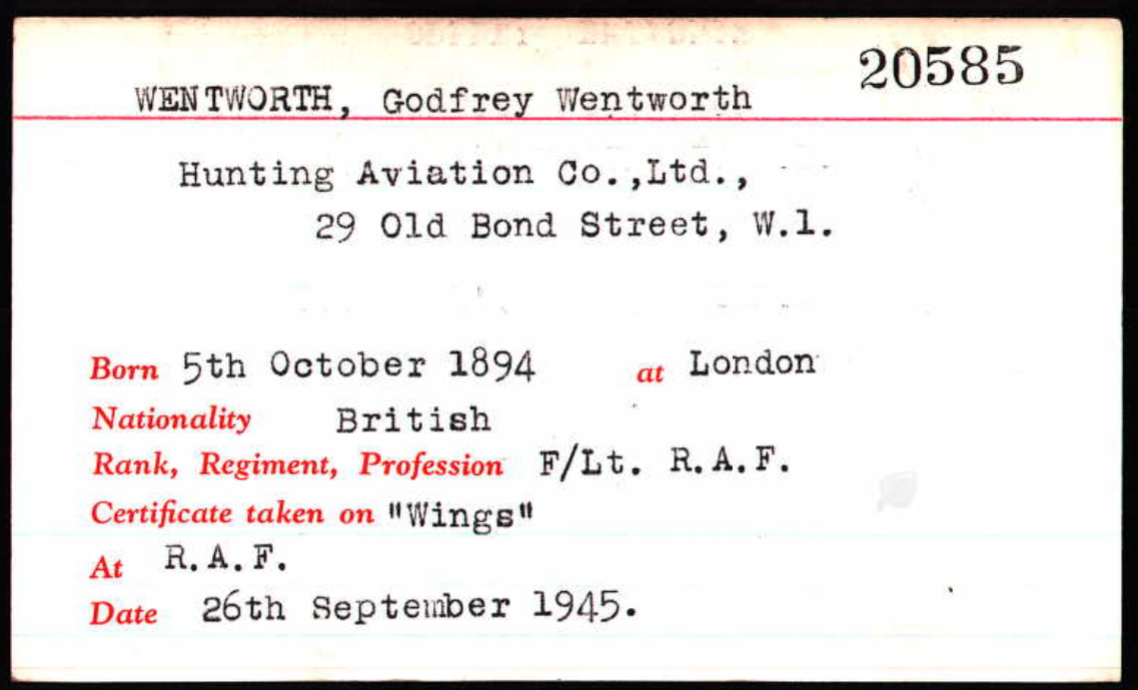
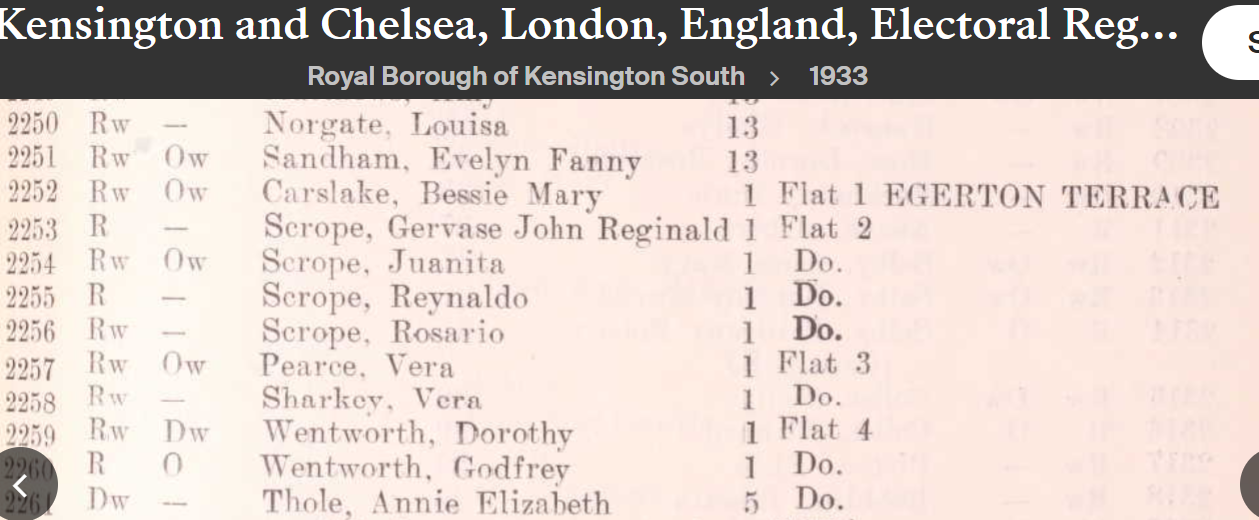
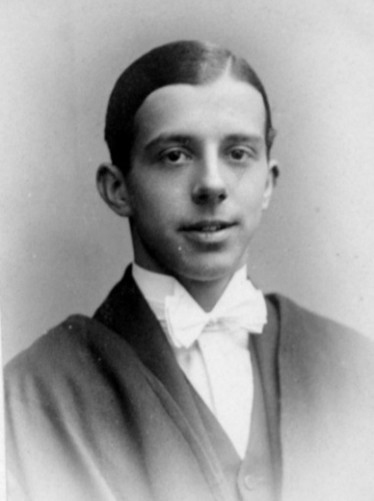
Wyn: "At Eton, we scholars ate all our main meals (breakfast, lunch and supper) in College Hall en masse but Boy’s tea was a far looser affair. Three or four of us would ‘mess’ together (this is the origin of the dessert Eton Mess – an easy tea time treat assembled on the spot) pooling our own supplies of whatever we’d bought from School Stores or been sent from home. This tight knit group was where my closest lifelong friendships were forged. Gordy Wentworth was one of them but my best chum was Dick Parry Okeden who was nine months older than me. He was an excellent orator and writer, eventually becoming Editor of the Chronicle (the school magazine). He also had a fine voice and won many singing competitions. I spent many happy school holidays with him and his family at Turnworth, their very lovely pile not far from Blandford in Dorset.
And then in 1925 when I was in Newcastle, Australia working for the Broken Hill Proprietary Company steel works in the test department, I was invited to join the Newcastle Club which was the best-appointed club in Australia. By extraordinary chance, I met up again with Dick! I hadn’t seen him since leaving Eton and never had I been so glad to reunite with someone. It turned out his Pa and Ma had a few financial problems, and he was unable to go up to Oxford or Cambridge which was their loss – his brain was one of the very sharpest. Through his friendship with another of our great Eton pals Edward Lysaght, Dick joined that family firm in Bristol (they were sheet-steel and galvanized-iron manufacturers) and had just arrived in New South Wales to join their Newcastle Works. He had no background in metallurgy or engineering but that is of no matter; he was soon promoted. He had continued his fly-fishing and shooting quail and playing the piano by ear. He never did learn to read music, but his talents were prodigious. But happiest of all, he was still an ardent motorcyclist and had brought with him from blighty a wonderful Scott water-cooled motorcycle. It was terrific fun!
Meeting up with Dick again has improved my prospects immeasurably as he has an important job and knows everyone. We are sharing a small bachelor flat in the centre of town near the club and the beach. There’s good surfing and a good golf course, so I am really quite happy. The young set here are very nice and cheery and hospitable. We cook for ourselves and make enormous Sunday morning breakfasts of kedgeree for large parties of pals.
And then when I was in Sydney in 1930, I also reunited with Gordy Wentworth. It was Gordy, who had been a Lieutenant in the Norfolk Rifles but was now working in aviation services in Sydney, who made the most auspicious introduction to Charles Kingsford Smith and his flying partner Charlie Ulm. It changed my life completely.
Mervyn Austin and Struan Robertson
Wyn: "It was through Clifford that I came to know a couple of his other pals, Mervyn Austin who also owned an eponymous dealership for Rolls Royce and Austin, and (William) Struan Robertson who was another car salesman and former flatmate of Clifford’s (they shared 9 Reeves Mews off Park Street W1 in 1931). Struan was a very good looking and amusing bloke, and little did I know just how important he would be to me at the end of the war as it was he who introduced me to Christine in the summer of 1945. I lost track of Mervyn during the war and only met up with him much later. He remained a bachelor until he must have been over 63 years old when he married a woman called Hilda to whom I took an immediate dislike. They came to stay with me in France in the late 60s and she was half mad. She accused my maid of stealing her ring which we then found hidden under her pillow! I sent them packing. Poor Mervyn.
As four bachelors, all about the same age and with common interests (fine food and drink, fine cars and especially fine girls) Clifford, Struan, Mervyn and I took on flat 563 in Nell Gwynne House, Chelsea where we lived an exhilarating London life that was one big party in the run up to the war."
Jacques and Anne-Marie Pastoriza and Monty Lyons
In Mougins, close neighbours Jacques and Anne-Marie Pastoriza were often sat at the dinner table, and rumour has it, not just for meals. A plastic surgeon with smouldering good looks married to a sophisticated natural beauty, there were whispers of a few dalliances amongst friends and family over the years; sun, sea, sand and sex just seemed the natural way to go.
Another frequent guest was Wyn’s great friend Monty Lyons who grabbed any opportunity to escape his bachelor pad in Chelsea and visit Vine Lodge. He was a very understated, modest and charming fellow; not what one might expect from a former SOE operative who’d carried out many derring-do missions in Northern Greece during WW2. Wyn often told of how his friend was feted whenever he returned to the region, commonly slapped on the back with gratitude by those with long enough memories before being dragged into a bar for a few (i.e. many) drinks.