Wyn's cars & bikes









.png)









Stories and memories
A passion is sparked
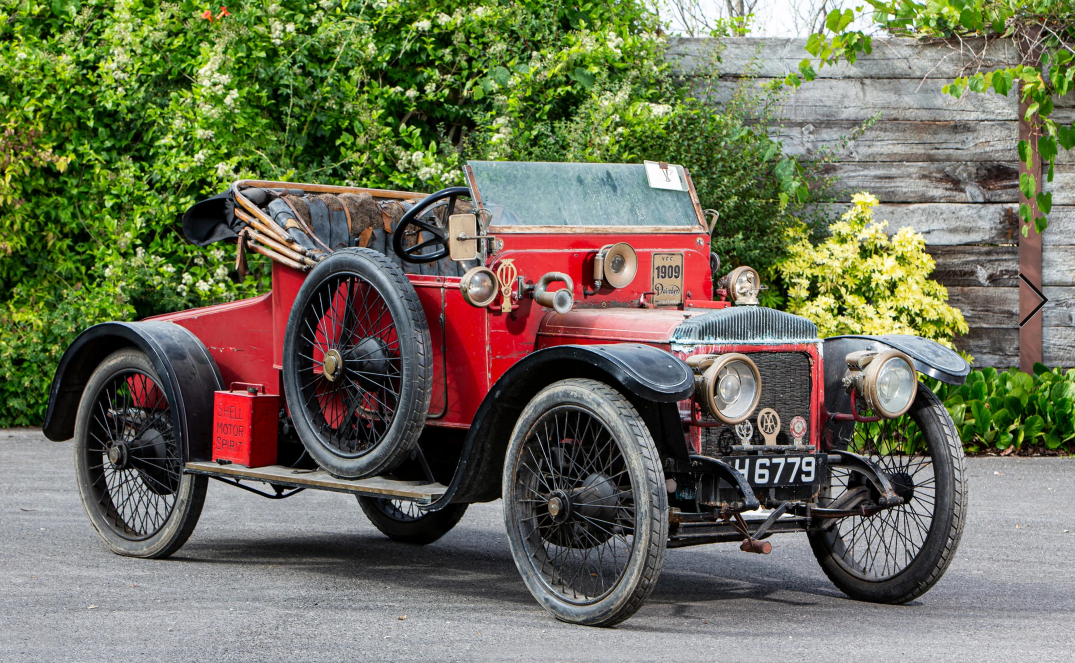
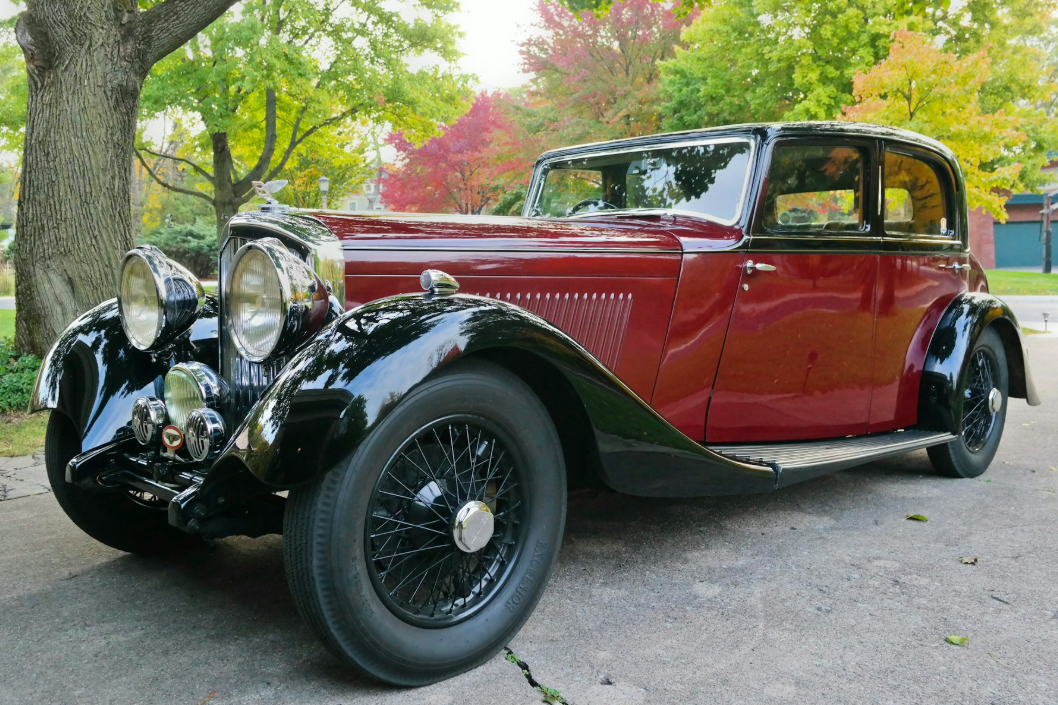
Wyn: "As a small boy, we had two carriages with two horses to pull them that were kept in the mews behind 14 Queen Anne Street in London. They were looked after and driven by our coachman, Chilton. In 1908, and after a lot of financial calculations, Dad came to the conclusion that a motor car would be more serviceable than horses. Having decided to make the change, he didn’t want his pet horses to fall into bad hands, so he decided to send them to the zoo to be slaughtered for exotic animal feed. Chilton was delegated to carry out the task but being the day of the month when they habitually went to be shod, he duly took them to the smith and then on to the zoo after having nice new shoes fitted! Dad then sent Chilton to driving school. He was in fact sent twice to make sure he learnt thoroughly, as on his first solo trip he promptly crashed headlong into the gate post, all the time pulling on the wheel and shouting: “Whoa!” which made this small boy laugh and laugh.
I was eight years old when Dad bought our first car - a Daimler TB22 Drophead with a sleeve valve engine - and cannot adequately describe the frisson of excitement I felt when I first saw it sitting on our driveway. This being what was called a Silent Knight, it had double sleeves i.e. the piston was inside one sleeve which opened the inlet ports which in turn was inside another sleeve which opened the exhaust ports and this in turn was inside the cylinder. Silent perhaps but the friction must have been unimaginable. I learned to drive right then and there, manoeuvring around the yard, and eventually down to the road and back. My lifelong passion for cars, combustion engines and the possibility of speed and adventure was well and truly sparked."
Wyn's first motorbike
Wyn: "Apart from the compulsory classes one could opt for extras, and I was naturally drawn to the School of Mechanics and the School of Woodworking. I think that with the exception of rowing, I spent all my free time in the School of Mechs. Motorbikes were of course prohibited for current use, but the building was suitably placed so one could get out on the back road to Datchet and there were several machines kept and used clandestinely. It was at this time that I got my first - an ARNO bought second hand from my mother’s jeweller Mr Harris. I can’t remember how we managed to get petrol, but we did. I also can’t remember many of its specs, but it drove well, and I remember making disc wheels for it. It was subsequently replaced by a two-speed Enfield with troubling slipping gears which were simply friction bands rather in the old Model T Ford style."
Getting his licence
Wyn: "For the summer of 1915 my mother wanted me out of the way as usual and sent me up to an old friend of hers in Bridlington. It was a summer of learning! I was 14, soon to be 15 in September, and it was there that I really learnt to drive a car properly. My host had a Calcot 10½hp two-seater with dickey (an excellent little car at that time) and a licence was no problem: there was no age limit and no test, just a 5/- fee."
Wyn's introduction to Frazer Nash
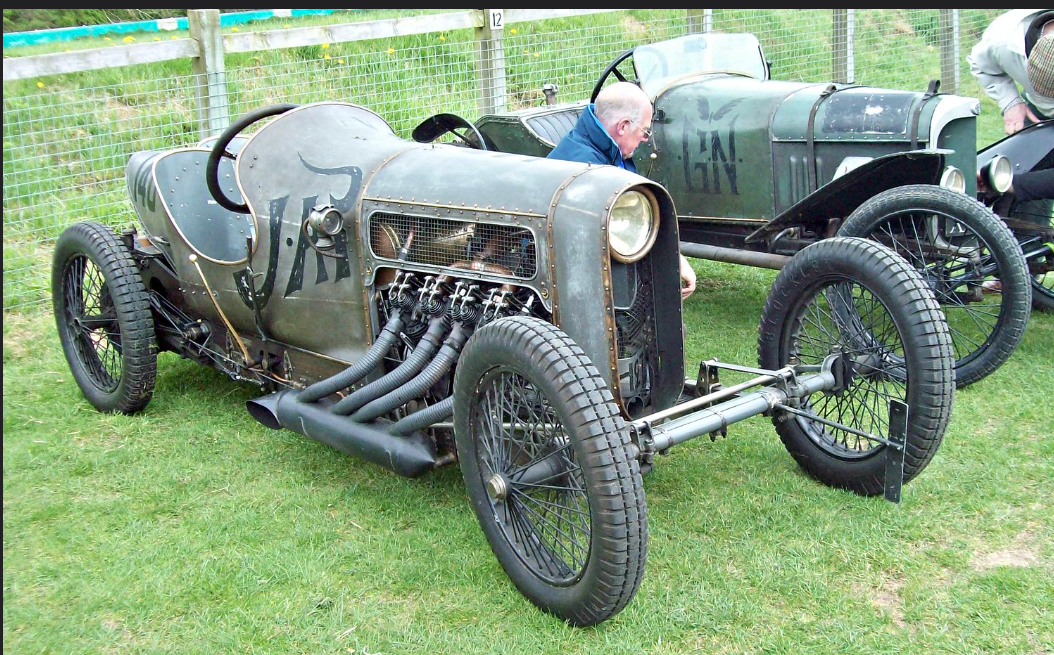
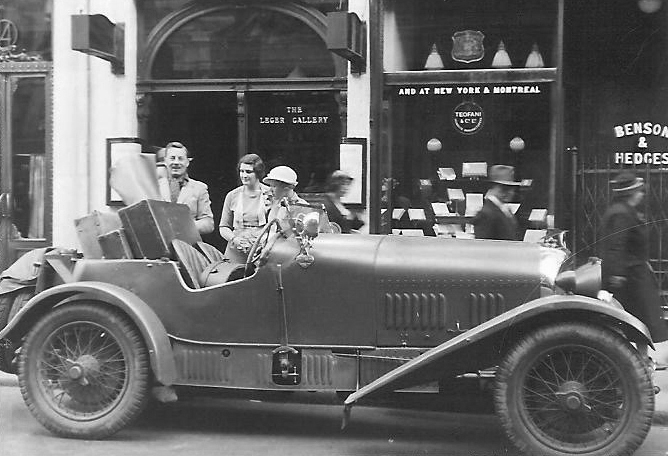
Wyn: "My first memory of my sister's future husband Freddy was when he was back from Mesopotamia, recovering from his wounds and staying in a pub near Paddington Station. He had a GN - a cyclecar made in London between 1910-25 and named after its founders H R Godfrey and Archibald Frazer-Nash. It was an unbelievable contraption. It seated two, one behind the other, was about 2’ 6” wide and had no creature comforts. It had a V air-cooled JAP engine in front (old Morgan style) with a long belt drive to the rear wheels. I remember a clever ditty going about at the time:
Nash and Godfrey hated cogs,
Built a car with chains and dogs.
And it worked, but would it if
They had built it with a diff.
Freddy’s GN was my first introduction to Frazer-Nash’s engineering genius and started my life-long affinity to his marque."
Bikes, bikes, bikes
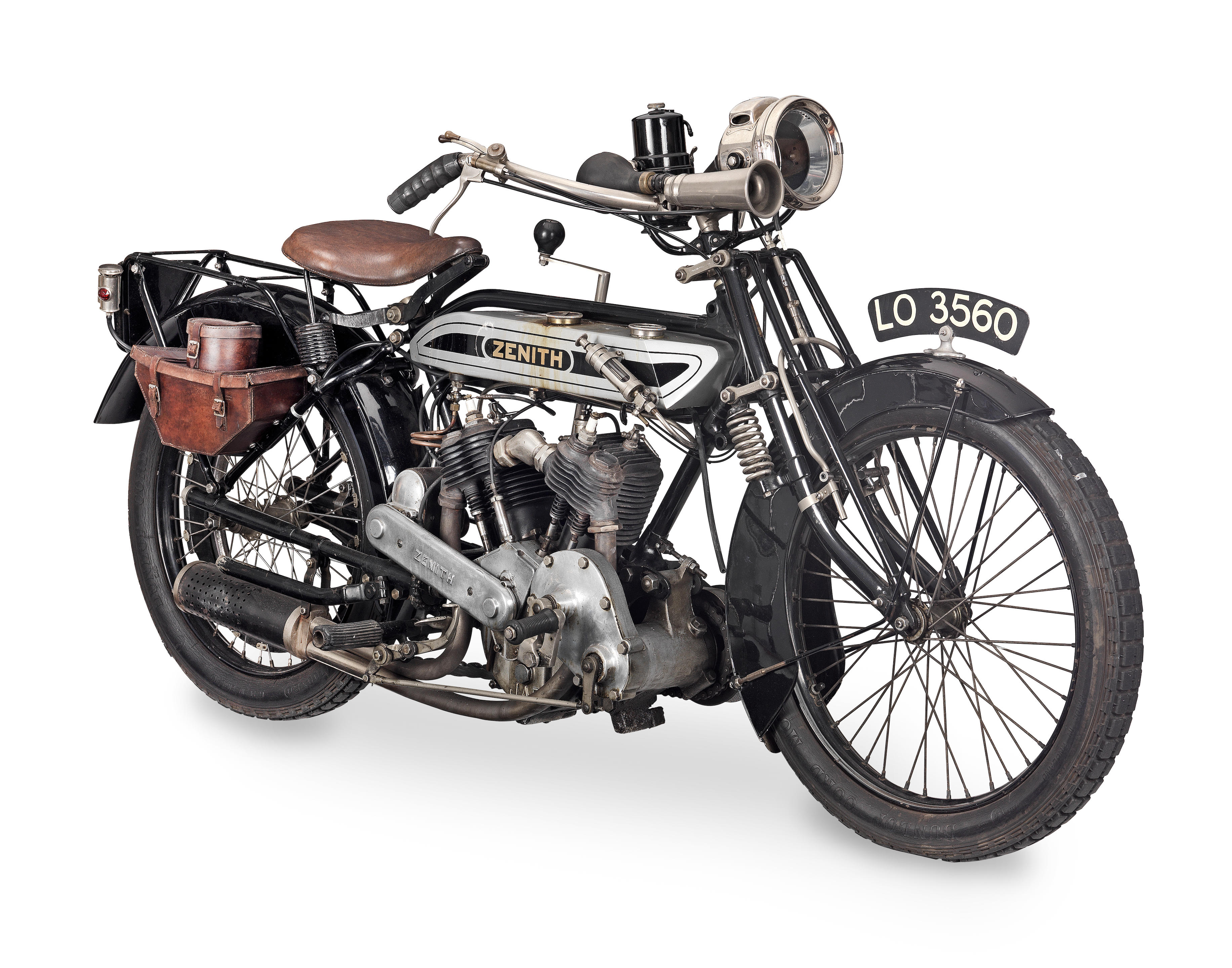
Wyn: "My year at the Mildenhall crammer was enlivened by many fights between the local boys and about a dozen of us students, as well as an affair with the local ironmonger’s daughter, another with the daughter of the local outfitter, and riding down to London on the Norton on Sundays to see a hostess from the Hammersmith Palais de Danse with whom I had formed an attachment. The Norton was replaced by a twin Indian and this was replaced by a Zenith Multi - the most uncontrollable and frightening machine I ever owned. Belt driven with a variable pulley in front of the engine which in turn was chain driven by a 10 HP JAP Twin. The whole outfit was much longer than a normal motorbike and extremely liable to speed wobble. I came off several times before I got rid of it. I’m not sure that Nigel didn’t at some time come across one and suffer the same fate as me."
Ritz
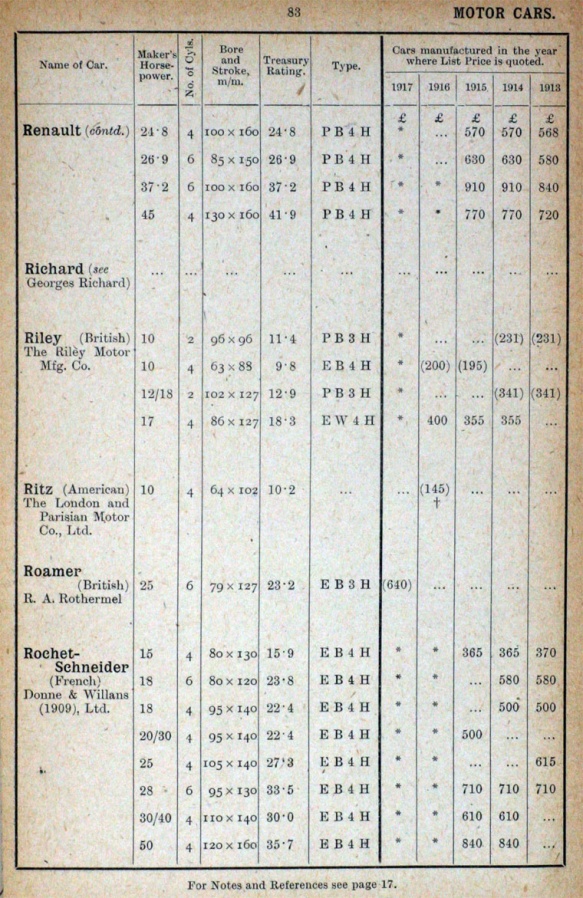
Wyn: "In 1922 when I was still a cadet, I acquired my first motor car, a 1915 second hand Ritz. It was a bit of an oddity, made by a fledgling American manufacturer who only lasted a couple of years. It ran well enough, and I was always driving up to town for some evening amusement with Eileen, sneaking into the house when our mothers were long retired to bed, and then back to Aldershot in time for the morning parade."
Sydney toys
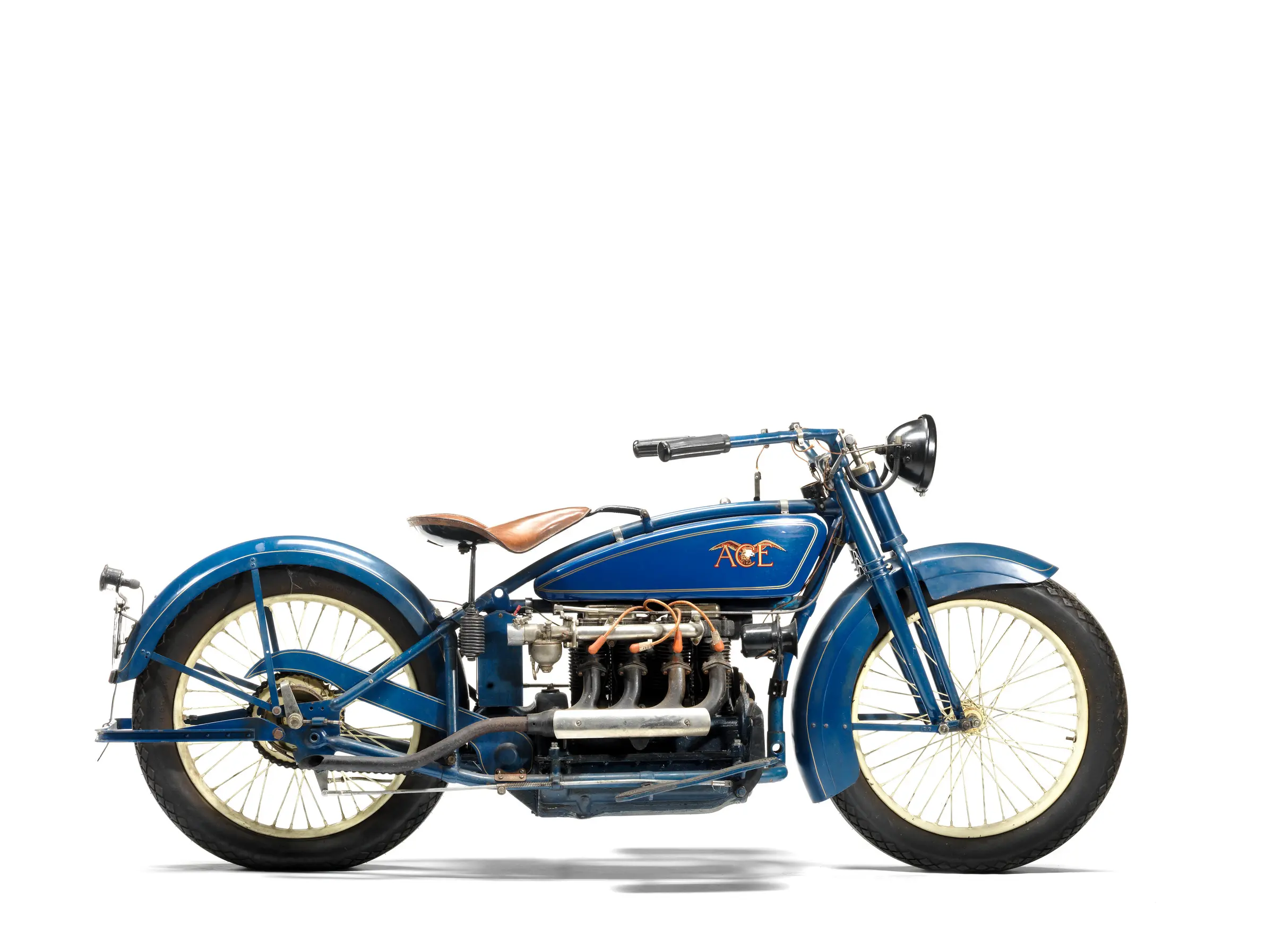
Wyn: "I got promoted to one of the most coveted jobs in the Test House as helper on the open-hearth floor. It was bloody hard shift work and at times a bit dangerous, but it was very well paid. I think I earned £11 a week at the end of 1925 and at the time, living was cheap in Australia. I could afford a series of motor bikes. First was an Indian Scout, a very modern twin cylinder. Then a Henderson, a 4 cylinder in-line shaft driven machine and after that an Ace, also a 4 cylinder in-line. These were very good but due to the gyroscopic effect of a long engine, quick turns out of a straight line at speed were more or less impossible. I took my life in my hands every time I climbed aboard but I secretly enjoyed that aspect!
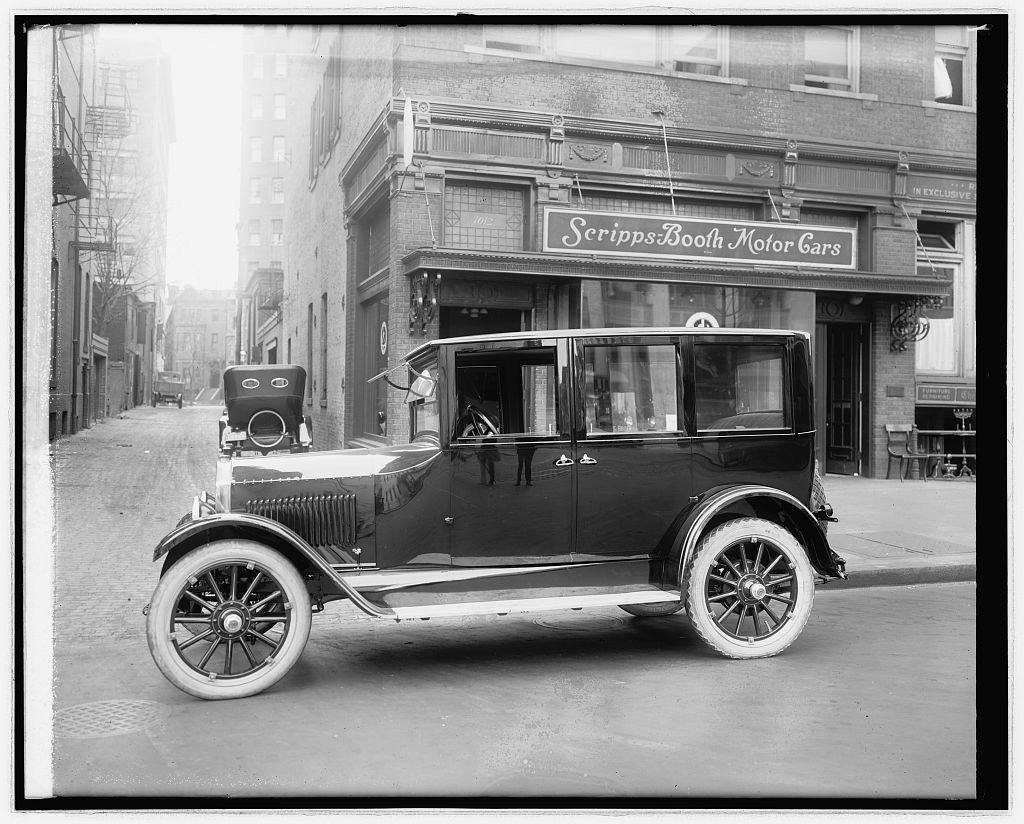
I also had a number of cars while I was in Newcastle including a Scripps-Booth on which I rebuilt the body using a Model T Ford, but motor bikes were the best fun. To get to the steelworks there was a tram line which ran over an open bit of land. The tram lines were the usual type with a groove in the top and were not sunk in the earth as they were in the town but were on sleepers like railway lines. All the motor bike blokes, me included, used to ride along the rail. It was a very smooth ride, and I think I only came off once. This was on a set of points in the town when I was carrying a set of golf clubs!
Later on, my passion for automotive engineering took hold and I worked for a time as a mechanic on Reo Trucks. I also worked in a Ford garage which did overhauls. The price to a customer for a decarbonising job, valve grind, tune up of the four ignition coils and distributor, and cleaning of the carburettor was 17s/6d and for this we were allowed 1 ½ hours to complete it. With practice one managed to get it done and the necessary time management and focus would prove very useful experience for future endeavours and hobbies. I graduated from that to selling Model A Fords which had just come out to supersede the old Model T. I had a Model T myself with which I reckoned I could beat any other car in traffic. Using both the foot brake and the reversing foot pedal at the same time one had better than four-wheel hydraulic brakes. In addition, one sat very high up and could see the edges of the fenders which made close driving easy.
I also drove a yellow taxicab for a time and then took on a garage, just for housing cars without repairs other than very simple ones, and washing and polishing. I met a talented young man there to whom I eventually gave a job when I was at Imperial Airways years later in which he did very well. His name was Geoff Wikner and he had bought a Willys chassis and then designed and built a really attractive coupe around it. He brought it into the garage to store. He had no fear of it being stolen as he had a tame boa constrictor - one about 10’ long – that lived on the back seat. It was quite harmless even though it had a tendency to wrap itself round one’s neck. Its shit smelled like billy-o though, and pervaded the whole garage."
Rallying
With money and time to spare in the early 50s, Wyn decided to indulge his love of cars and driving more seriously. He’d always raced against his friends for fun, but he wanted to prove his skills in a truly competitive field. His only previous and frankly, ignominious endeavour was the time he gave the annual speed trials in Brighton a go and entered a class with the stipulated engine size that matched his car. He won so easily that the stewards stroked their chins in wonder and questioned the result. They opened his car bonnet, dug around a bit and discovered a doctored, far superior engine than the one he’d declared. He was immediately disqualified and banned from all future races.
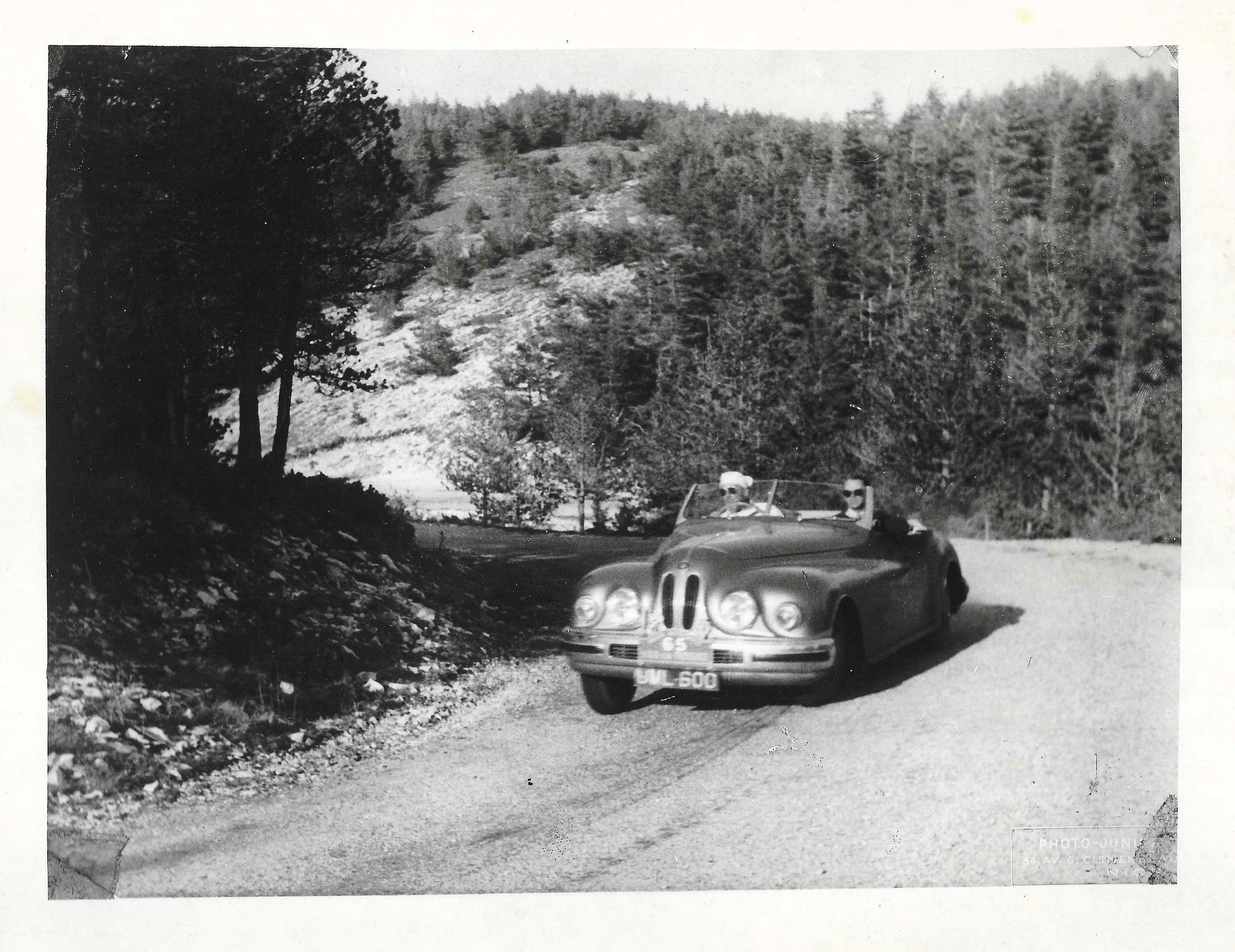
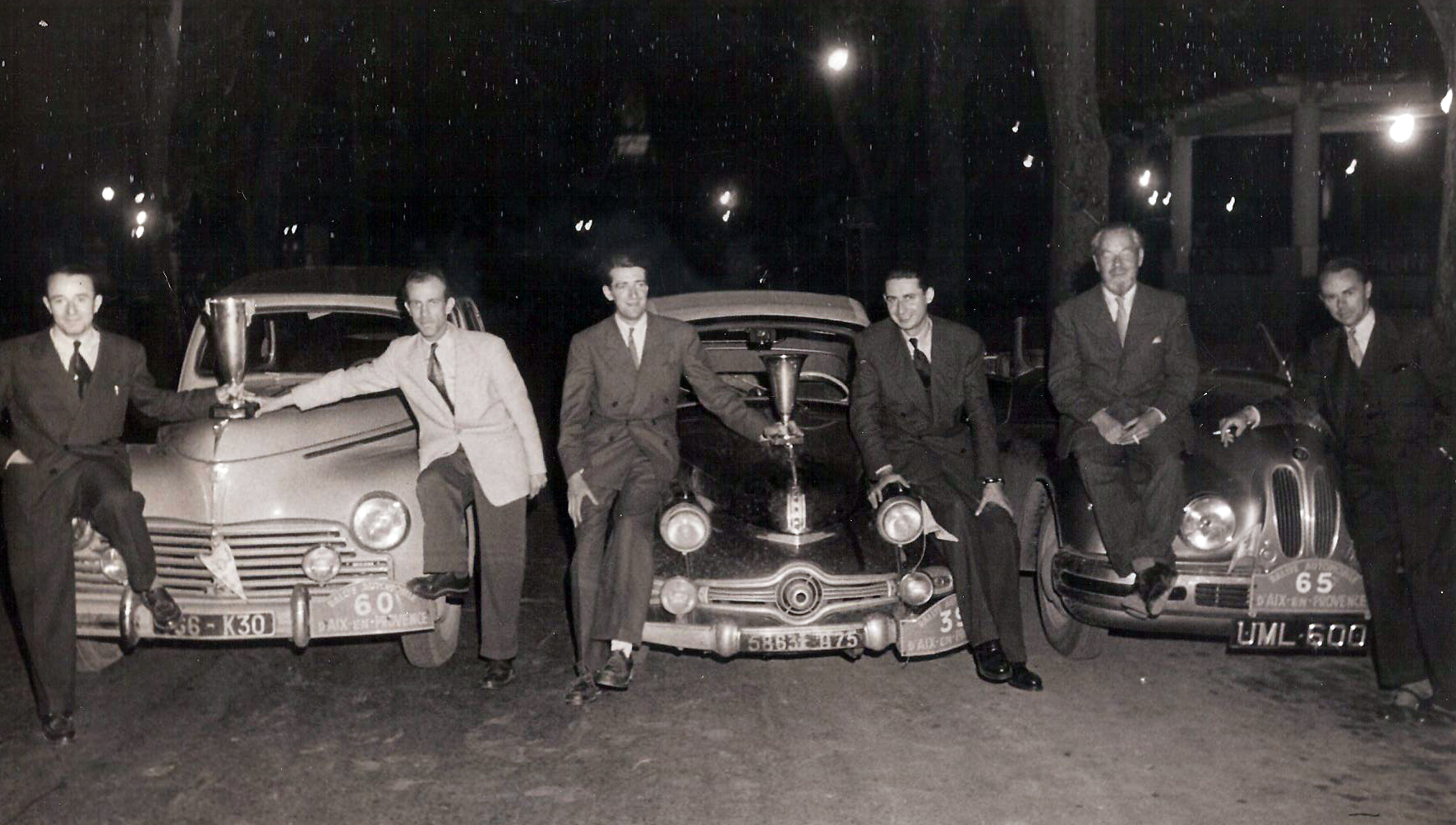
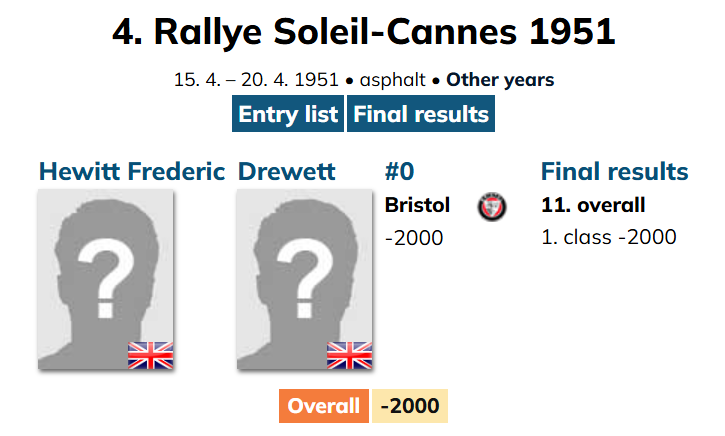
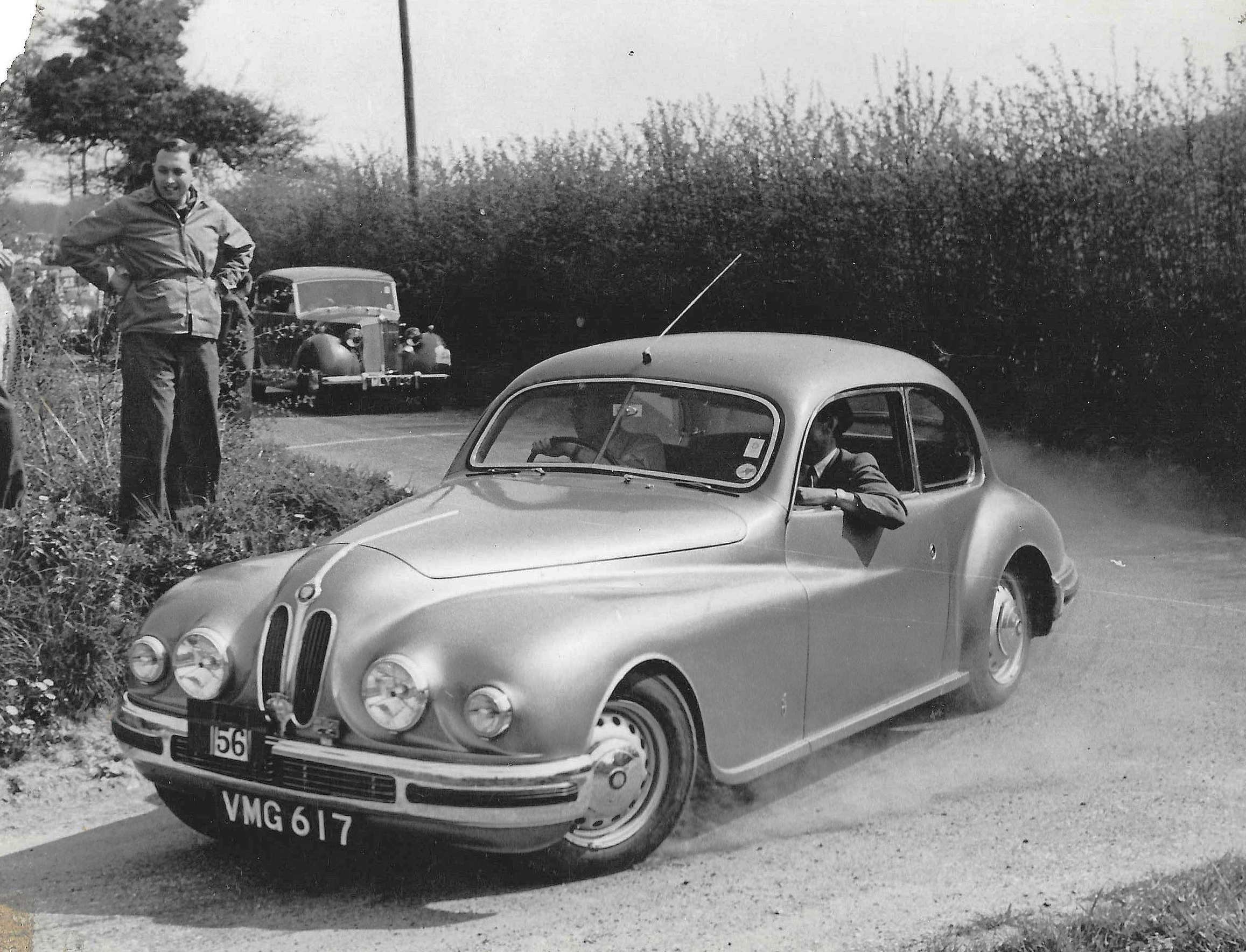
Rallying was high-octane fun and totally frivolous really. Post-war life was for living again and Wyn loved every minute of it. Jack was cut of the same expensive cloth and had done some pre-war racing before they met, mainly at Brooklands in an Austin Seven. Together they decided to team up and have a go at a few of the big international events held in France but first they’d need a suitable set of wheels. Jack owned a Bristol 402 registration UML 600 in which they decided to try their luck with Wyn in the driver’s seat and Jack as co-pilot. They entered the 1951 Rallye Soleil-Cannes 15-20 April and achieved a very respectable debut result of 11th overall. With their addiction spiked, they hoped to go bigger and better in their next competition which was only a month away.
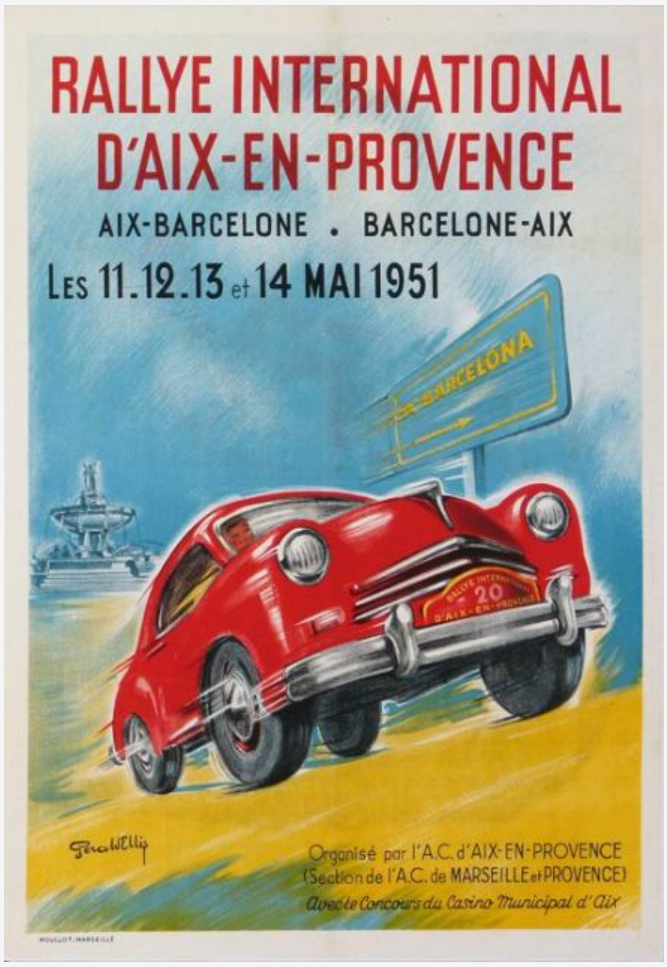
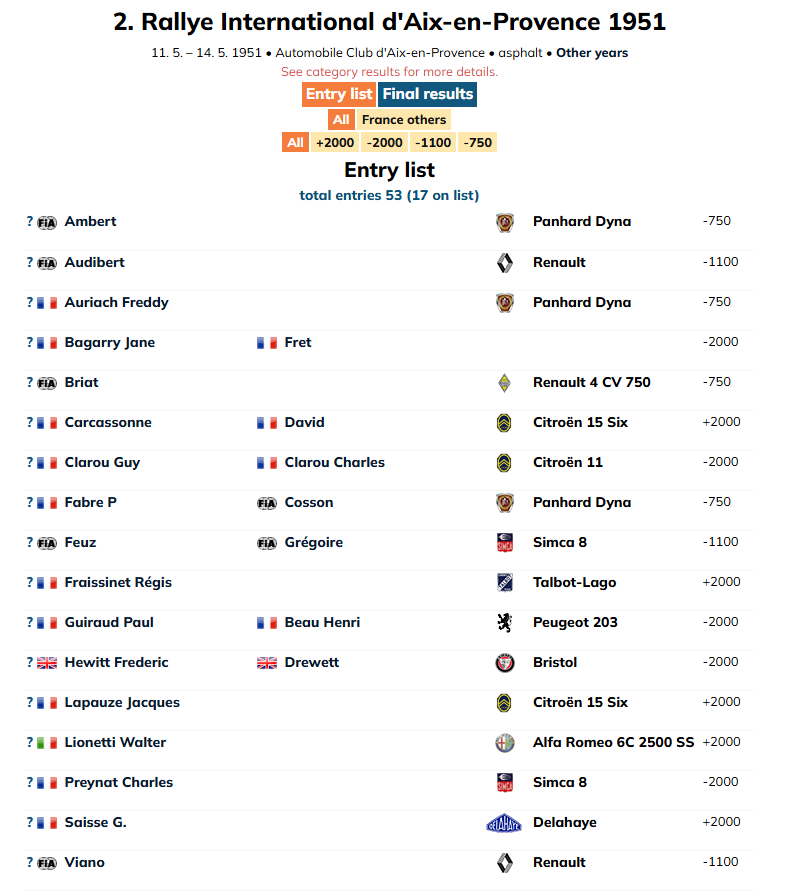
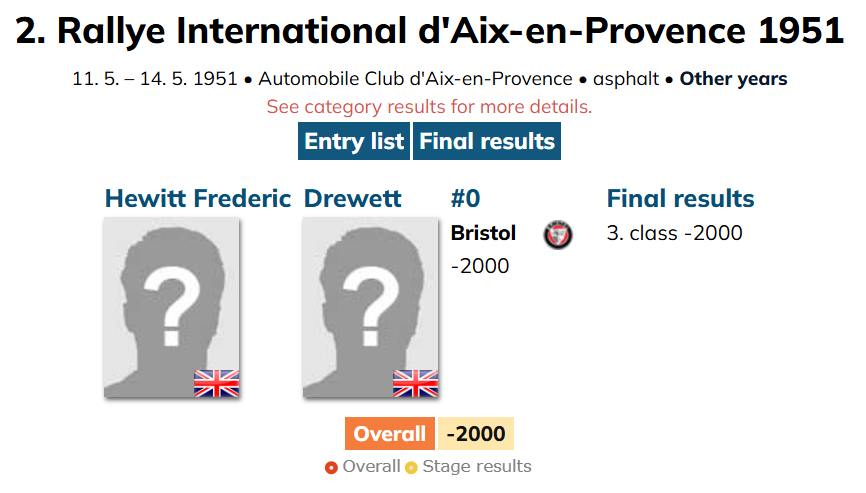
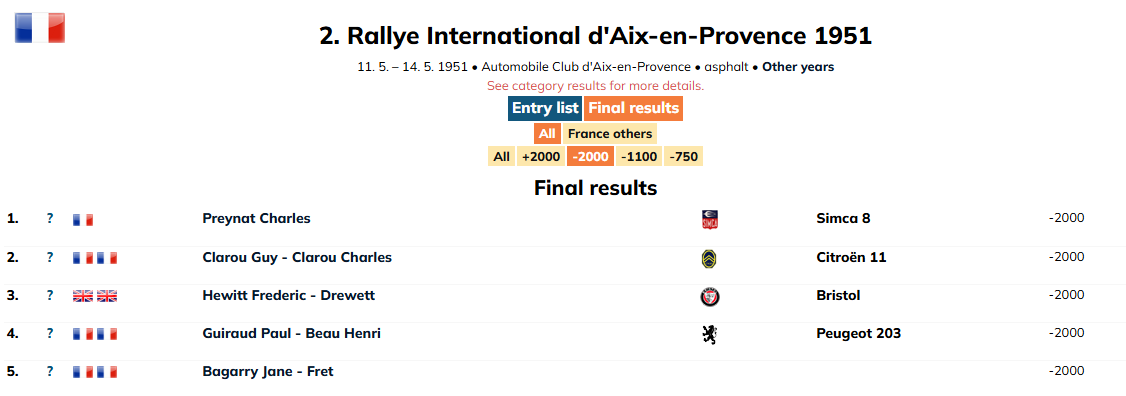
The 1951 Rallye International d'Aix-en-Provence 11-14 May was organised by the local automobile club and took place in the Bouches-du-Rhône department of south-eastern France. In car number 65 Wyn and Jack performed well, coming third overall. Being the only non-natives to appear in the top five piqued Wyn’s sense of national pride and a certain amount of smugness.
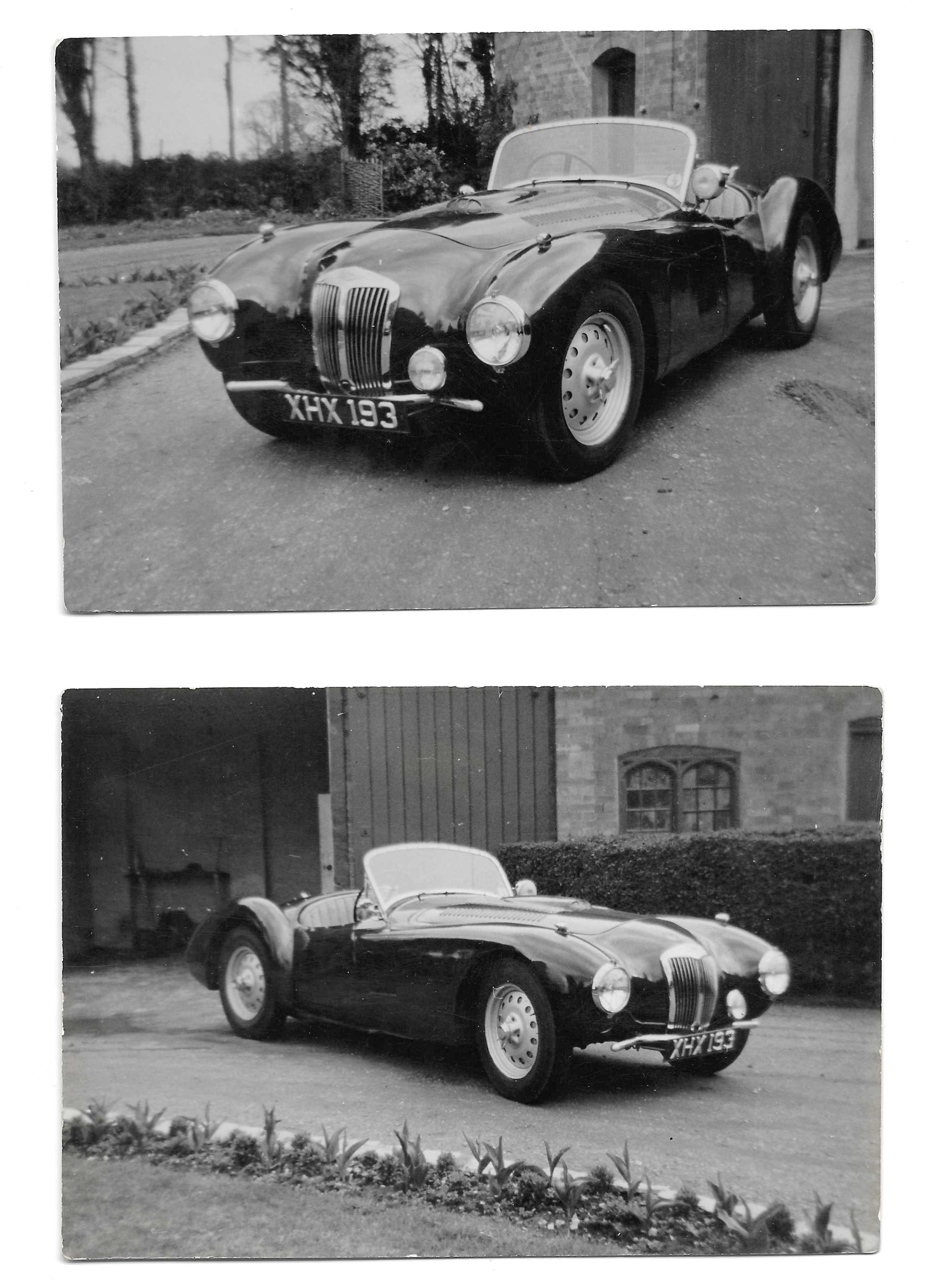
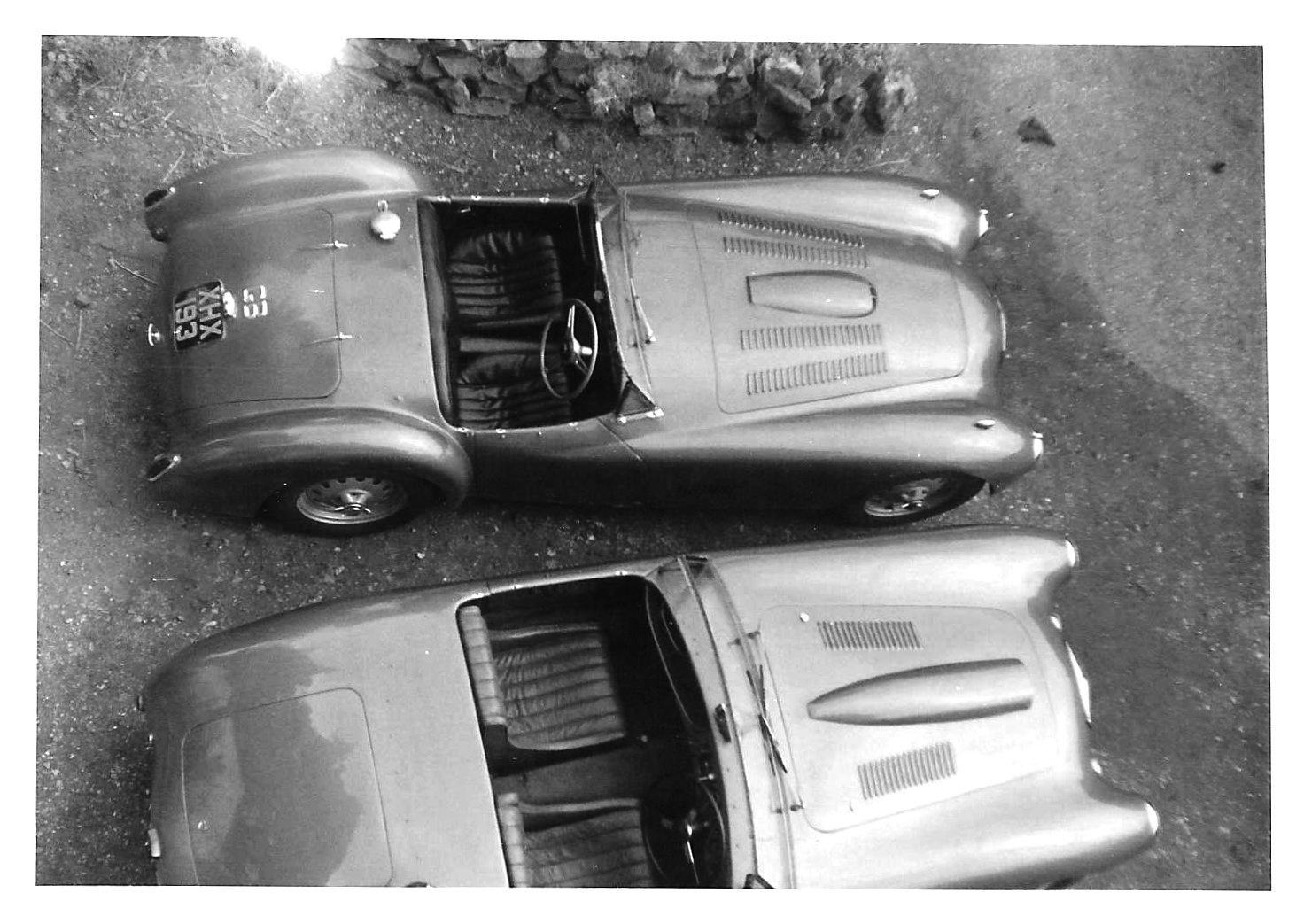
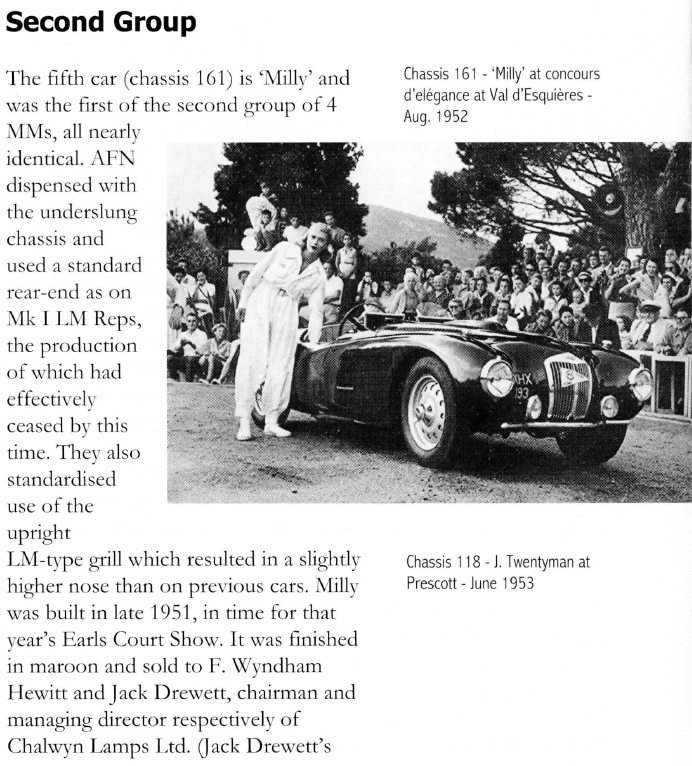
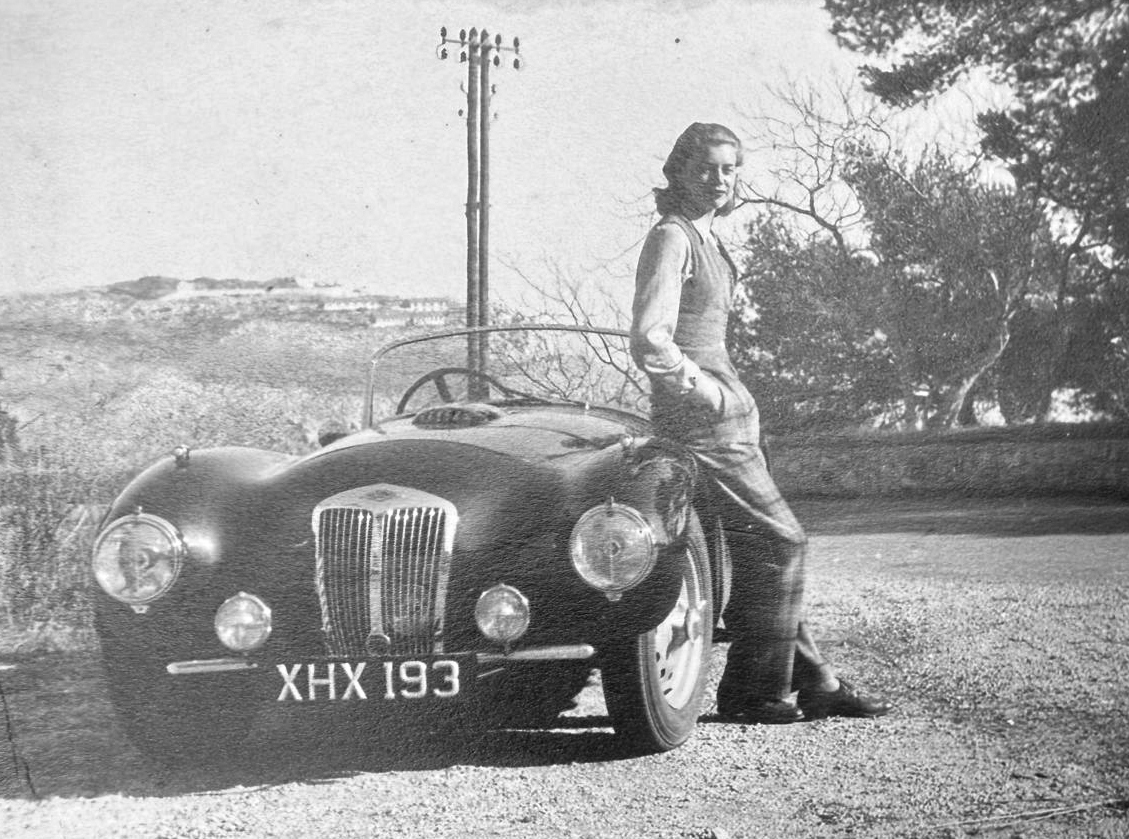
Frazer Nash Mille Miglia XHX 193
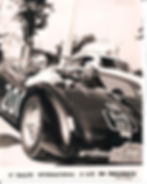
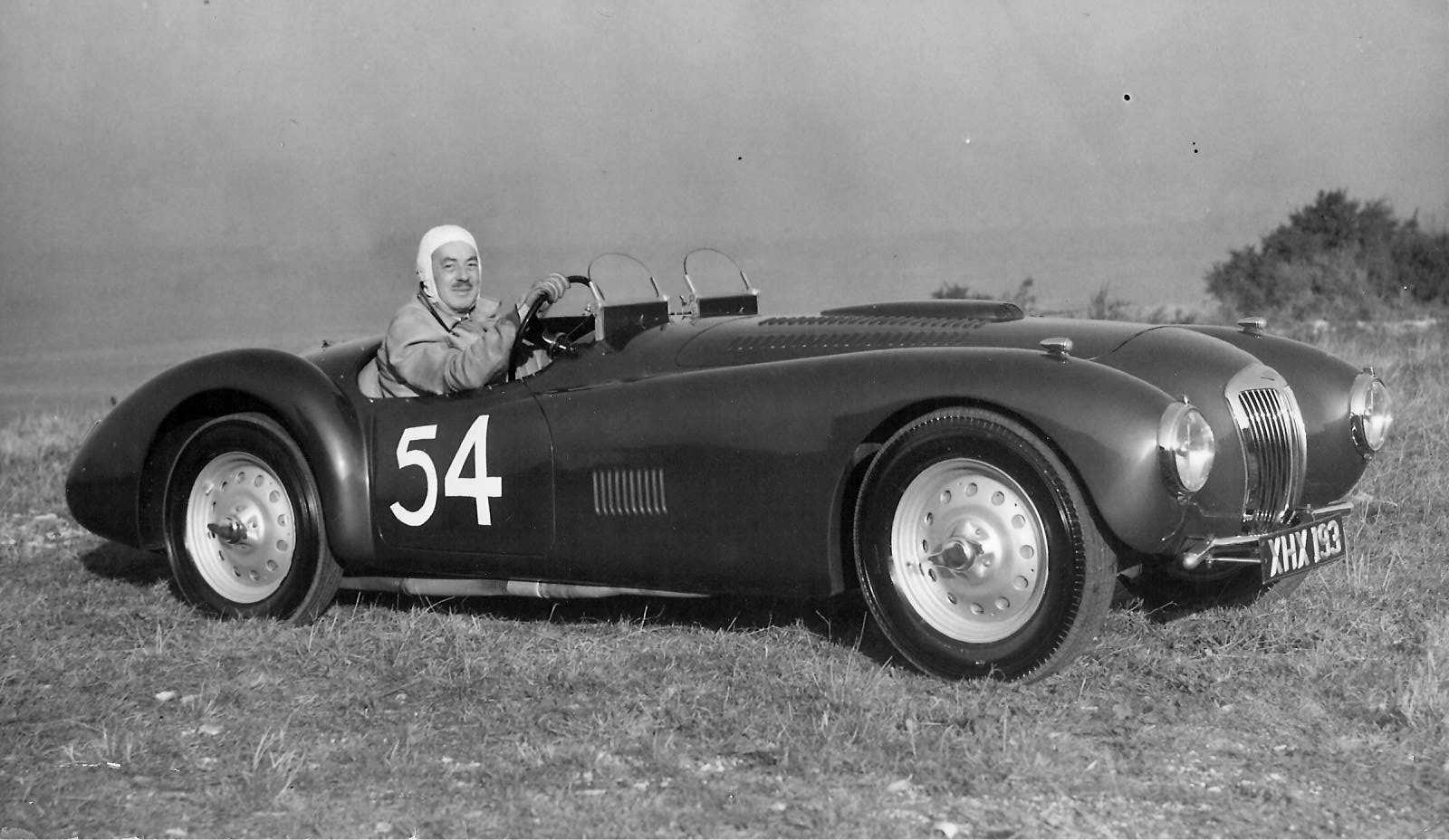
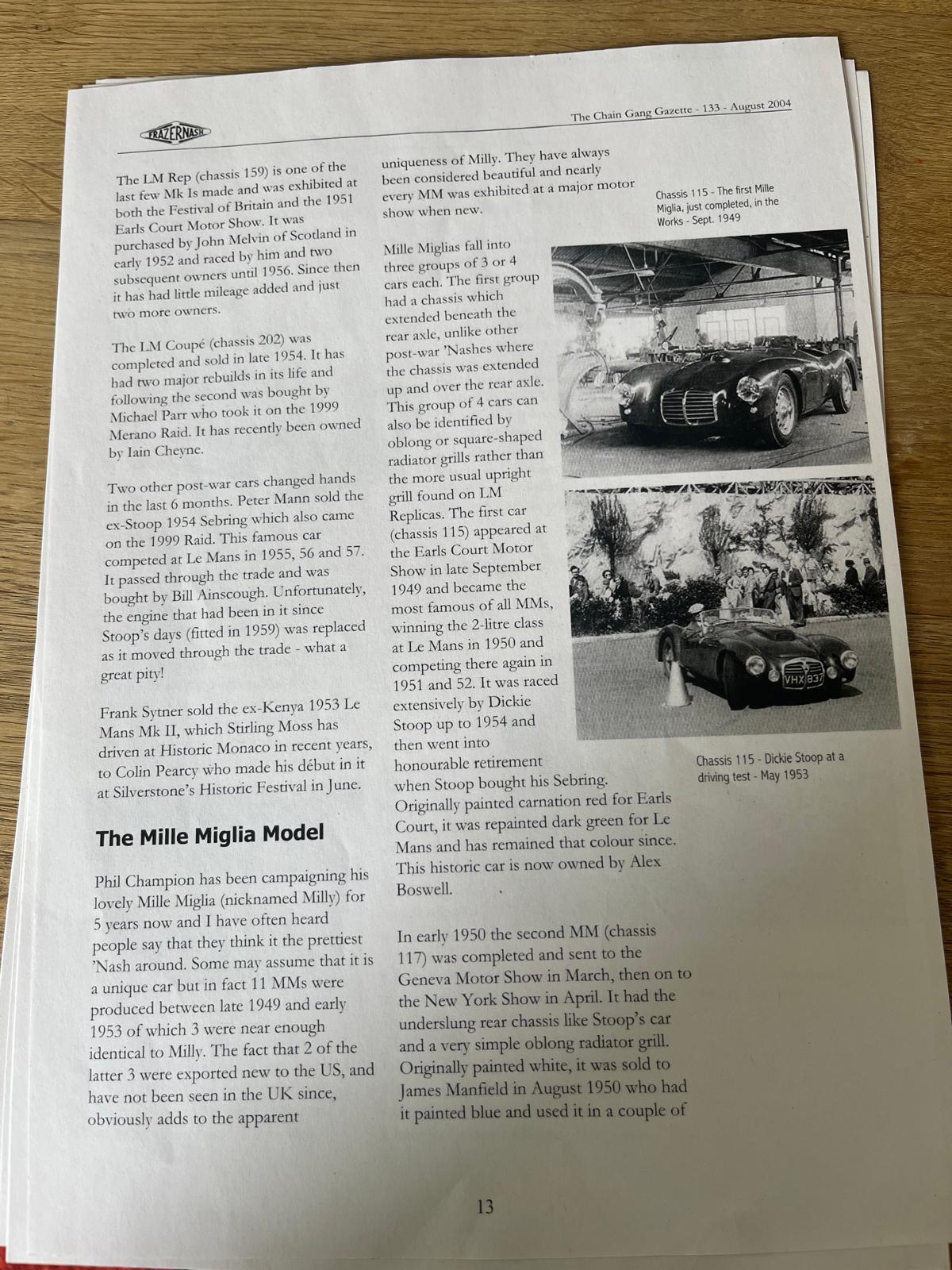
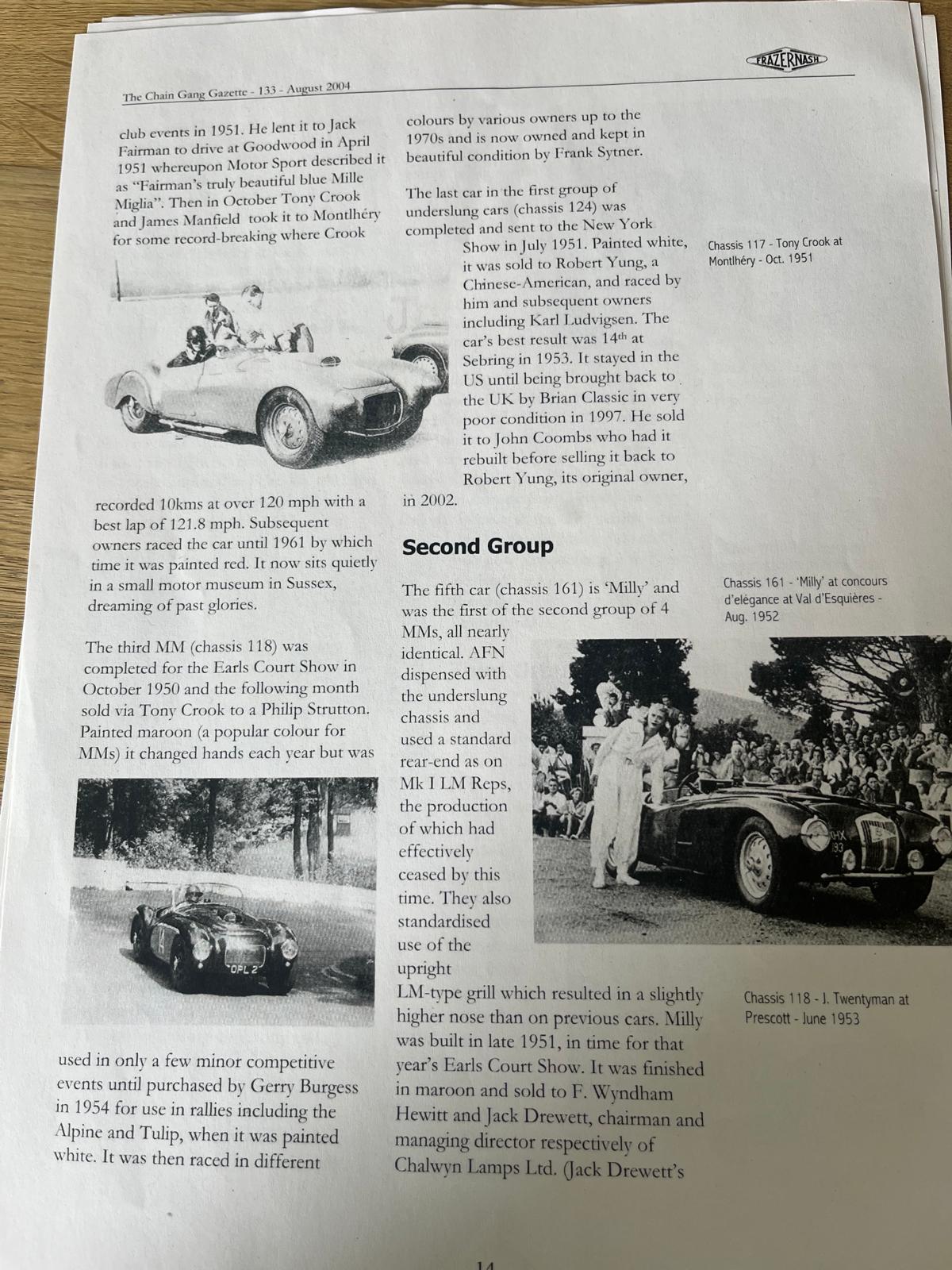
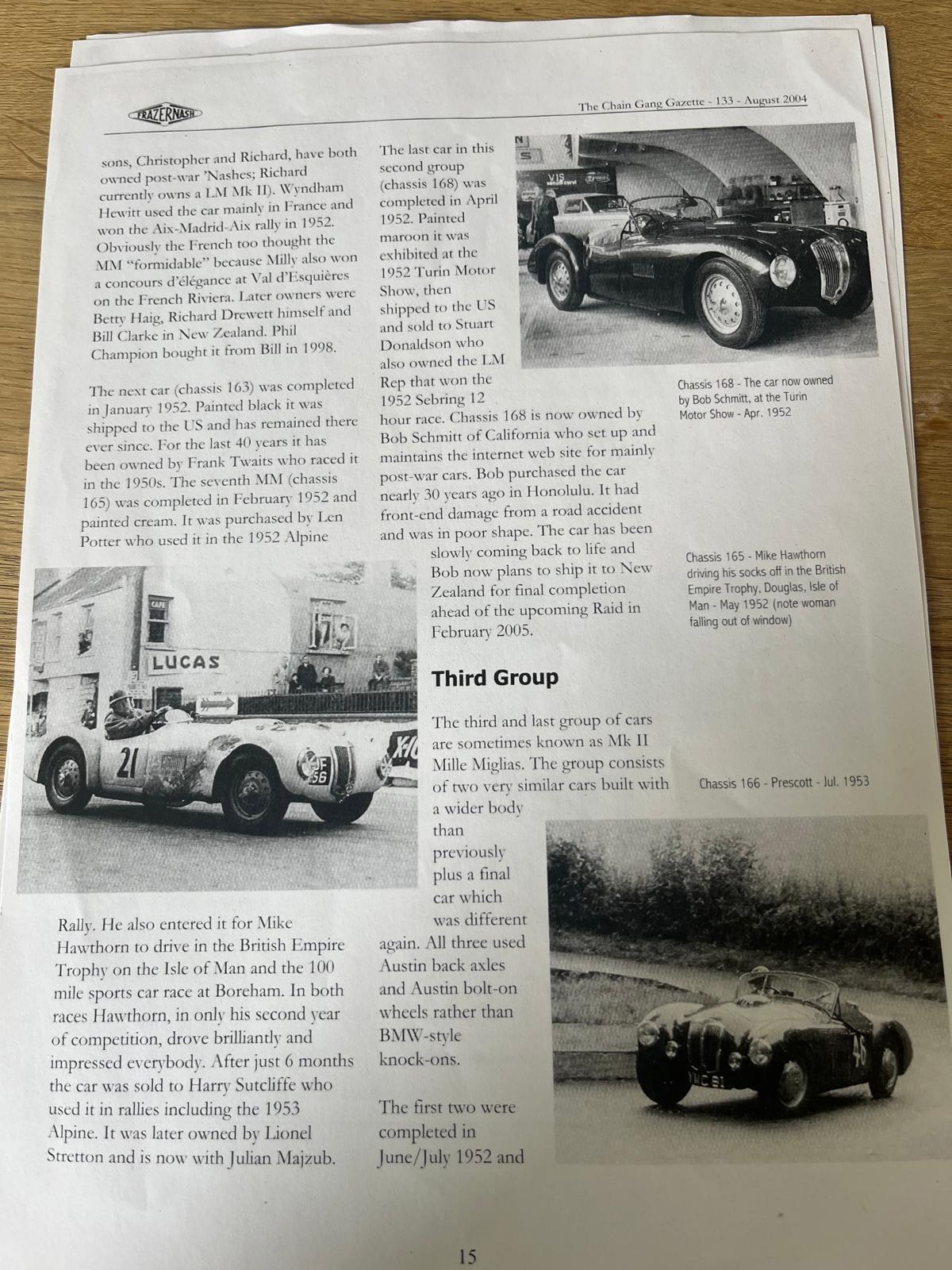
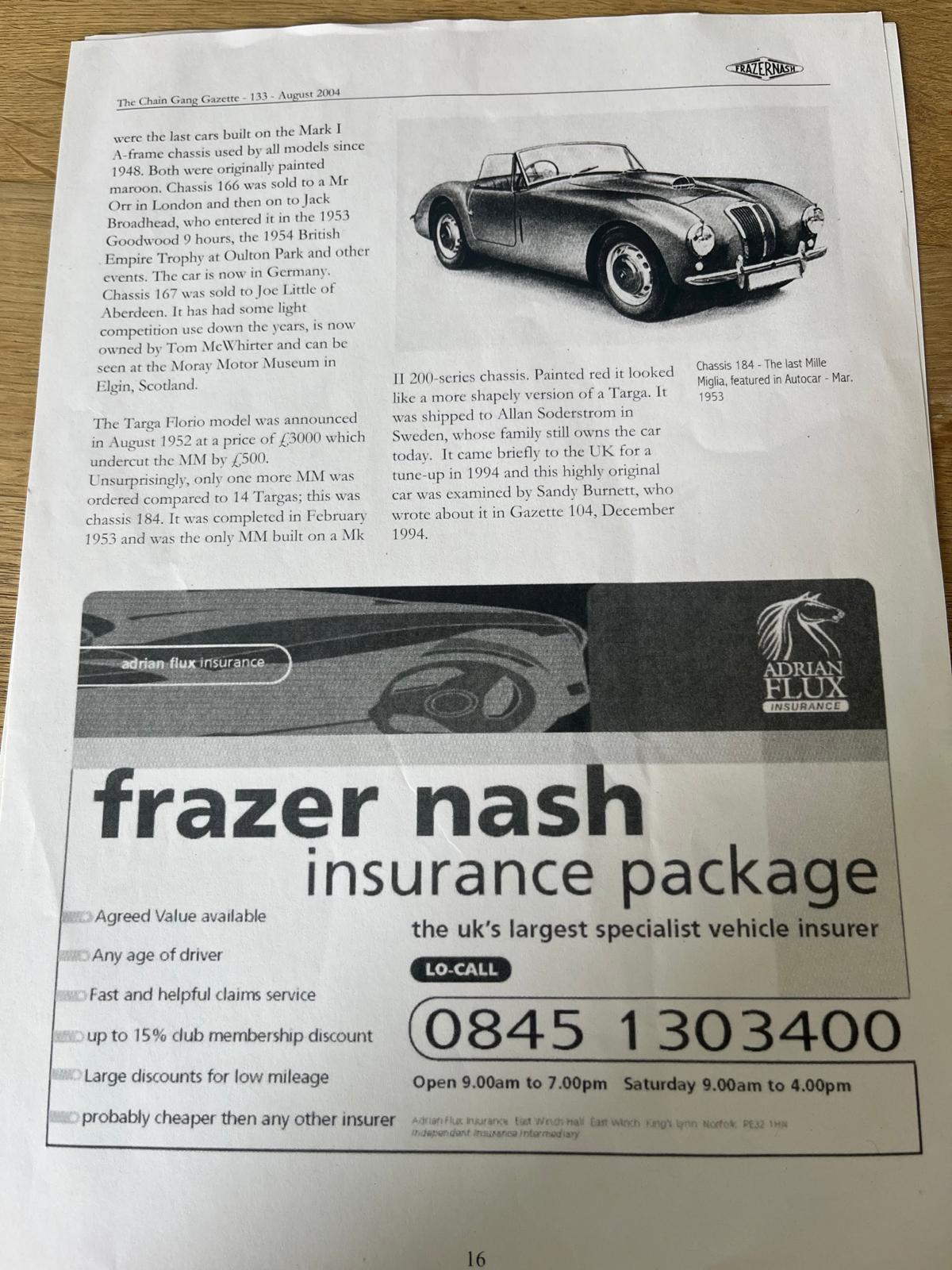
Wyn’s first FN was a maroon Mille Miglia XHX 193 designed by Fritz Fiedler (former chief engineer at BMW during the 1930s) with the newly adopted 1971cc S6 OHV Production 11 Engine, chassis number 421/100/161 and production number FNS 1/36. He and Jack coveted her at first sight when they visited the 1951 Earls Court Motor Show and bought her on behalf of Chalwyn Lamps Ltd for ‘Director’s use’ in November for just under £2,000 (approximately £70k today). Only eleven were produced between late 1949 and early 1953 and Wyn’s was the fifth, nicknamed 'Milly' by FN (although Christine called her Jezebel as she was power-hungry and a bit of a handful). It was the first of the second group of four Mille Miglias the Works produced which were all nearly identical. FN dispensed with the underslung chassis and used a standard rear-end seen on the MK1 Le Mans Replicas which weren’t being produced anymore. They also standardised use of the upright Le Mans-type grill which resulted in a slightly higher nose than on previous cars.
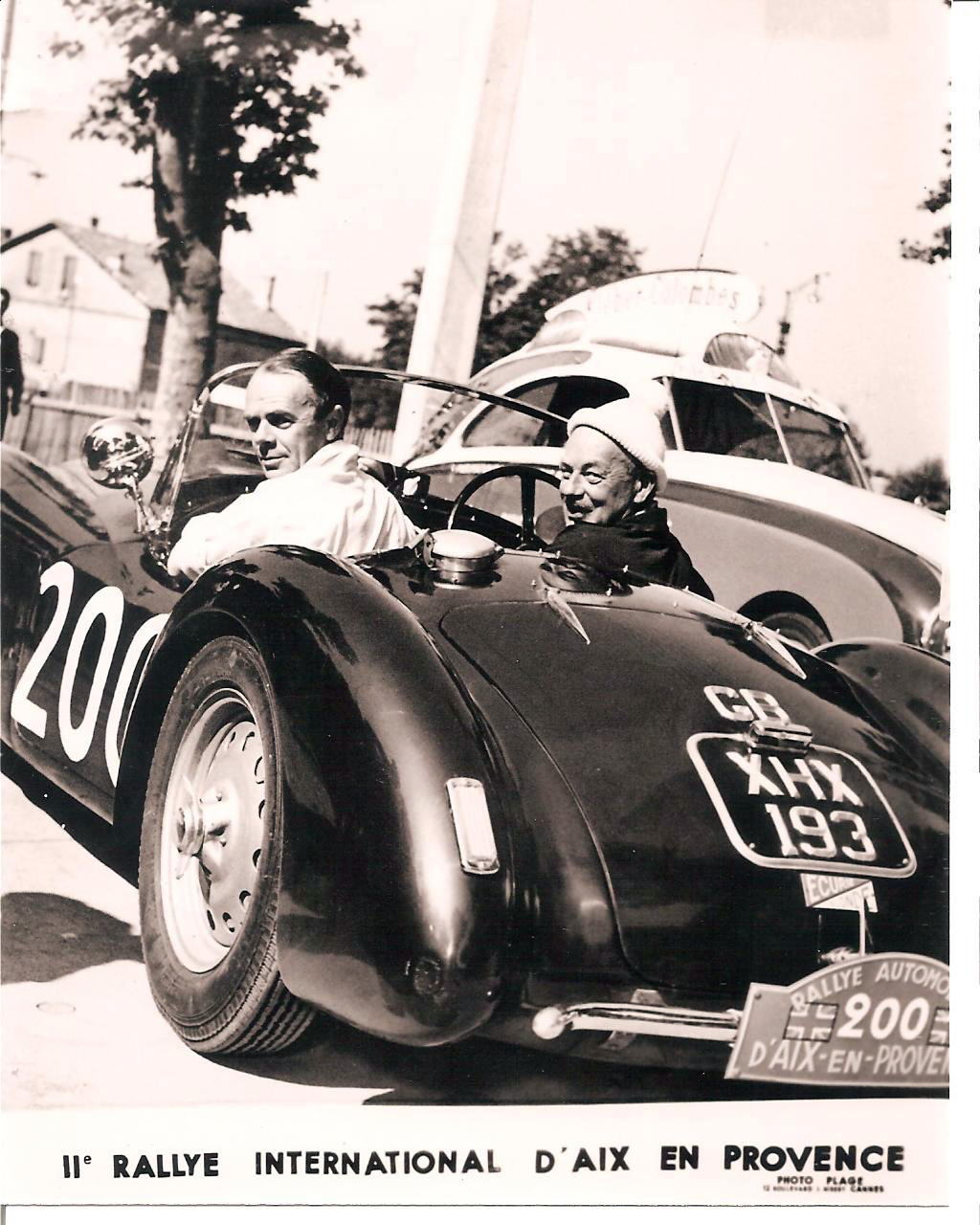
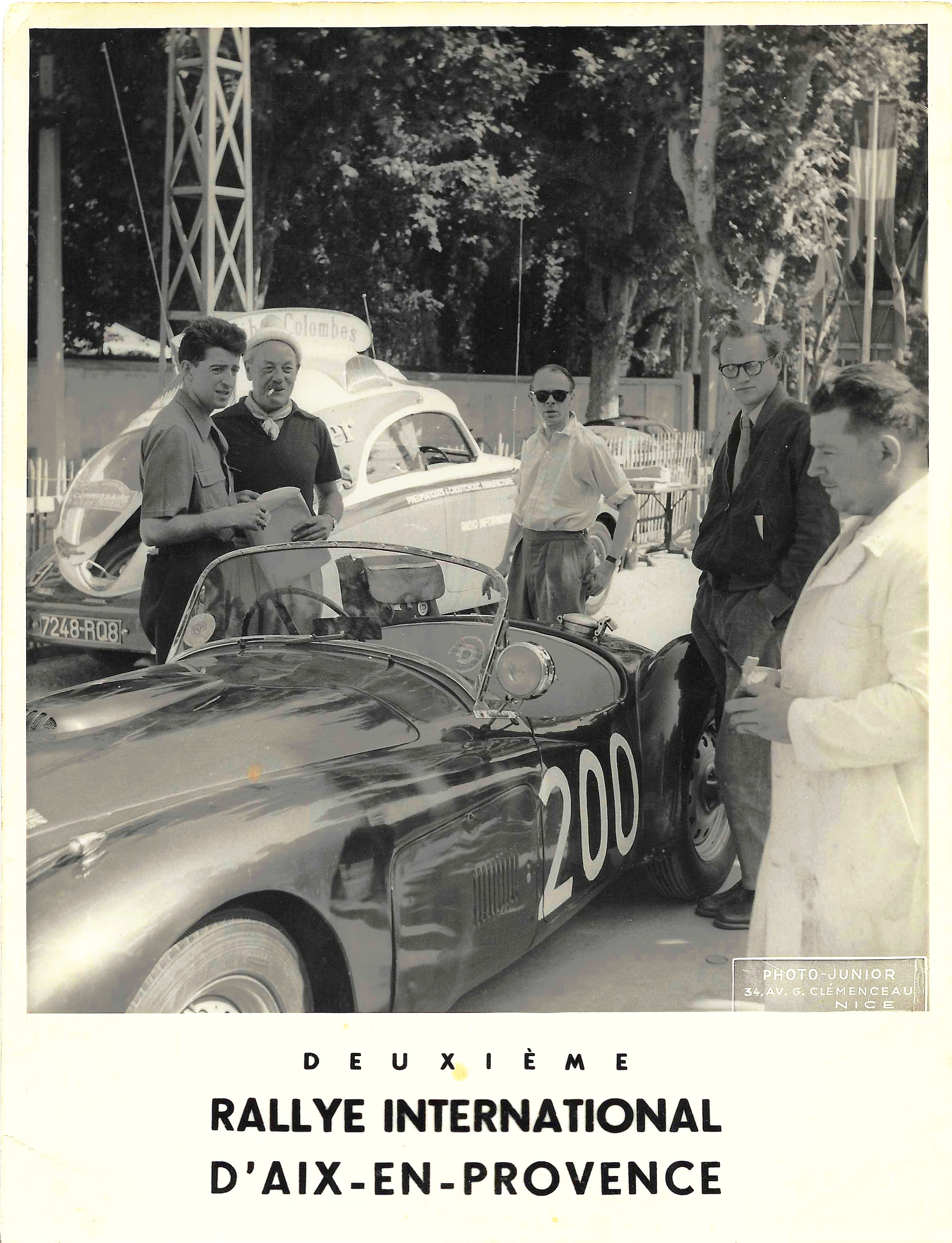
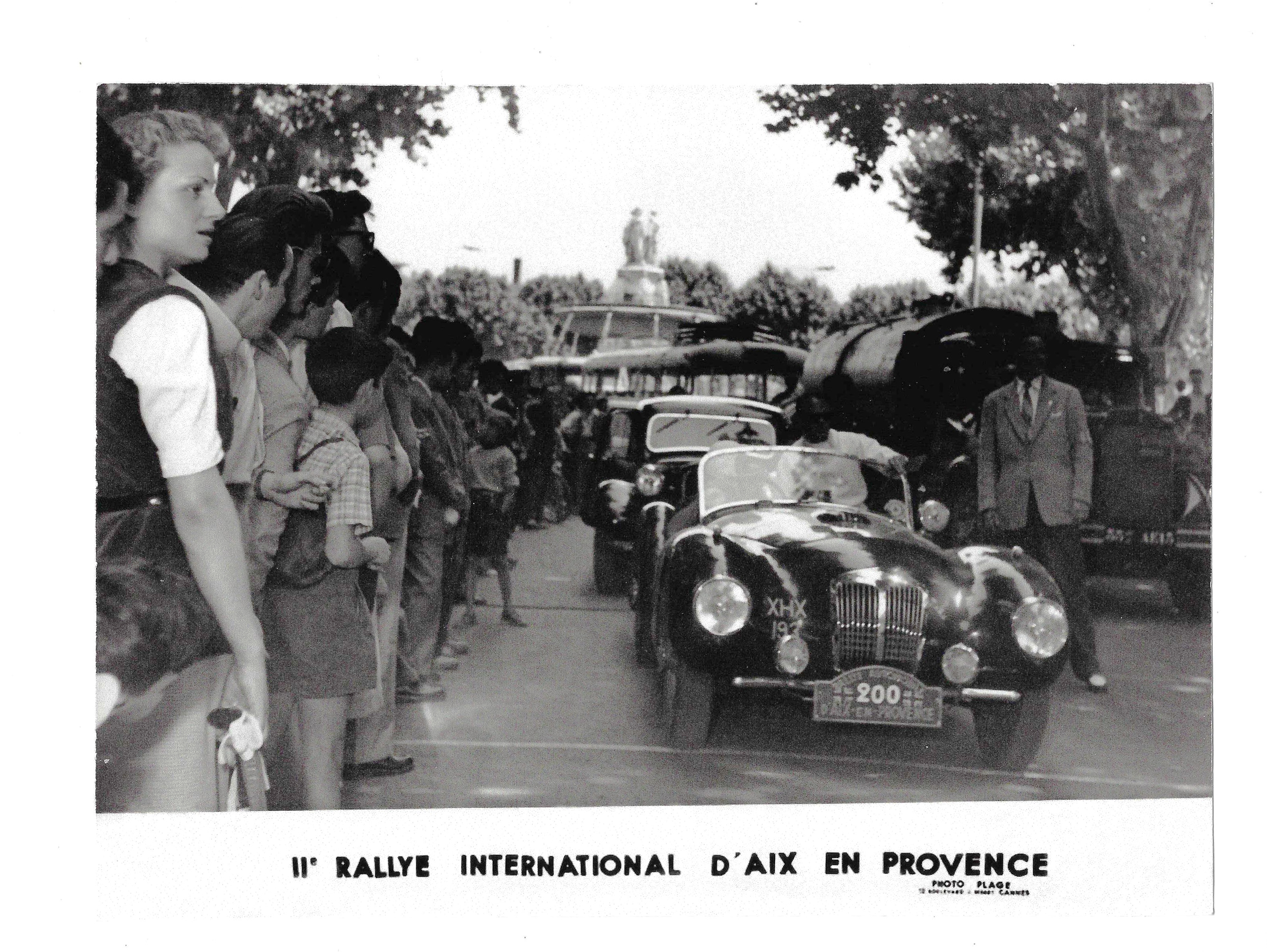
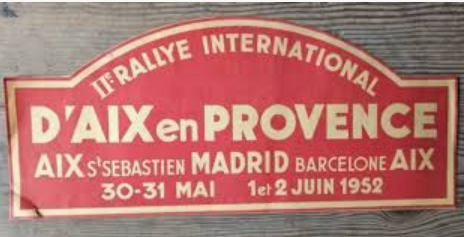
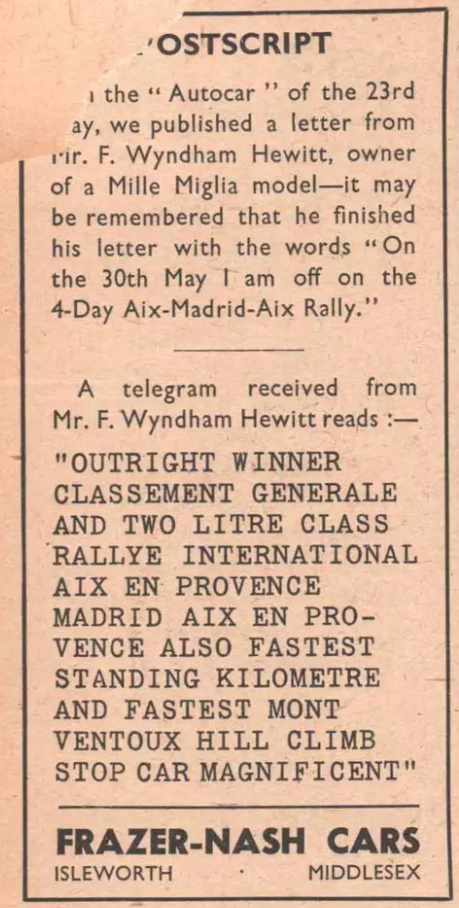
1952 Rallye International d'Aix-Madrid-d'Aix 30 May – 2 June - Wyn entered with Christine as he co-driver. Parading car number 200, Milly outpaced everyone, producing the fastest standing kilometre and fastest Mont Ventoux hill climb. Wyn and Christine not only won the two-litre class but came away outright winners ‘Classement Generale’. The summer of Milly love continued when the French endorsed her beautiful lines and performance, awarding her a Concours d'Elegance win at Val d'Esquieres on the French Riviera in August 1952.
Wyn kept hold of Milly until February 1954 when she was sold outright from his company ownership: 'Crolls minutes 26/2/1954: It was resolved that car registration No. XHX 193 be sold for the sum £1,430.'
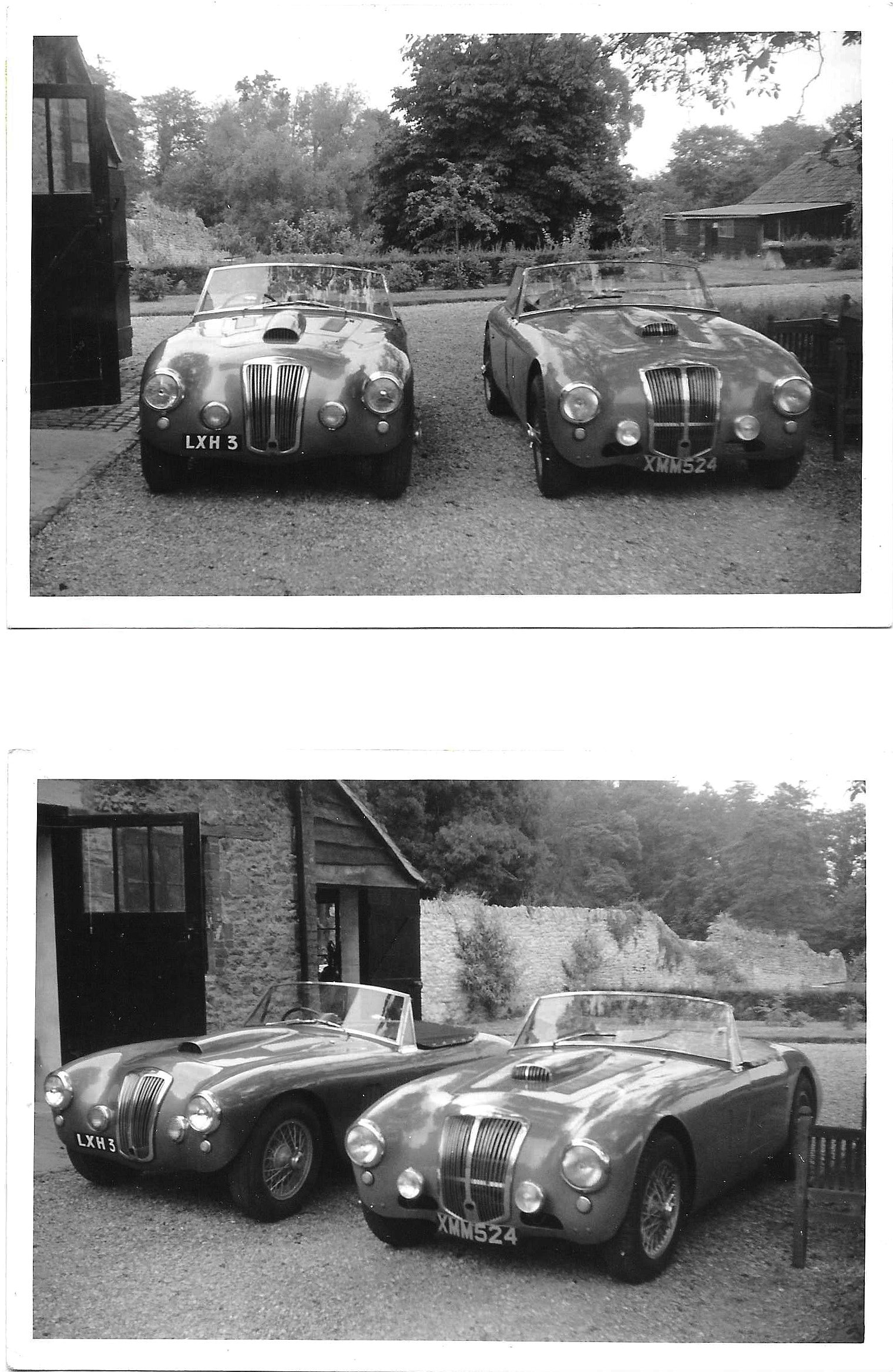
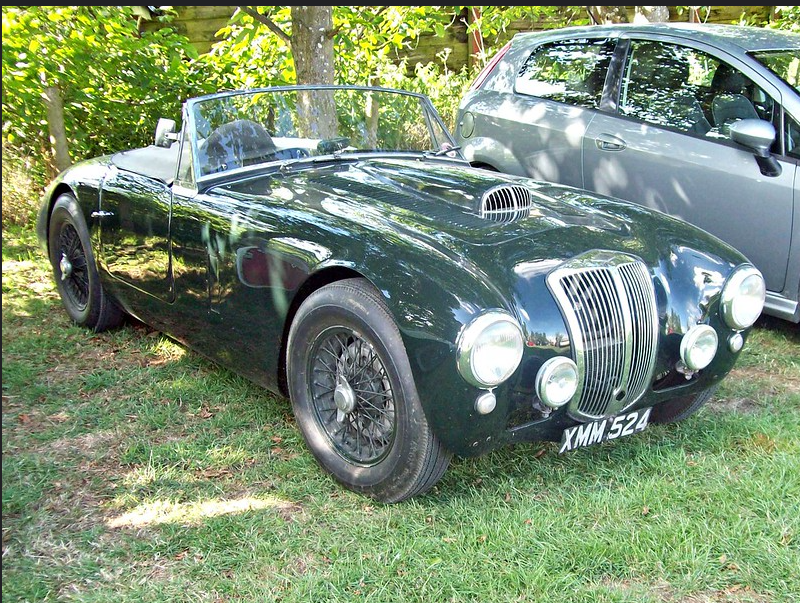
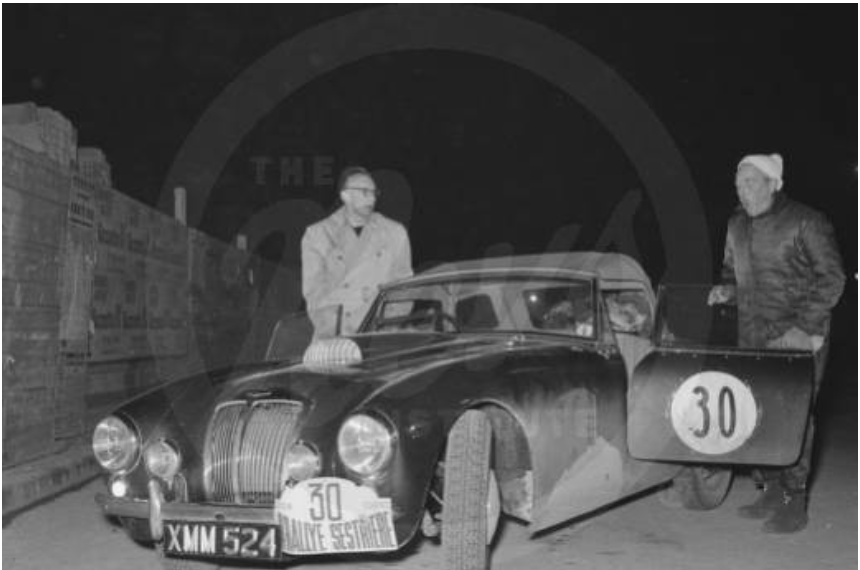
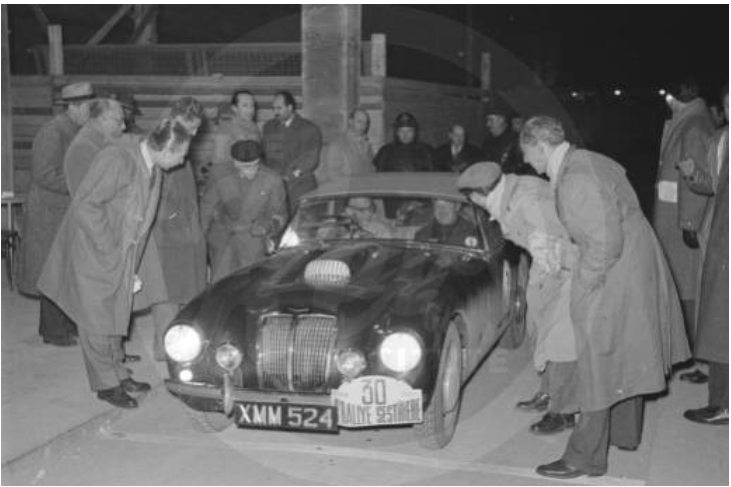
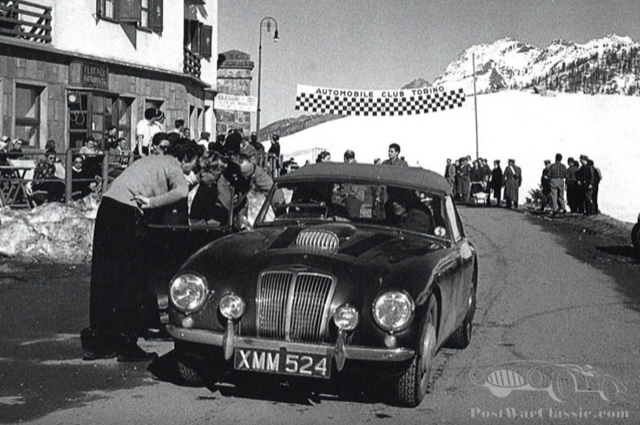
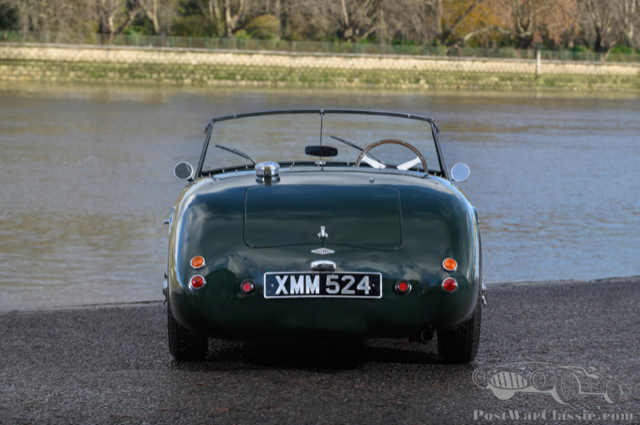
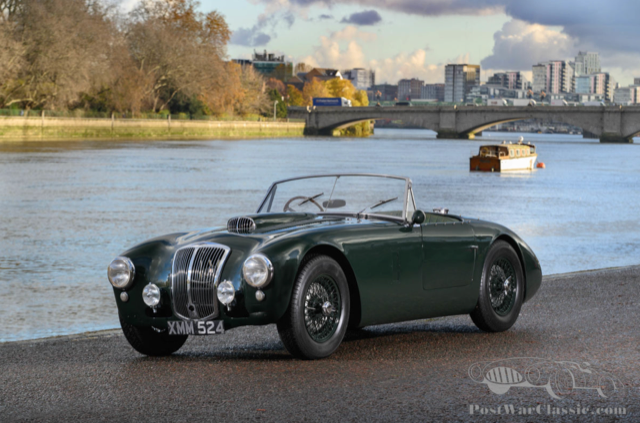
Frazer Nash Targa Florio - XMM 524
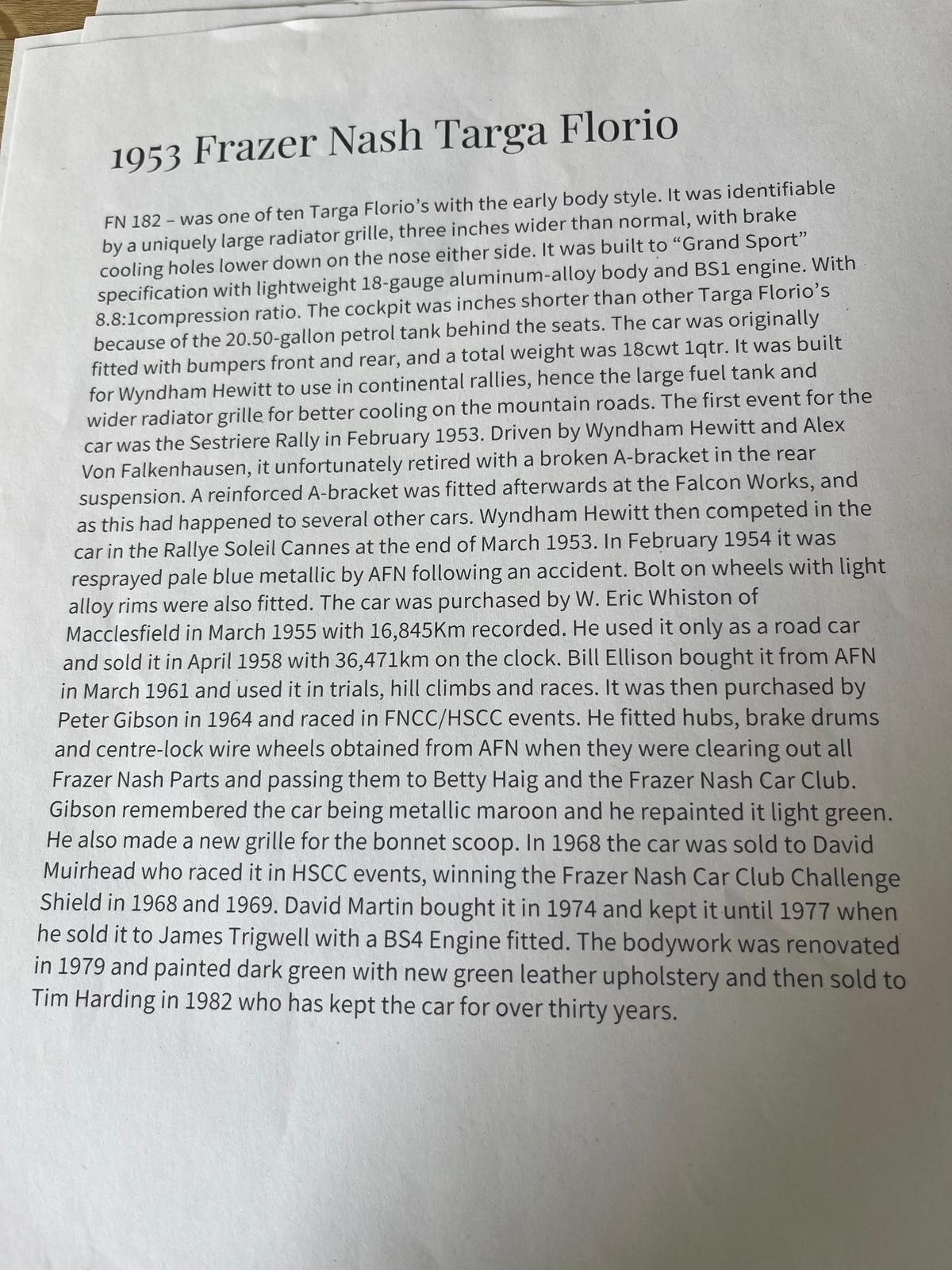
In January 1953 Wyn (or rather Chalwyn Lamps Ltd) bought a metallic red Targa Florio, FN’s replacement for the Mille Miglia, for £3,850 (£137k today).
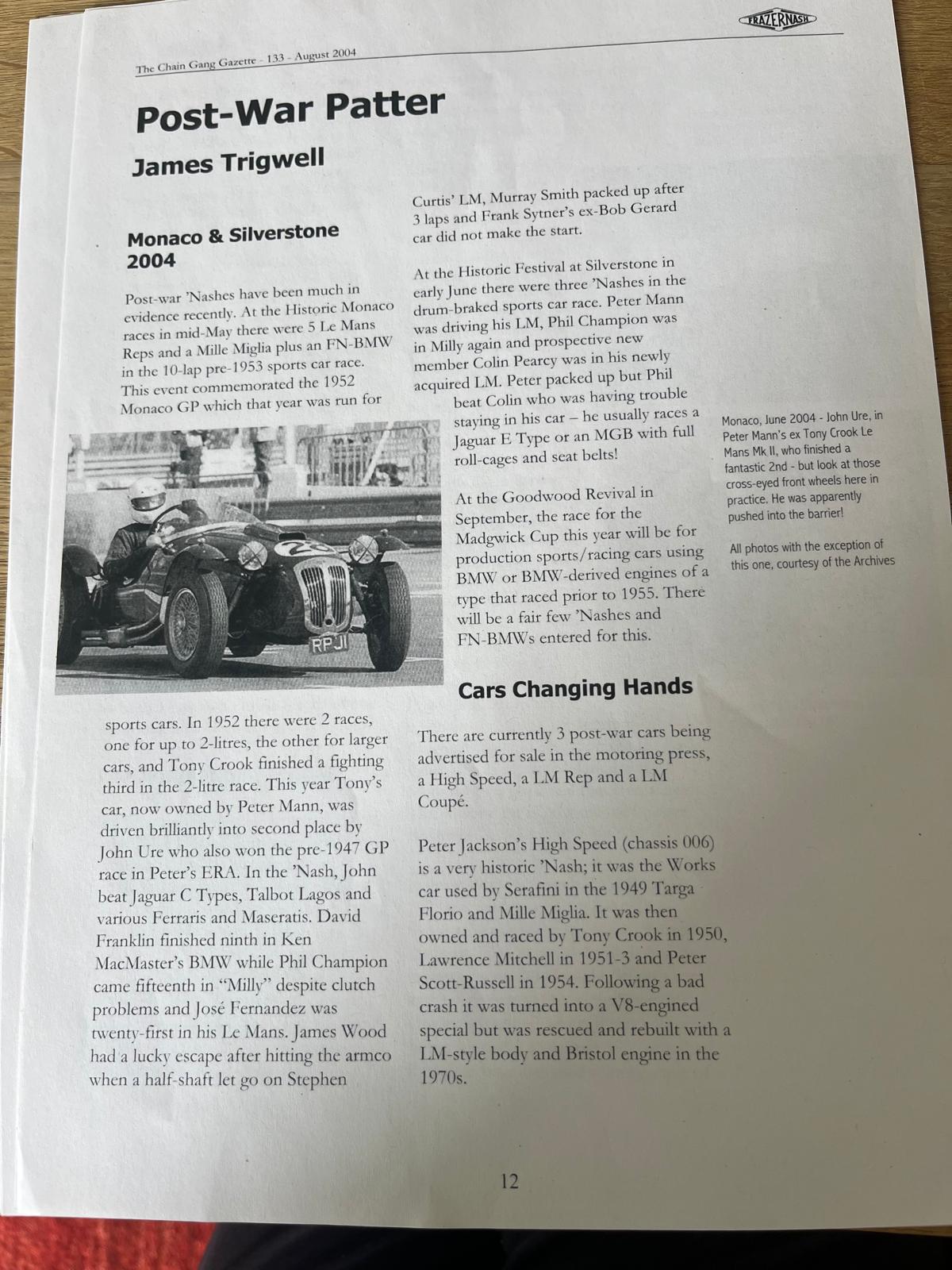
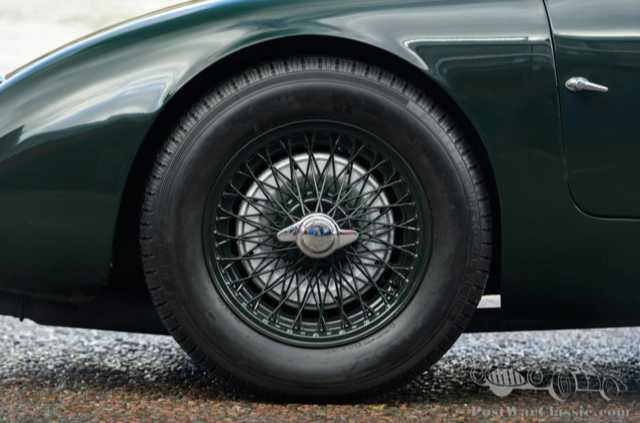
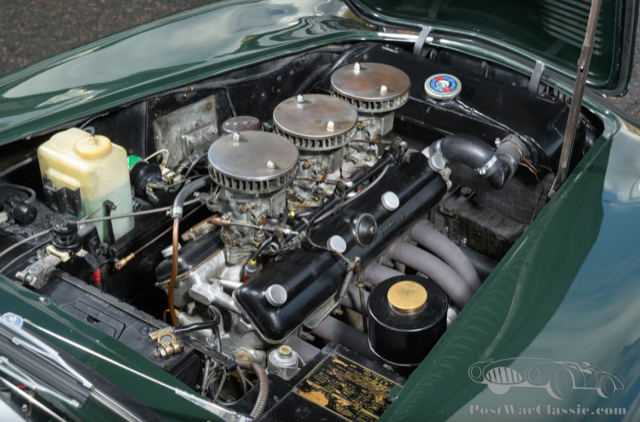
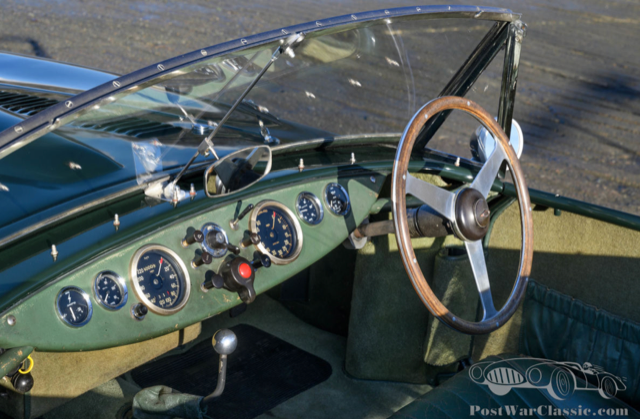
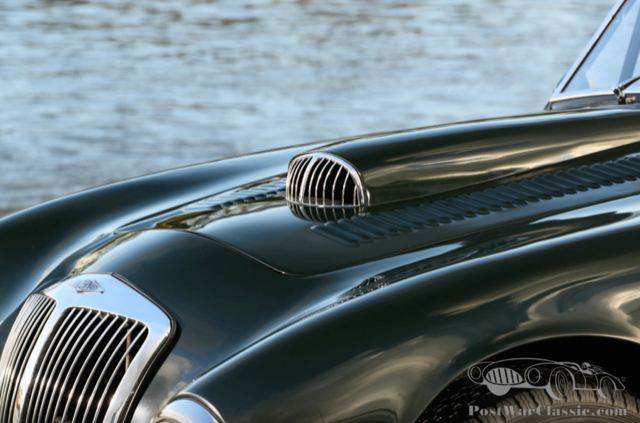
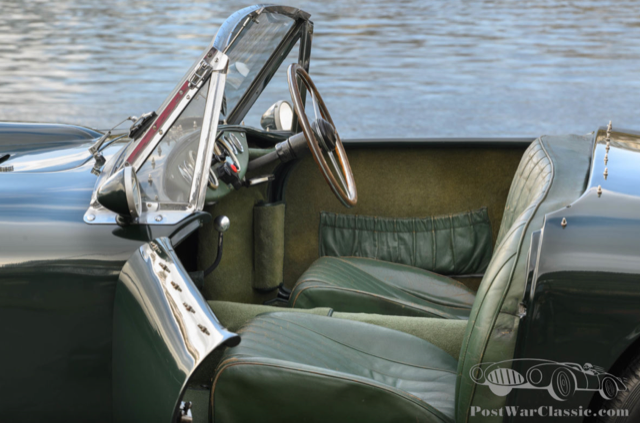
The Wyndham Hewitt Targa Florio (ultimately the car’s legacy name) with chassis number 421/200/182 and AFN number BS1/118, was the seventh of just 10 MK1 cars and was the only one built to‘ Grand Sport’ 125bhp specification. An open two-seater sport model, it had a lightweight 18-gauge aluminium body in a tubular frame, which incorporated front brake vents either side of the larger grill fitted to aid cooling. The cockpit was 2” shorter than standard and Wyn ordered front and rear bumpers. The specification also included a long range 20.5-gallon fuel tank, Alfin brake drums and steel bolt-on wheels, rack and pinion steering, and torsion bar springing. Although red at delivery, Wyn returned FN182 to the Works in February 1954 to be re-painted metallic blue after a prang.
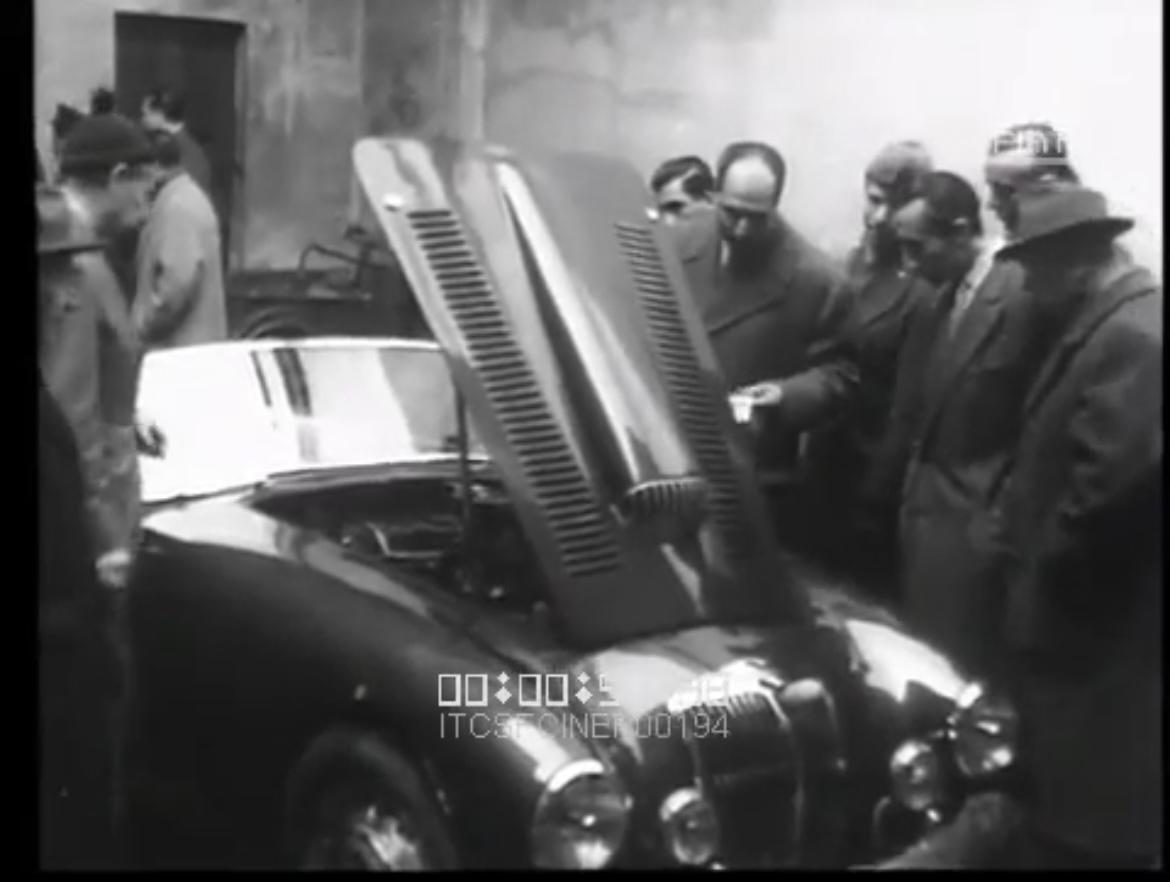
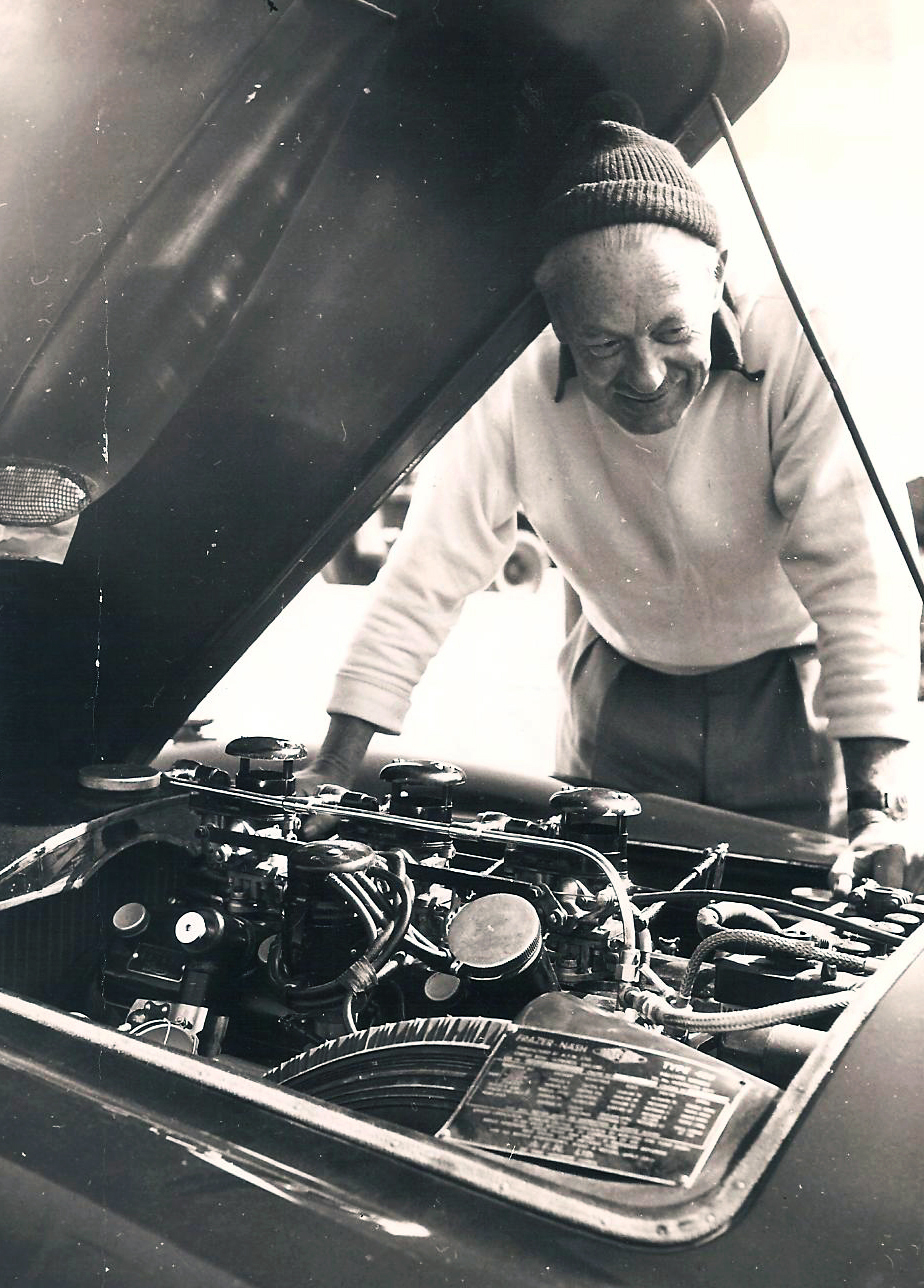
Some grainy footage at 0:42” of Wyn and Alexander in the Frazer Nash Targa Florio, car 30 at the 1953 Rallye Automobilistico del Sestrière Feb 26 - 2 March driving through an arch. Wyn's trademark bobble hat is hard to miss! The car also appears at 0:57 when a group of die-hard petrol heads are huddled around the open bonnet, inspecting the Targa Florio's power.
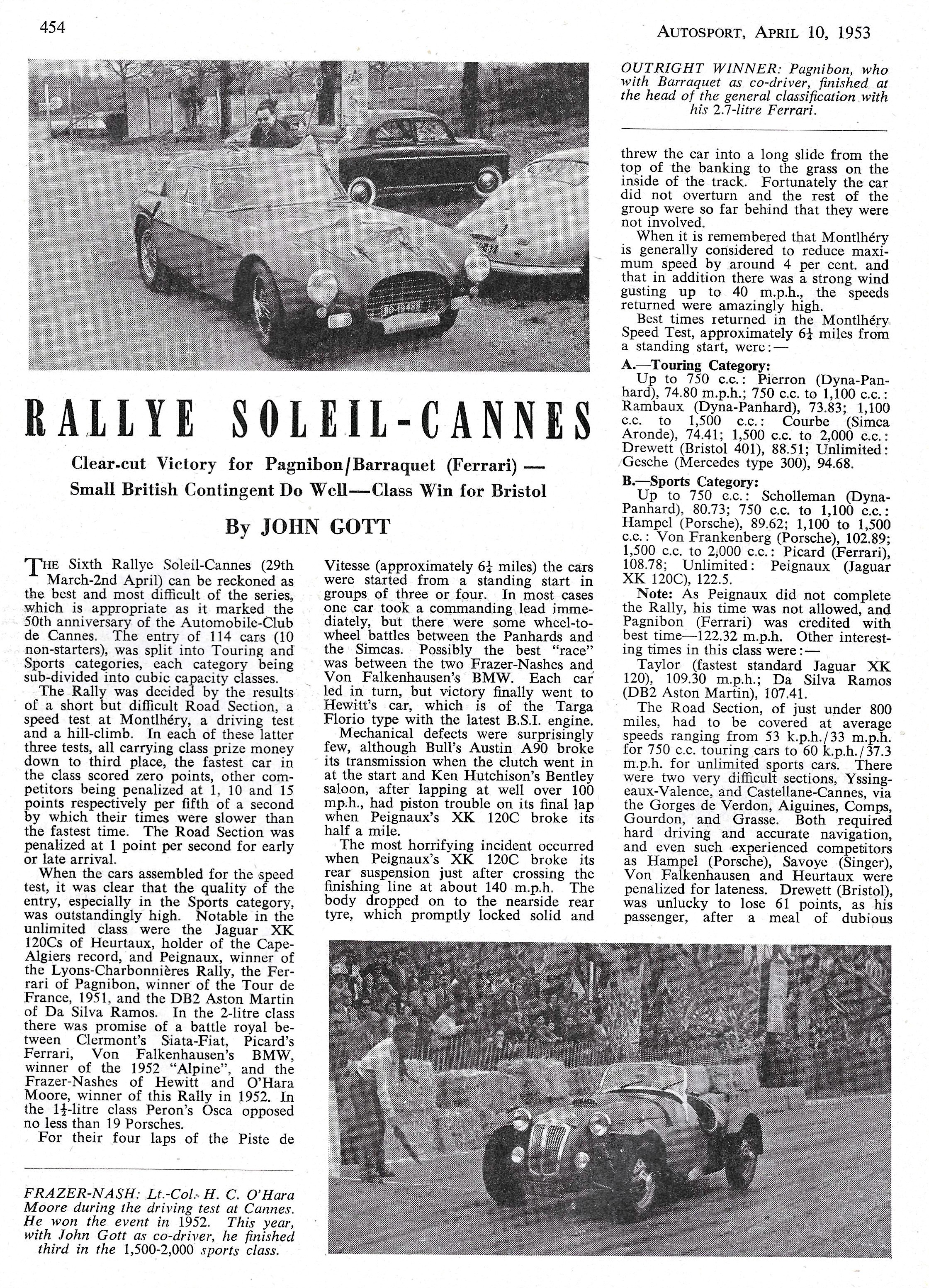
1953 Rallye Soleil-Cannes 29 March – 2 April
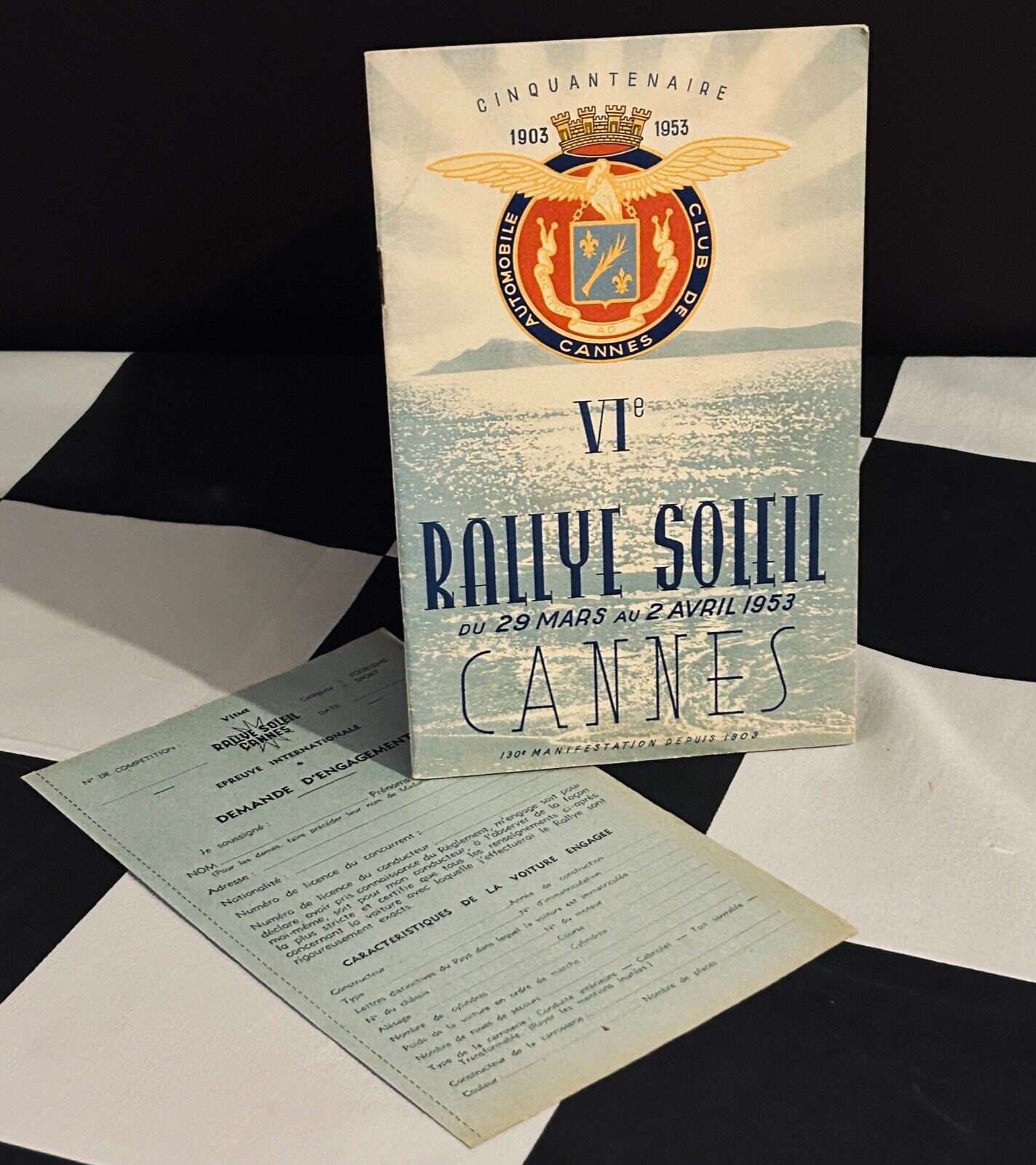
Both Wyn and Jack entered the rally (Wyn in the Sports 2000cc category and Jack, the Touring cars 1,500cc to 2,000cc) which marked the 50th anniversary of the Automobile-Club de Cannes and was considered the most difficult of the series. 104 cars took part and were split into Touring and Sports categories (sub-divided into cubic capacity classes) for the four events:
1. A speed test at Montlhéry.
2. A short but difficult regularity road test of 800 miles towards Cannes.
3. A manoeuvrability test in Cannes.
4. The hill climb between Cannes and Le Cannet.
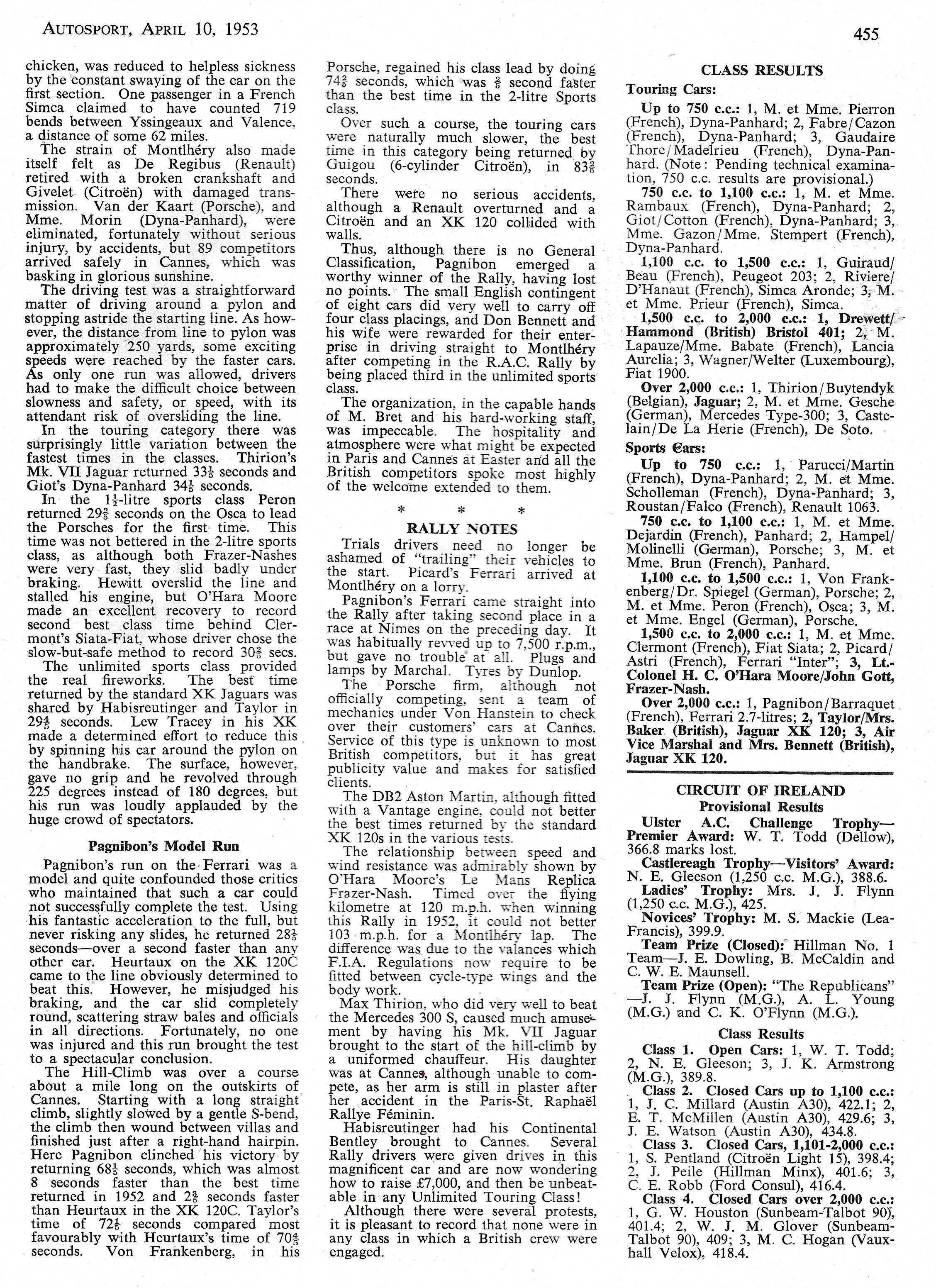
For the four laps of the Piste de Vitesse covering approximately 6.25 miles, there was a standing start for groups of three or four cars, and it was clear the quality of the Sports category was outstandingly high. In Wyn’s 2-litre class there was promise of a battle royal between Clermont’s Siata-Fiat, Picard’s Ferrari, Von Falkenhausen’s BMW (winner of the 1952 ‘Alpine’) and the two Frazer-Nashes of Wyn and Lt Col H C O’Hara Moore, the previous year’s winner. The best heat was between the two FNs and Von Falkenhausen’s BMW. Each car led in turn, but victory finally went to Wyn in his Targa Florio with the latest BSI engine. Speeds returned were amazingly high despite a strong wind gusting to 40mph.
The Road Section of just under 800 miles had to be covered at average speeds ranging from 33mph for 750cc touring cars to 37.3mph for unlimited sports cars. There were two very difficult sections which required hard driving and accurate navigation: Yssingeaux-Valence, and Castellane-Cannes, via the Gorges de Verdon, Aiguines, Comps, Gourdon, and Grasse. One passenger in a Simca counted 719 bends between Yssingeaux and Valence within the 62-mile distance.
The driving test was a straightforward matter of circling a pylon and stopping astride the starting line. It was 250 yards from line to pylon and some of the faster cars reached heady speeds. Only one run was allowed so drivers had to choose between slowness and safety, or speed and the risk of over-sliding the line. Although both FNs were very fast, they slid badly under braking. Wyn over-slid the line and stalled his engine, but O’Hara Moore made an excellent recovery to record the second best class time.
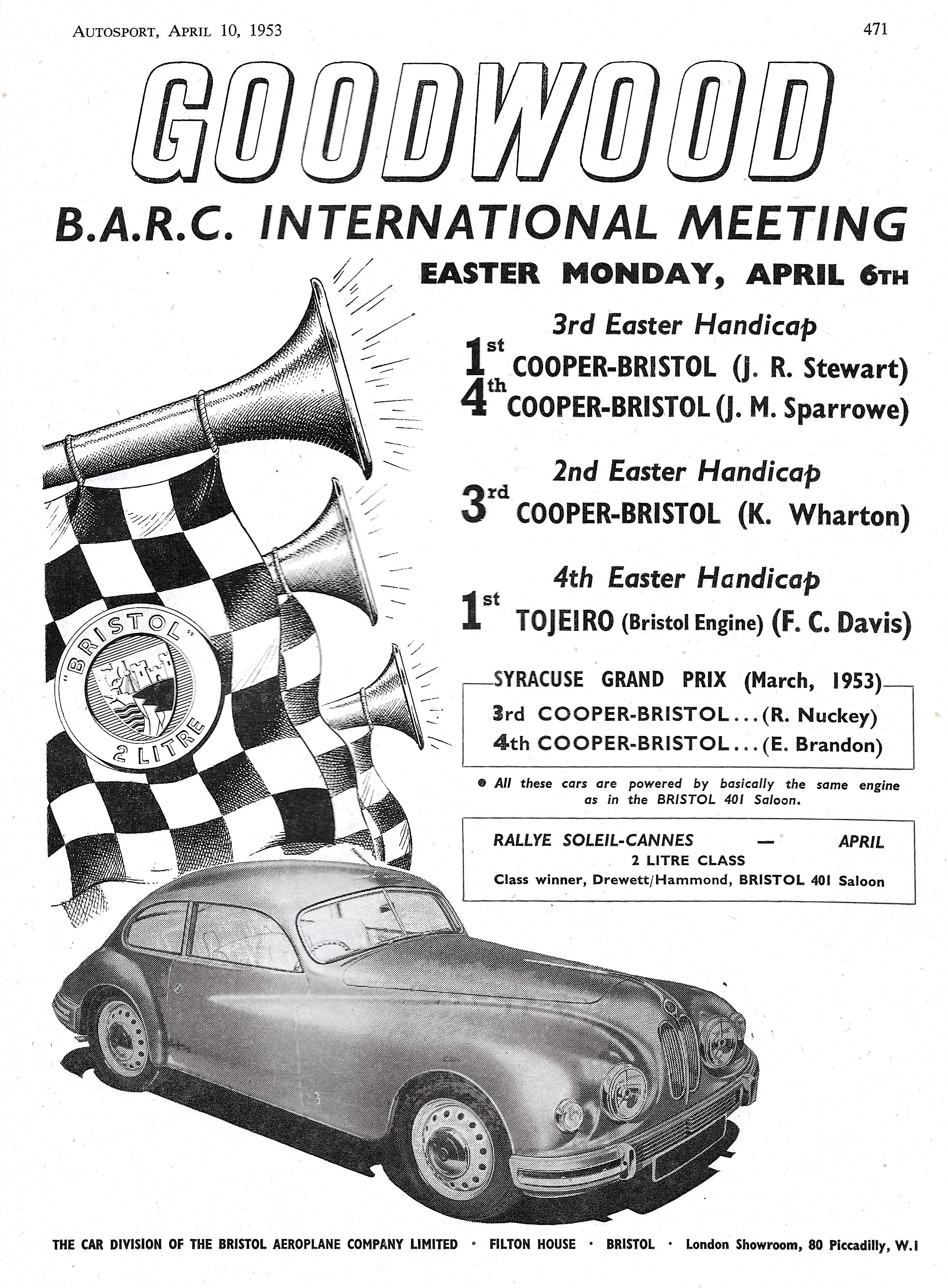
Wyn failed to match or better his previous year 3rd but came a very respectable 11th overall. Jack on the other hand pulled a first rate rabbit out of the hat and won his class outright.
Mercedes 300SL Gullwing
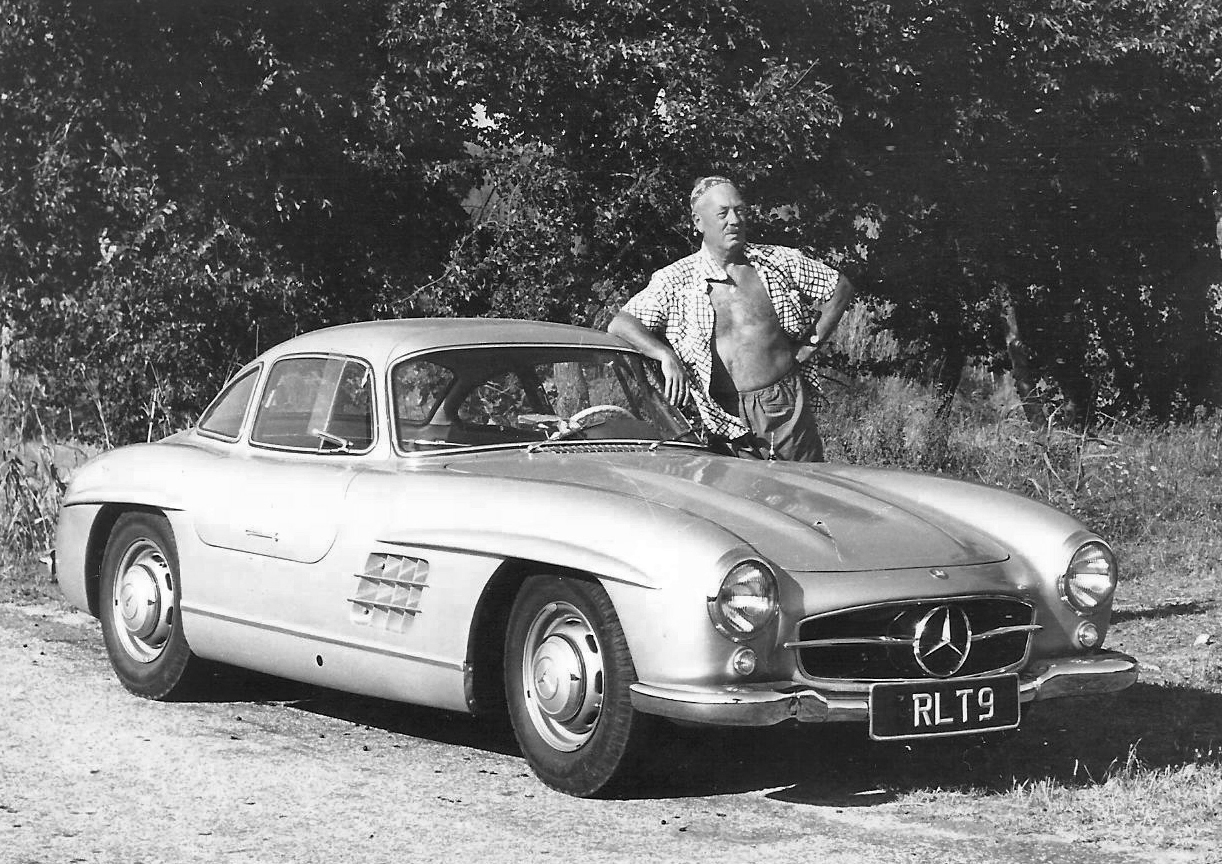
Although giving up Christine in 1954 had been the right thing to do, it didn’t mean it was easy for Wyn and he needed a bit of cheering up. What always worked for him, if it wasn’t female company, was something equally fast and loose but with an engine and four wheels. In early 1955 he ordered himself a Mercedes 300SL Gullwing registration RLT 9 with a book price of £5,400 + £1,000 for the alloy upgrade. He was in high fallutin’ company, as other notable buyers included Rob Walker (F1 team owner), David Brown (Aston Martin proprietor), Earl Howe (BRDC president), King Hussein of Jordan (studying in Britain at the time), R S Wilkins (financier and Brooklands racing driver), Harry Hyams (property magnate) and Daniel de Ferranti (entrepreneur and amateur racer).
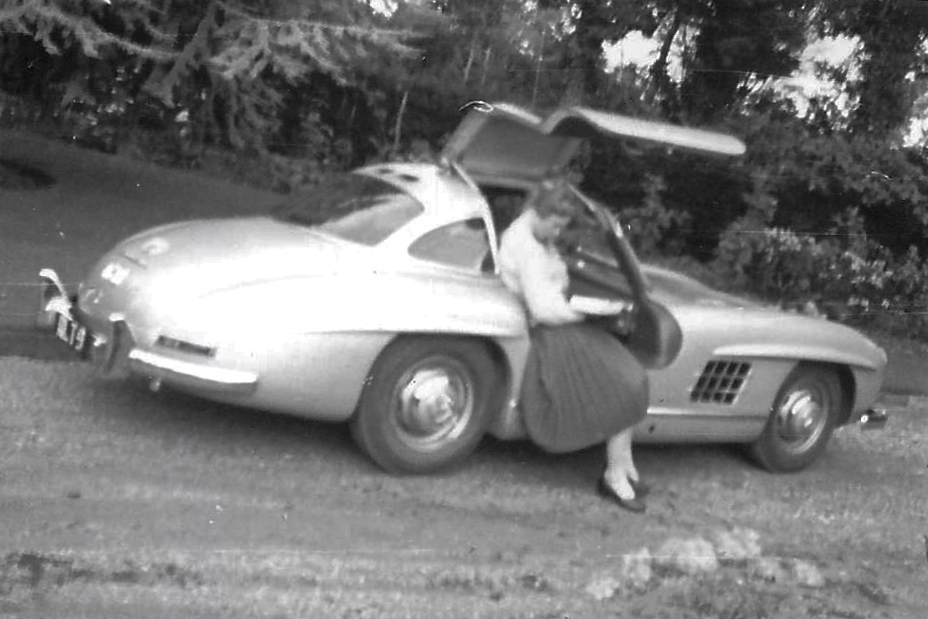
Derived from the all-conquering racing cars of 1952, the production model of the 300 SL was introduced to the public on 6 February 1954 at the New York International Automobile Show. Voted ‘Sports Car of the Century’ by trade journalists in 1999, it was the fastest production car of its time, able to do 0-60mph in about 8.8 seconds by kicking through the four-speed manual transmission to achieve a top speed of 135mph. It was also the first mass-produced car with a fuel injection 3.0 litre straight-six engine. Built as a coupé, its lightweight tubular spaceframe design had a very high door sill and low roof, making a standard door opening way too low and small to get in and out of. Mercedes solved the problem by having the iconic upswinging doors open part of the roof as well.
A total of 1,400 Gullwing coupés were built from 1954 to 1957, 29 of which featured all aluminium bodies. Wyn owned one of only 59 delivered new to the UK. The car was delivered finished in silver-grey metallic (DB180) with blue leather interior, and was equipped with the optional Rudge-Whitworth centre-lock steel wheels, a Becker Mexico radio and fitted luggage to match the upholstery.