Major John 'Scottie' Scott




%201951%20Selerang%20Barracks_.jpeg)




Stories and memories
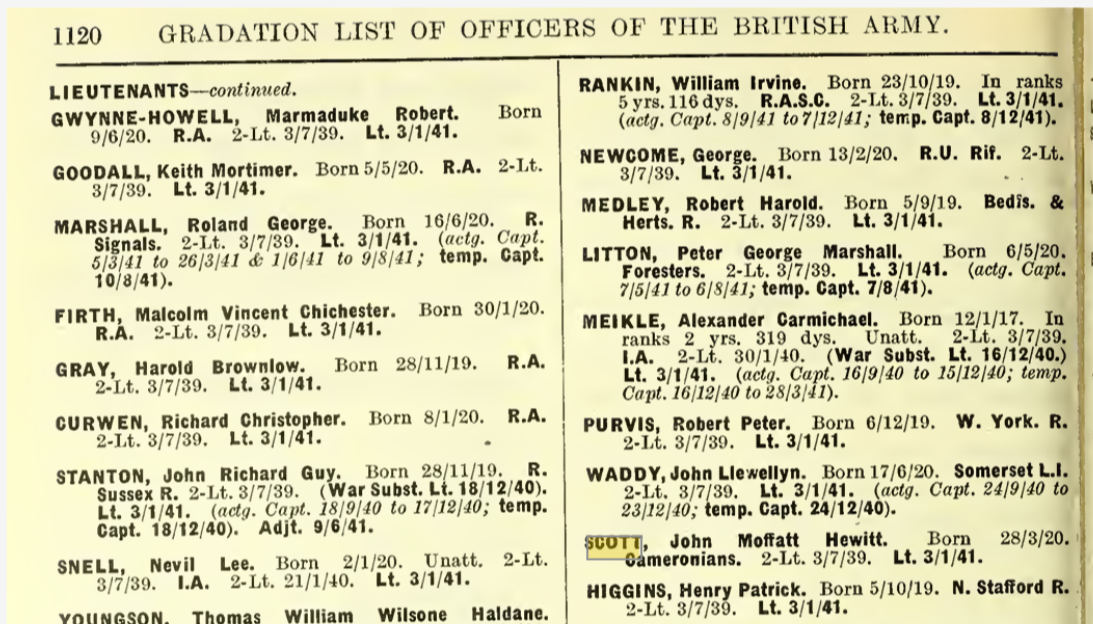
Sybil’s eldest son John was ebullient, extrovert and a real people person – he could make friends with anyone of any age or background – and was hard working and loyal, perfect for the military life just like his father, but with a lighter soul and far better sense of humour. He was a huge fan of Noel Coward.
General Slim's praise for The Macaroon Squashed Trifles'
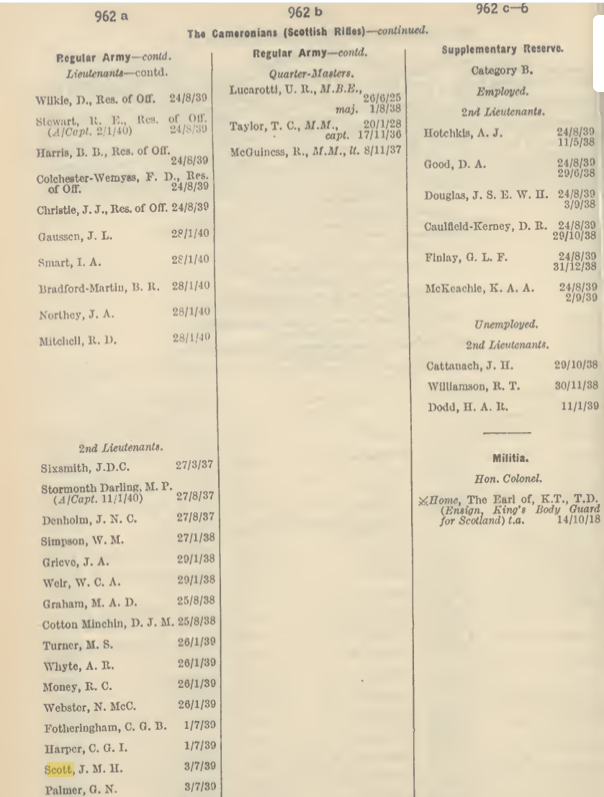
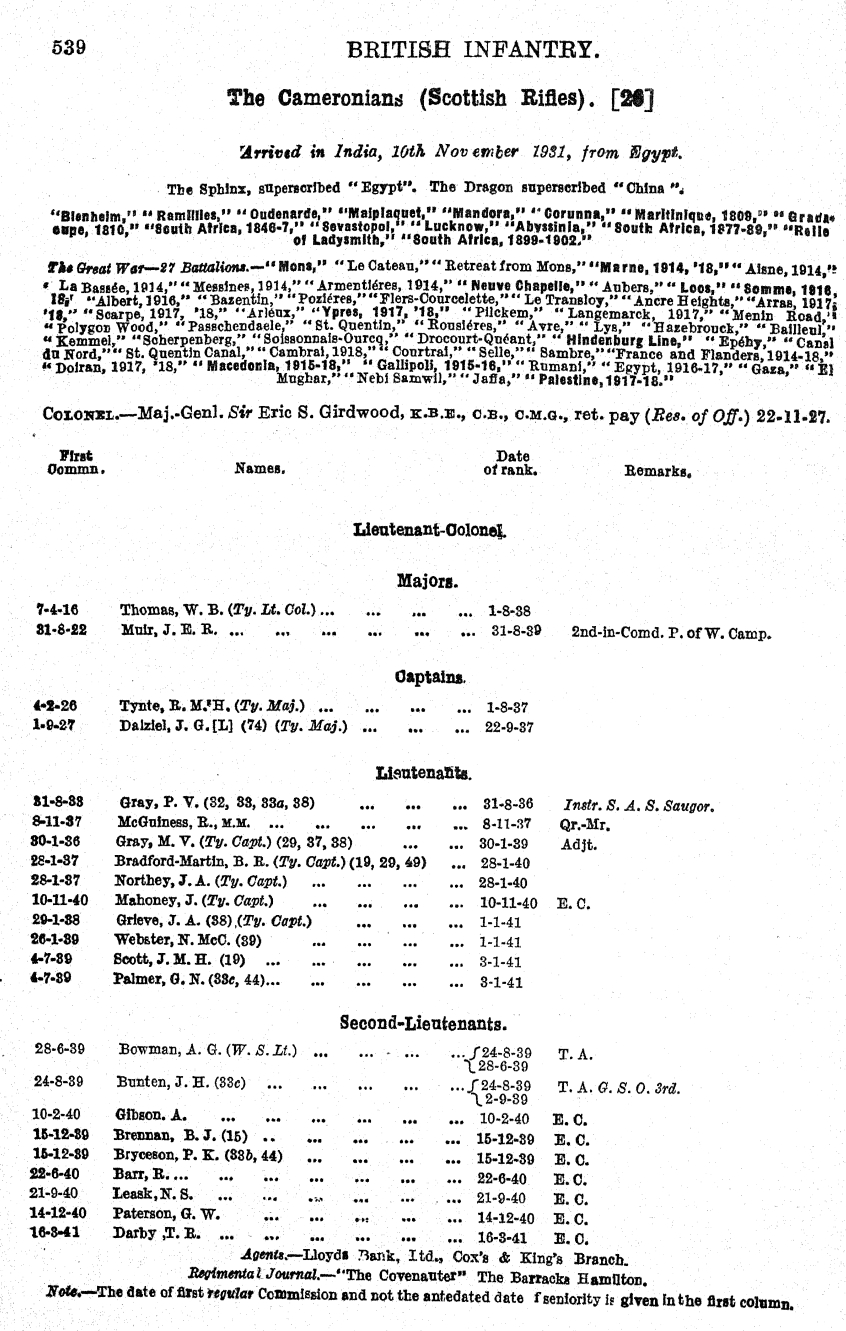
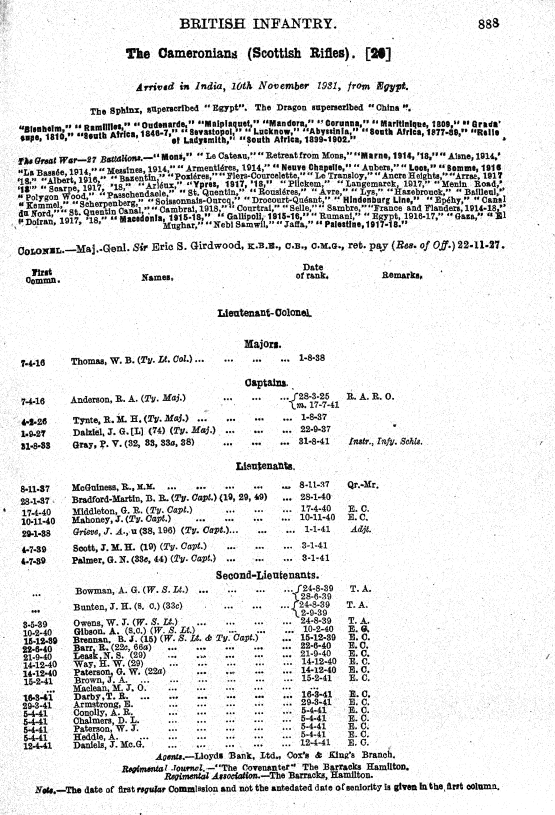
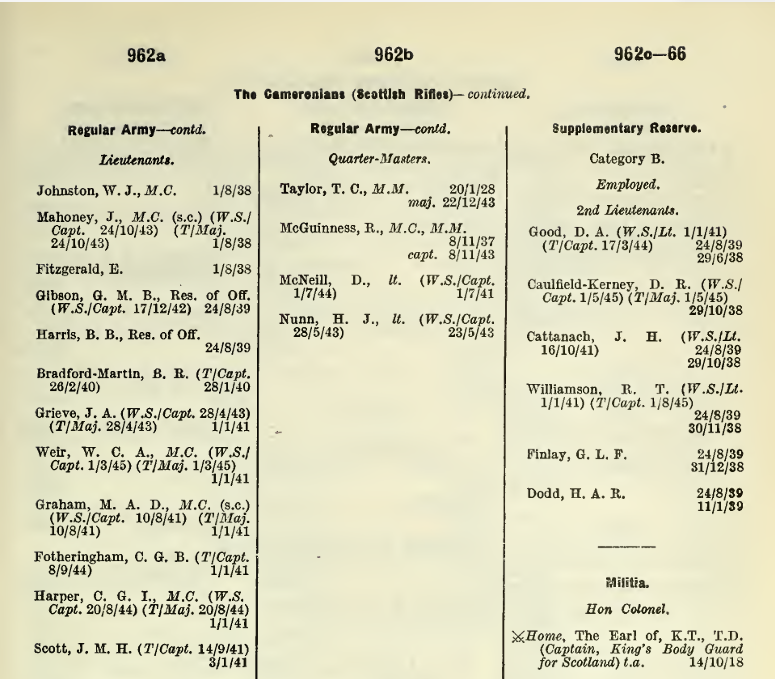
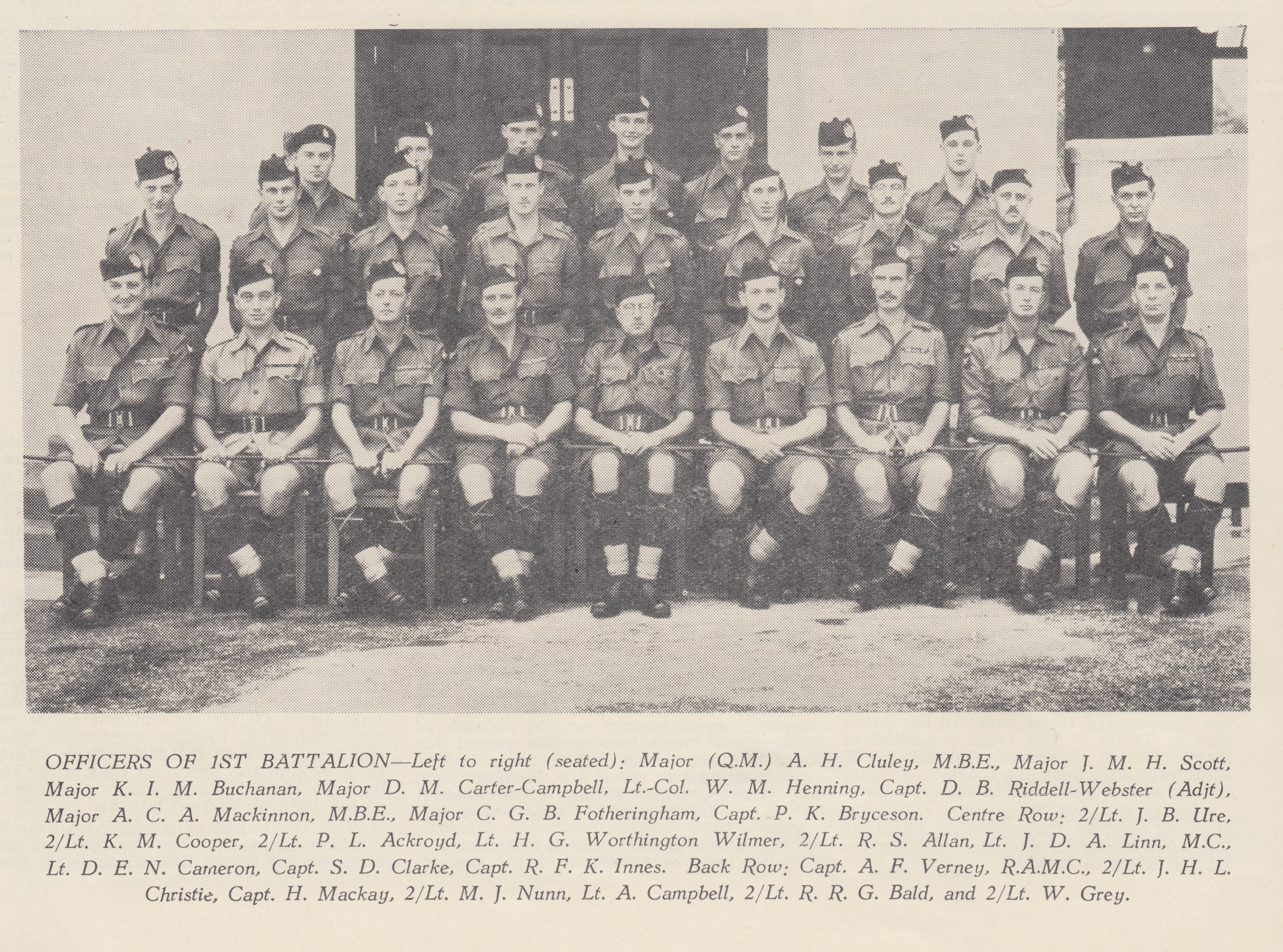
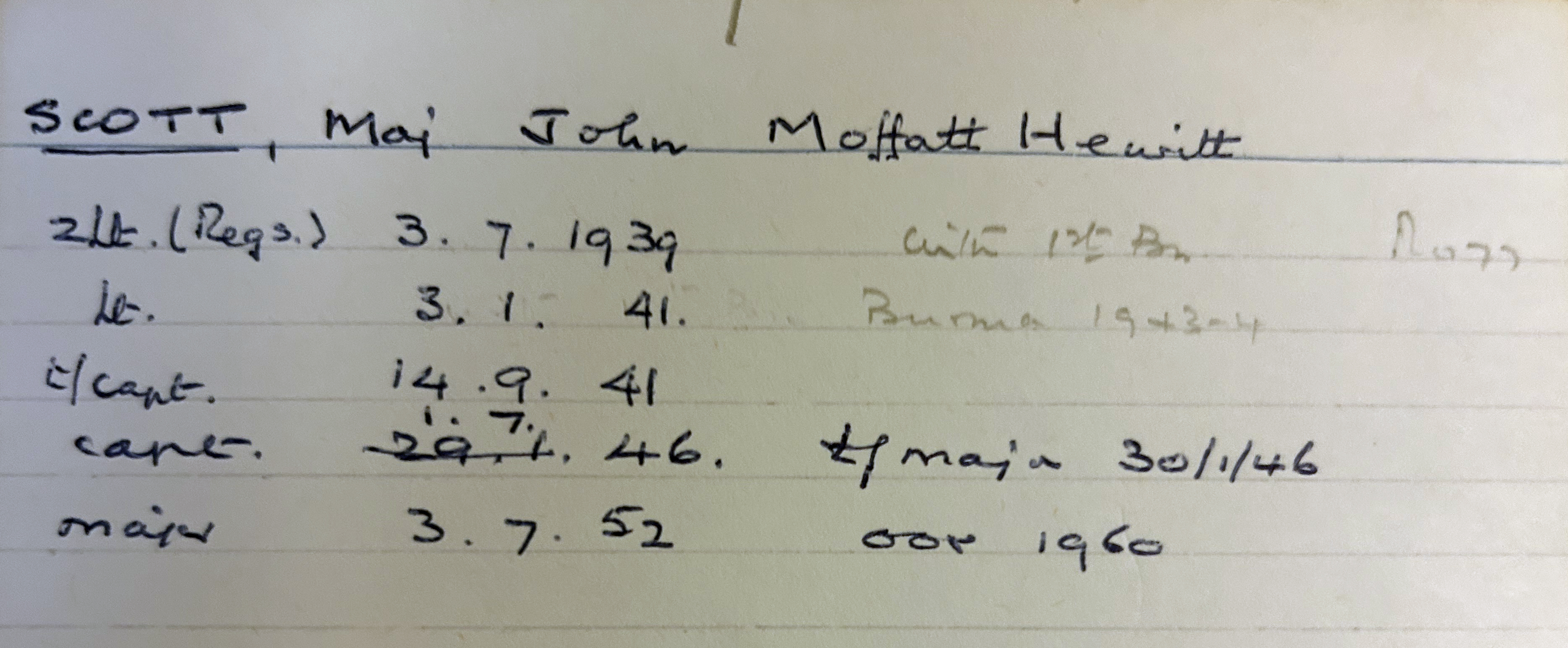
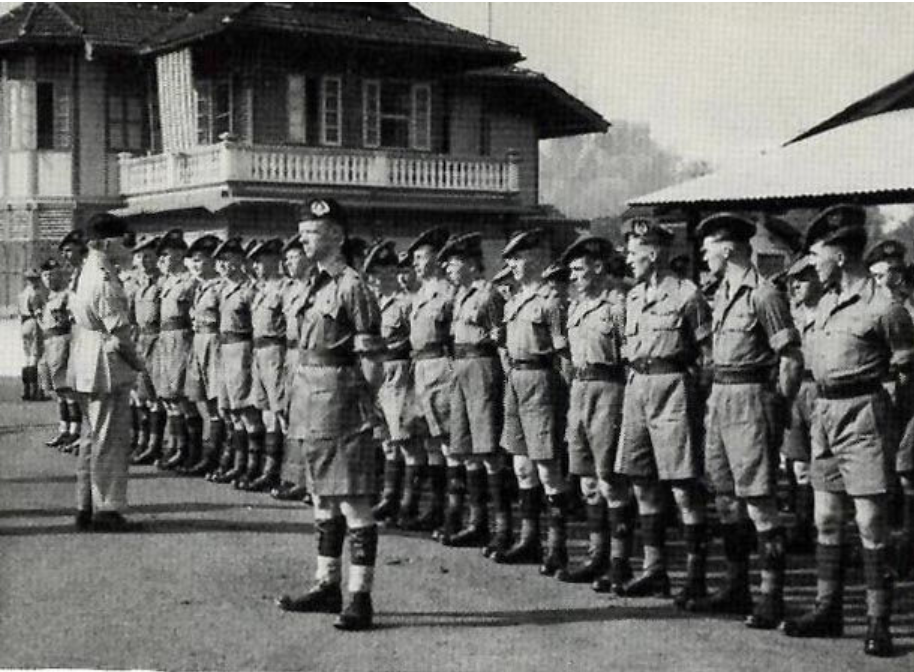
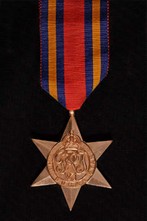
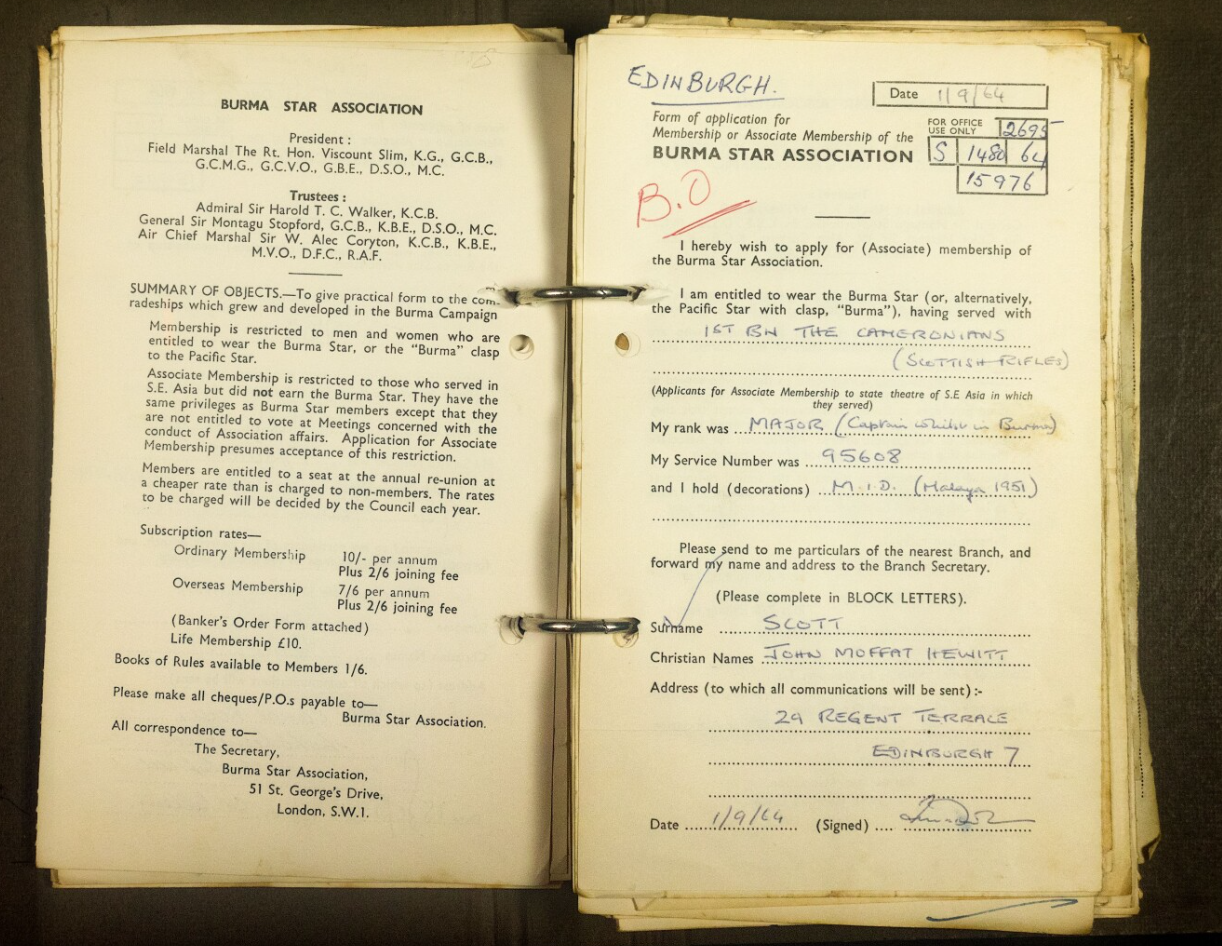
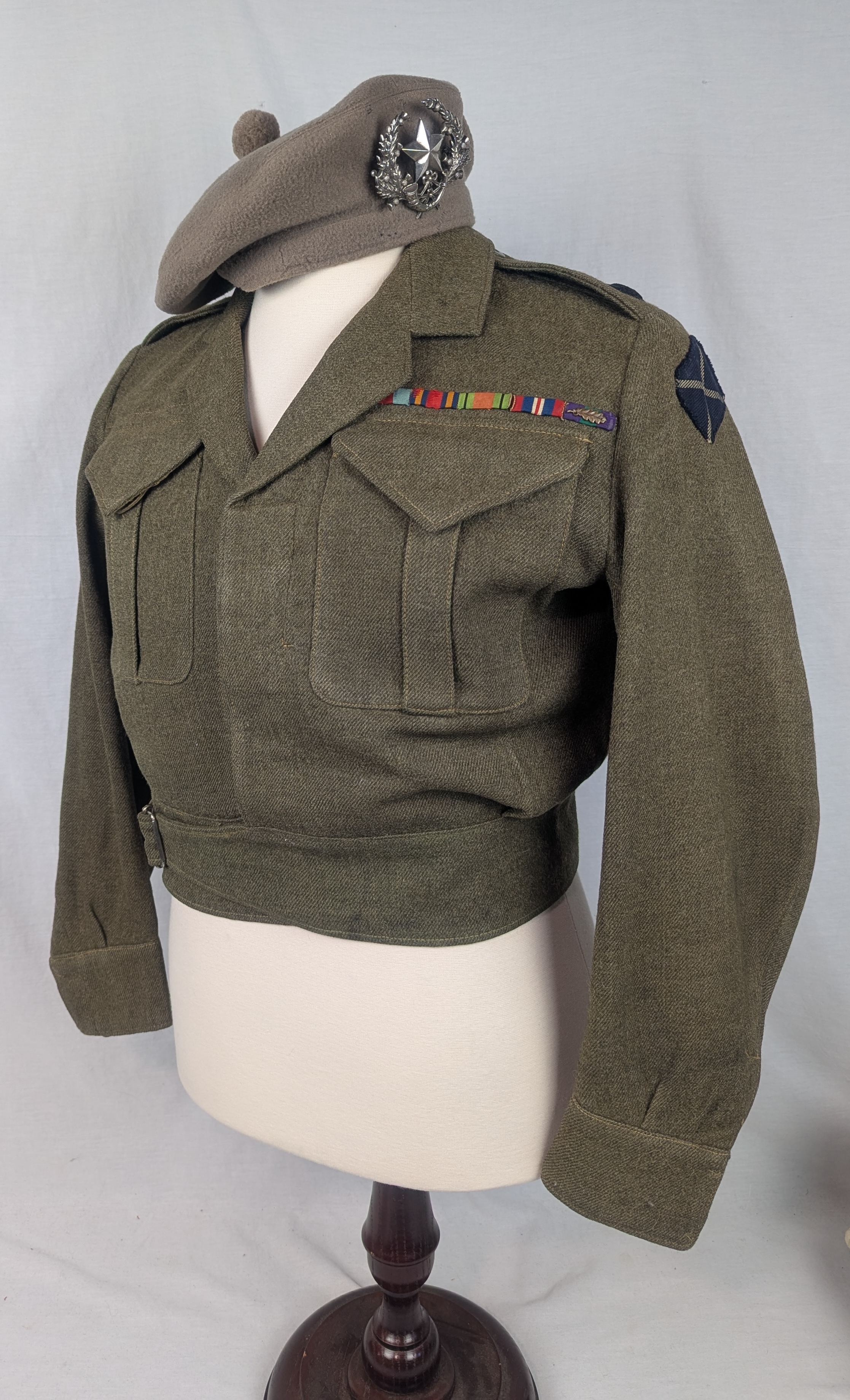
John joined the 1st Battalion Cameronians (Scottish Rifles) – colloquially known as the ‘The Macaroon Squashed Trifles’ – and was a 19-year-old 2nd Lieutenant stationed in Barrackpore, India when war broke out. Scottie was promoted to Captain by early May ’42 when Burma fell into Japanese hands completely. The army commander who rode to the rescue and who many connected to Burma came to consider a hero was General William ‘Bill’ Slim.
From Lieutenant General Sir William Slim KCB, CBE, DSO, MC Commanding 14th Army
The retreat from Burma in 1942 was as severe an ordeal as any army could be called to endure, but the British and Indian Units of the Burma Corps, fighting and falling back and turning to fight again and again, lived up to the great traditions of their Services. Unsurpassed among them in that unquenchable spirit, which lifts men above fatigue and disaster and is the essence of a Regiment was the 1st Battalion The Cameronians (Scottish Rifles). Battered, exhausted, hungry, reduced by casualties to a fraction of their strength, they never lost their fighting spirit or their indomitable cheerfulness. Whether they were six hundred or one hundred they were always the 1st Battalion The Cameronians. (Scottish Rifles).
Scottie's love of all things equine
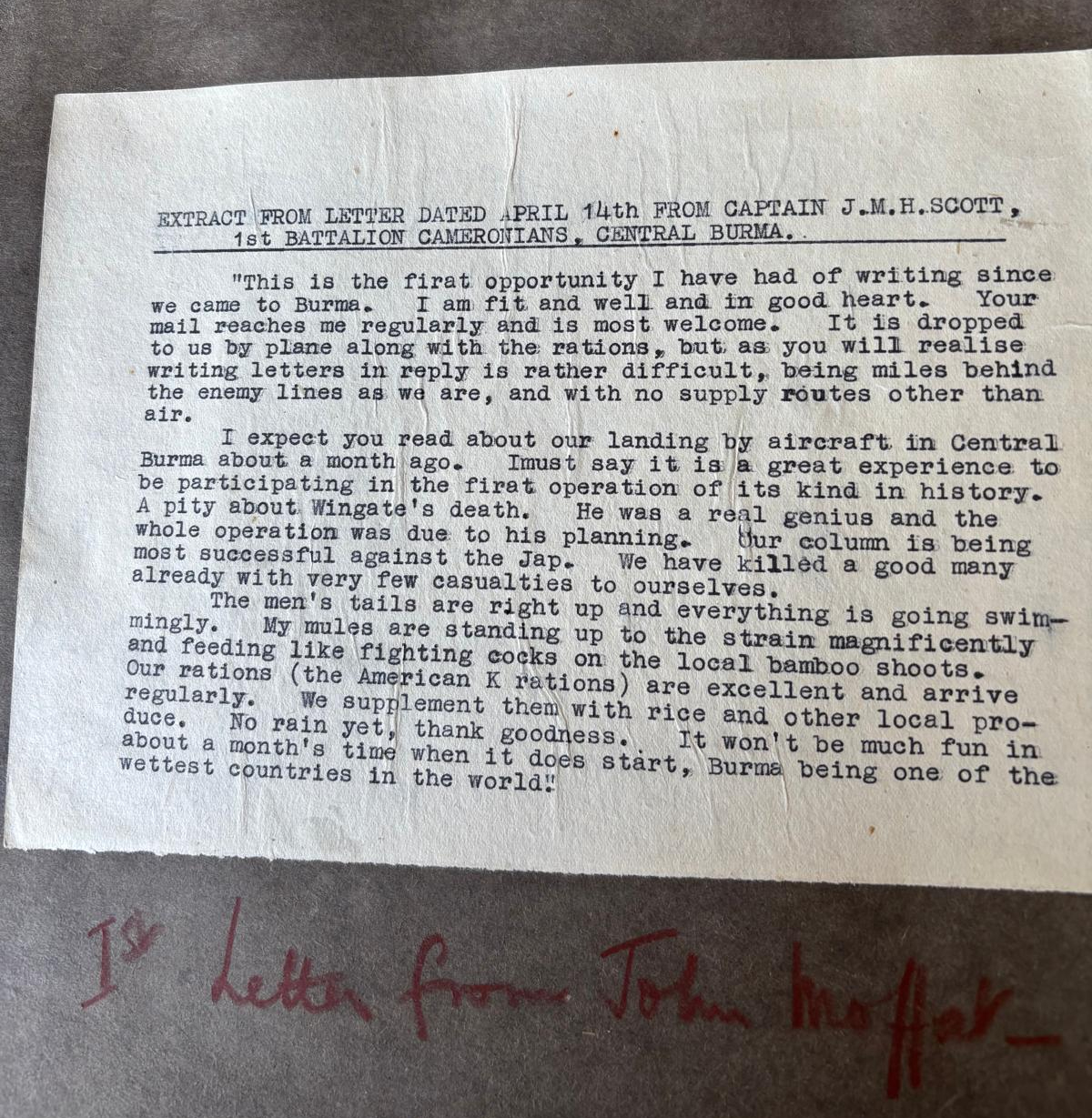
Mules were massively important. Strong, with plenty of stamina but not a little stubborn, John and his men built close partnerships with their beasts and looked after them as considerately as the oozies did their elephants. Before going into service, the animals were stripped of their voice-boxes (a horrible thought but they grew back) to stop them giving the game away by braying in the jungle, and they were painted with a diluted solution of potassium permanganate, known as ‘pinky pani’, to camouflage them. As John said in one of his letters home: "My mules are standing up to the strain magnificently and feeding like fighting cocks on the local bamboo shoots.’ One of John’s tasks was to teach the Battalion’s new, young recruits how to care for them. They’d never encountered such animals in Glasgow!"
As was common with many veterans, he rarely spoke of his time in Burma to friends and family, and certainly not to his children. All he’d say was how brutal it had been, and the only thing that kept him going was teaching the young Jocks to love and look after their mules, the loyal and precious four-legged friends that helped keep him and his men going. He had a deeply ingrained love of all equines and rode until the day he died.
The second Chindit campaign
Churchill was so impressed with Lieutenant-Colonel Orde Wingate's (renowned expert in guerrilla warfare) operation that he and other Allied leaders agreed to Wingate’s plans to launch another Chindit campaign in 1944 but this time on a much larger scale; six full Brigades. This second expedition returned to northern Burma in March 1944 with John’s regiment playing its part as logged in its war diary:
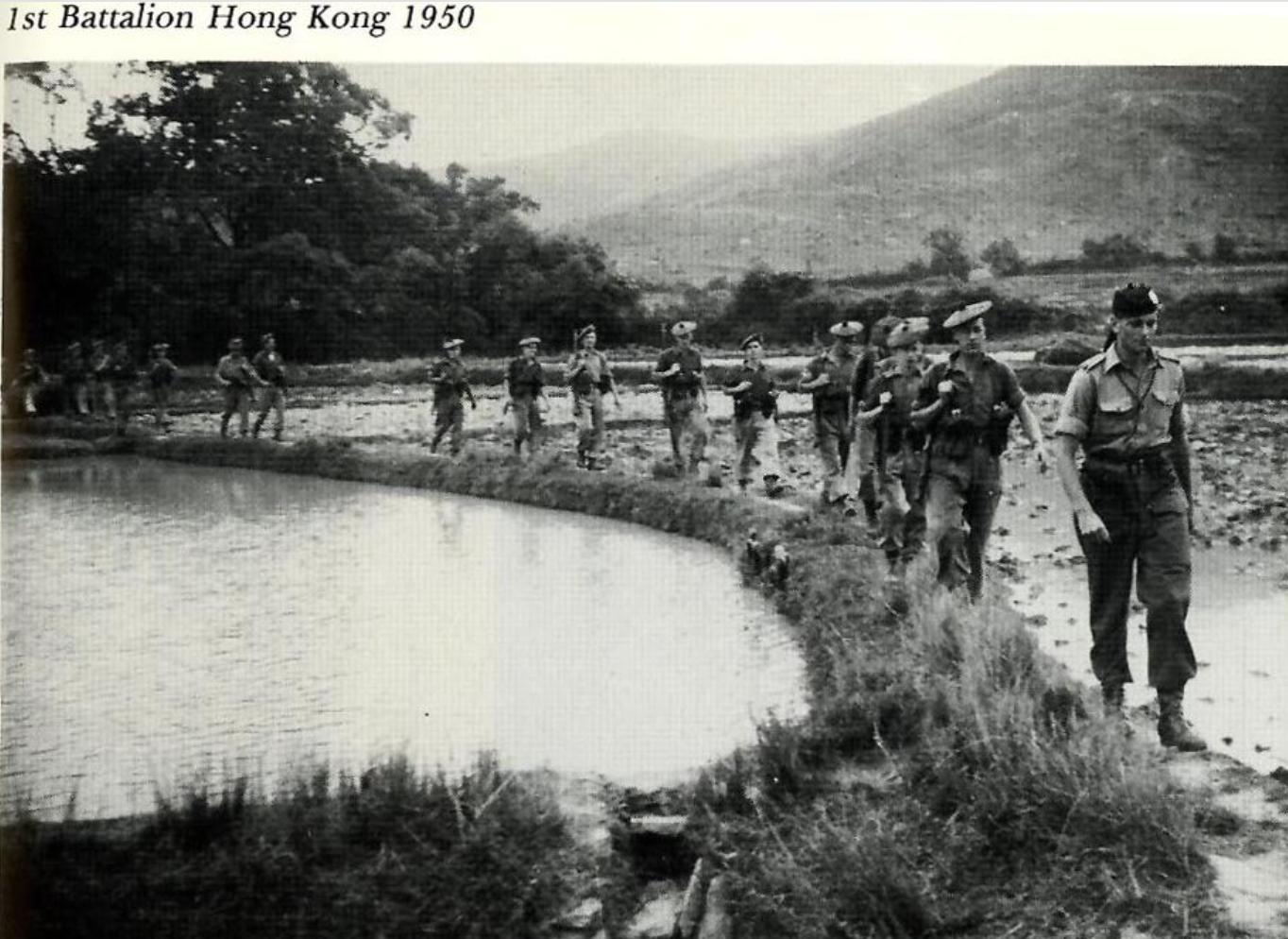
111th Indian Infantry Brigade – 1 April 1943 to 15 October 1944 The 1st Battalion Cameronians joined the Special Force’s 111th Indian Infantry Brigade on 1 April 1943. The battalion moved to Jubbulpore on 16 July and was split into the 26th and the 90th Columns on 29 October. It moved to Silchar, Assam on 8 January 1944 and entered Burma on 15 March as part of General Wavell’s second Chindit expedition. It returned to Dehra Dun, India on 29 July.
The Chindits infiltrated enemy territory, disrupted their communications and supply chain, and generally created havoc behind its lines very successfully. The highly mobile units would then disappear back into the jungle making it almost impossible for the Japanese to find them. Tragedy struck on the 24 March 1944 when Wingate perished in an air crash as he returned to India after meeting with his Chindit Brigade commanders in Burma. It was a massive blow to morale as Lord Louis Mountbatten reflected on the man’s genius in a secret letter to Churchill: ‘No one but Wingate could possibly have invented such a bold scheme, devised such an unorthodox technique, or trained and inspired his force to an almost fanatical degree of enthusiasm. It was a great help having such a fire-eater on his level.’
Amusing recollections of Scottie
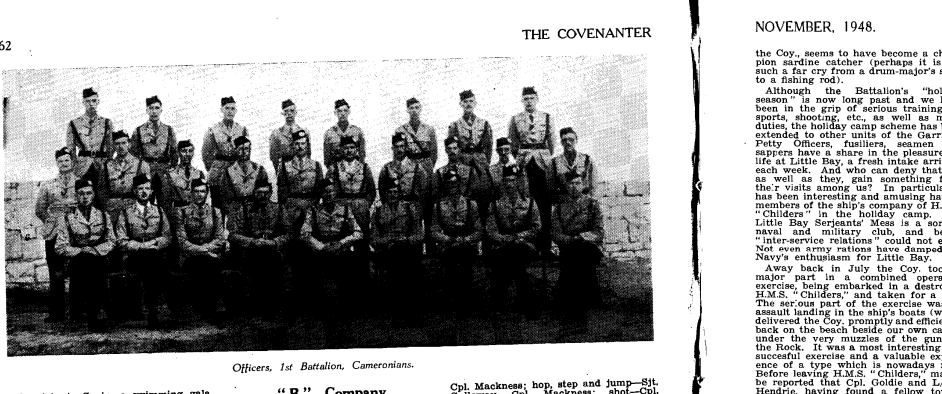
The regiment magazine The Covenanter was printed for the last time in 2008, and they published a selection of stories from former Cameronians. J M H Scott and his close pals are fondly remembered within these extracts from an anonymous young recruit:
"...we were taken to the mess at Buena Vista Barracks where all was very quiet. A large table was laid out with many gin and tonics already poured by two very smart orderlies in tartan and white mess jackets, the Mess Sgt explaining the officers were all at Sunday Service and the drinks were there to “quench their thirst after righteousness!” Minutes later, there came a loud rush of officers and guests and the party started. We newbies were made most welcome and plied with plentiful gins by such stalwarts as John M H Scott and Peter K Bryson. They had us party on until well after lunch (5pm) when it was suggested we change into civilian clothes as we would shortly continue the party across the border in Spain.
I duly appeared dressed in a rather hairy suit from RW Forsyth Ltd of Glasgow to which Bryson objected vociferously. He said a Cameronian officer could not wear such a thing and, aided by Lionel Smith proceeded to strip me of the garment, pour lighter fuel over same and set it alight. I went to Spain dressed in slacks and a shirt and I will not bore you with the night’s happenings but we only just made it to Four Corners Guard (at the frontier) before the gates were shut at midnight. I should add that Scott, Smith and Bryson took me to town the following day and bought me a new lightweight replacement.
The visit of the Bn Warrant Officers and Sergeants to the mess for Christmas drinks comes to mind. I was detailed to look after platoon Sgt Burns and Pipe Major John Matheson. When I asked the Pipe Major what he would like to drink, he replied, “I’ll have a whisky Sir.” I then asked him if he would prefer water or soda, to which he swiftly replied, “I’ll have a whisky Sir!” Instruction in highland dancing for officers was compulsory and I much enjoyed watching Messrs Smith, Bryson and Scott in particular on a cold Trieste morning kicking themselves to death trying to master the various steps."
Scottie's romance
While back home on extended leave in 1949, Scottie kicked up his heels and fell hard for a girl his family didn’t approve of. When we say family, we mean his mother Sybil, Aunt Evelyn and Granny Lady Hewitt. They bullied him out of marrying the very pretty half-Indian art student introduced to him by his cousin Jim. In no uncertain terms, Granny told John that if he insisted on marrying this girl, she would not leave the money she had ear-marked for him in her will, but only the interest on that money.
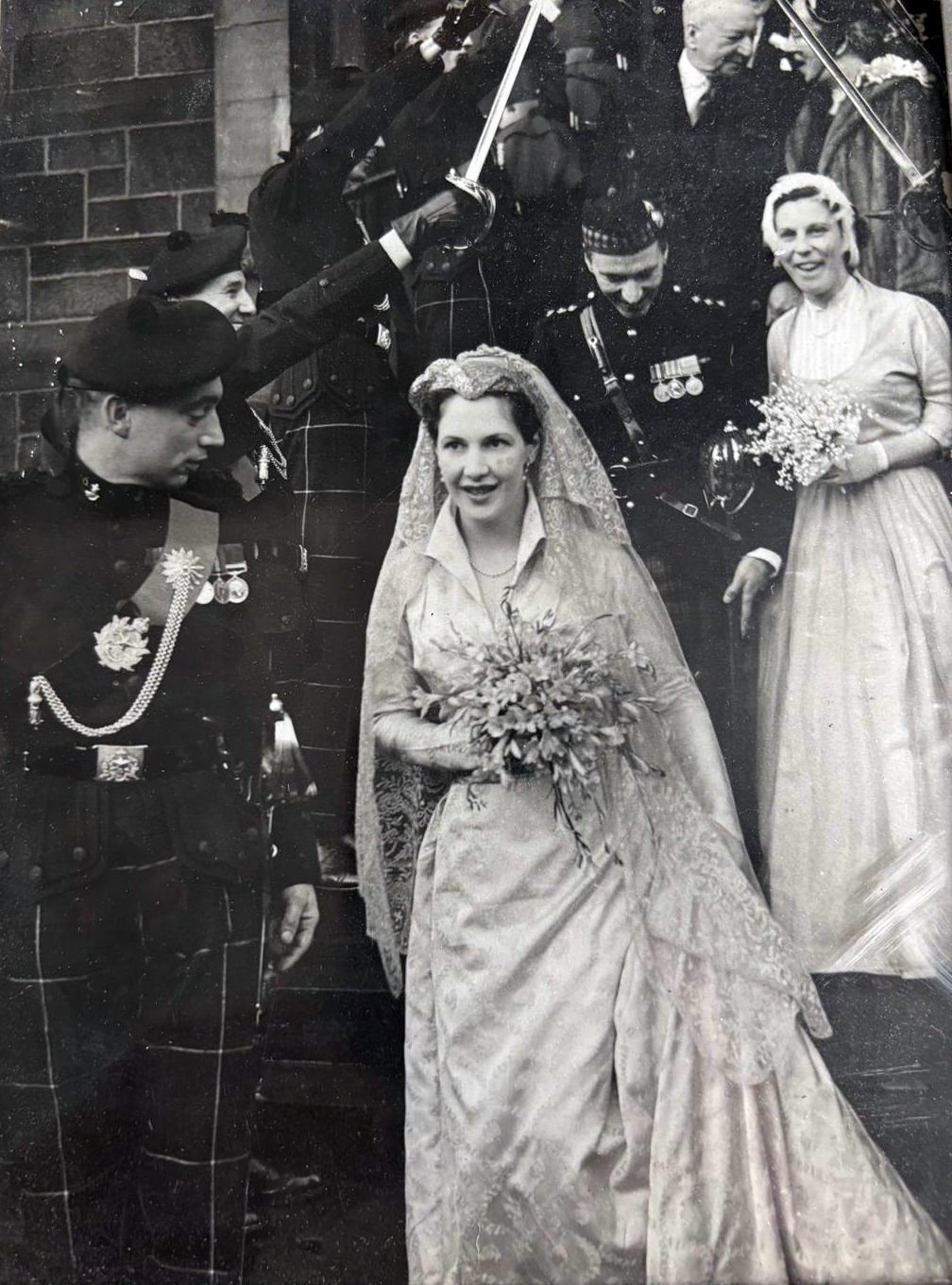
Scottie had to wait for his next extended leave in 1953 to find himself Miss Right. The story goes that he was staying with friends who were about to go to a wedding in Glasgow, and with nothing better to do, he asked if he could tag along. Amongst the legitimate guests, our gate crasher met Lora Rutherford Miller, a real livewire studying Art and Architecture at Glasgow School of Art (creatives were obviously his type) with energy levels and a sense of fun that more than matched his own. This time, his mother was given no opportunity to veto his proposal as they got engaged that very night!