Sir Fred & Lady Eve


.jpg)


%20and%20Evelyn%20(right)%20studio%20portrait.jpg)


%20Aug%201911.jpg)

%20on%20the%20croquet%20lawn%20at%20Eastcourt%2C%20Sheringham%201912.jpg)


%20in%201925_%20She%20was%20a%20woman%20who%20rarely%20smiled_.jpg)


_.jpg)


_.png)


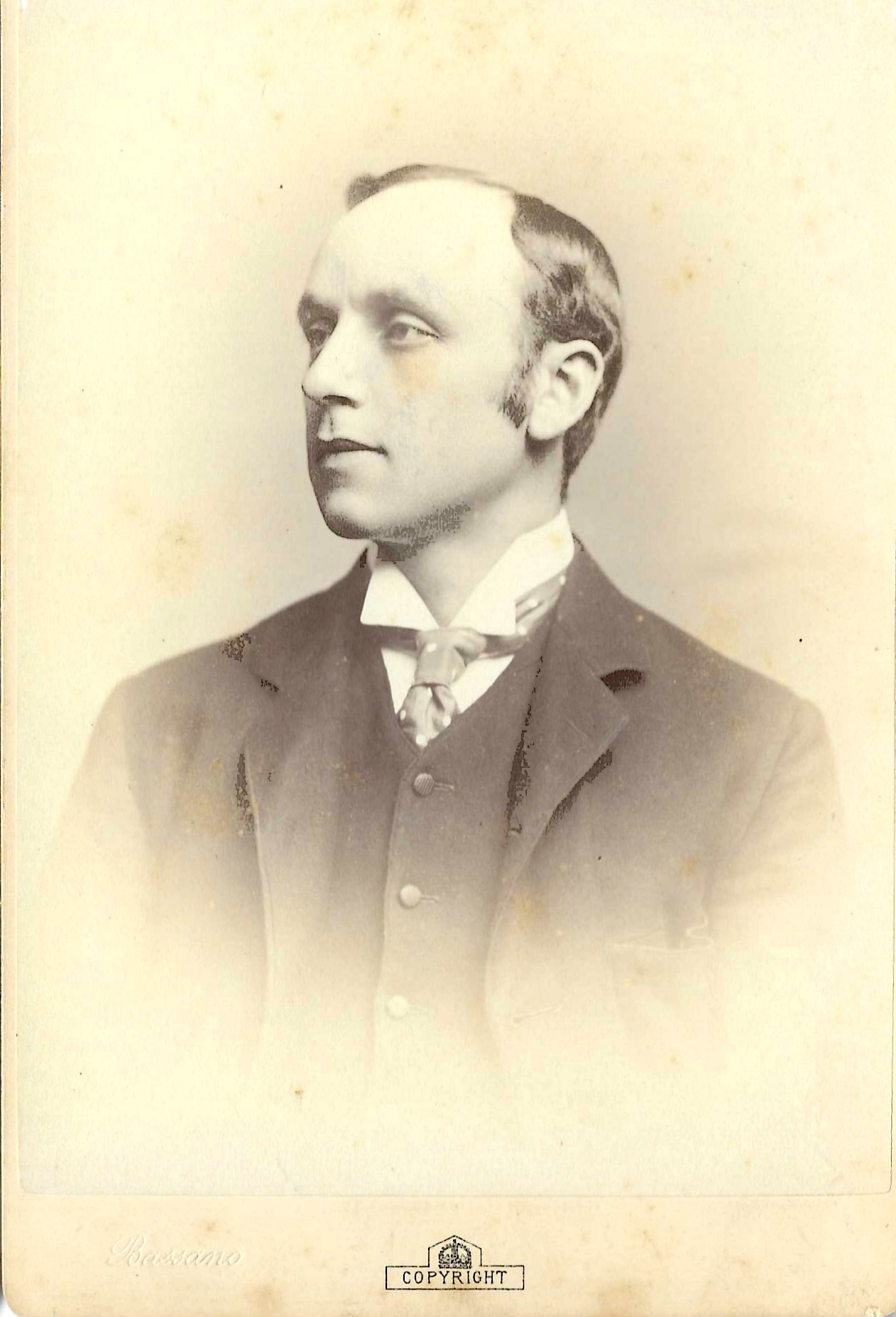
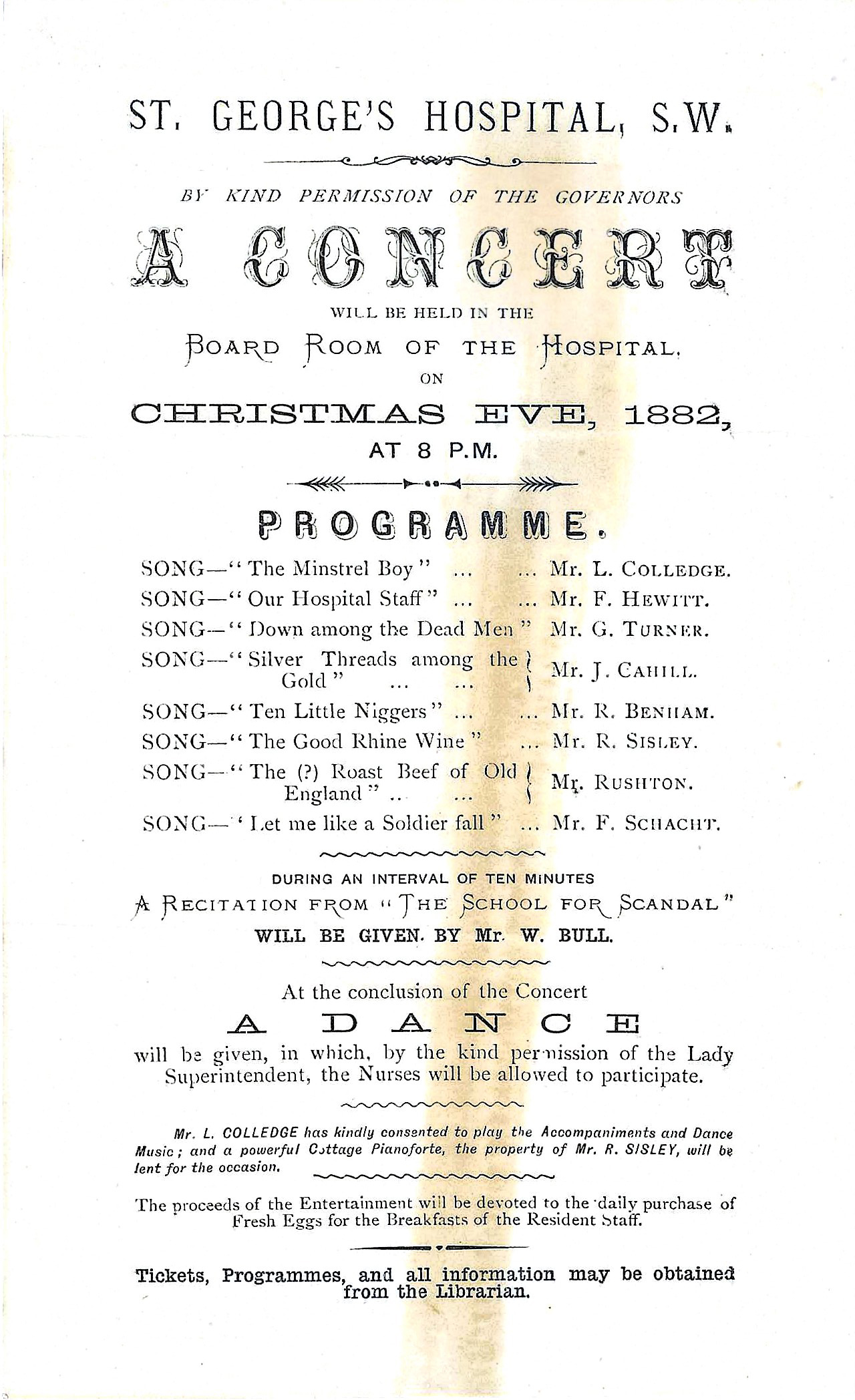
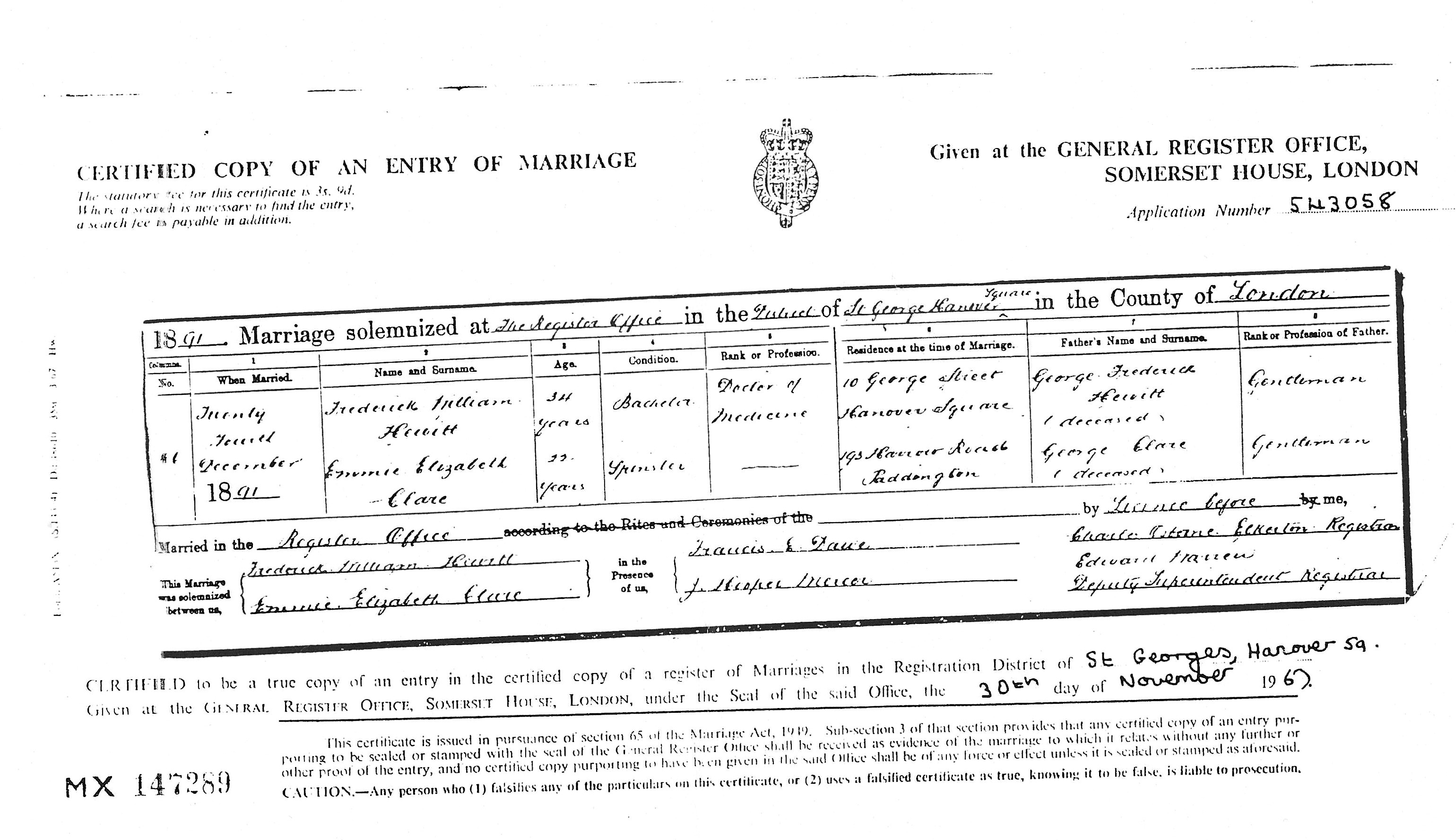
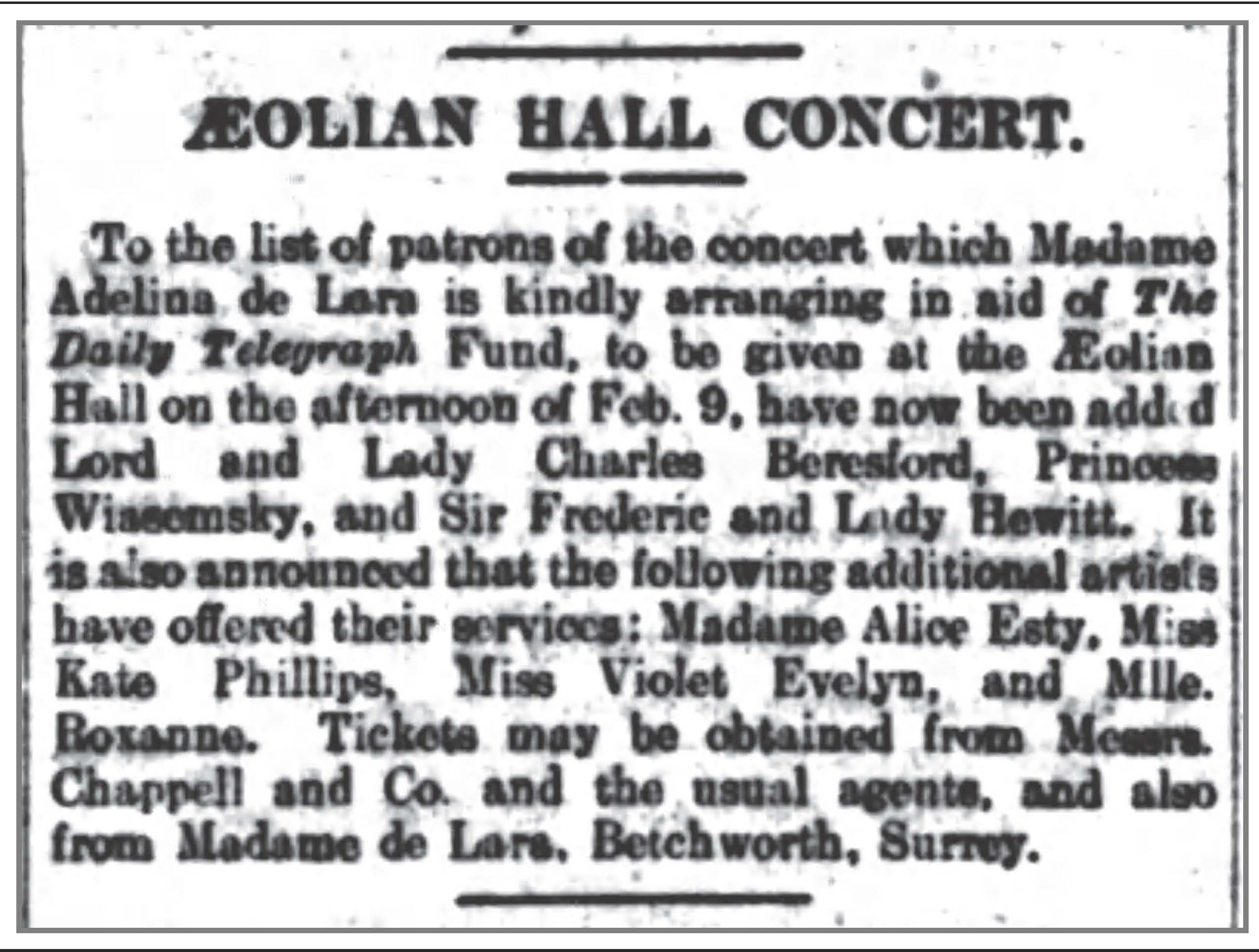
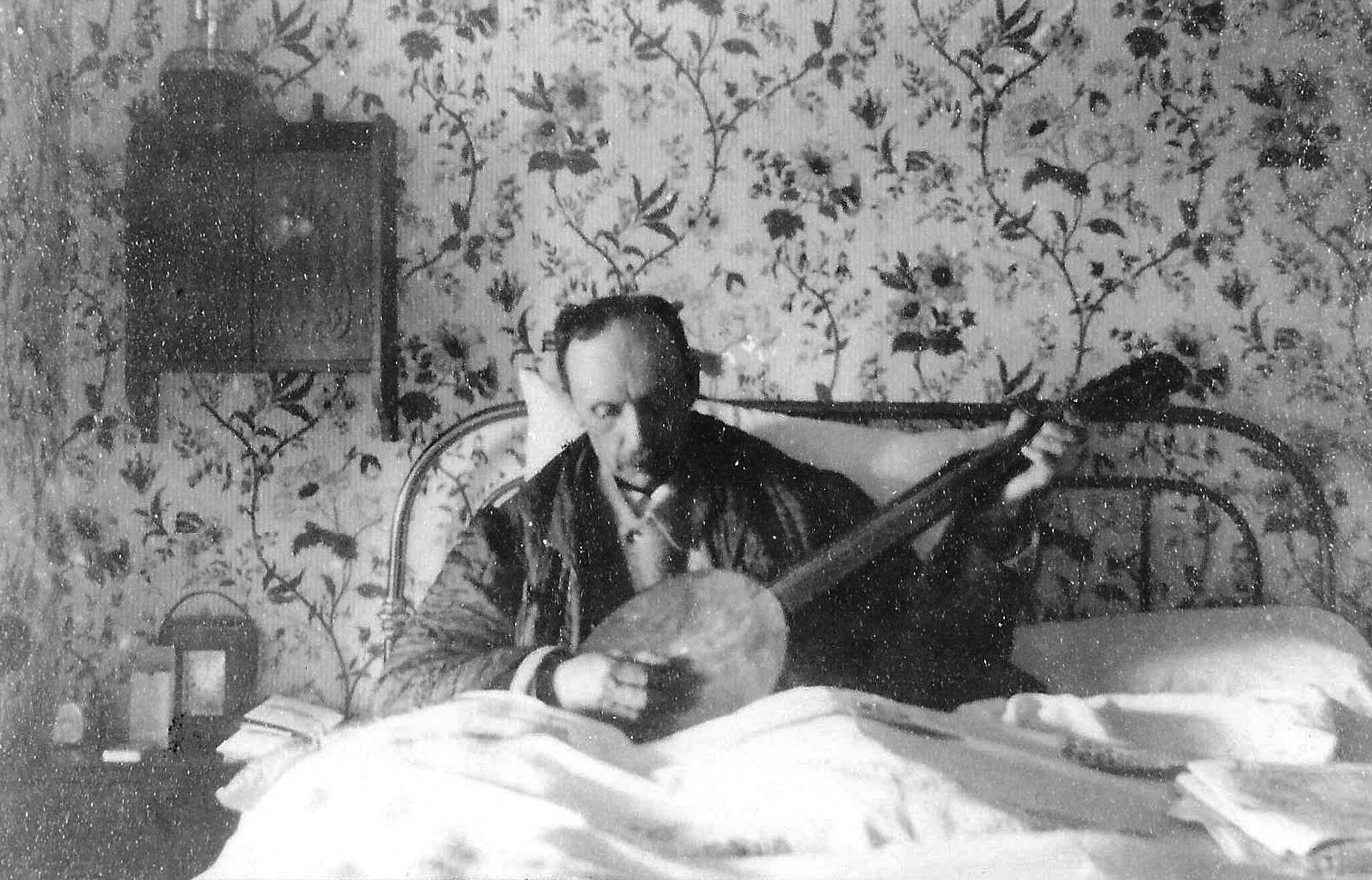
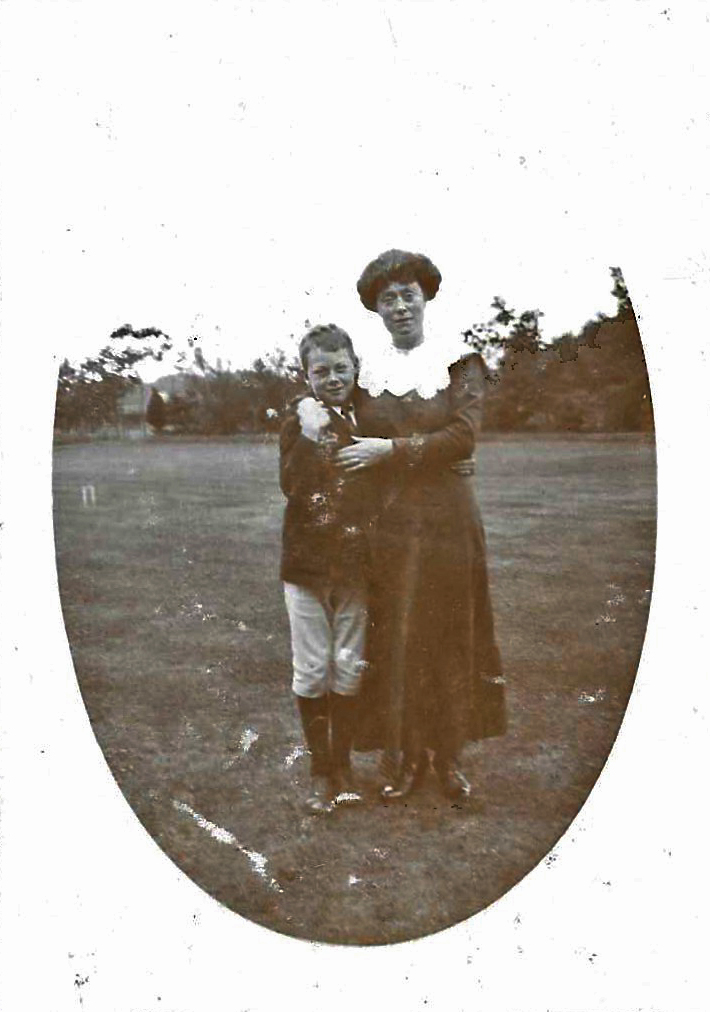
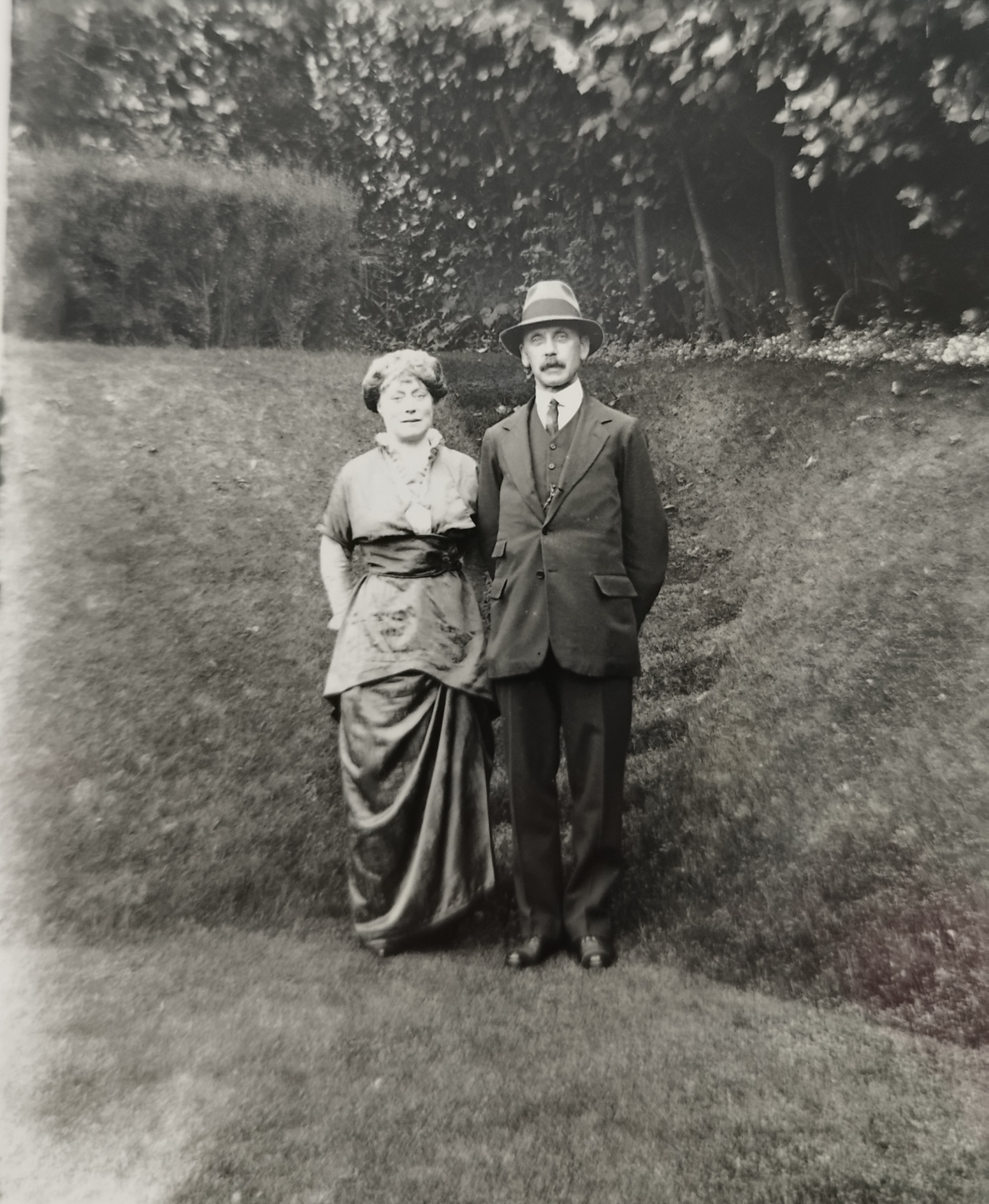
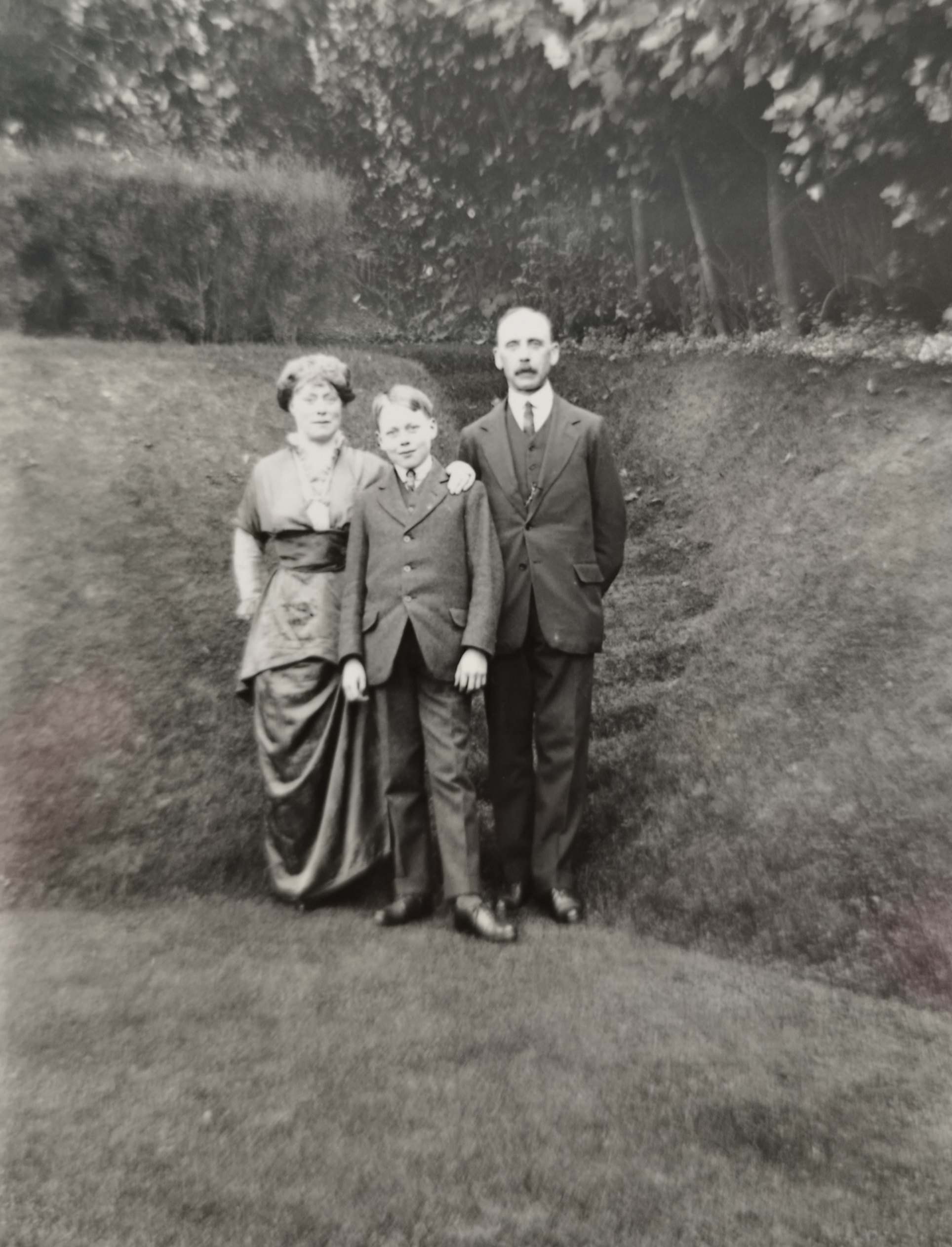
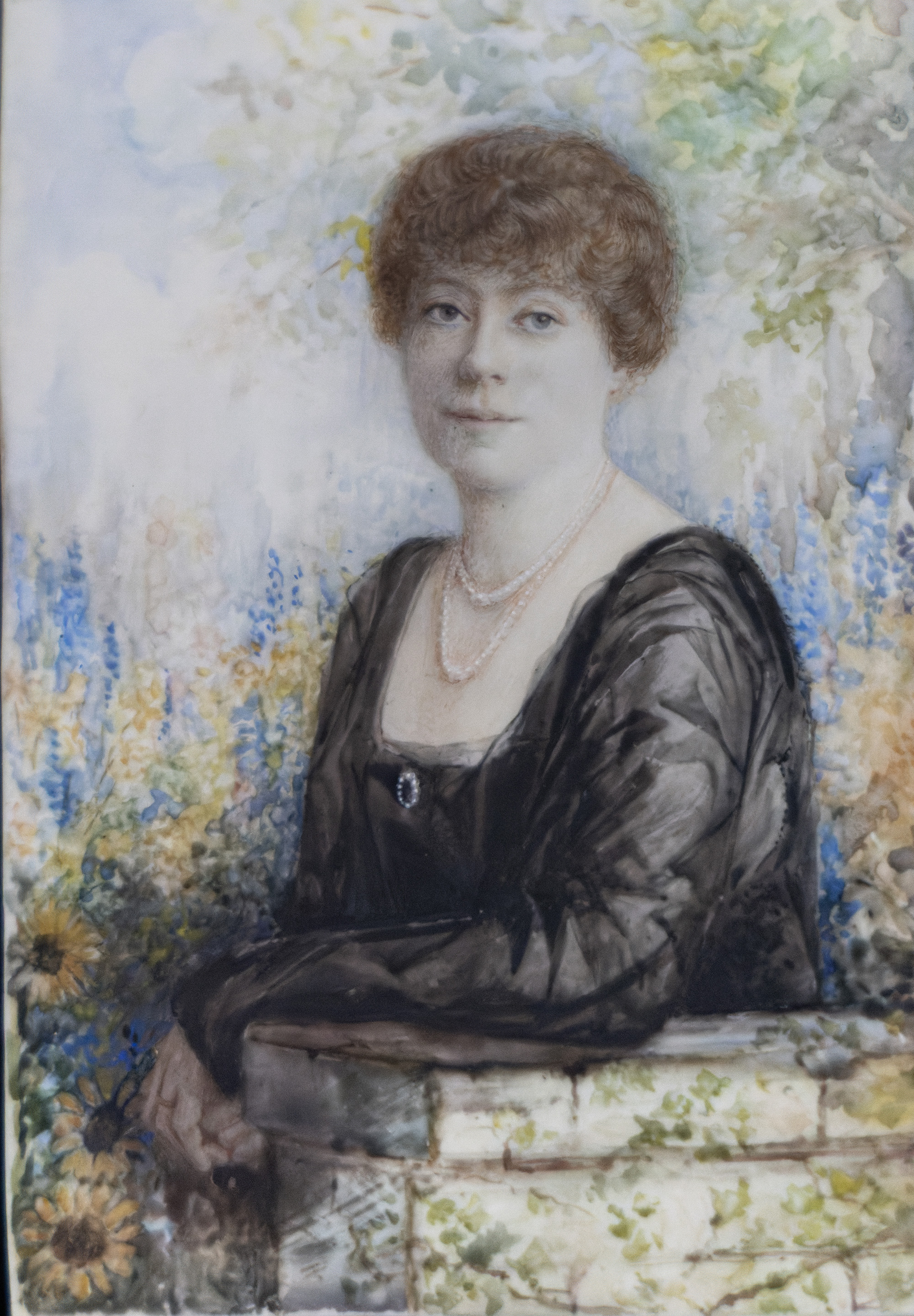
Stories and memories
Wyn: "Rather surprisingly, Dad sailed close to the winds of authority on a few occasions and was nearly sent down for playing a practical joke on some fellow students. He drugged them and left the buggers unconscious on the steps of his college. Putting his early medical studies to good use! He eventually was sent down, this time for plastering election posters all over the windows in Christ’s quad.
He was a very popular chap and women loved him. He became involved with a nurse who got in the family way and because he was such a gentleman, she was able to blackmail him for the rest of his life. My mother soon put a stop to that after he had gone but I heard nothing about the half-sibling I must have floating somewhere in the world.
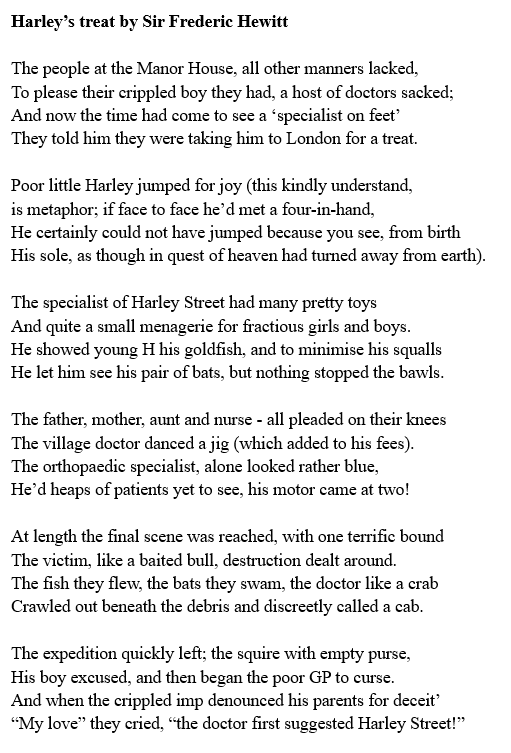
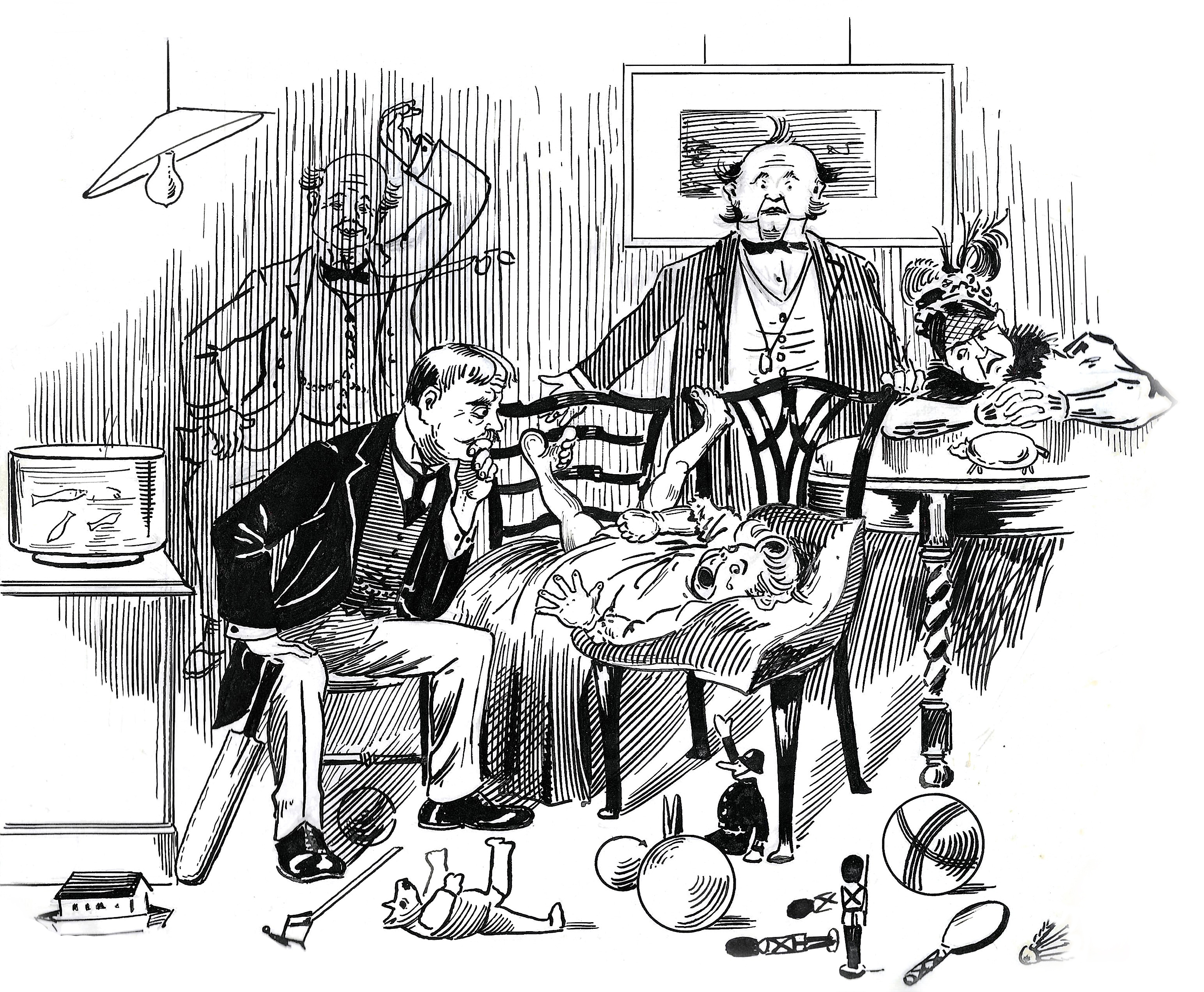
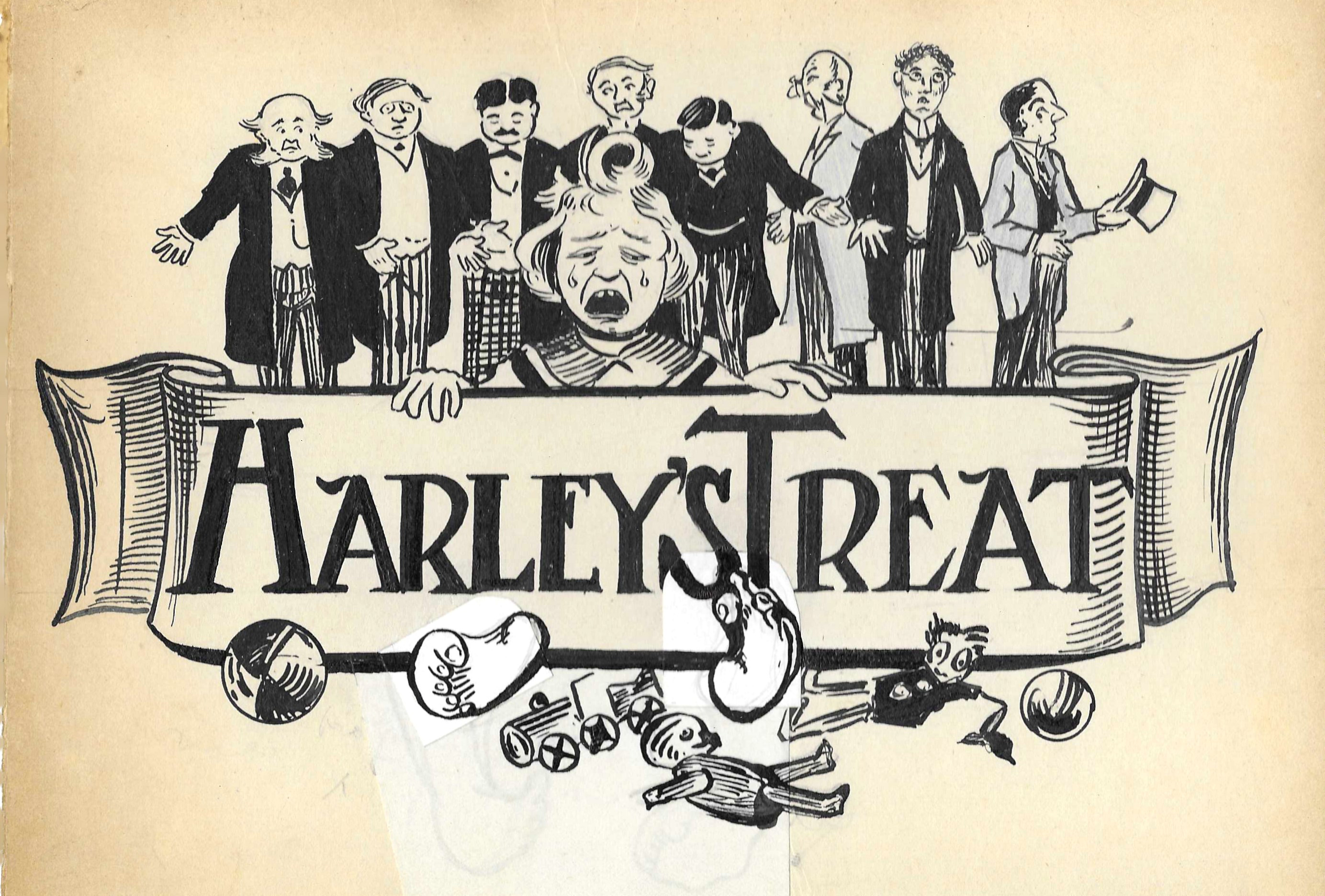
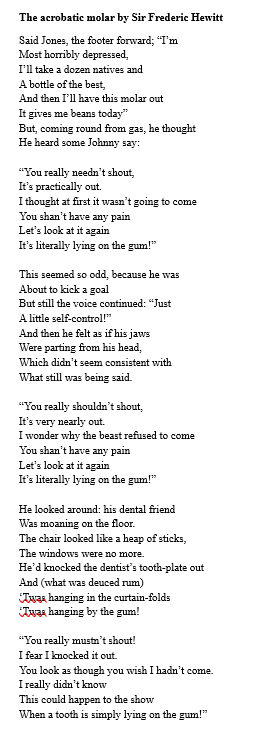
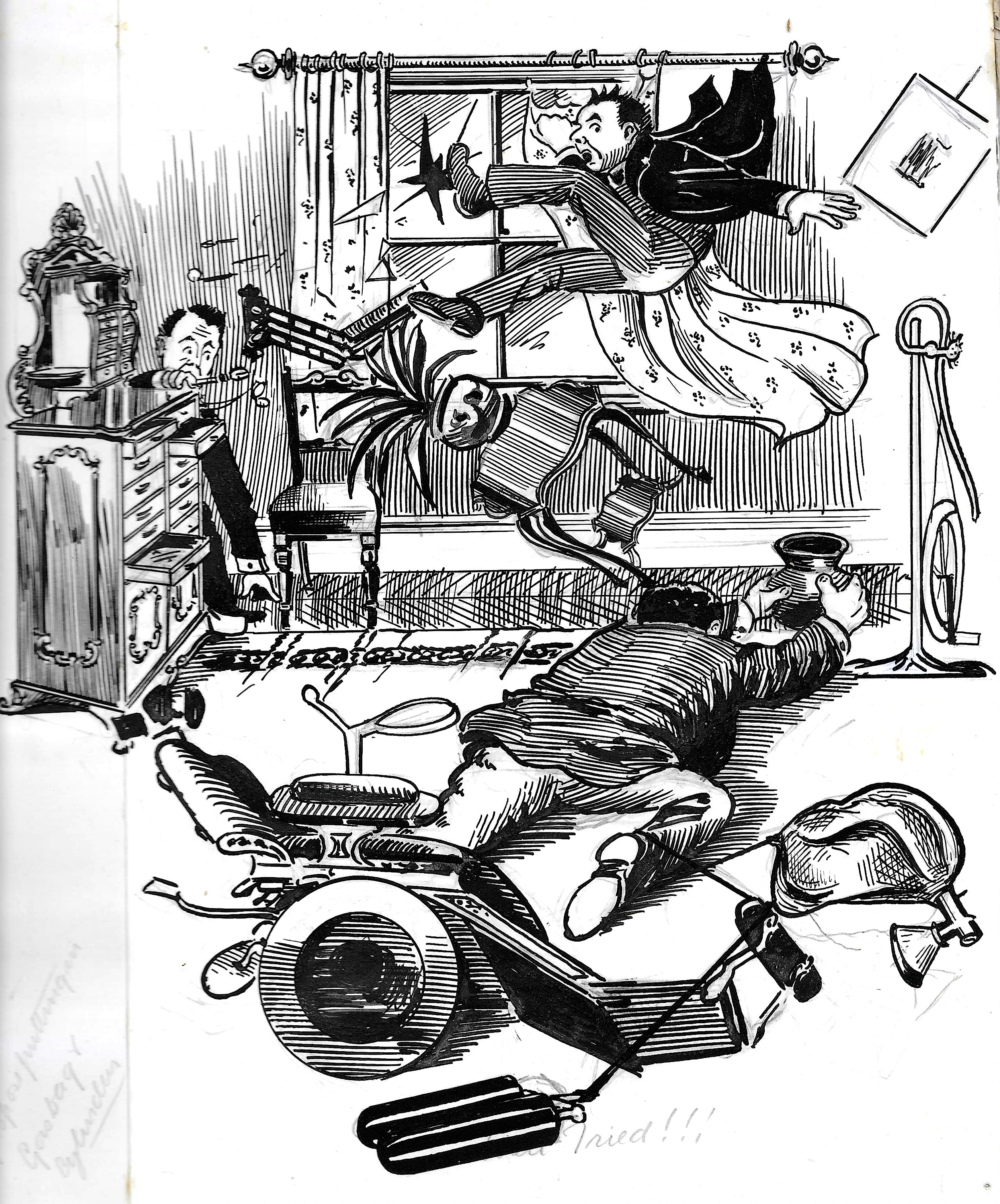
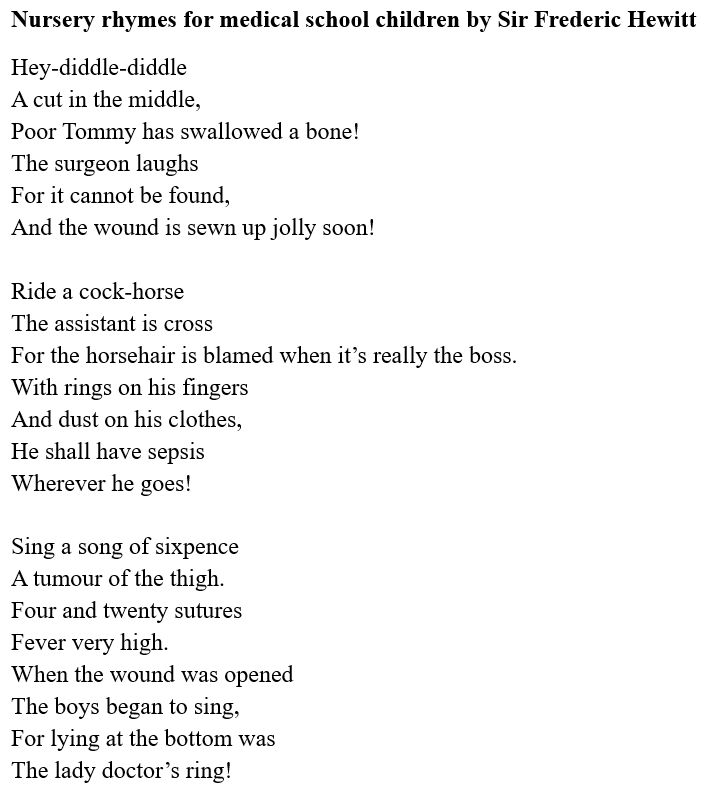
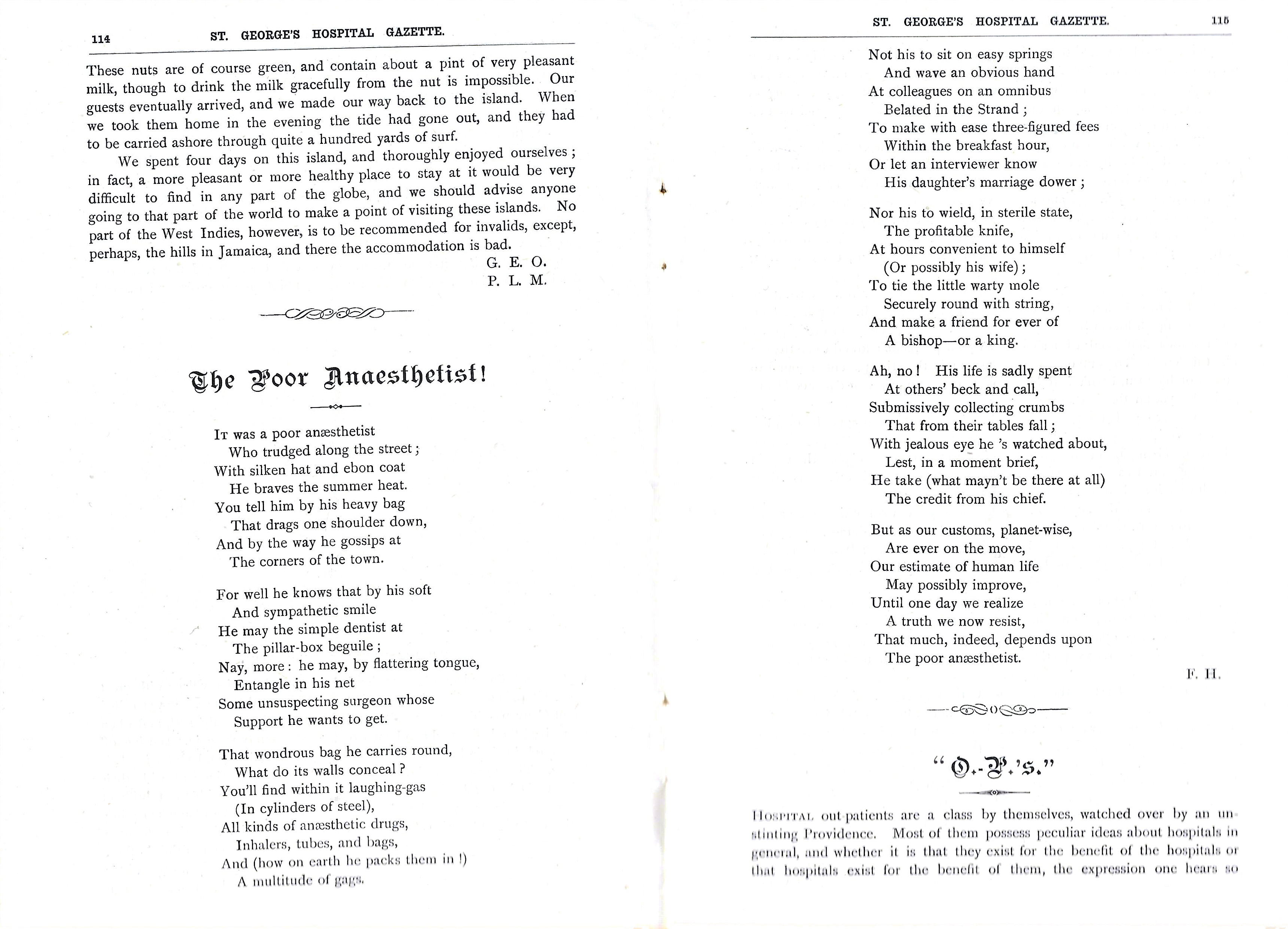
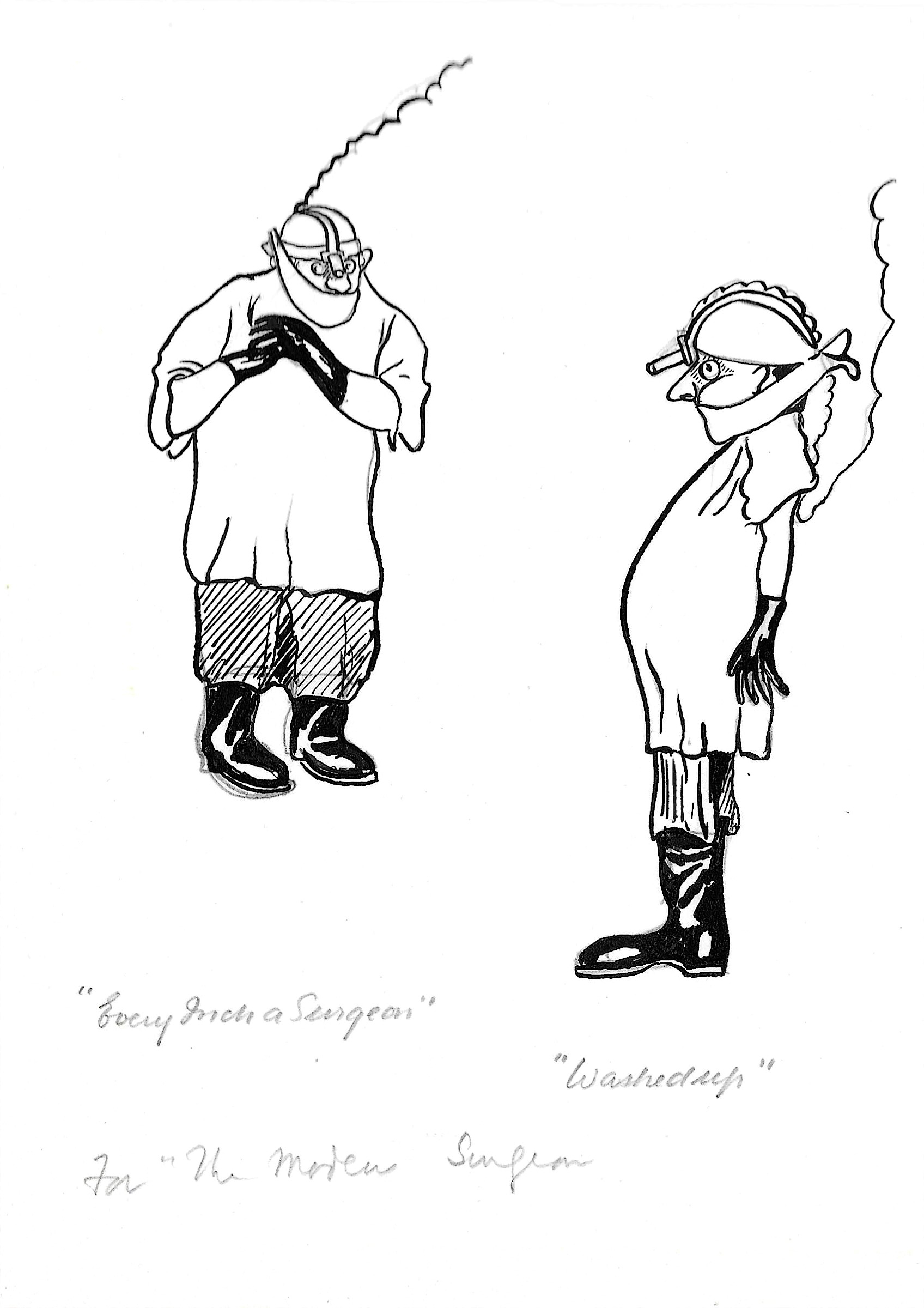
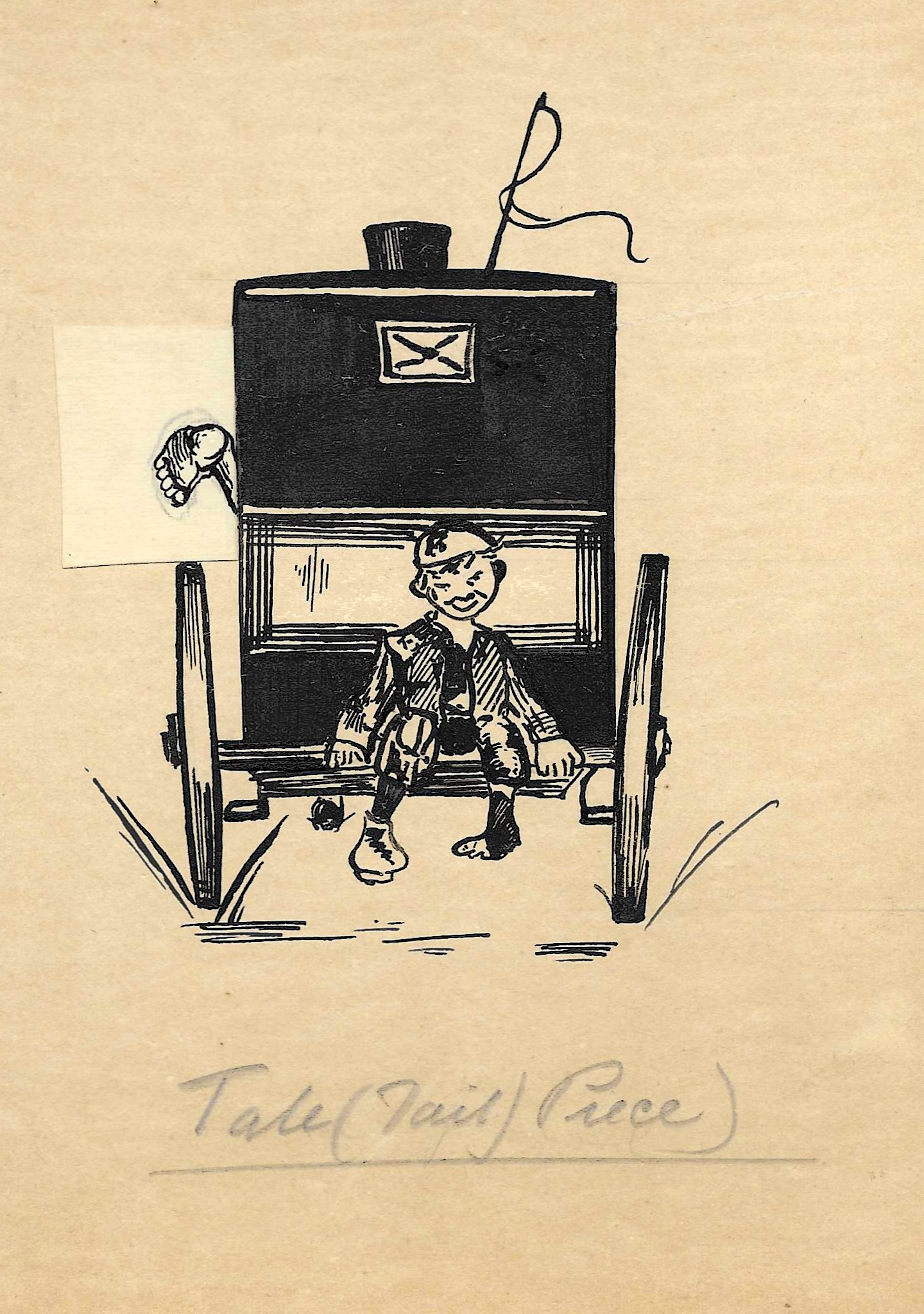
Dad penned jolly amusing rhymes and his freehand illustrations were of a professional standard. After he had help set up the Hospital Gazette, it published some of his ditties. It was a most surprising talent for a medic!"
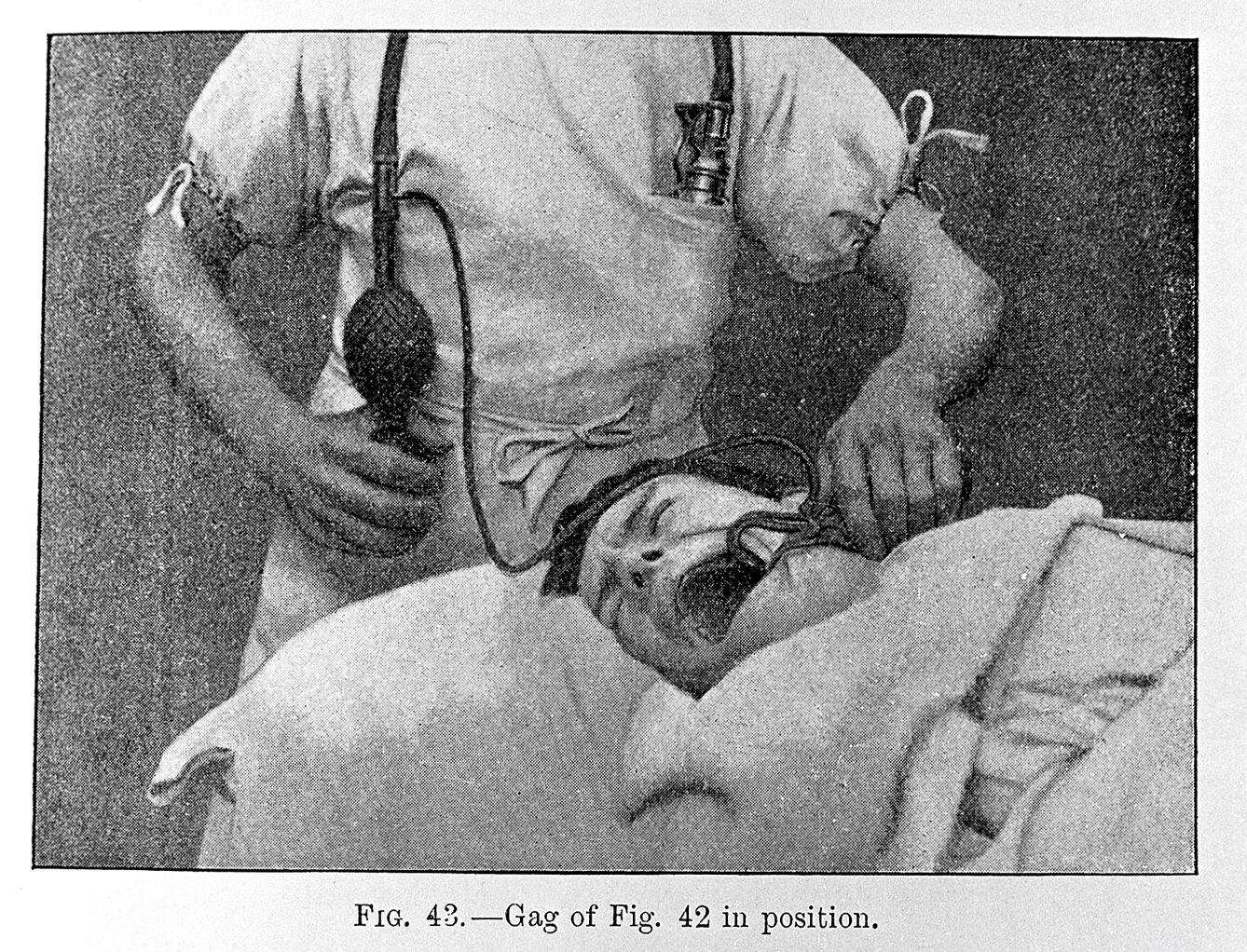
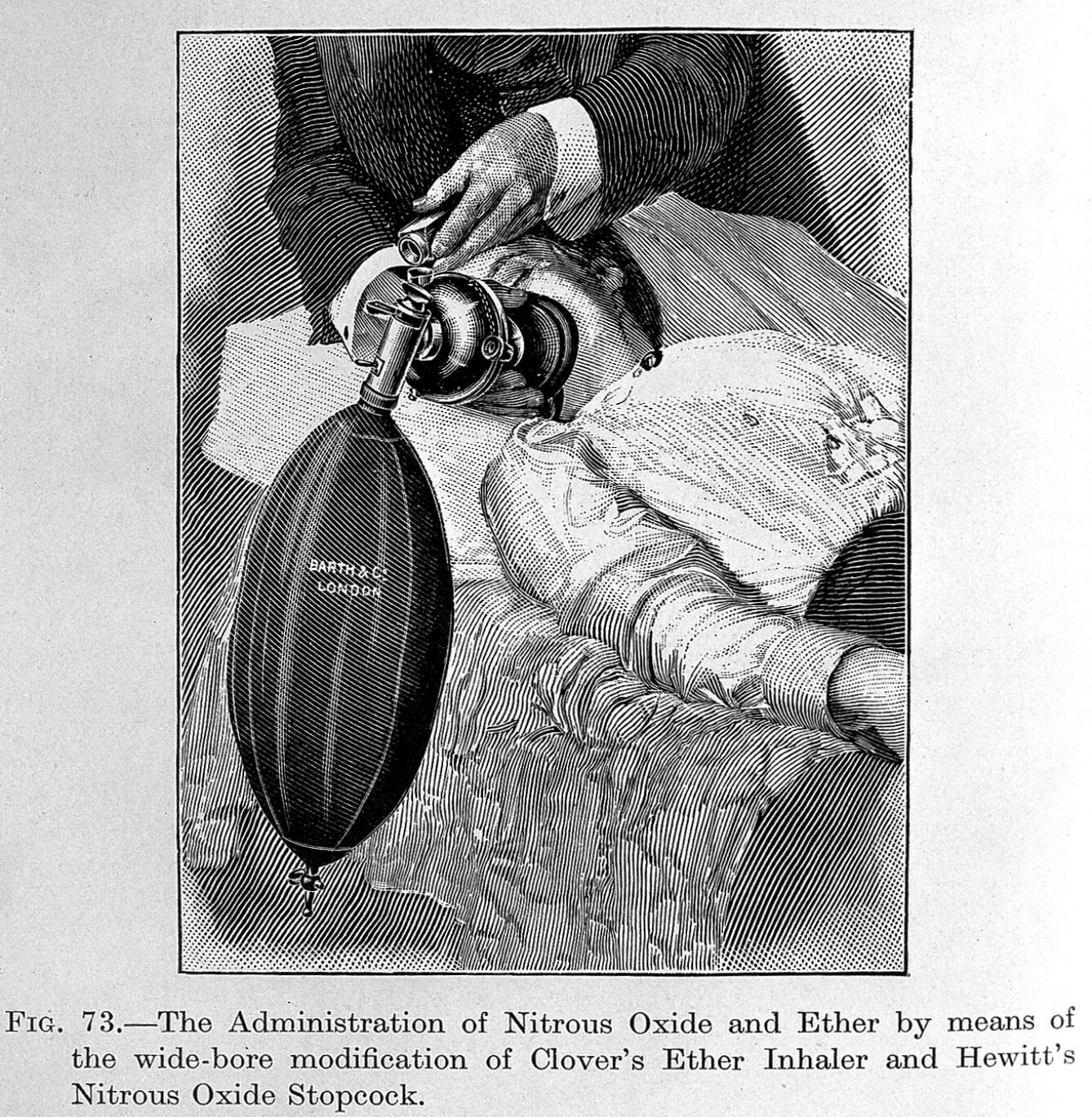
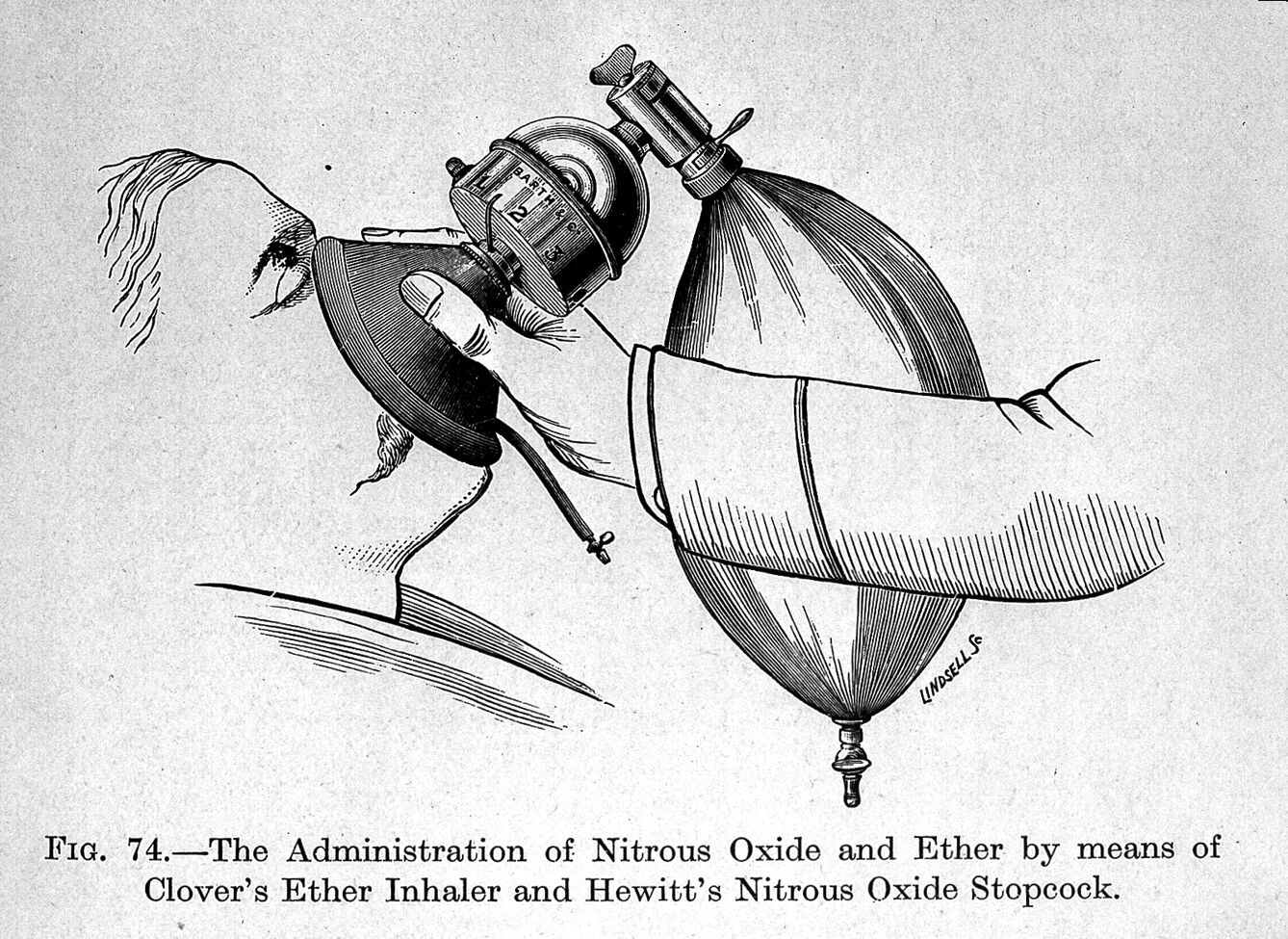
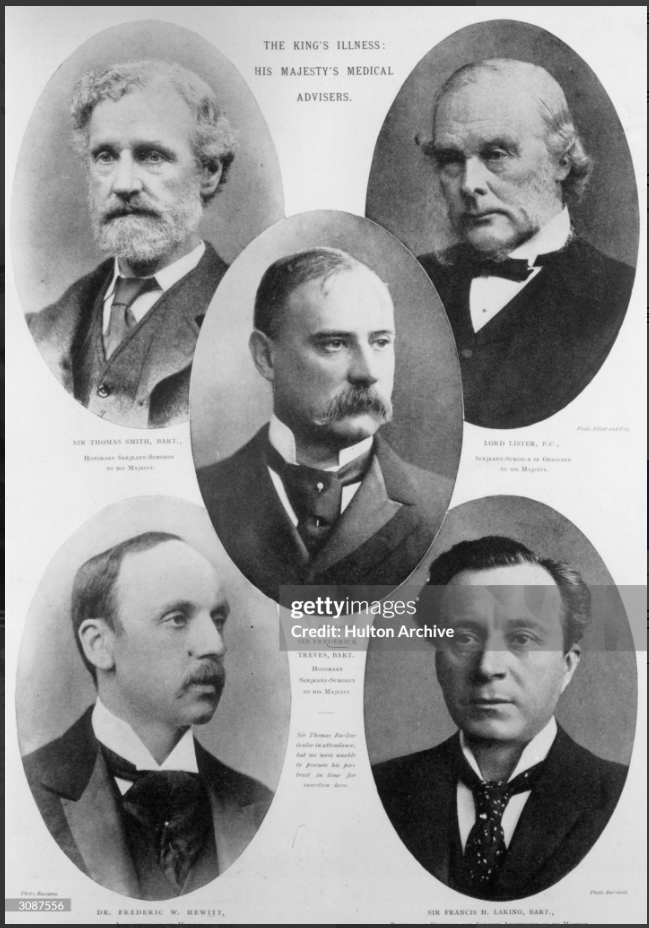
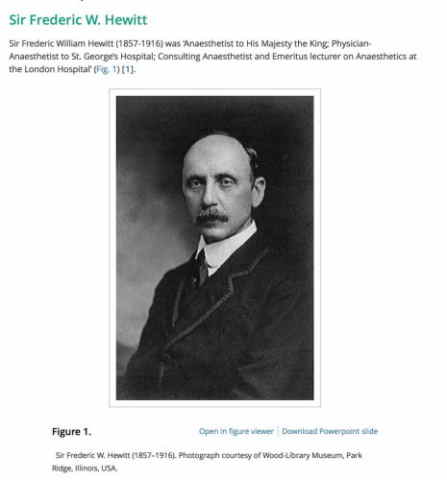
Wyn: "Dad was completely dedicated to his work, and probably did more for the profession of anaesthetics than any other. In the 1880s anaesthetics as a profession was almost unheard of. He wanted to change all that by establishing structured training and improving the way drugs were selected and administered. He set about his most important cause yet: persuading the GMC to include anaesthetics in the medical curriculum. Of course he succeeded but it took him nearly seven years."
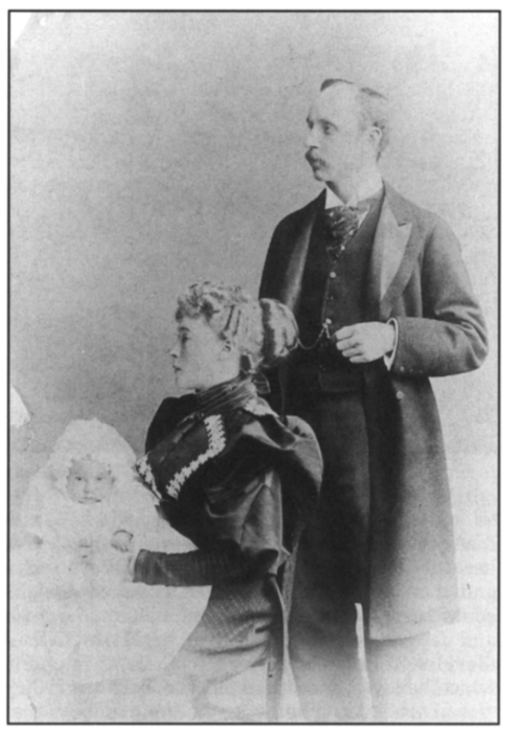
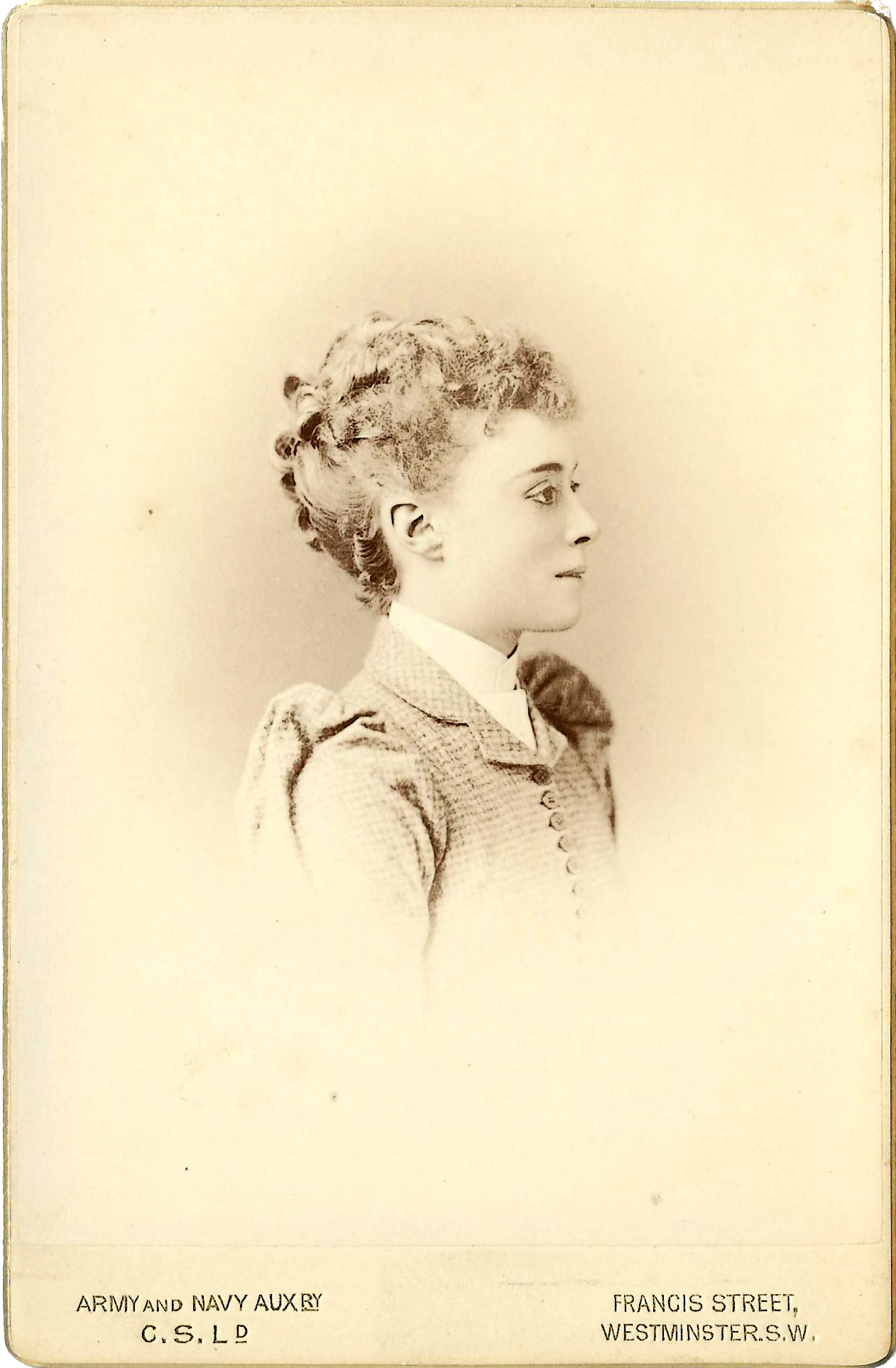
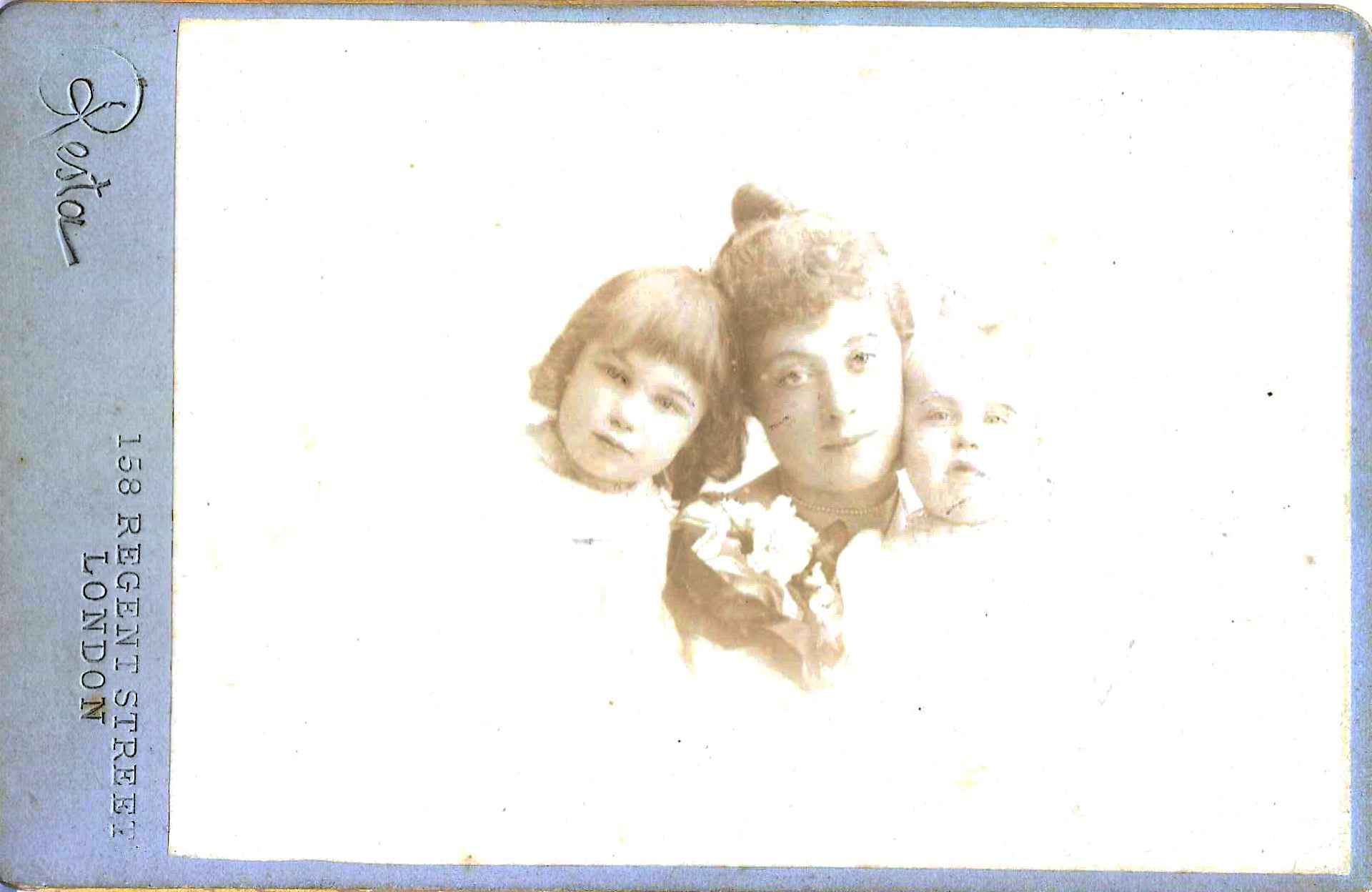
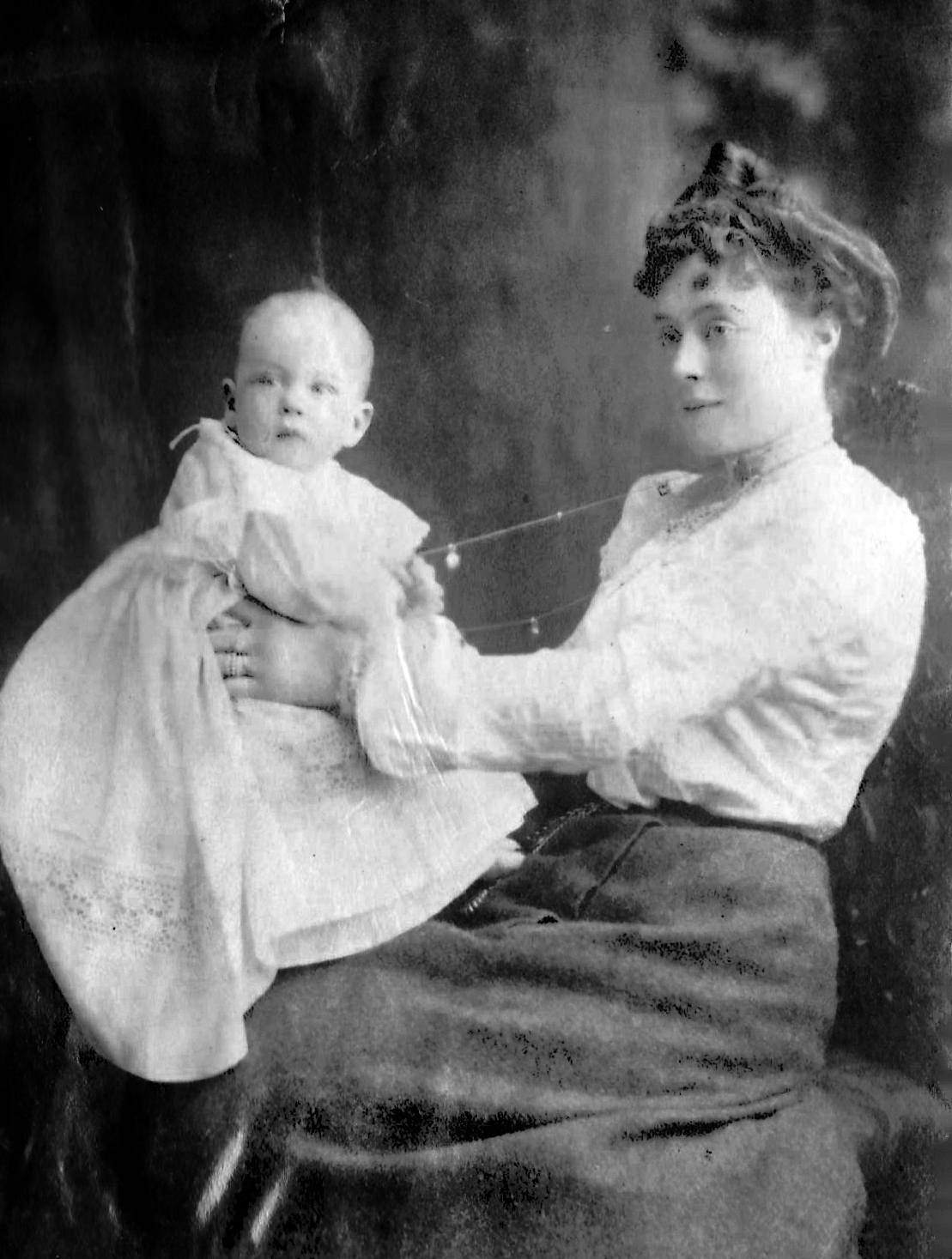
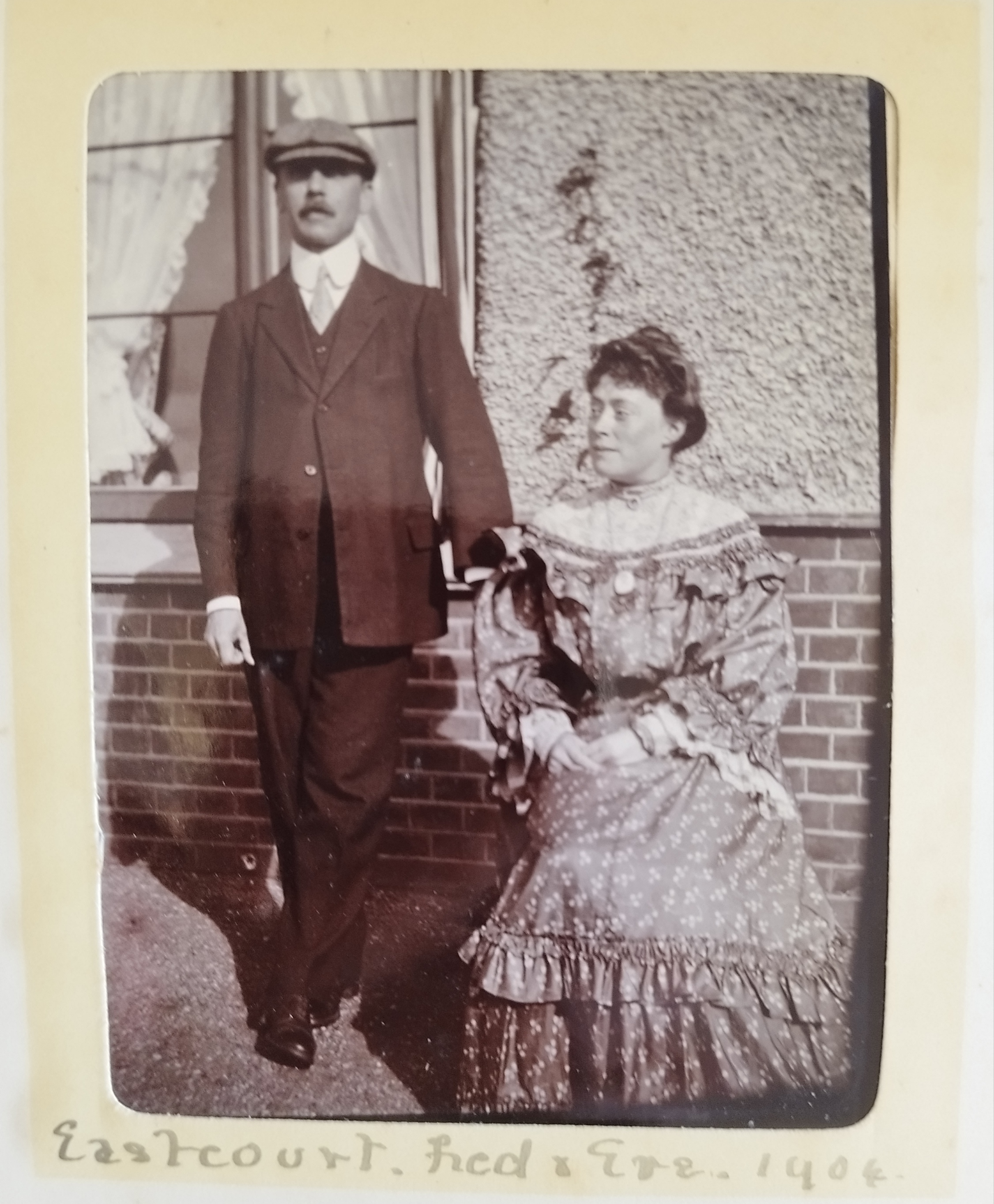
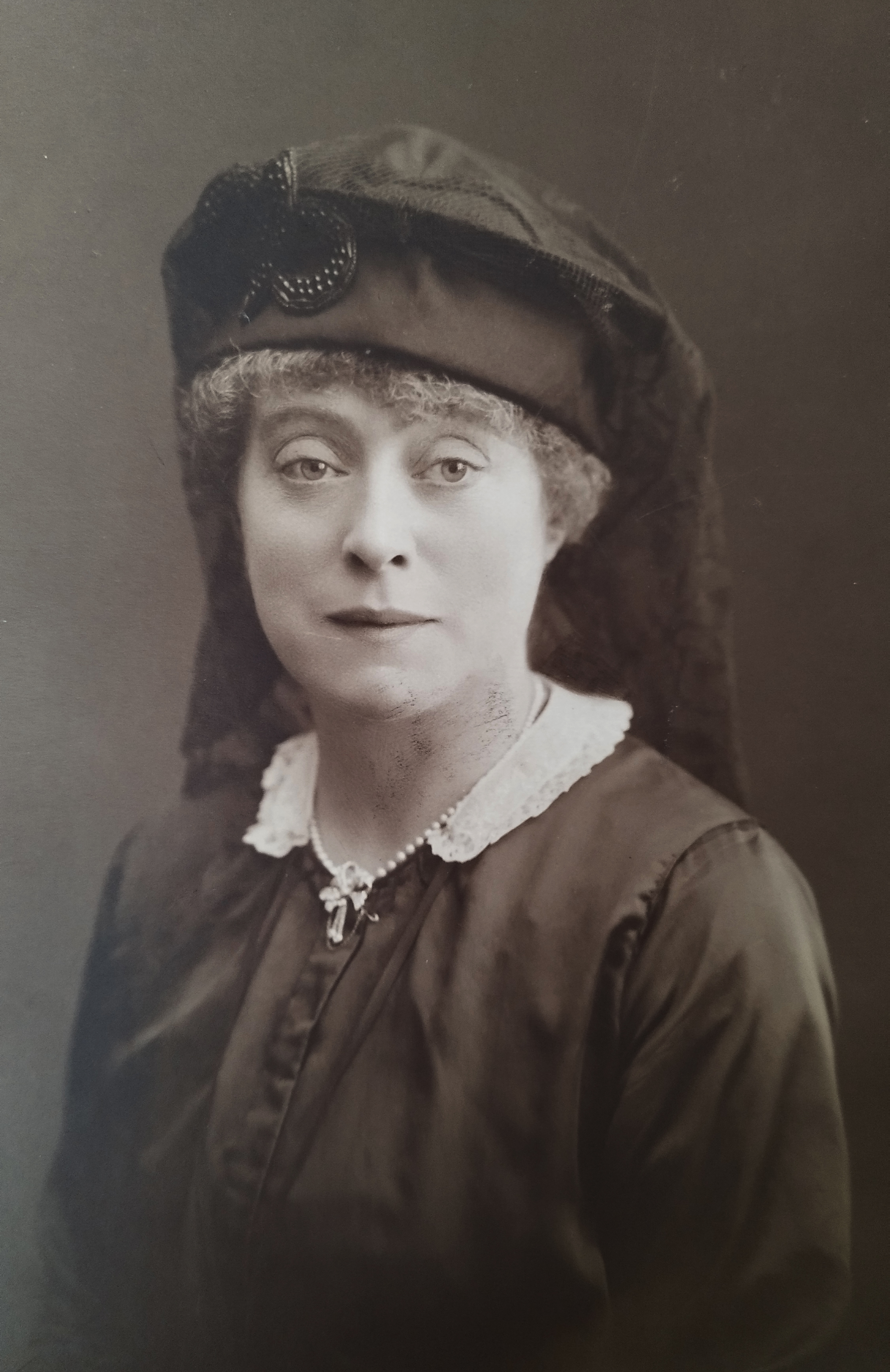
Wyn: "No one is sure how my dad met my mother, Emmie Elizabeth Clare, or Eve as she came to be known at her own insistence. There was talk of her doing something or other in a beauty parlour in Mayfair, but I cannot fathom how this might have offered up an opportune meeting with my dad who was certainly no swell. But then so much about my mother was a complete mystery and of her early origins we know nothing as she never spoke of them.
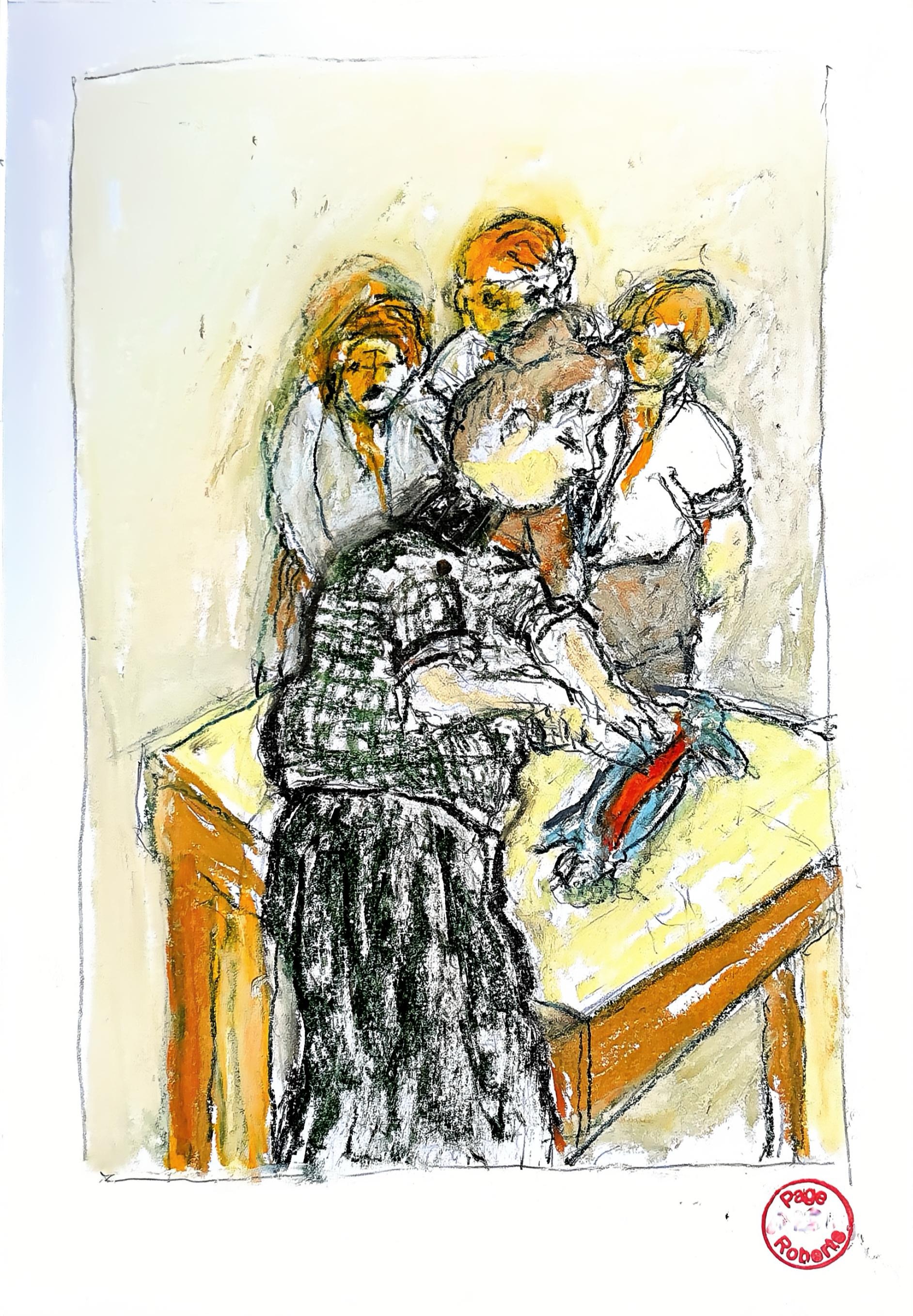
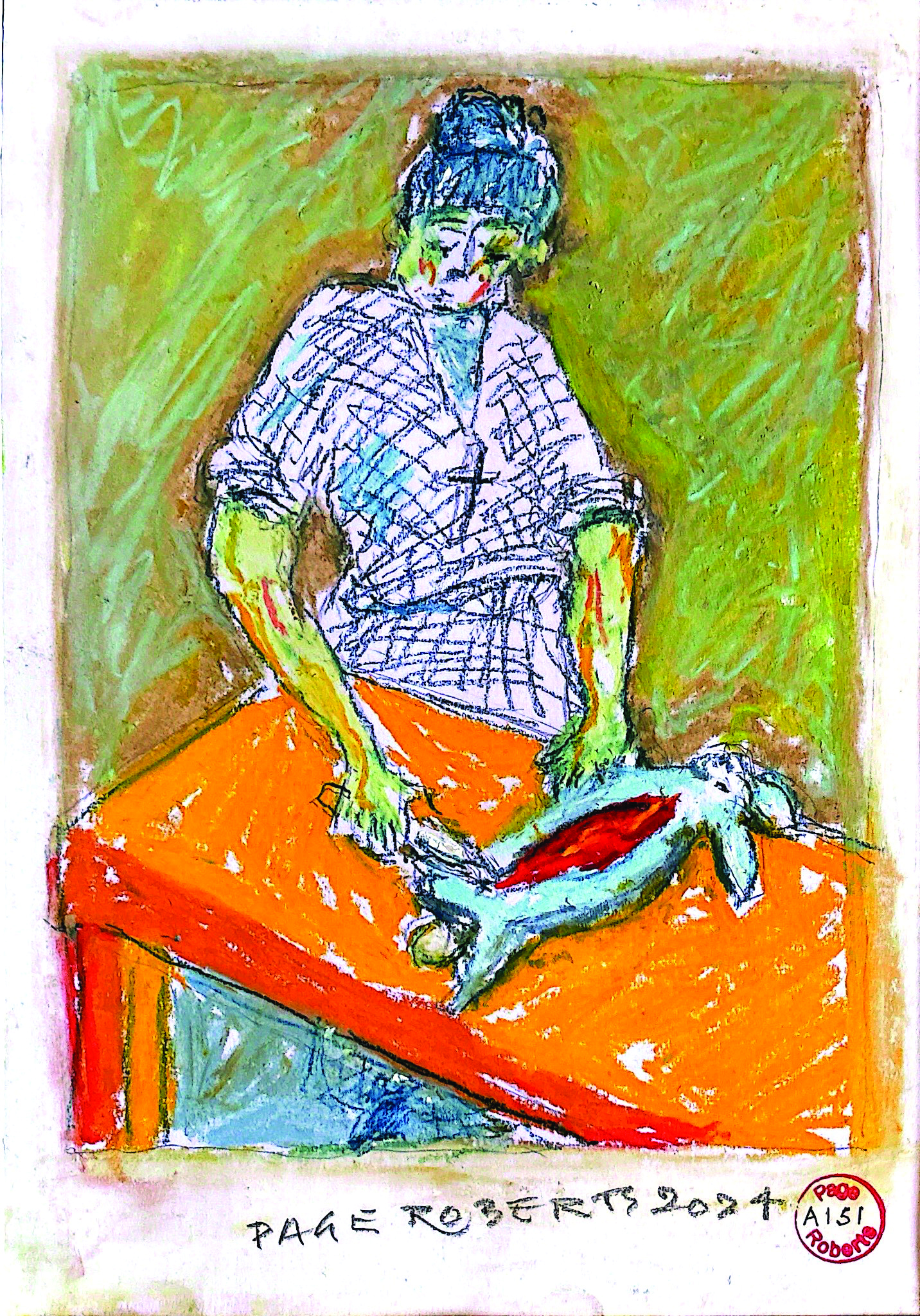
Even though her father, a George Clare (deceased) was listed as Gentleman under ‘Profession’ on my parents’ marriage certificate, there was nary a photo nor letter of his ever seen, nor of any other relation. Family scuttlebutt suggested she was from farming stock but again, there is no evidence unless you count the rabbit anecdote. The story goes that while Mother was staying at Silchester with my sister Evelyn later in life, my nephew Jim shot a rabbit and brought it into the kitchen where he prepared to paunch it. “I’ll do that!” Mother commanded. This from a woman who never offered to do anything for anybody! She pushed up her silken sleeves and set about the still-warm beast with gusto. Fur flew and guts spilled – the job was done in minutes which might suggest she was completely au fait with farming life.
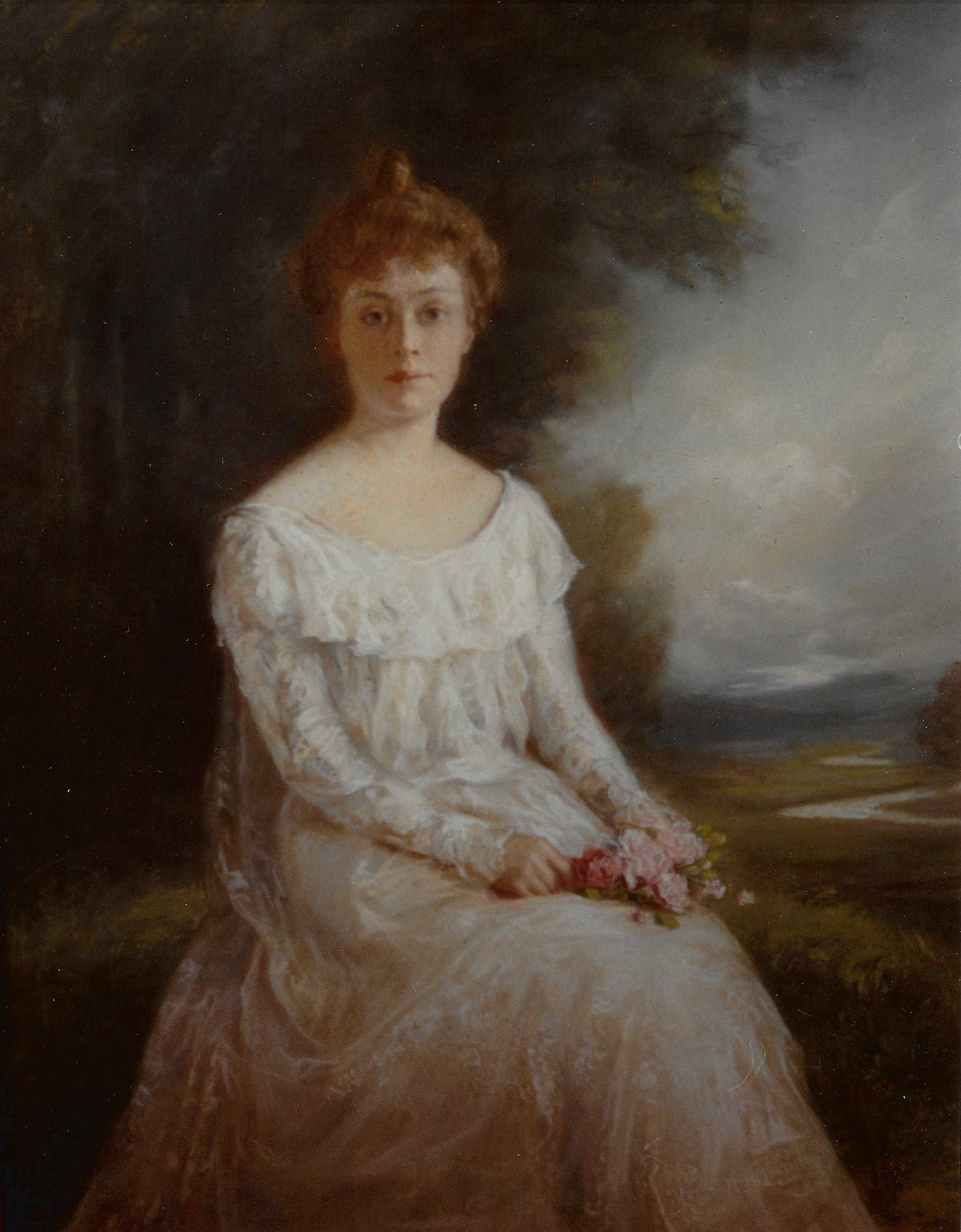
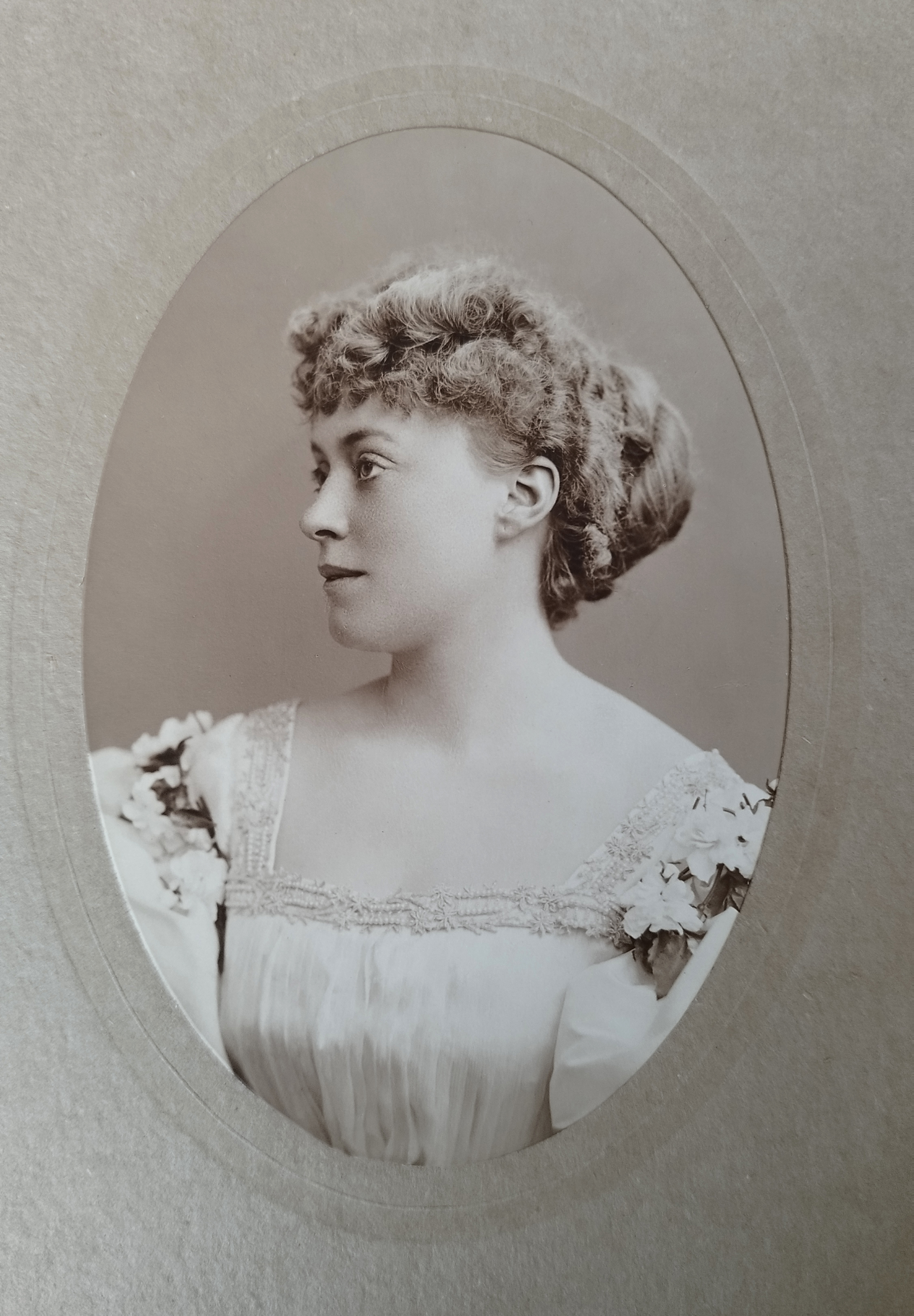
Whatever her origins, she was an extraordinarily beautiful woman in her youth; petite with lustrous hair and porcelain skin. I sense she had studied hard to mask any inadequacies in both accent and behaviour she might have previously owned. She adopted an overly grand demeanour which, only when older, did I understand to be learned and not necessarily warranted. My sister Evelyn tells a good tale of walking through Soho with Mother when their path became blocked by a group of uncouth youths. “Aside scum!” she commanded imperiously, and they parted like the Red Sea."
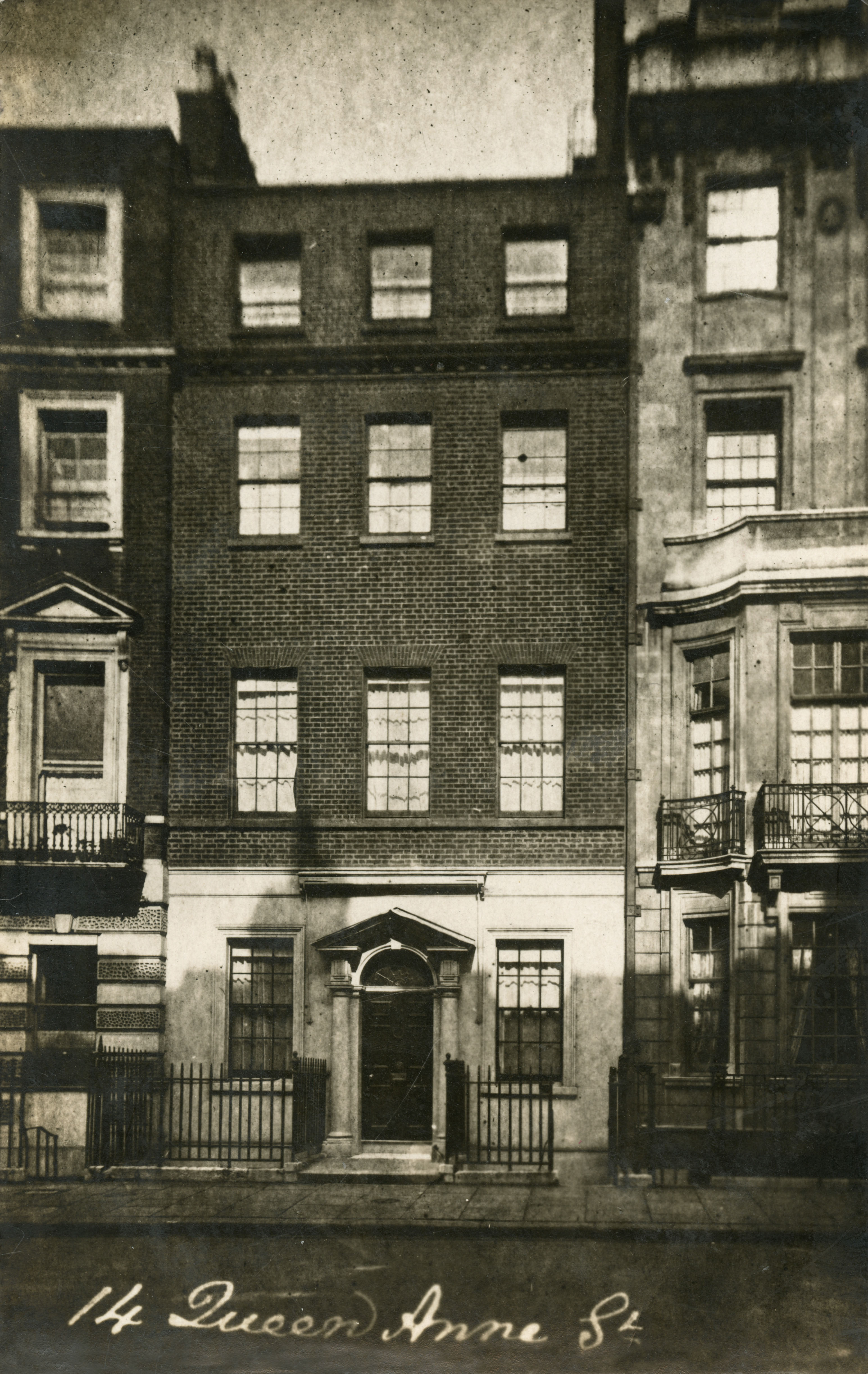
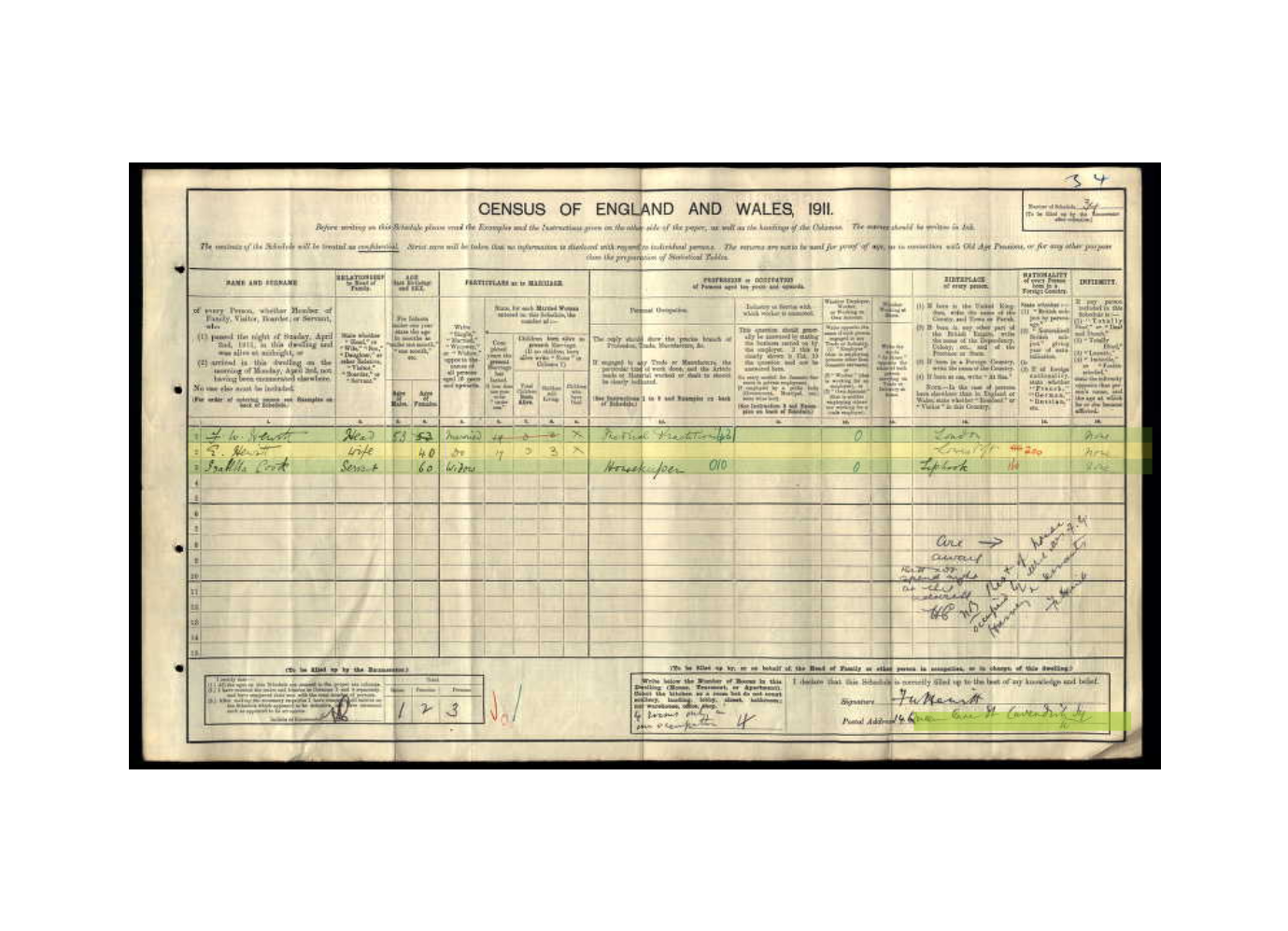
Dec 8 1898 – The family moved from their George Street lodgings to 14 Queen Anne Street.
Evelyn was two when they first moved in and later remembered it as a warm and happy childhood home:
"On the eastern side of Marylebone, 14 Queen Anne Street was a really lovely terraced Georgian house which was sadly bombed in WW2 and even worse, later turned into modern flats. It had a large kitchen in the basement which we were never allowed to go into as it was cook’s kingdom. She was quite scary, and I always felt a bit sorry for the tweeny who did all the horrible jobs. I particularly remember her constantly cranking the big Catherine wheel knife machine with her skinny arms every time the knives were used as this was long before stainless steel. I also remember cook separating out her ‘parts’ of dripping which she sold to the butcher although we were occasionally allowed to have the delicious fatty solids spread on hot toast as a treat. We also had a parlour maid, a secretary to Dad who came in the evening when Dad was writing his books, a coachman called Chilton and two bell boys.
On the ground floor was a long passage, Dad’s surgery and the usual offices off his smart consulting room and then the dining room which was very formal and busy with nick-nacks. On the first floor was a big L-shaped drawing room. Mother loved the pretty floral print of Rose du Barry, and she had it all over the room in a beautiful soft pink. There were vases of fresh flowers everywhere which must have been quite expensive to buy in the middle of London. She hosted her ‘At Home’ afternoons in here, I think on a Tuesday. You never knew who would call but Mother was always immaculately presented in the latest fashions of dress and hairstyle. Her guests had to visit between three and six, and though some only stayed for a quarter of an hour, her closest friends stayed for an hour. They sat around gossiping over tea and eats, and Woody, our governess, would bring us down like performing monkeys for a short time when they’d finished. I didn’t mind as I was nosey and liked to see what was going on.
I remember loitering on one of the landings a lot, looking over the banisters to watch as much of the goings-on as I could. Sometimes we had very well-heeled people there including gorgeous Maharajas in all their fine regalia and with vast retinues.
My parents’ bedroom, dressing room, and spare room were on the second floor. Us children were on the third and the maids’ rooms were up in the attics.
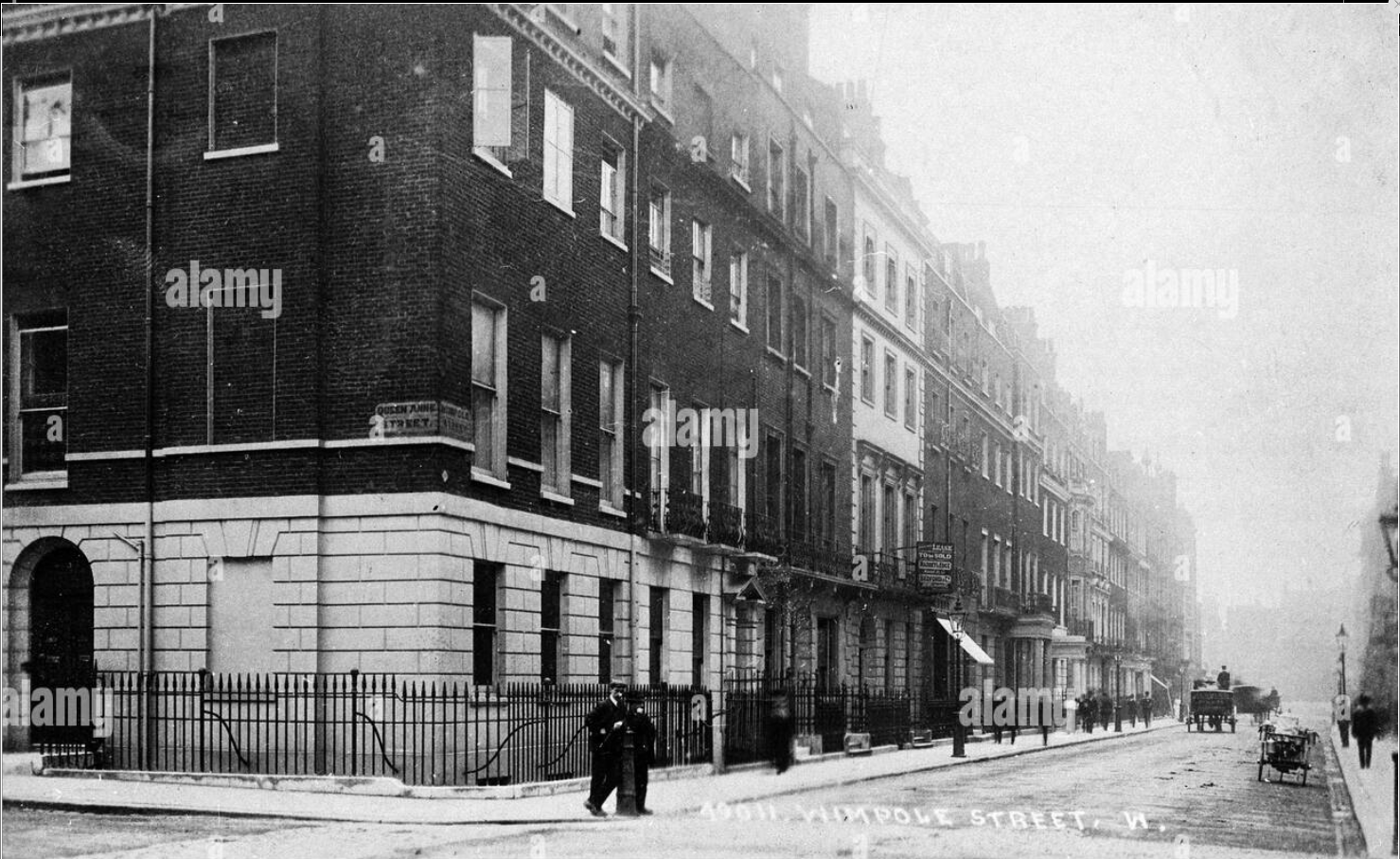
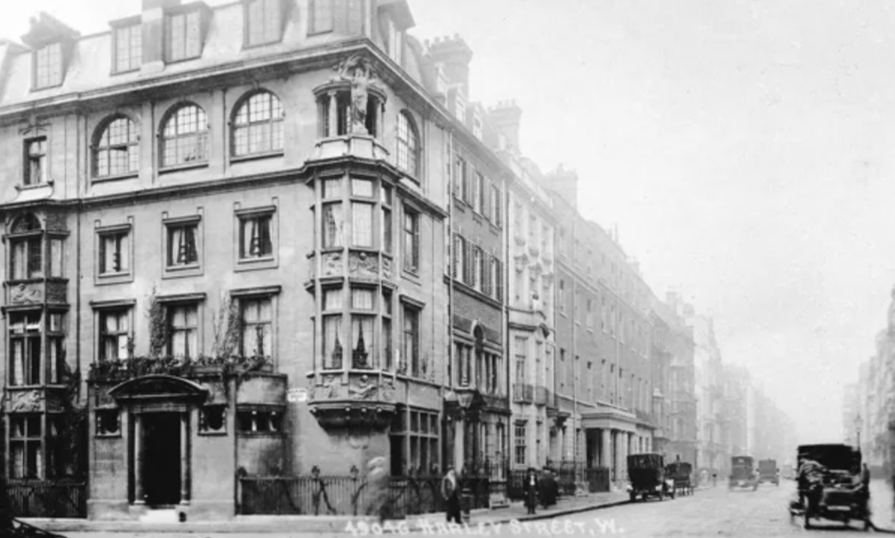
Our street crossed over Welbeck, Wimpole and Harley Street and was quite busy. Many carriages a day drove over the wooden block surface which was dusty when it was hot and really muddy when it was wet. There was a baker’s shop at one end where Woody and I would often buy a baker’s dozen of small sticky currant buns - 13 for 3d! I remember Dad sending me to Coventry once because I waved at him in Harley Street when he drove by with Sir Alfred Tripp. No young lady should wave to anyone in the street! I expect Woody was severely ticked off.’"
Death of a hero
Wyn: "One often saw straw or sawdust on the roads outside houses where people were very ill so that the noise of passing horse hooves should not disturb them. On returning to Queen Anne Street after Mother had banished me for the summer in 1915 to stay in Bridlington I found the cobbles in just such a state. The change in Dad’s physique was very marked on catching sight of him again. He was suffering severely with indigestion and loss of appetite, and Mother finally revealed he had been vomiting for many months. Laying eyes on him so much diminished after weeks away put me in shock. Dad’s natural joy and amusement were dulled; his whole being exhausted from travelling for month after month and working long hours to attend the well-heeled sick in Europe. And all this while he fought his own sickness within. The cost of achieving the levels of success Mother craved was too high in the final reckoning.
That winter my parents sold Queen Anne Street and decamped temporarily to Dad’s beloved Brighton. He was made as comfortable as possible and enjoyed the sea air until he finally drew his last breath on 6 January 1916, the victim of a gastric neoplasm (stomach cancer). Dad was just 12 when he and his siblings had stood with heavy shoulders around their father’s grave. Cousins NevNev and Esme were 17 and 15 when they said their final goodbyes to Uncle Harry in 1914. In fact, Neville himself only made it to 42 but he had no children. And now here we were two years later, and me just 14. My rattled young brain couldn’t get past the horrible matter of family history repeating itself again and again. Us Hewitt men seemed to struggle to make old bones and it was the children that suffered most. At least dad had benefitted from the love and support of his mother. I was not so fortunate."
Fred's legacy
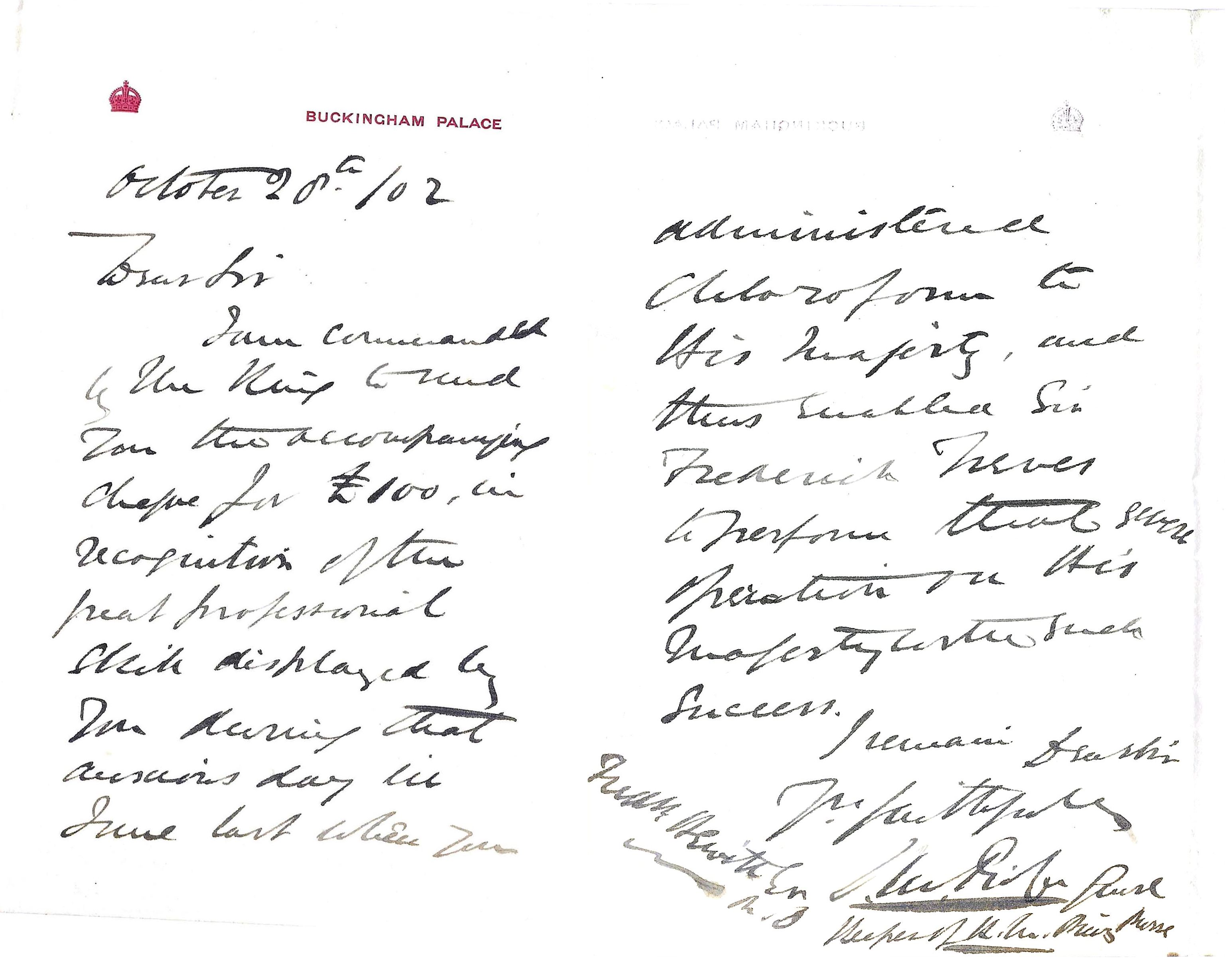
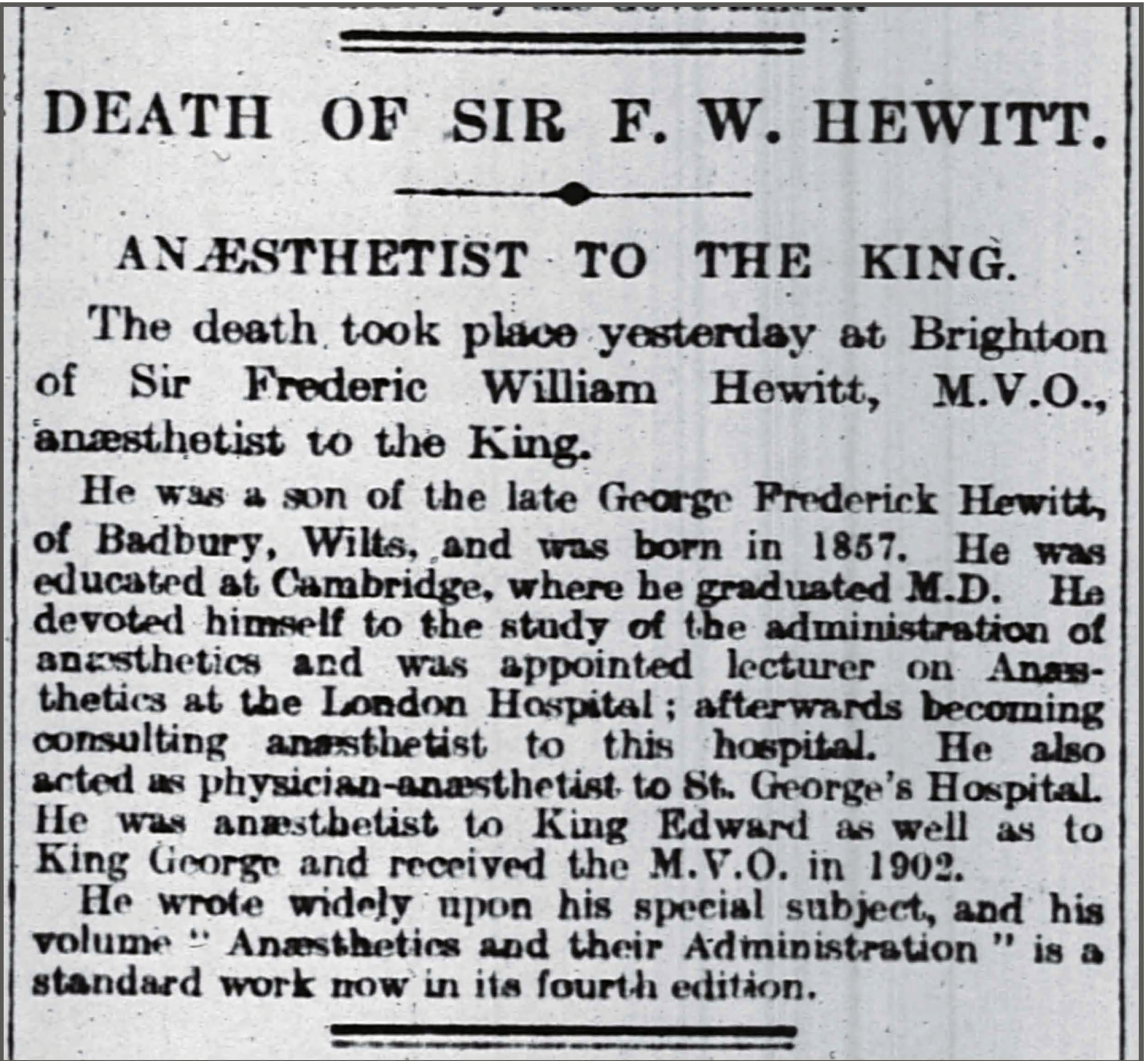
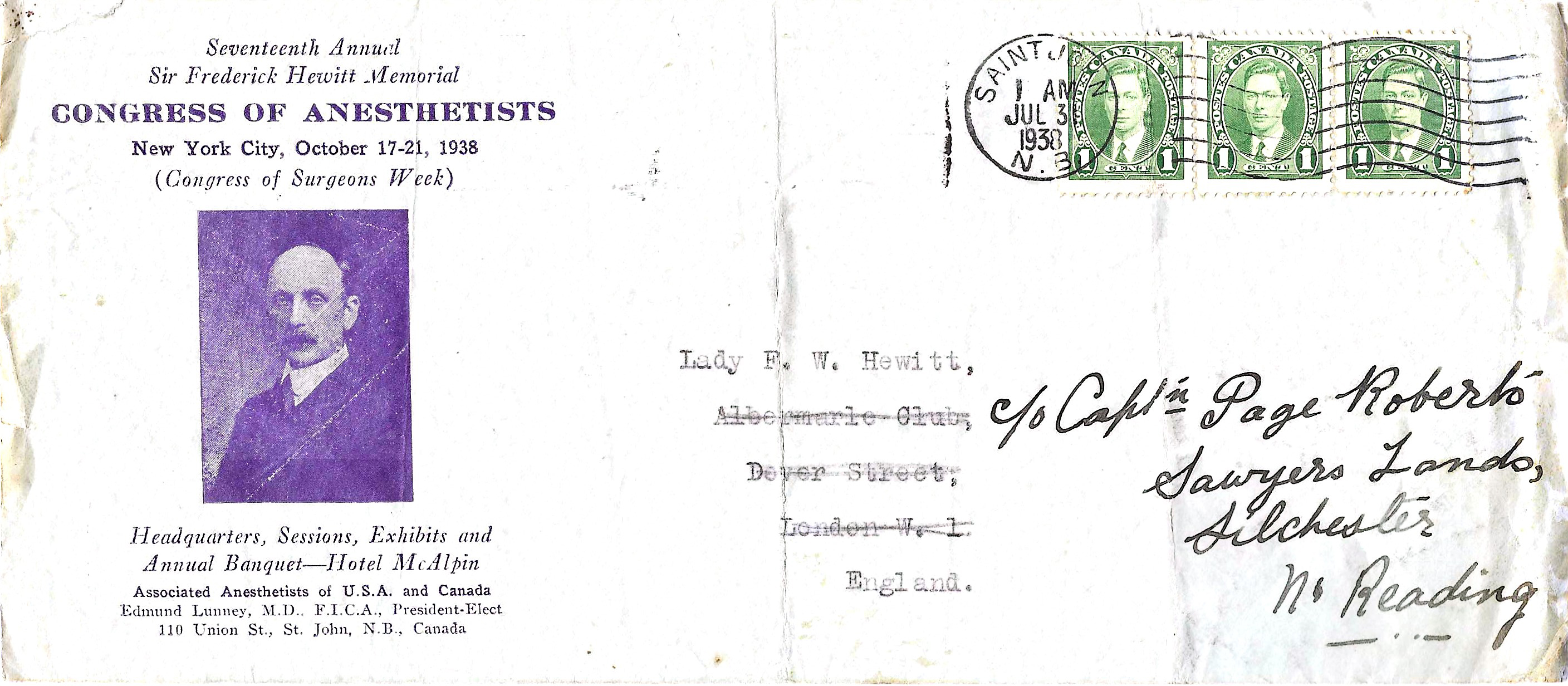
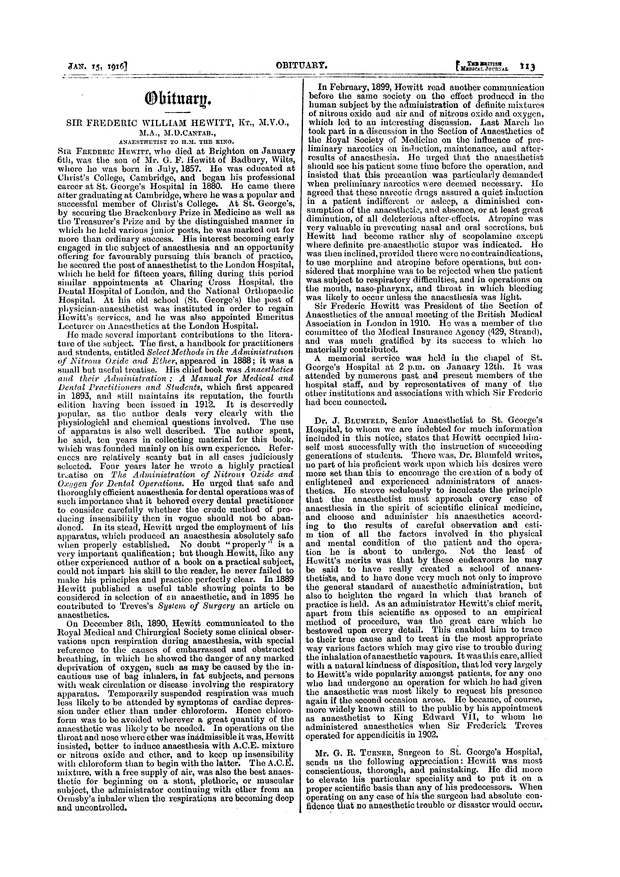
Fred was widely published (there were seven editions of his famous anaesthetic textbook ‘Anaesthetics and Their Administration’) and he was in great demand as a lecturer on improving apparatus and techniques until the day he died in January 1916. After his death, the great and the good from the medical elite and the Royal Court visited Lady Hewitt to pay their respects. A memorial for past and present hospital staff, and representatives of many other institutions and associations with which Fred had been connected was held on 12 January in the chapel of St George’s Hospital. His death prompted heartfelt obituaries in national papers, feting him for revolutionising anaesthetics forever. He had a lecture series named after him and the American Association of Anaesthetists continued to honour his achievements many years after his death.
Granny's appetite
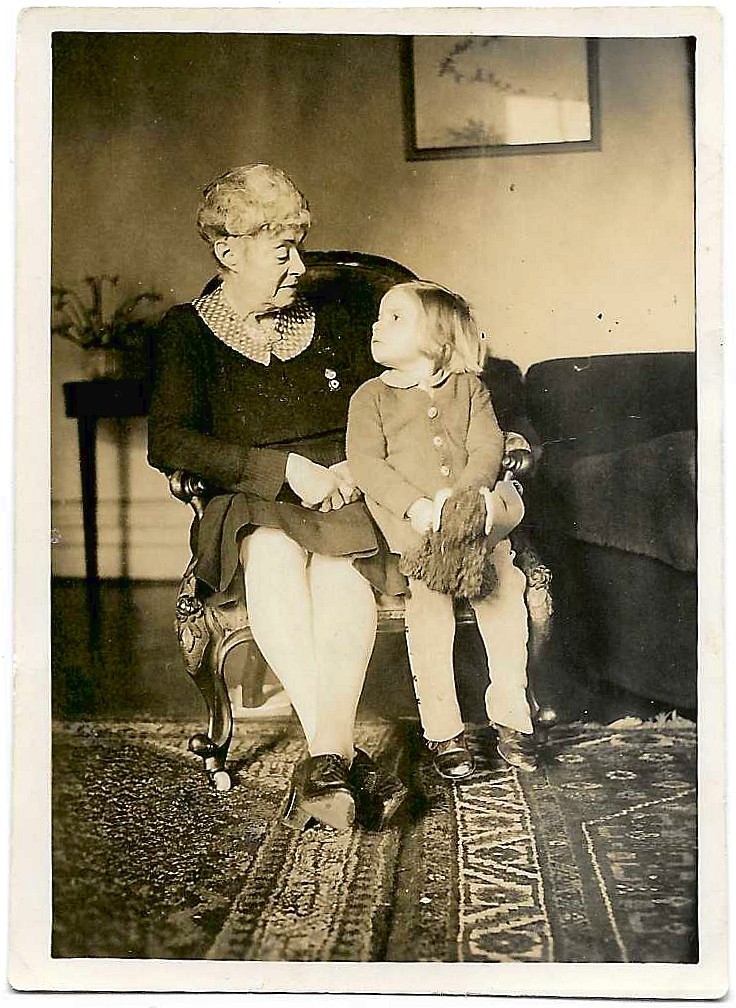
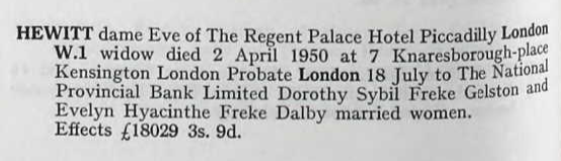
Jim: "My Granny, Lady Hewitt used to come around to lunch with me when I had two small council rooms when trying to get over TB in London. She had a very good appetite. I always gave her her favourite dish of smoked haddock, cooked in butter and milk. I got on well with her by always agreeing with her."