top of page
Wider Hewitts
%20at%20his%20Sheringham%20house%20Eastcourt.jpg)


_.jpg)

.jpg)
%20Easter%201908.jpg)




.jpg)
%20outside%20her%20house%20The%20Grange%20at%20North%20Stoke_.jpg)

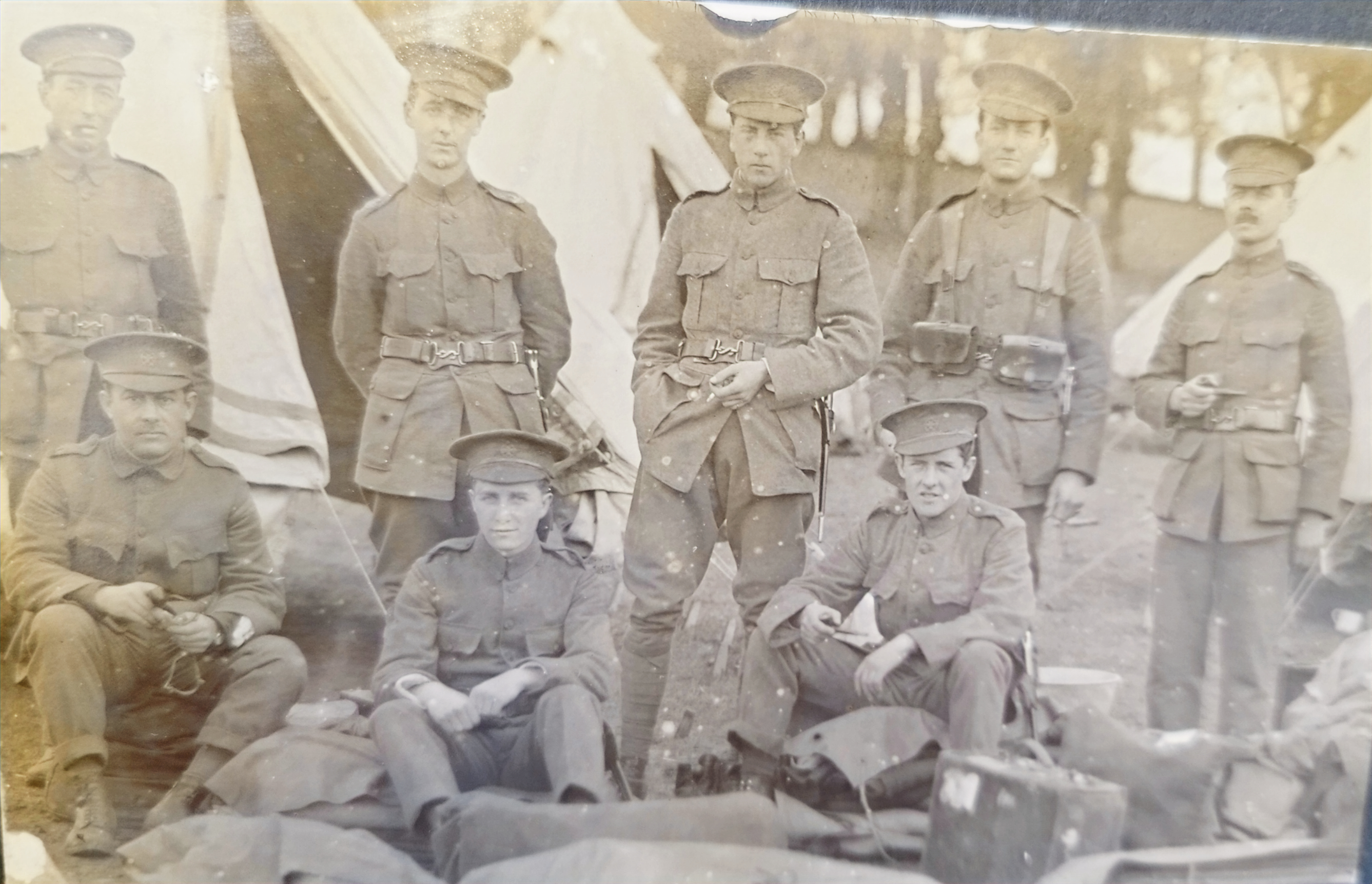
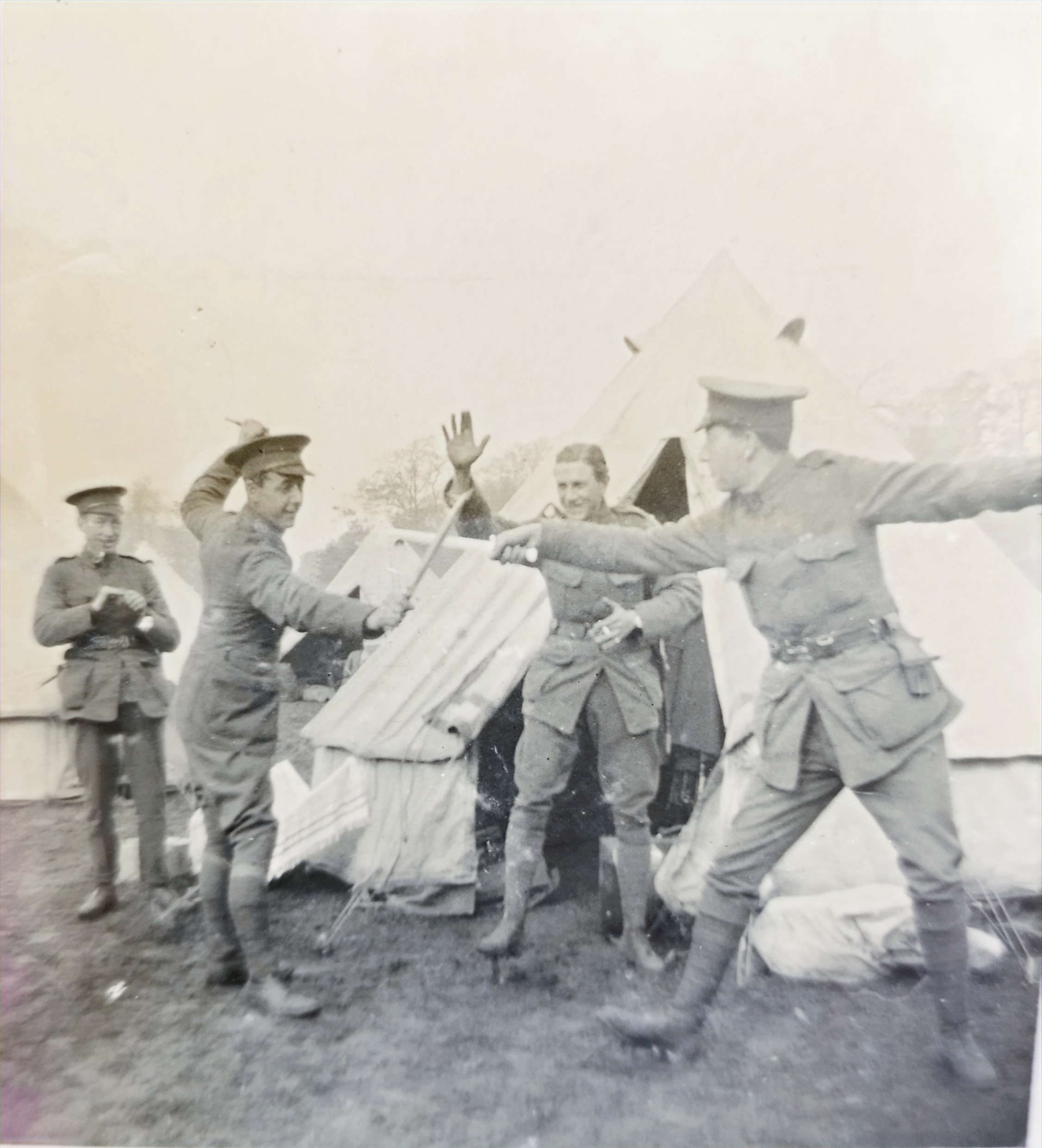
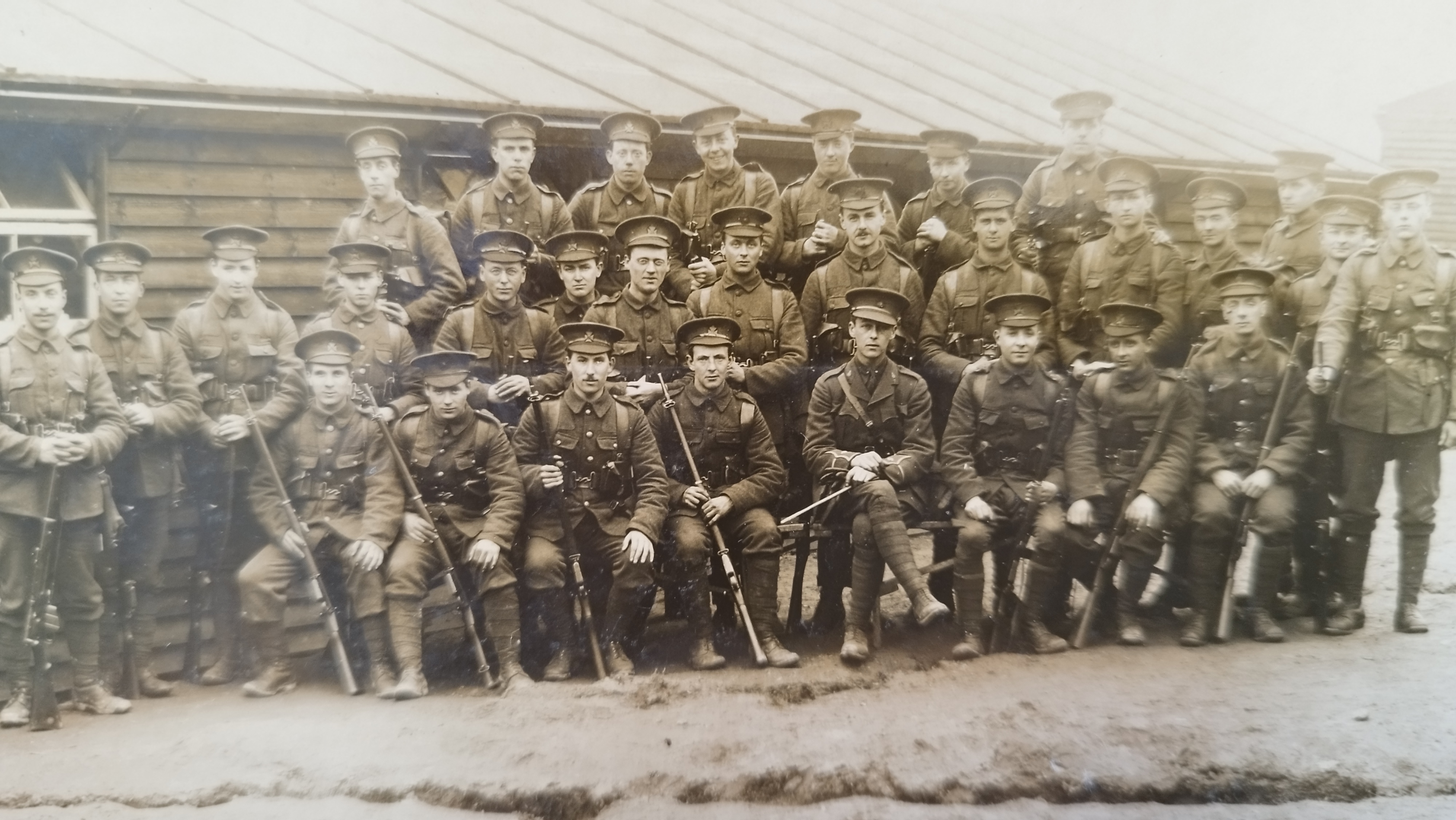
%20Battalion%2C%20The%20London%20Regiment%20(Queen%20Victoria's%20Rifles)_.jpg)
%20Battalion%2C%20The%20London%20Regiment%20(Queen%20Victoria's%20Rifles)_.jpg)
%20Battalion%2C%20The%20London%20Regiment%20(Queen%20Victoria's%20Rifles)_.jpg)
%20Battalion%2C%20The%20London%20Regiment%20(Queen%20Victoria's%20Rifles)_.jpg)

%20studio%20portrait%20taken%20in%20Brighton_.jpg)




_.jpg)
_.jpg)

%20on%20Sheringham%20beach_.jpg)


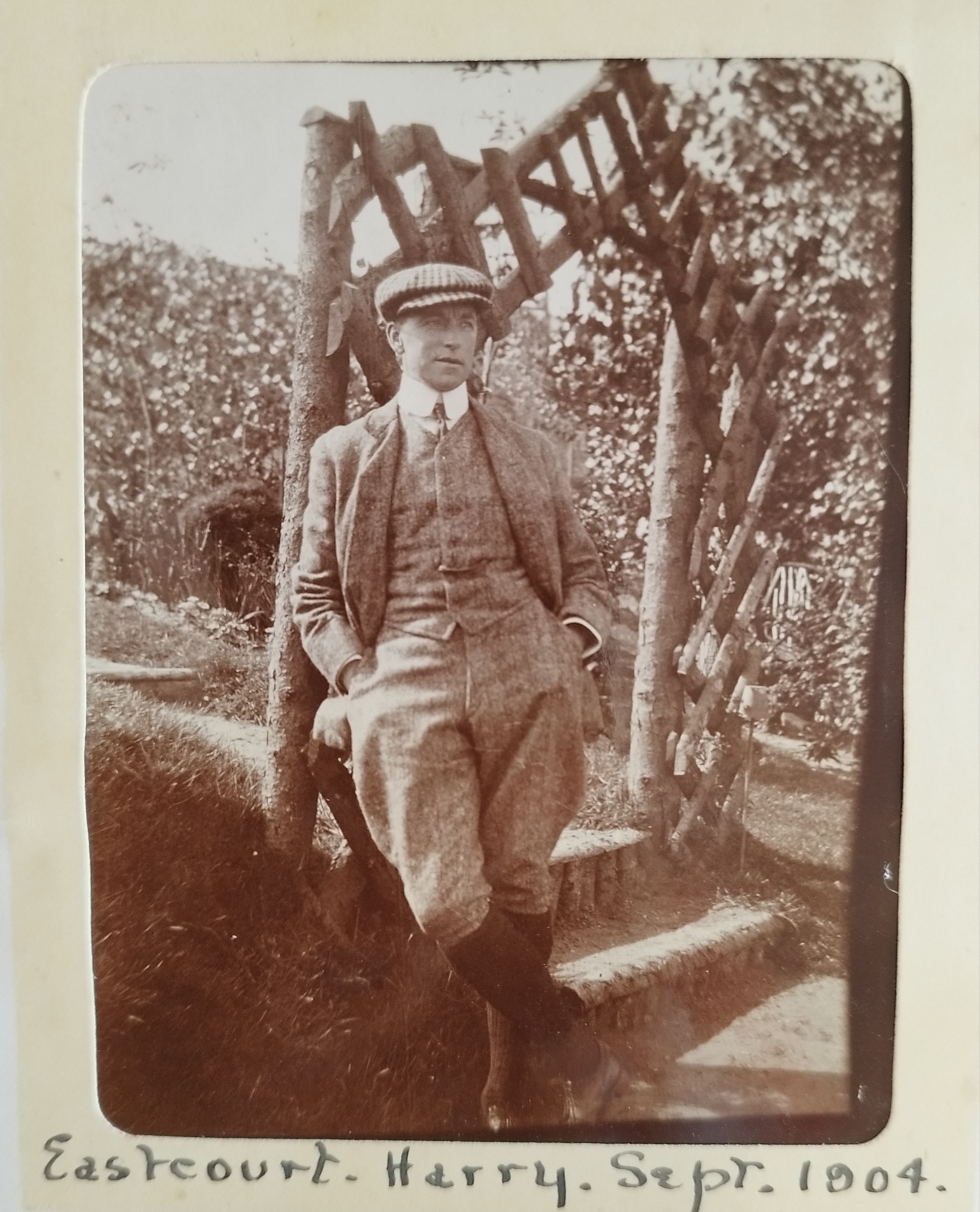
%20at%20Eastcourt%20in%20Sept%201904_.jpg)


_.jpg)
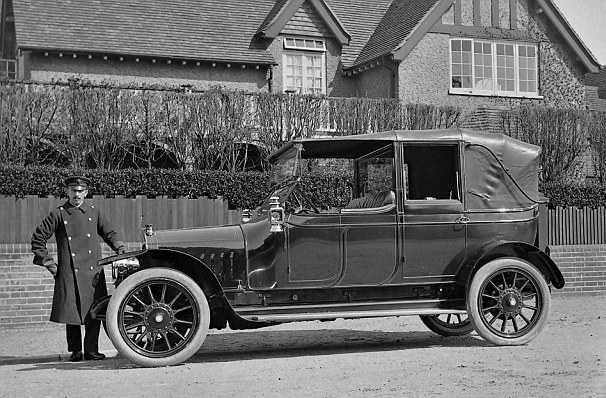
%2C%20Southby's%20(another%20Hewitt%20sibling)%20reprobate%20son%20did%20well%20in%20East%20Africa%20during%20WW1_.jpg)

.jpg)
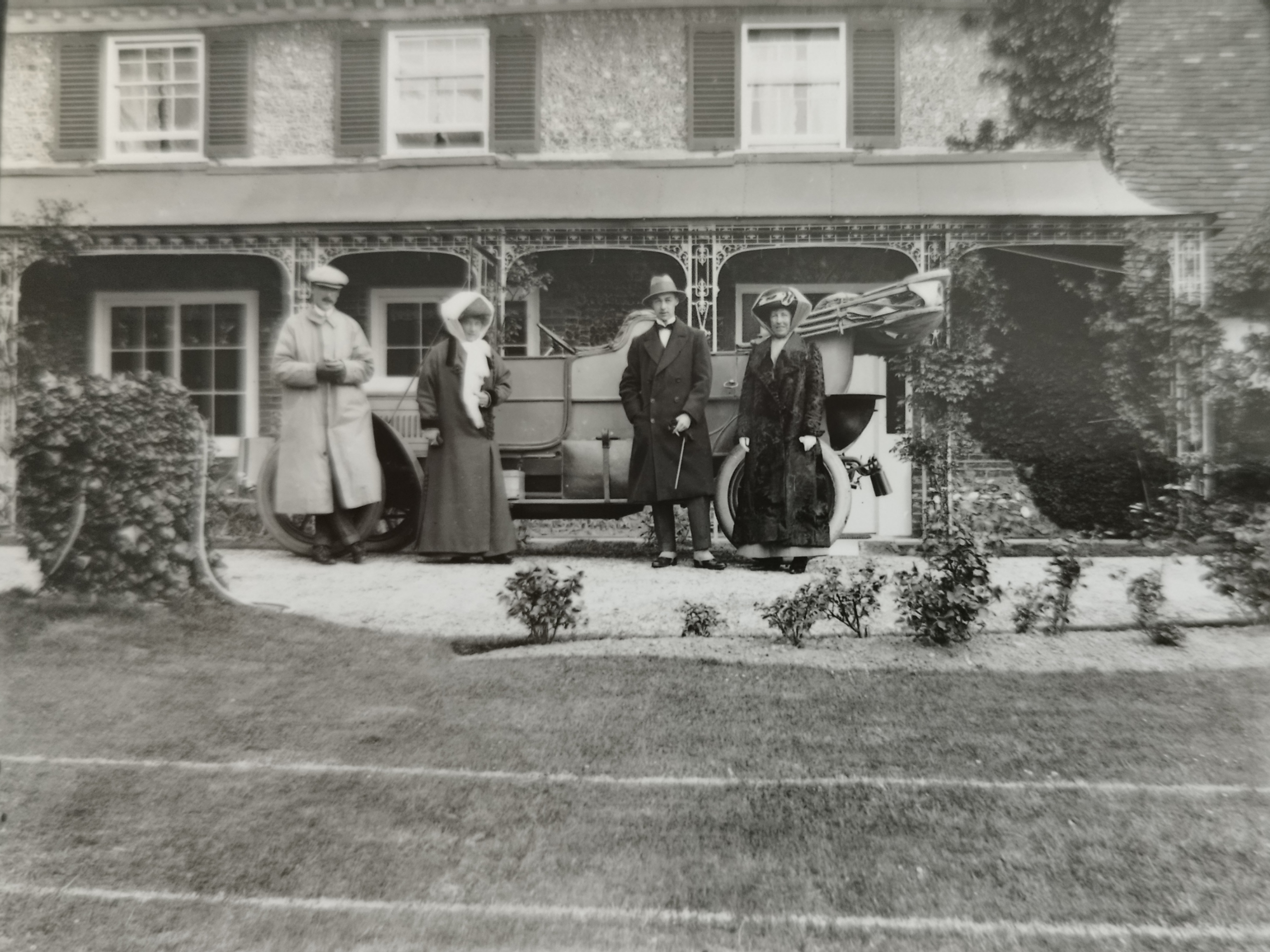
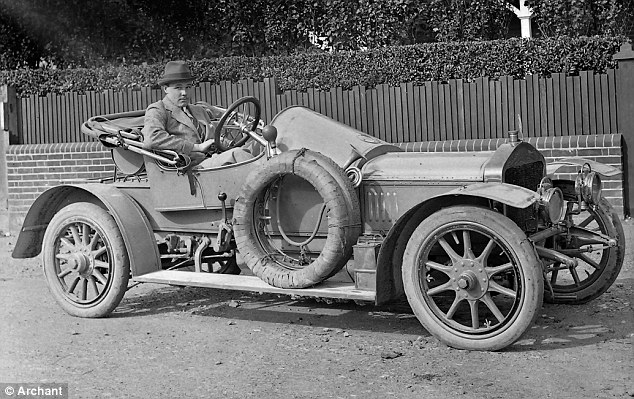
%20and%20Evelyn%20in%20the%20car_.jpg)


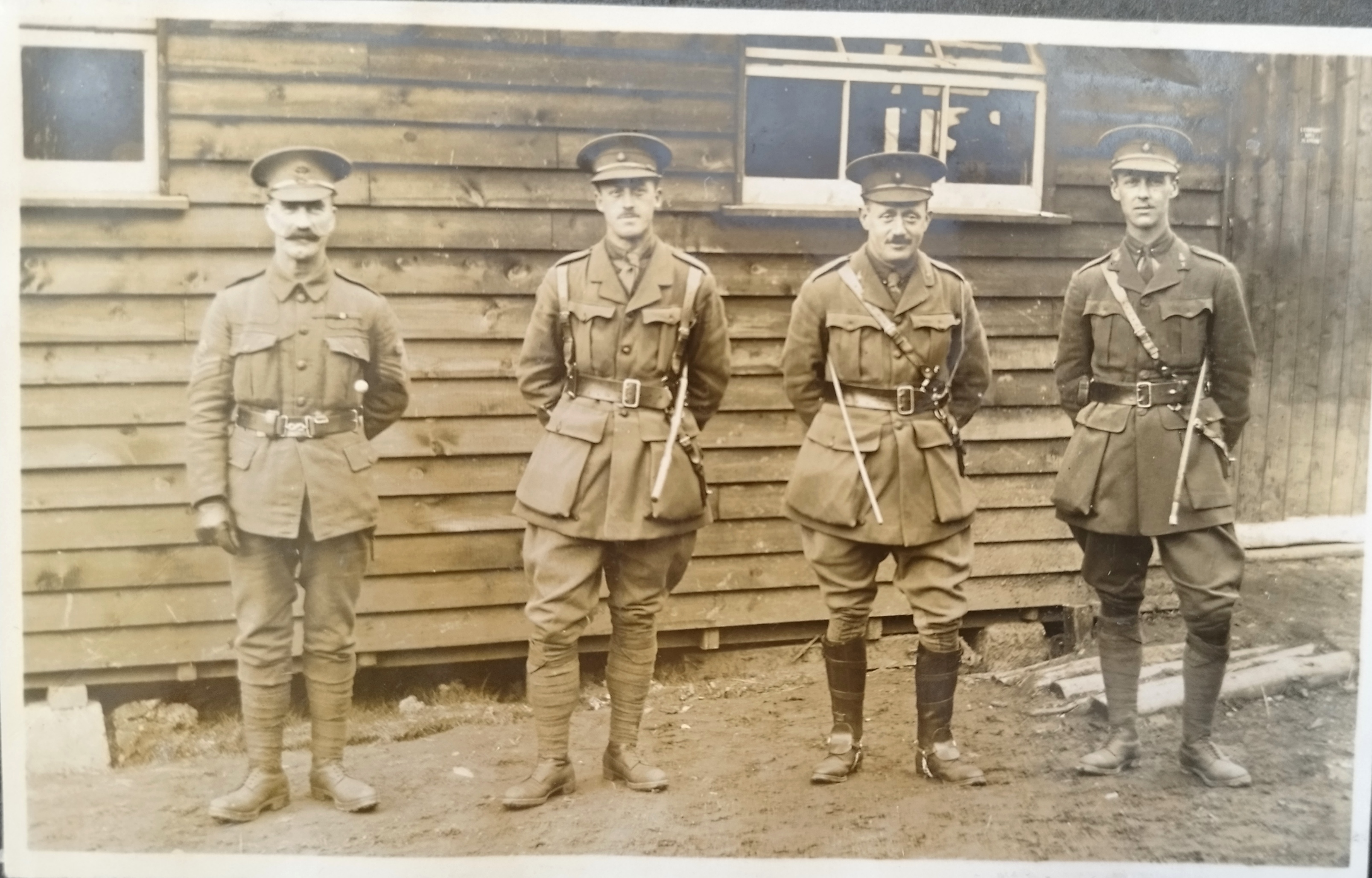
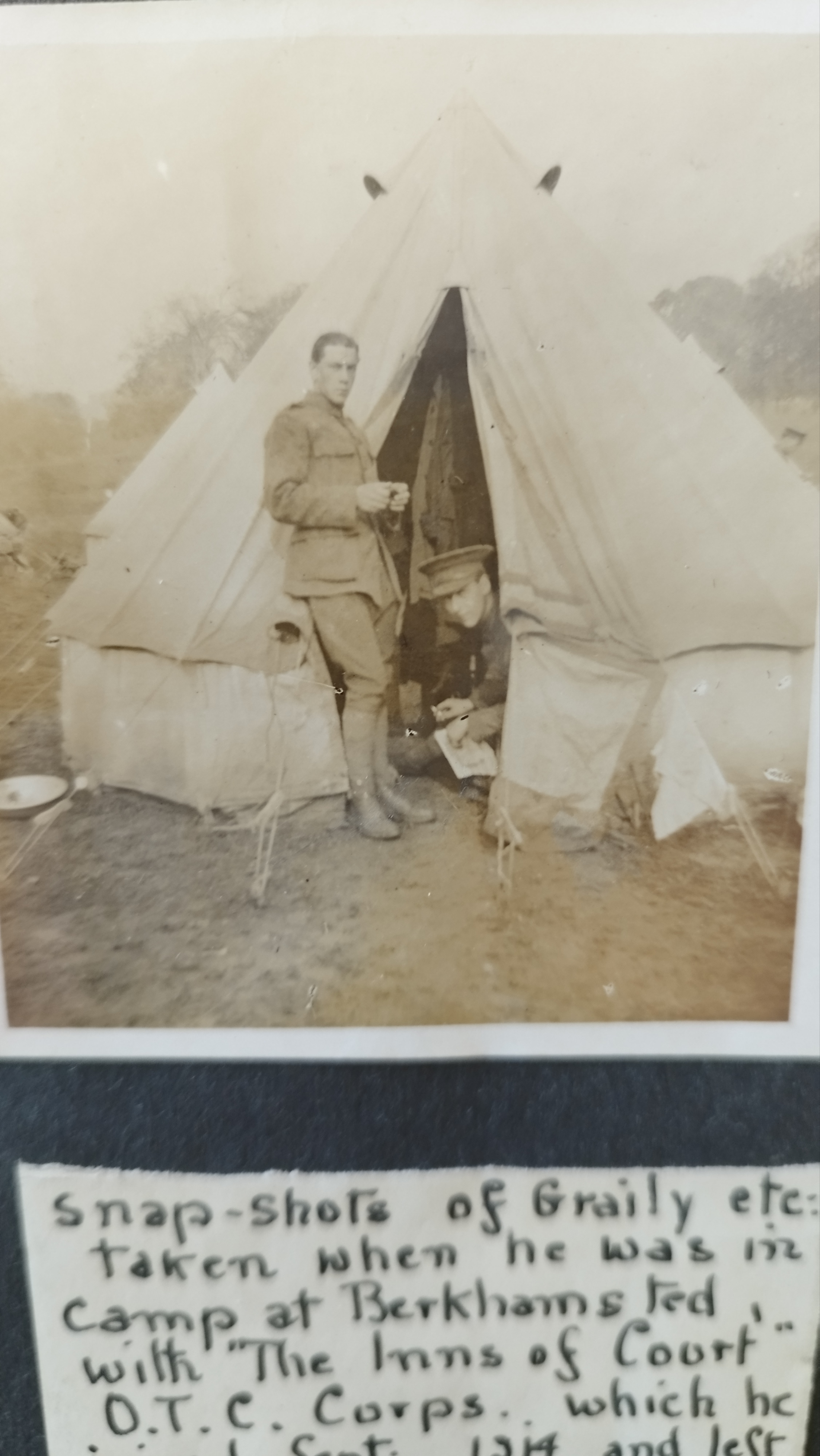
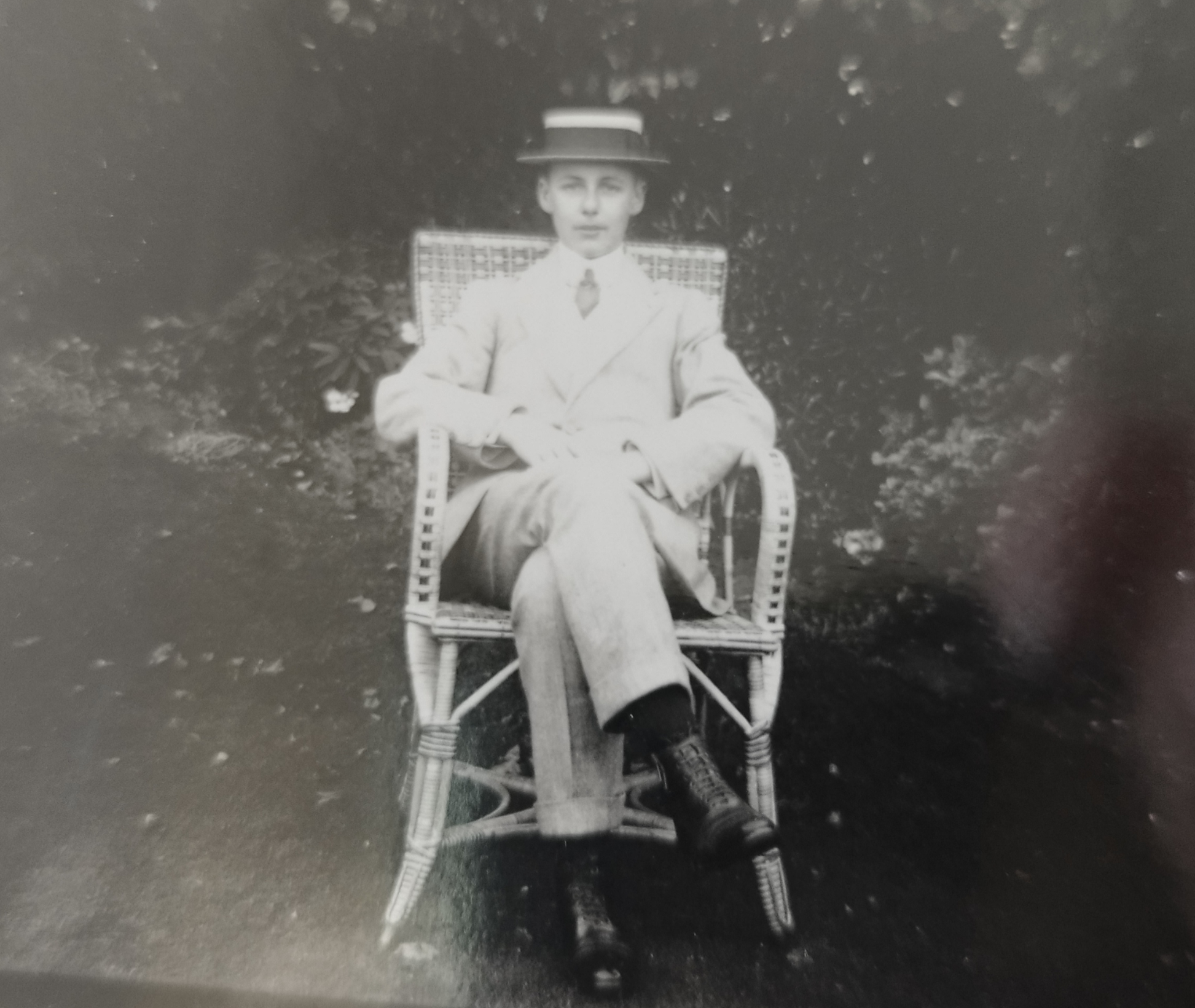
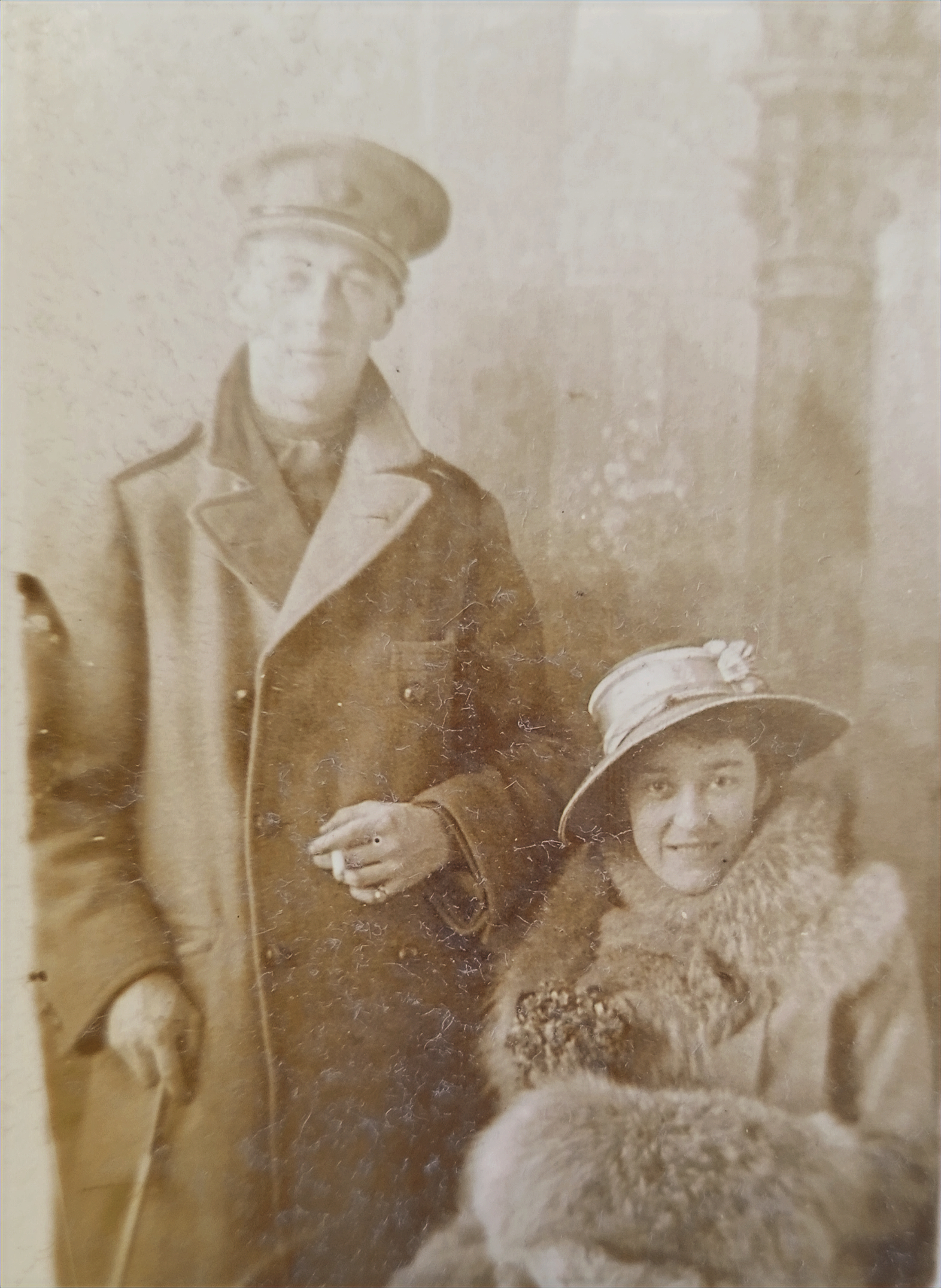
Stories and memories
Uncle Southby
Wyn: "Old Southby was one of Dad's younger brothers and was really was something. As head of the family business - Day,Son & Hewitt, he lived in great style at 73 St James Street, SW1 over the then very fashionable tea shop cum confectioners Rumplemayers which had opened in 1907. He kept a wife down at Taplow near Maidenhead and two mistresses. One, Heather Thatcher, was a very well-known singer and actress – she was in Gaslight and Beau Geste - but I don’t know who the other was."
Cousin Gordon
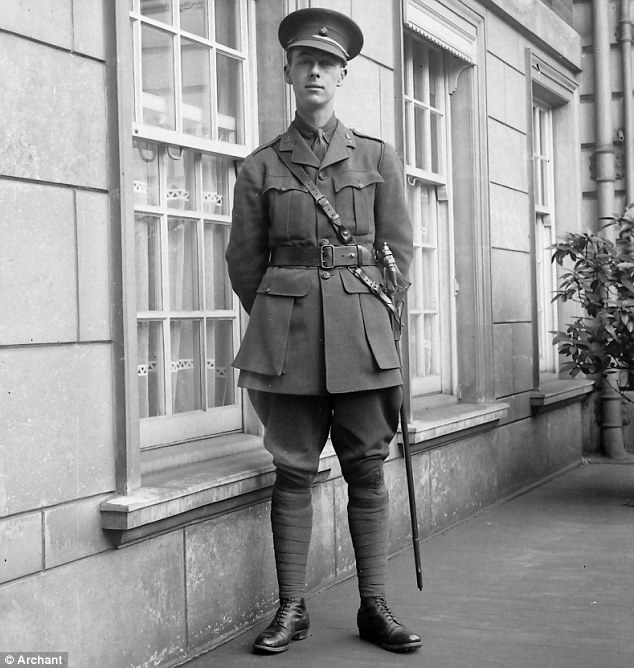
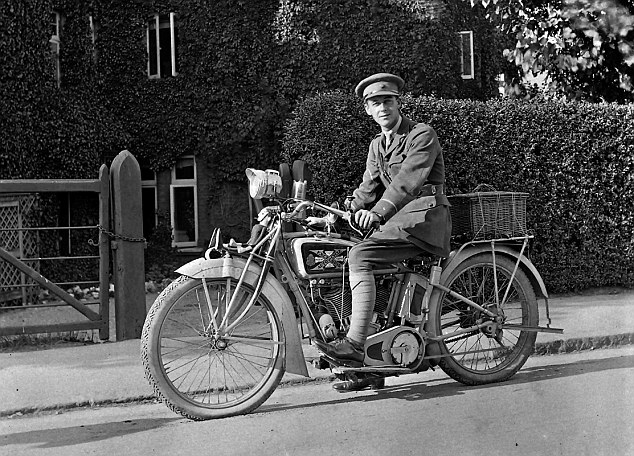
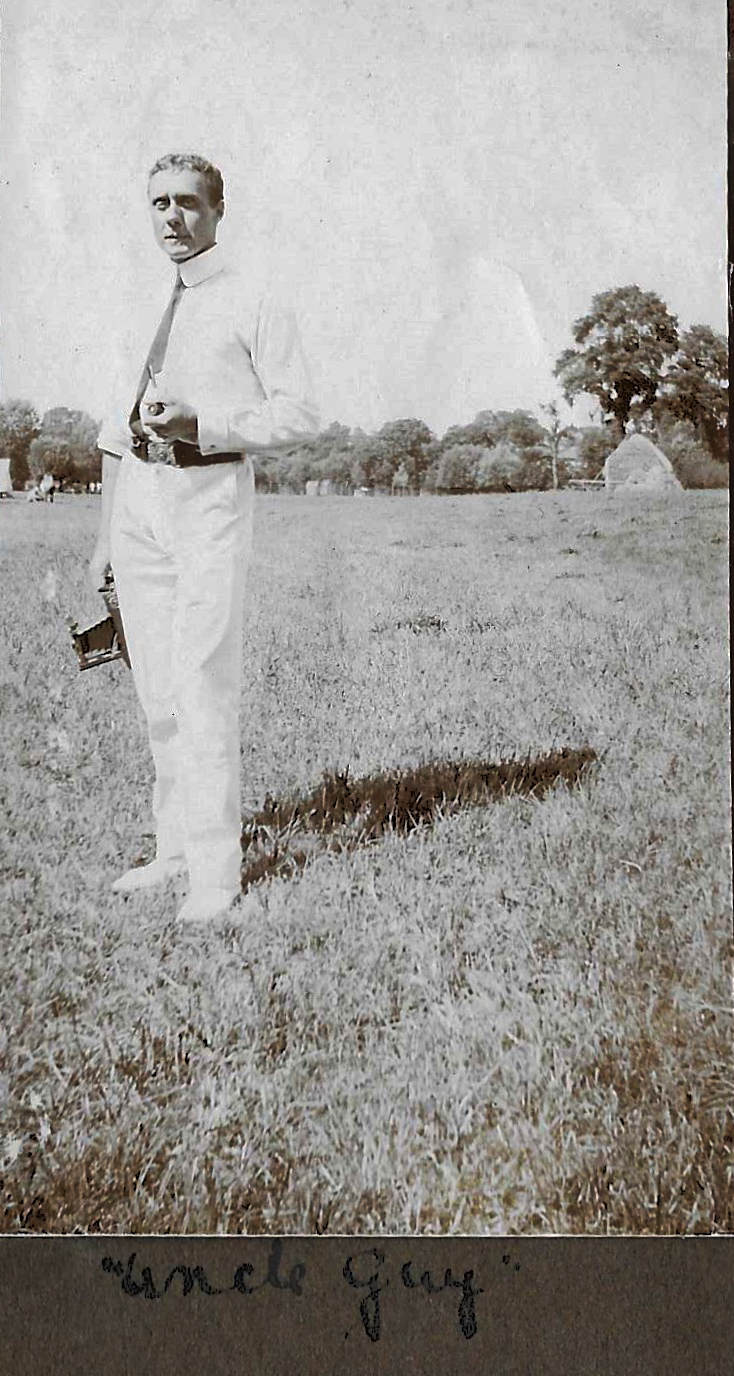
Wyn: "Southby had a son Gordon, about 13 years my senior, who was also a pretty wild number like his dad. He was sacked from Eton in 1905 when he was 16. At evening chapel one left one’s top hat on shelves in the lobby on entering, furry top down. One Sunday Gordon shirks chapel and spends the time gluing down about a hundred top hats. It must have been quite a sight watching boys frantically trying to recover the ruined toppers. And if that wasn’t enough, he later broke into the signal box on the Windsor branch line and took all the fog signals and laid them down on the track. Bloody dangerous for the train drivers, and this was a step too far for the school so he was sacked. He went on to RMC Sandhurst and joined the 5th Bn. R. Fusiliers in 1911, becoming a Lieutenant within a year. This was when he got himself into hot water with some chorus girl involving a Breach of Promise case. The girl insisted he had proposed and marriage was on the cards which was considered legally binding at the time. He declined to follow through and she sued for damages. As a gentleman of good standing, old Southby was mortified as it suggested his son lacked honour, so he paid the woman £6,000! That was one hell of a lot of money in 1912."
Indeed, it was - £6,000 in 1912 equates to approximately £342,000 these days.
Following his expensive scandal, Gordon was persuaded to emigrate to Kenya to take up farming on the banks of the Nzoia River near Eldoret in the Rift Valley region. He left with his tail momentarily between his legs but Gordon’s wayward character wasn’t to be suppressed for long. Farming and relentless toil be damned; he was ripe for a bit of derring-do action, and as the Great War was underway he found its pull too hard to resist.
He rounded up a number of like-minded pals and set up what was to become quite the private army of marauders. They joined forces with the East African Mounted Rifles (EAMR), a British East Africa wartime volunteer unit that gathered and grew in Nairobi in August 1914, reaching 400 enthusiastic recruits by the end of the month. With this kind of number, some order inevitably had to be established within the chaos and the extraordinary collection of standalone units were eventually wrestled into a single corps of mounted volunteers comprising six squadrons with Maxim gun and Signalling sections.
Most of the adventurers were expert riders, crack shots and had an immense advantage of knowing the region’s topography, the conditions and the native language, Swahili. They knew little and cared less about formal soldiering and were somewhat put out when they were issued regulation uniforms and expected to take part in formal training. Elspeth Huxley (the English writer and journalist, author of The Flame Trees of Thika) found their cavalier attitude to soldiering very amusing: ‘A camp was formed on the racecourse but most of the troopers lived either in one of the hotels, in the recently opened country club, with Nairobi friends or even at Government House. “Where are troopers Ridley and Thompson?” barked the second-in-command who was inspecting the camp one evening, noticing two of the sentries were missing, “Oh, they’re dining at Government House” the sergeant replied, “but H.E. (Lt Col Ward) has promised to send them home early in his car.’
The EAMR’s job was to respond to German attempts to sabotage any usable railways by combing the frontier to flush out any Boche raiding parties. Germans were not their only problem; they were under-equipped, short on supplies, and faced the persistent threat of attack by wild animals, malaria, blackwater fever and dysentery. Mules and horses succumbed to tsetse fly, and a shortage of water was a pivotal problem, but somehow, this canny crew still operated very effectively. They were experts in slightly amoral countermeasures, such as the time they kept eighty miles of track open and safe to use for weeks by placing animal carcasses around the only watering hole in the area, hammering in a large sign reading ‘POISON’ next to it. The first German patrol to visit the pool turned back warily without drinking and several men perished of thirst as a result. EAMR command’s finagled defence would have made any barrister proud: “It may be an offence to poison water, but surely there is nothing wrong in labelling water as poisoned when it is not so treated?”
On another occasion they blew the cover of an Arab spy in German employ who passed on information about any unguarded sections of railway. EAMR wrote the man a letter, thanking him for his crucial assistance to British intelligence and enclosed fifteen hundred rupees as a measure of gratitude. They then saw to it that the letter was intercepted by the Germans who promptly dispatched the Arab, causing the British instigators only a slight twinge of conscience. It was also well known that Schutztruppe officers used copies of coded messages, orders and other secrets as improvised toilet paper. British spies visited the officers’ latrines at night to retrieve what they called ‘a constant source of filthy but accurate information.’
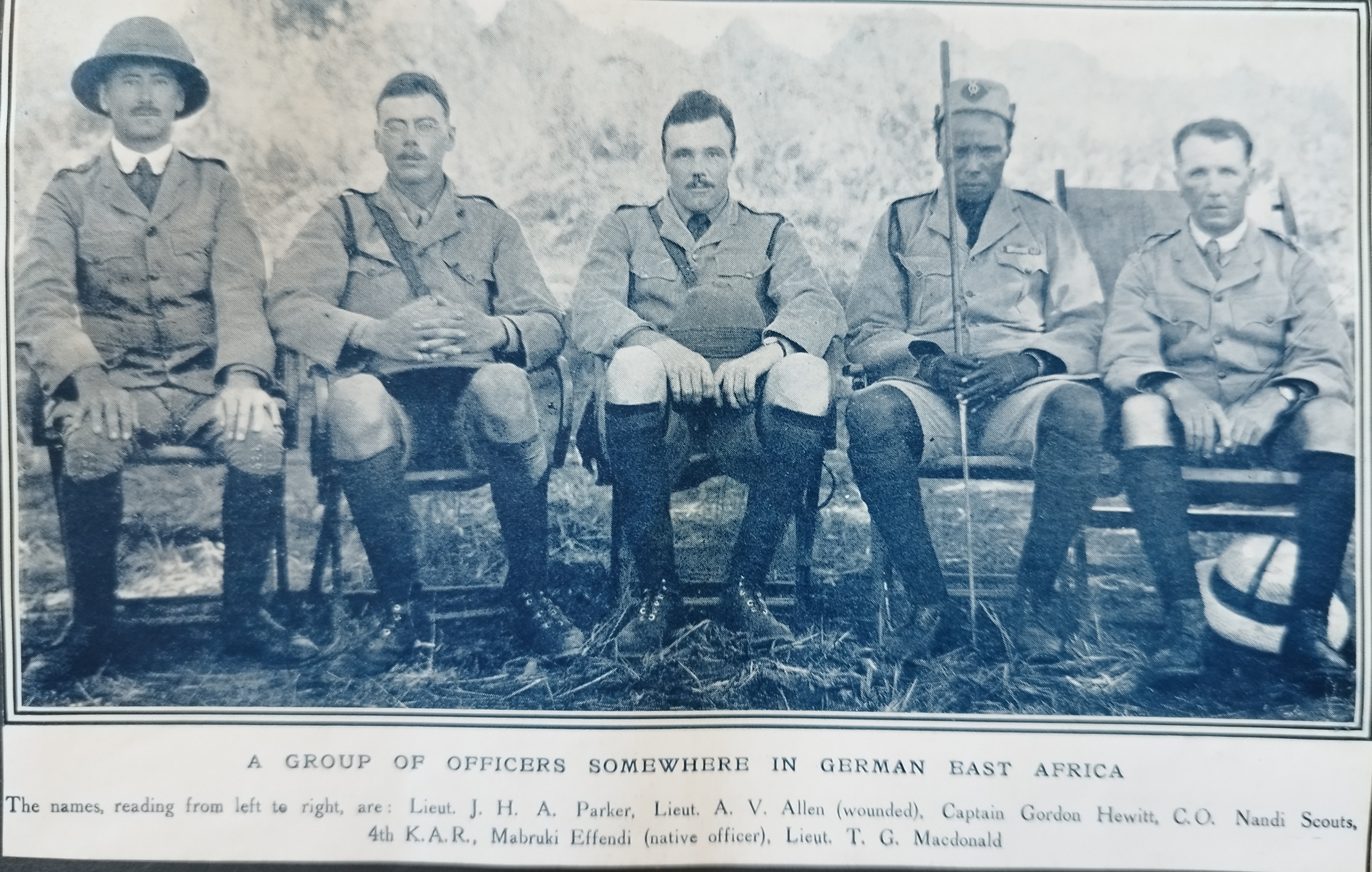
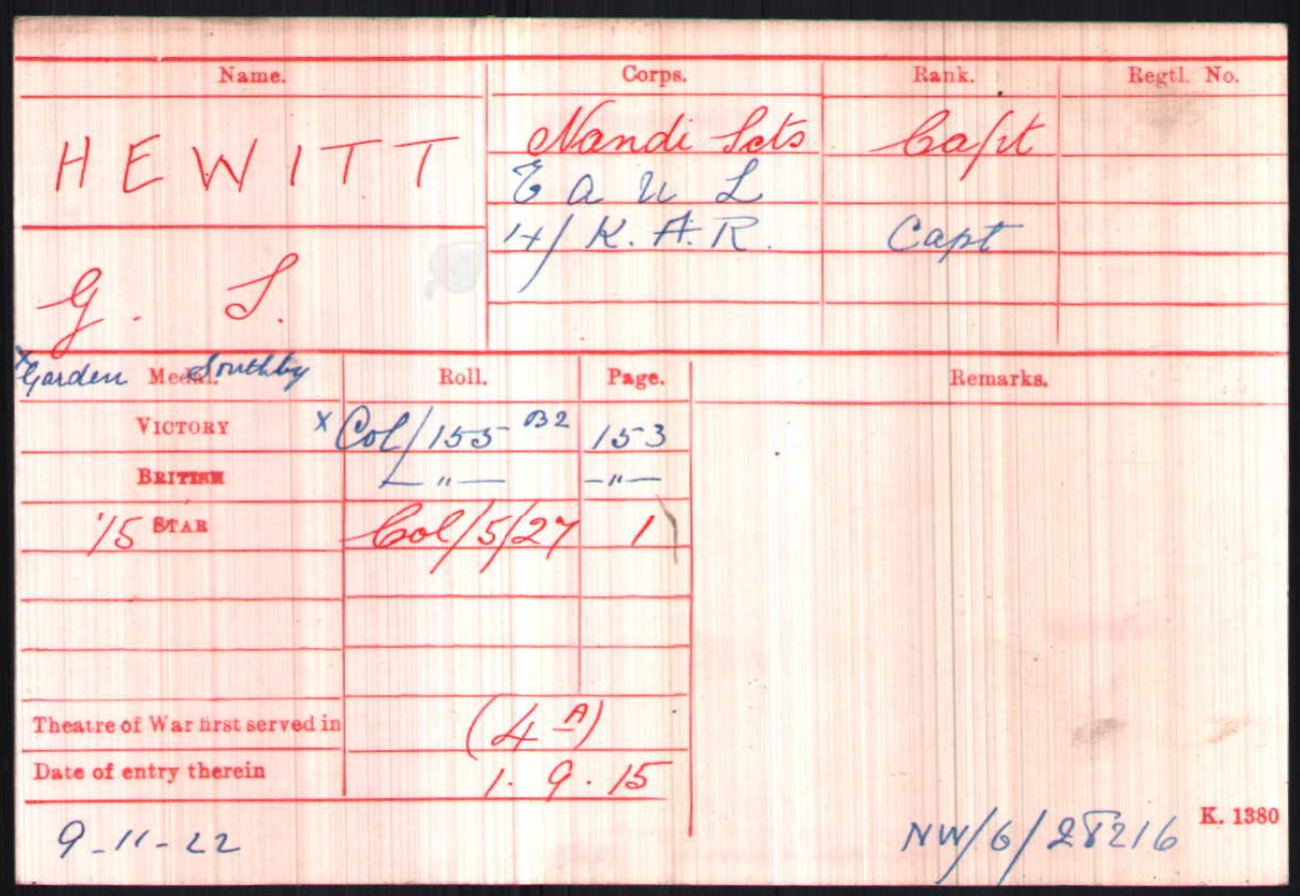
Captain Gordon Hewitt joined EAMR C Squadron on 6 August 1914, moving to the Signals section in September and then on to be a Captain in
the King’s African Rifles in November. After a meteoric three-month rise up the ranks he became CO Nandi Scouts 4th KAR, was mentioned in despatches and received the Nandi Scout set of medals. He’d discovered the perfect home for his natural talents for mischief making.
Having acquitted himself with aplomb in the war, Gordon was demobbed and tried farming again, but it was hard to scrape a living. In the mid-1920s he eventually returned to London completely broke. His father Southby was of no mind to help financially, so Gordon got a job driving a London Transport Bus.
Wyn: "I remember a photo of him in full driver uniform appearing in a London paper at the time with the heading: ‘Old Etonian drives London Bus’. The bloody-minded bugger managed to orchestrate the roster so one of his routes took him down Baker Street where he sounded the klaxon loudly on every pass of old Southby’s office on the corner of Dorset Street. He may have had straitened means but he had a wealth of charm, and somehow managed to woo and marry Lord Ismay’s daughter Eileen in 1930. I went to stay with him and Eileen in Clun, Shropshire once he retired. I enjoyed his scurrilous company immensely."
Uncle Harry, Rachel, Neville and Esme
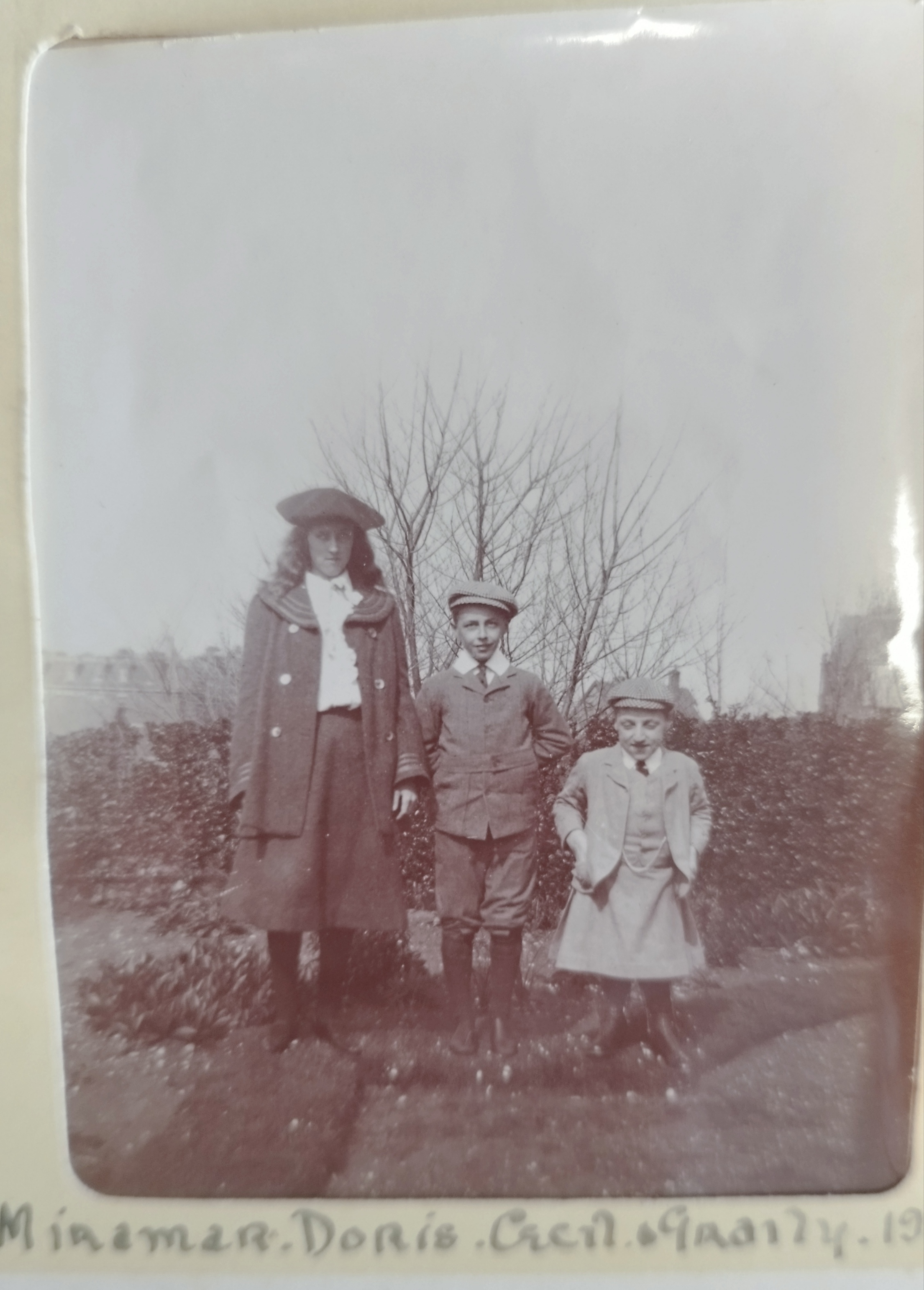
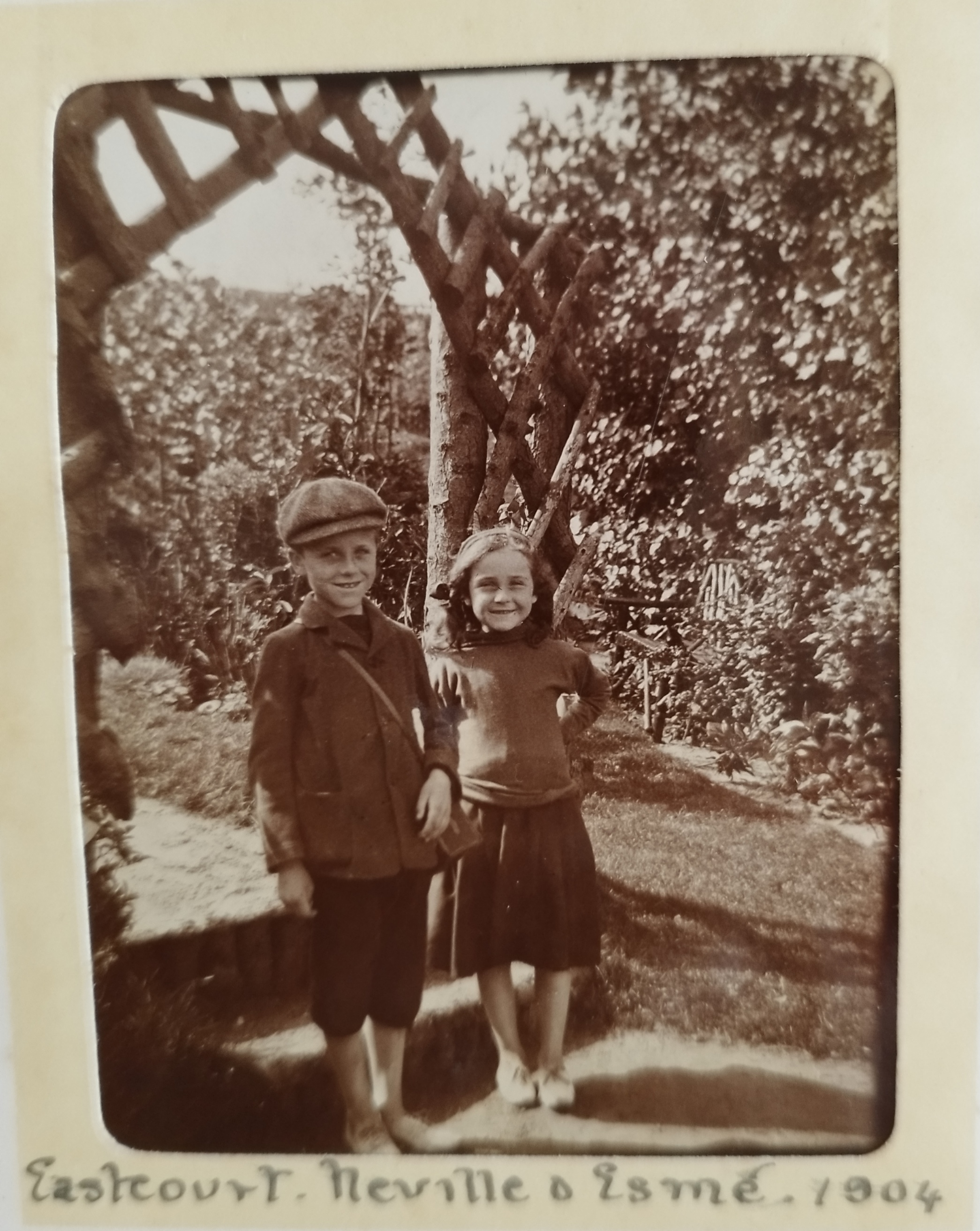
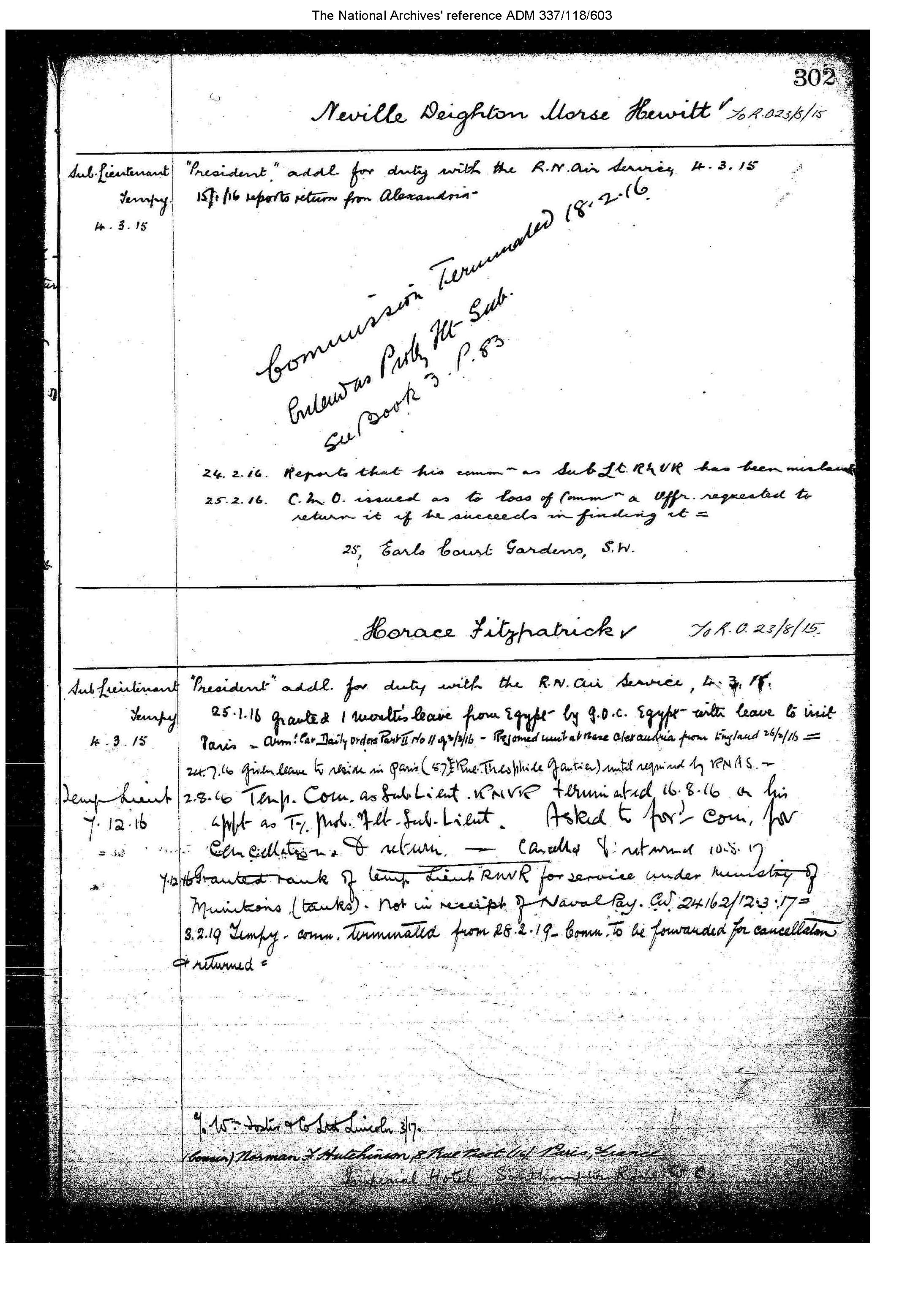
And then there was Uncle Harry who was three years younger than Fred. He married the wonderful Rachel (everyone called her Ray) Ford in June 1890. She was ten years younger than him, and they had Neville in 1896 and Esme in 1898 who spent many happy times with Fred's children growing up.
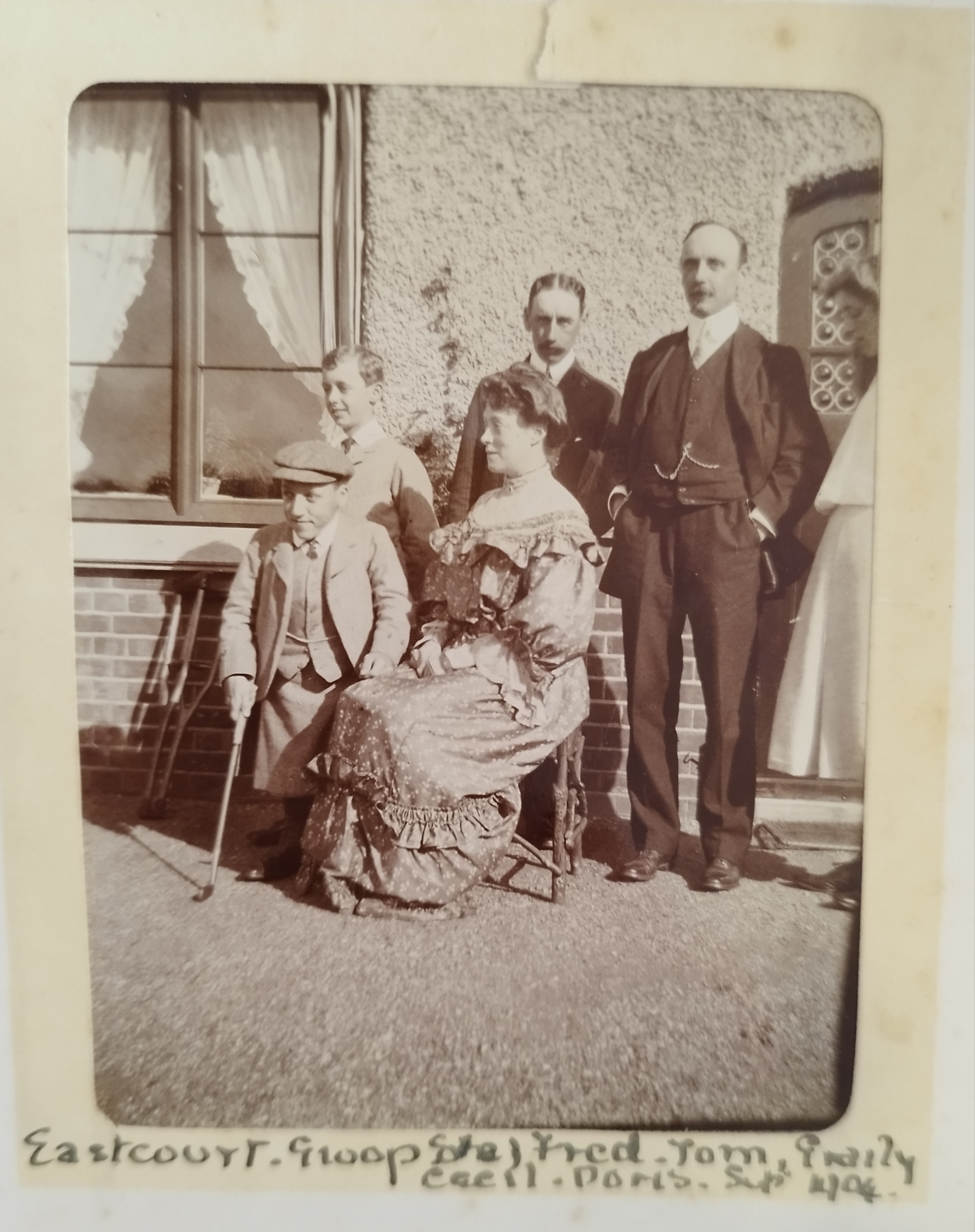
Sept 16 1903 – The boy begins to put words together. Ray and her two children were with us, and just before I left, when we were all at breakfast, we were asking the boy whom he loved at table. He specified two or three people in their order, saying: “Boo” (Woody), Nev-Nev (Cousin Neville), “Yay” (for Aunt Rachel) – and then catching sight of the jar of jam between Ray and the next person, he said: “Jam!”
The Tuke cousins
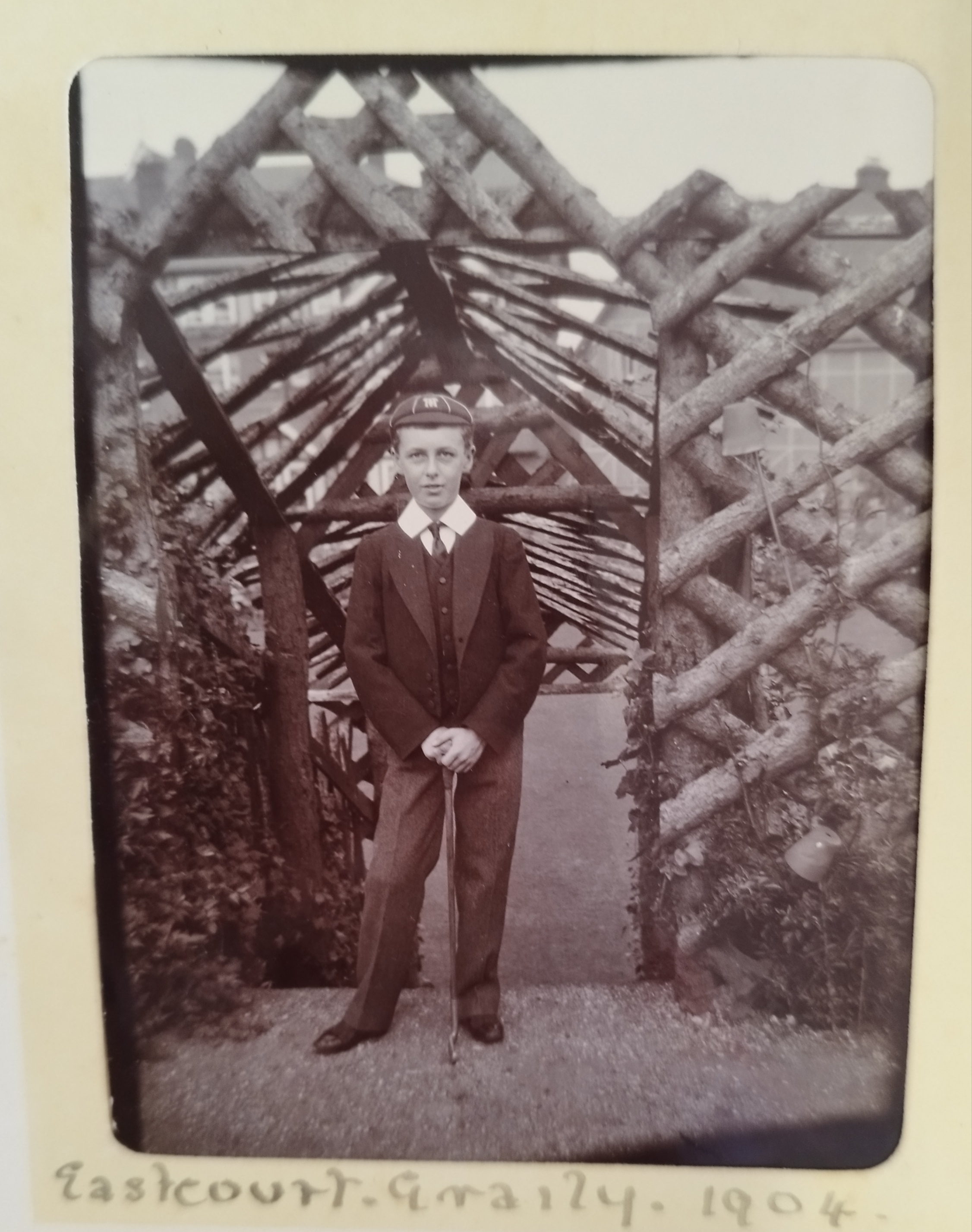
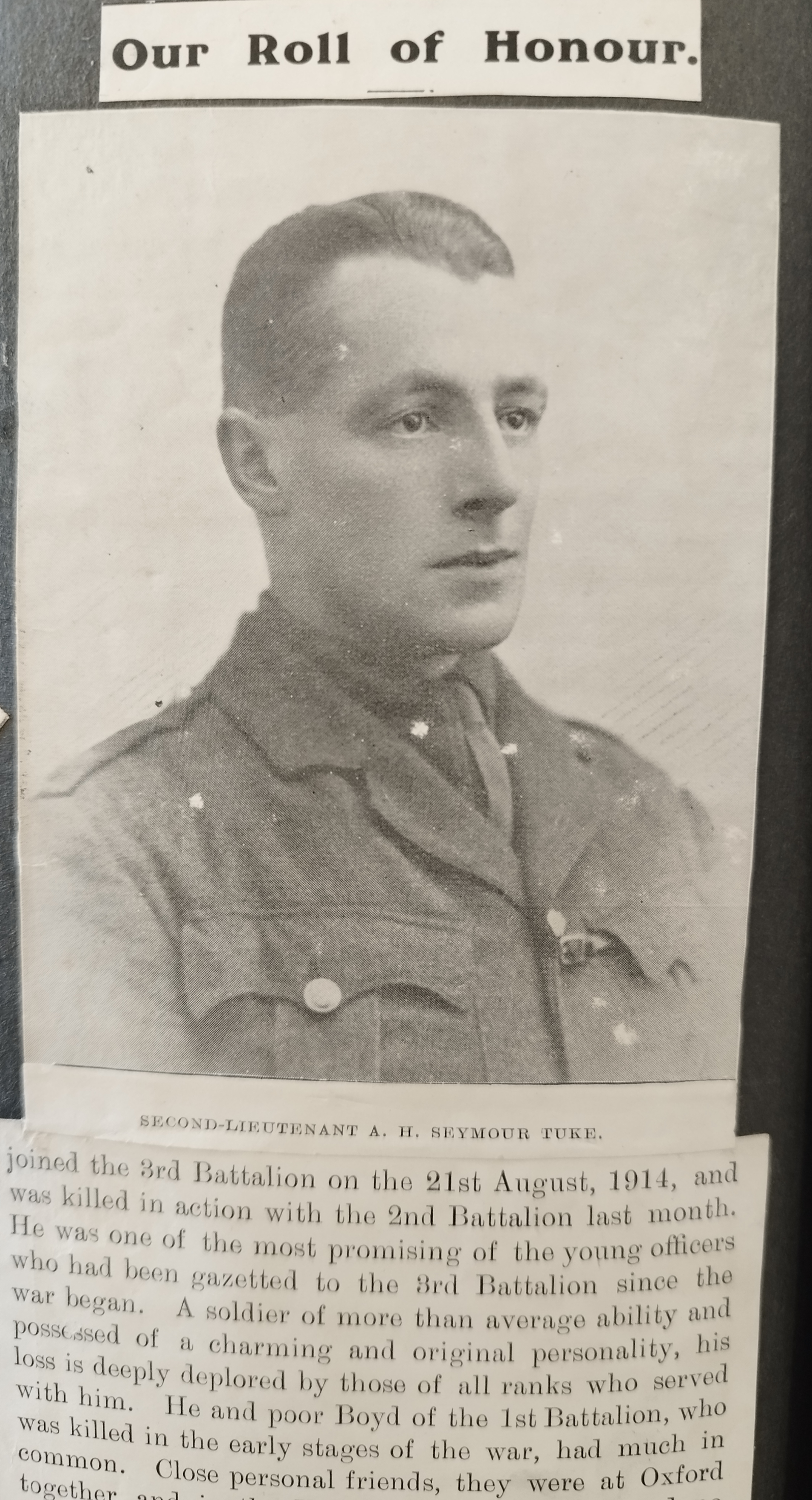
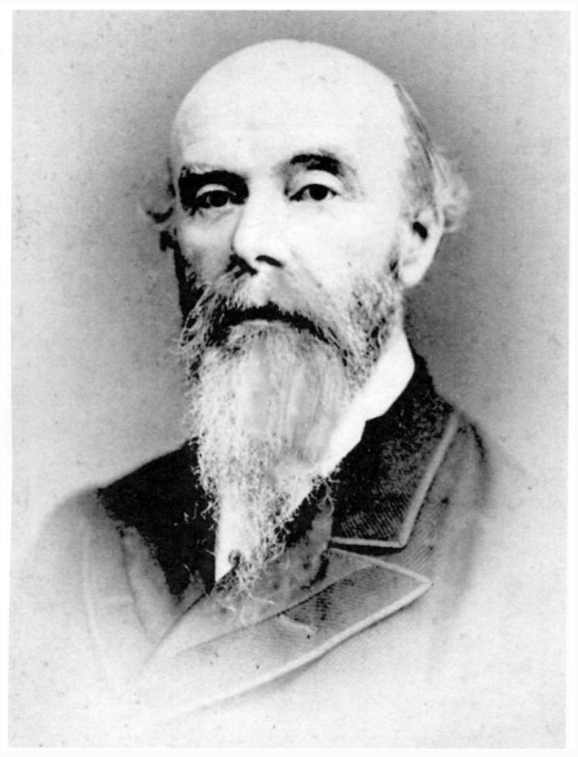
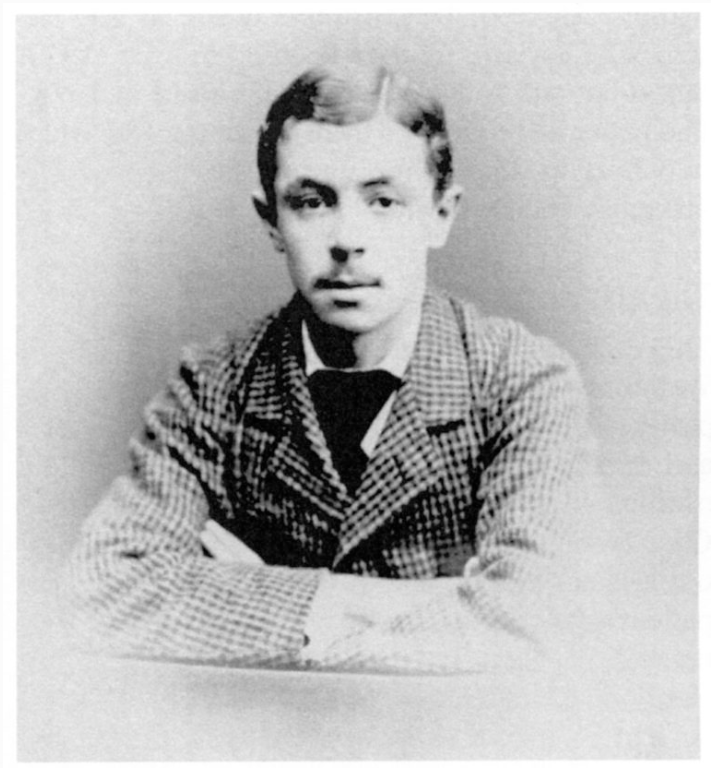
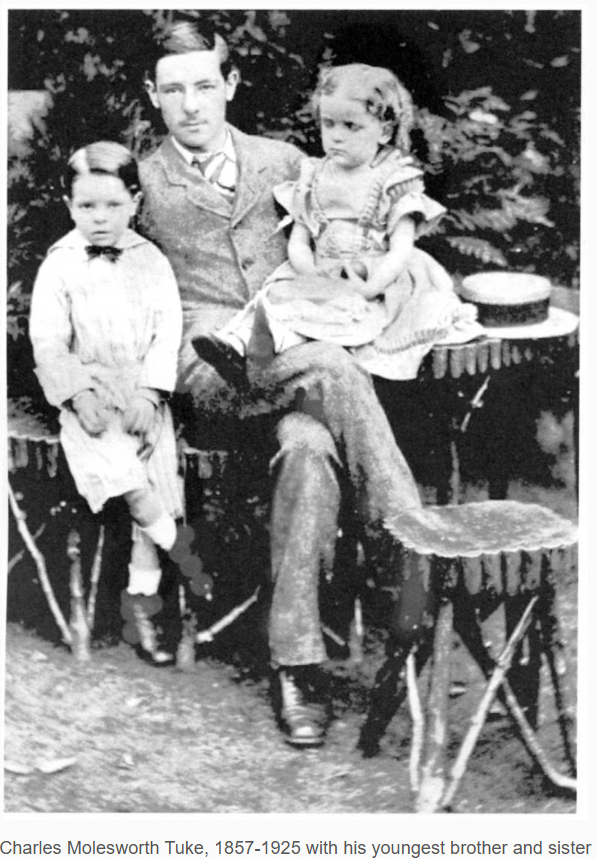
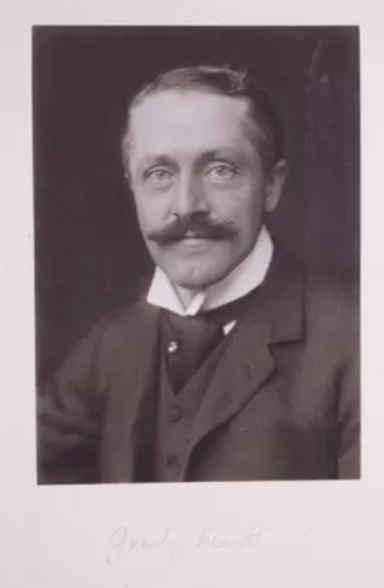
Dr William Morse Graily Hewitt, one of Fred’s first cousins, had four children - three daughters (Anne, Mary and Kate) and a son called Graily who went on to become a world-renowned calligrapher with works distributed across many museums, private collections and archives. Daughter Kate married a doctor called Thomas Seymour Tuke, one of Dr Harrington Tuke’s 11 children and a key member of the Tuke dynasty of medics who established and ran London’s privately licensed ‘elegant asylum’ for over 90 years. It was famous and lauded for its humane treatment of patients. Thomas and Charles, two of Harrington’s sons, trained at St George’s Hospital and assisted their father until his death in 1888 when they took it over. This was around the time Fred was also changing the face of anaesthetics.
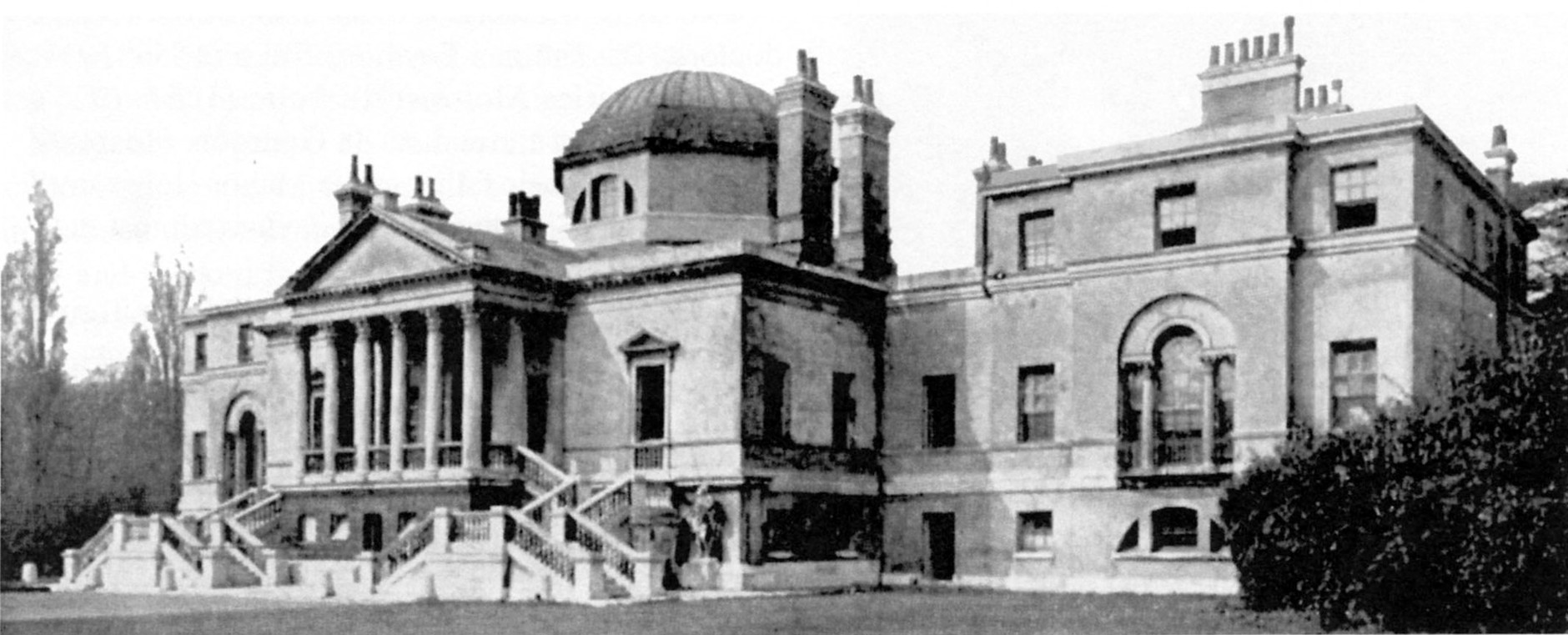
Chiswick House in Burlington Lane was put up for rent in 1892 and the Tuke brothers snapped it up. Thomas lived in the west wing while the east contained a surgery, consulting room, a nurses’ mess, various pantries and some accommodation for staff and patients. Charles took out an additional private lease on a plot of land at the Duke’s Avenue entrance on which he built the Gate House as his family home. The adjacent stable block, known as the Grosvenor Wing, had about 50 rooms for patients (it now houses a visitor’s café) and another called the ‘Acute Wing’ housed those who posed a danger to themselves or others. The Italian villa itself was preserved intact (the lease prohibited any alteration) and was used for Tuke family functions such as weddings, balls and fetes, and charitable events.
Patients lived in great comfort in their own rooms (some ensuite) which were well furnished, and they were encouraged to spend time with their families in their own homes and go out individually with an attendant. It was such a lovely place to live that completely sane lodgers often opted to rent accommodation amongst the patients. No one was ever hidden away from wider society and locals would often chat to the patients over the walls of the beautiful gardens which were (and still are) open to locals to encourage integration. The Tuke men were fanatical cricketers and constructed a pitch near the Staveley Road entrance where patients played against outside teams. There were also tennis courts and a nine-hole golf course.
The Tukes were completely devoted to their patients. Harrington stated in 1877 to a parliamentary enquiry that: “I have not left my dwelling for anything except professional business for eight years… it is one of the most difficult professional duties that a man can undertake and requires his whole time and his whole attention to do it at all.” When Thomas died in 1917 his obituarist wrote: ‘His personal tact with patients led to them looking upon him as a trusted friend even more than a doctor’. Charles lived until 1925 and his obituary reads: ‘The phrase “Tuke of Chiswick” is known and respected far beyond the bounds of psychological and general medicine. He made for himself a name that will be lasting and that stands for all that is best and most human in the treatment of insanity. He worked to make the atmosphere of Chiswick House that of a private country house, and to disassociate it from all appearances of an institution’. The asylum closed in 1928 when the Duke of Devonshire decided to sell the land.
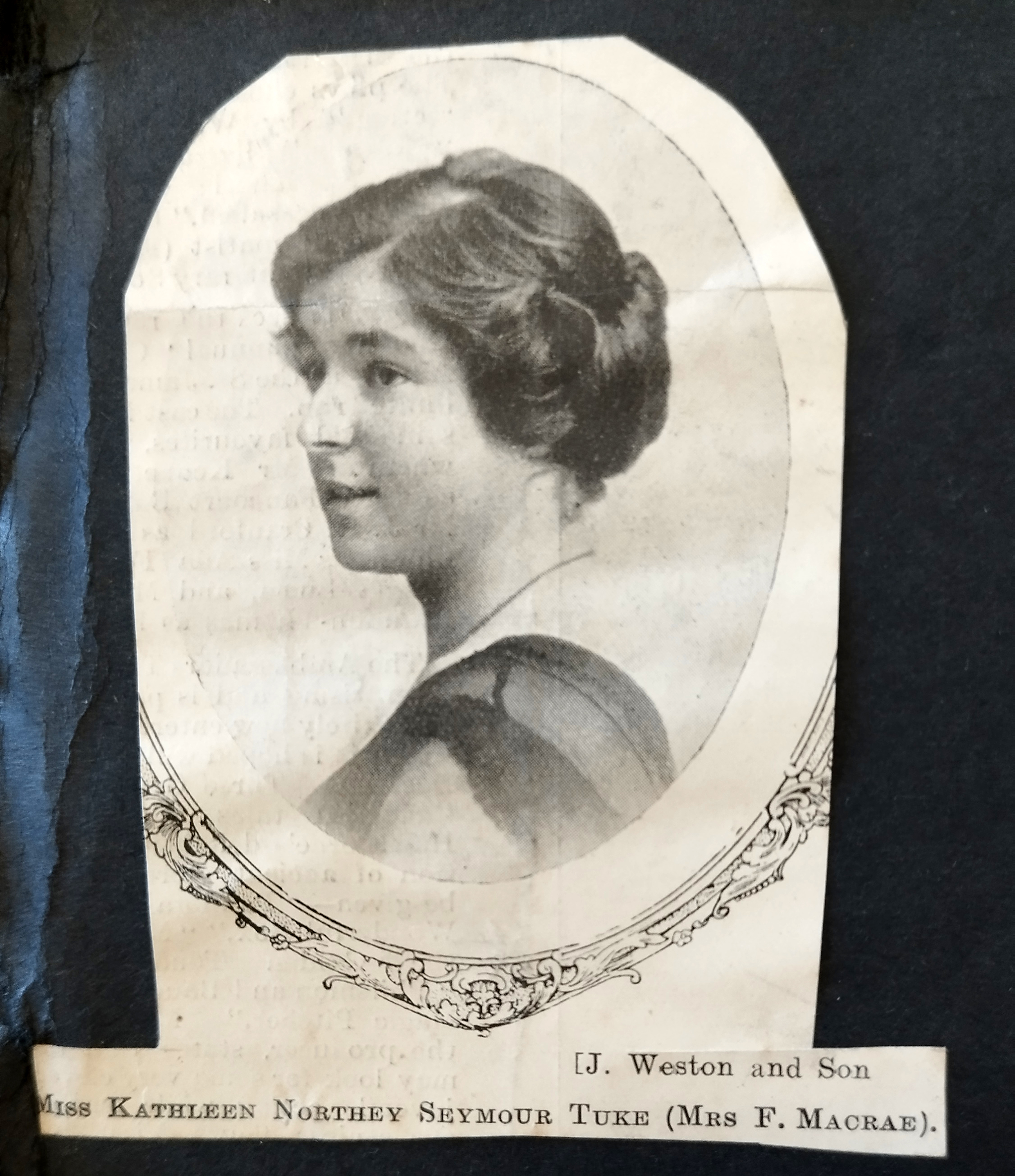
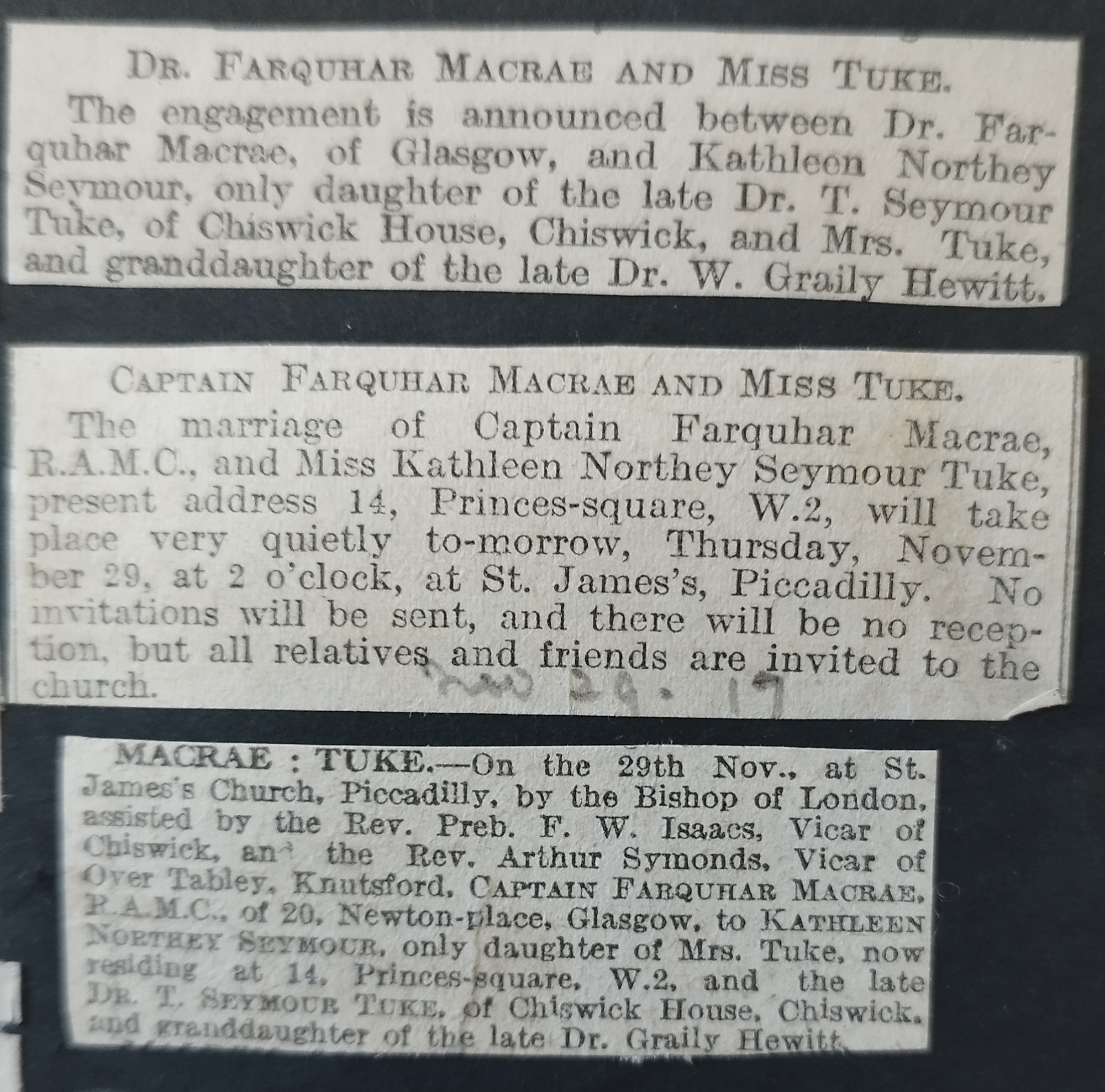
The familial closeness with Fred’s side of the family was maintained by Kate and her husband Thomas, and then later by their daughter Kathleen. When Kathleen married Captain Farquar Macrae on 29 November 1917 in London, Doris travelled down from Sheringham with her parents to be the sole bridesmaid. Many other Hewitts went to the wedding (Wyn was away at Eton and unable to attend). Doris collected and stuck press cuttings about the wedding in her scrapbook, one revealing a fascinating list of every guest’s name along with the gifts given - Mr and Mrs T G Hewitt and Miss Doris Hewitt presented the bride and groom with a pair of Sheffield plate candlesticks.
bottom of page