Day, Son & Hewitt
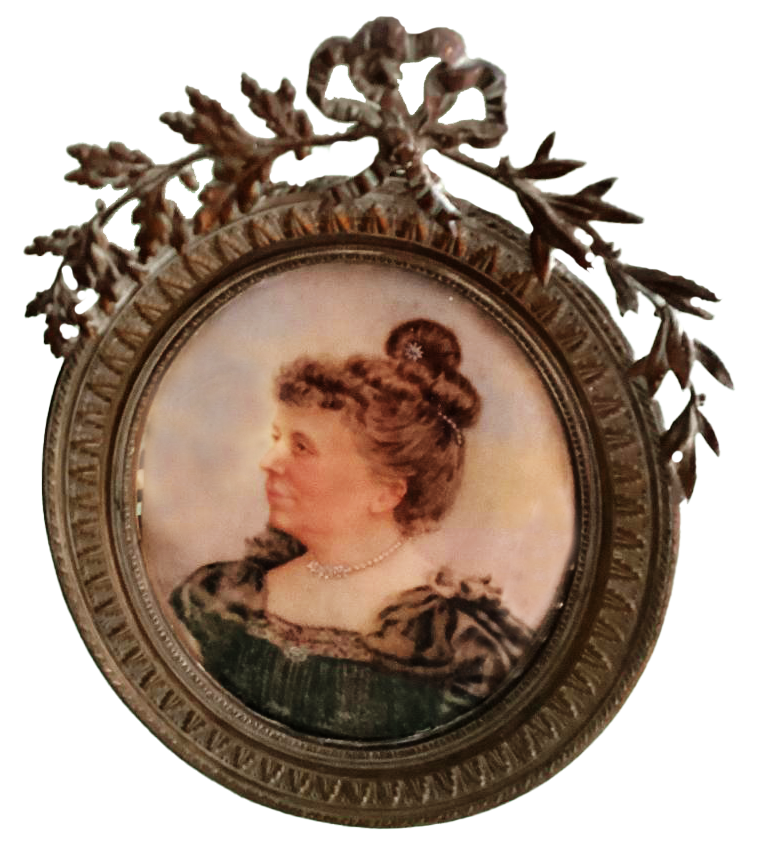
%20was%20Sir%20Fred's%20and%20his%20siblings%20mother_%20She%20was%20known%20as%20Gran-gran_.png)


Stories and memories
Company history
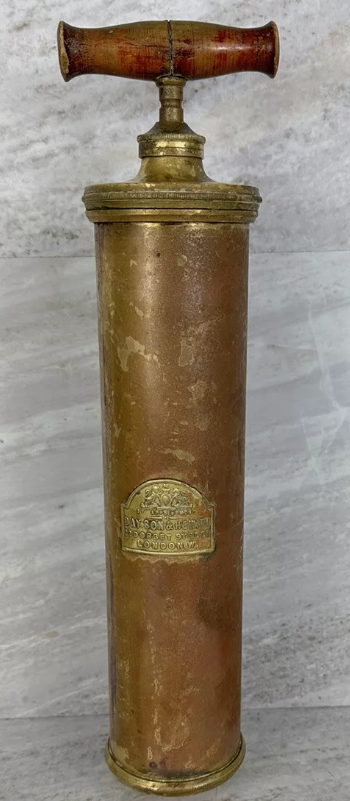
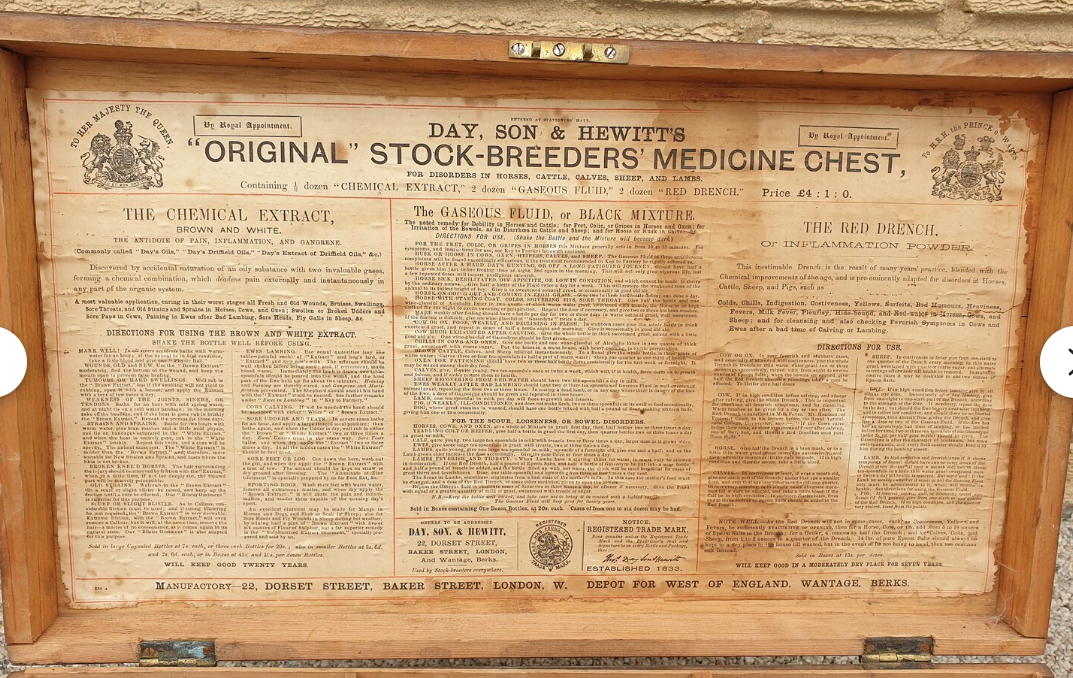
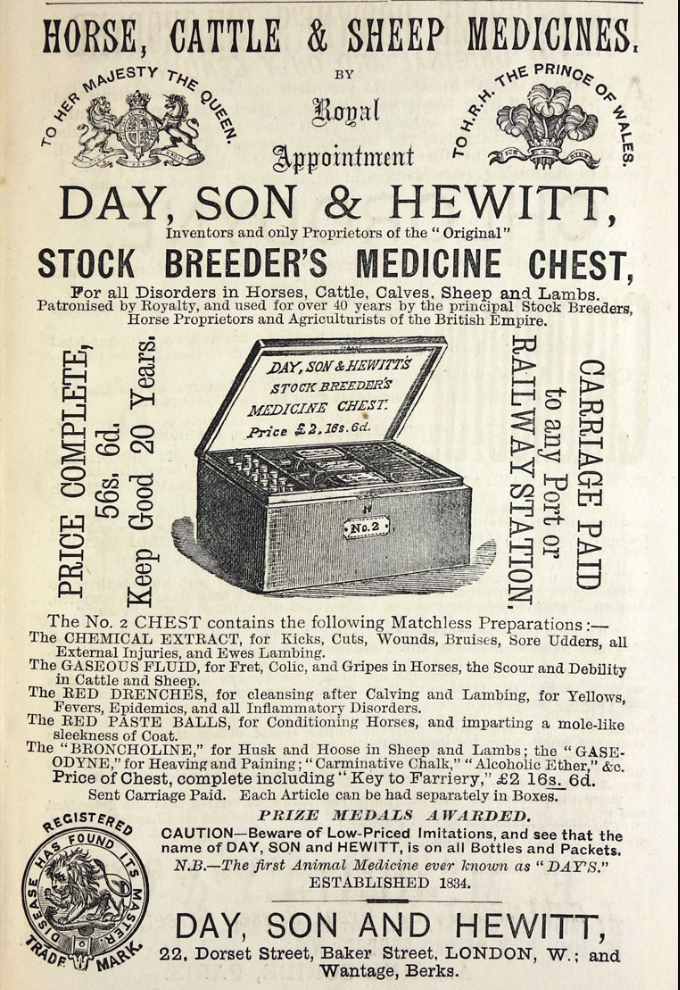
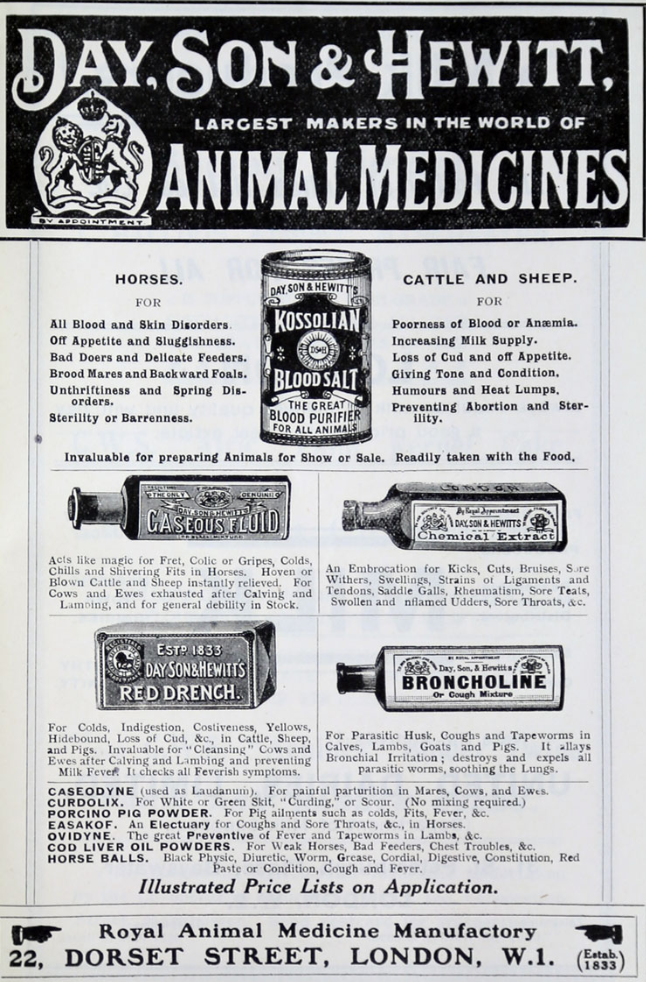
Thomas Day began manufacturing animal medicines in 1833 at Wantage, Oxfordshire, and then a year later on Red Lion Street London. In the same year he launched the first known equine tonic “Black Drink” at a price of 10 shillings for half a dozen bottles. Thomas Day developed his business, by concentrating on the manufacture of equine remedies but in 1846 he closed down his London operation and concentrated the entire business in Wantage.
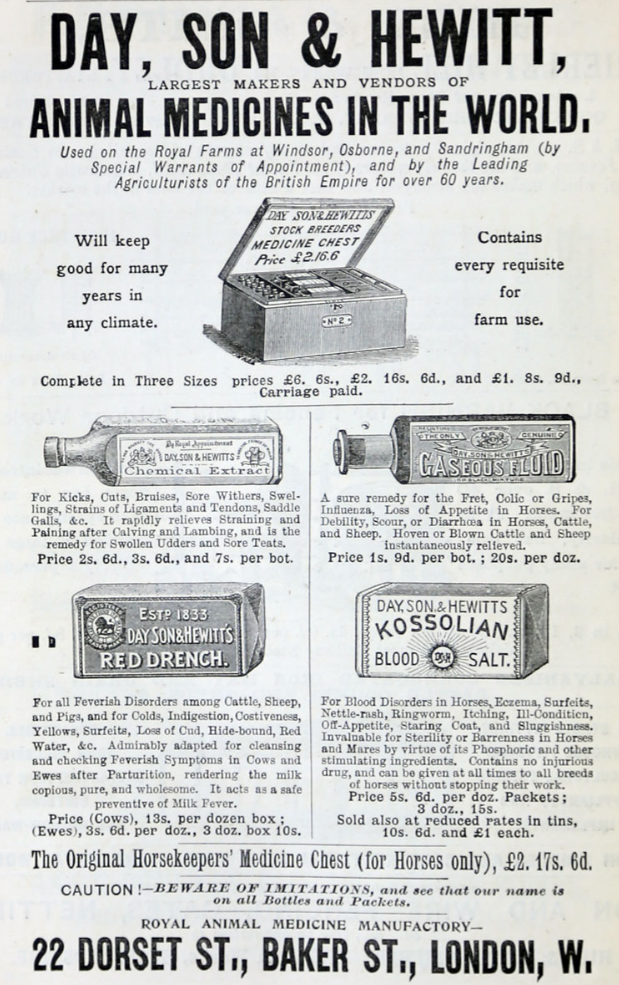
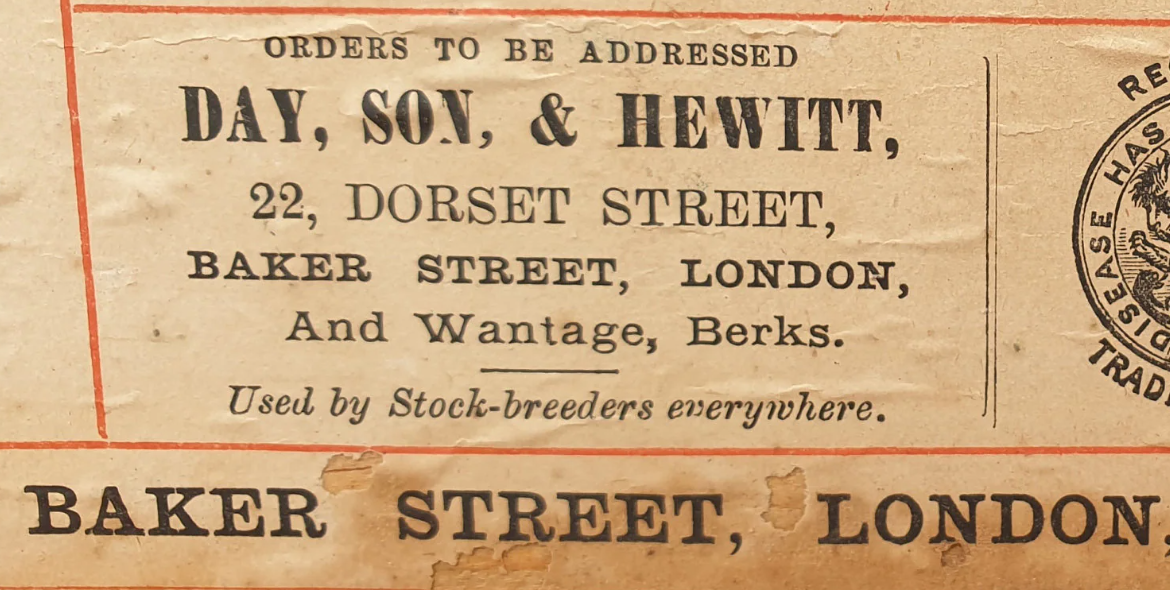
Day’s son, William Henry Day, became a partner in 1852 after which the business traded as Day & Son Ltd. In 1856, the company re-established itself in London, with premises at 12 Sheldon Street, Paddington, although the Wantage site continued to be active. Shortly afterwards, George Frederick Hewitt was taken into partnership and the company was renamed Day, Son & Hewitt Ltd. In 1862 it moved from Sheldon Street to 22 Dorset Street, London where it remained until the 1950’s.
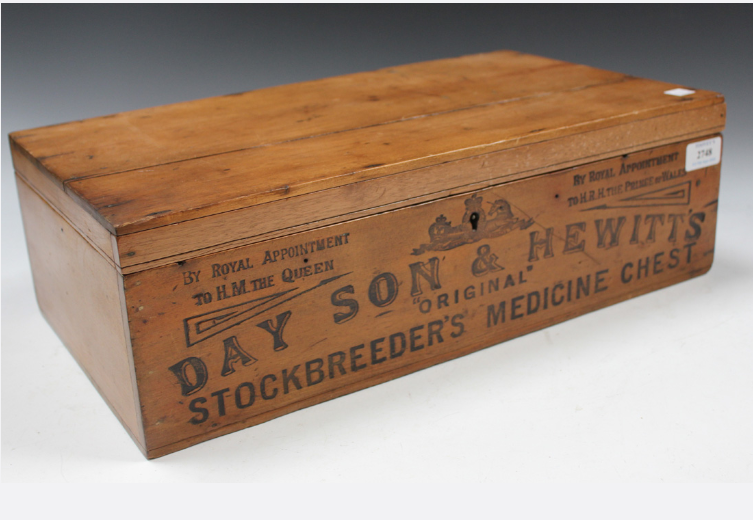
However, in 1881 the partnership split when the original Day family moved to Crewe and established a new company Day & Son Ltd. George Hewitt remained in London and promoted the good name of Day, Son & Hewitt. The business flourished and was for a long time the largest manufacturer of equine medicines in the country. From 1950 to 2005 the business changed hands twice before it was purchased by The Tangerine Group, along with its sister company, Carr & Day & Martin. Since those early formative years, the name Day, Son & Hewitt has become synonymous with trust and to this day customers count on our years of manufacturing experience to ensure their horses receive the very best products available. An example of this was the awarding of the Royal Warrant in 1865 during the reign of Queen Victoria.
The company held on to the Royal Warrant for the supply of veterinary products to Her Majesty Queen Elizabeth II.
A family affair
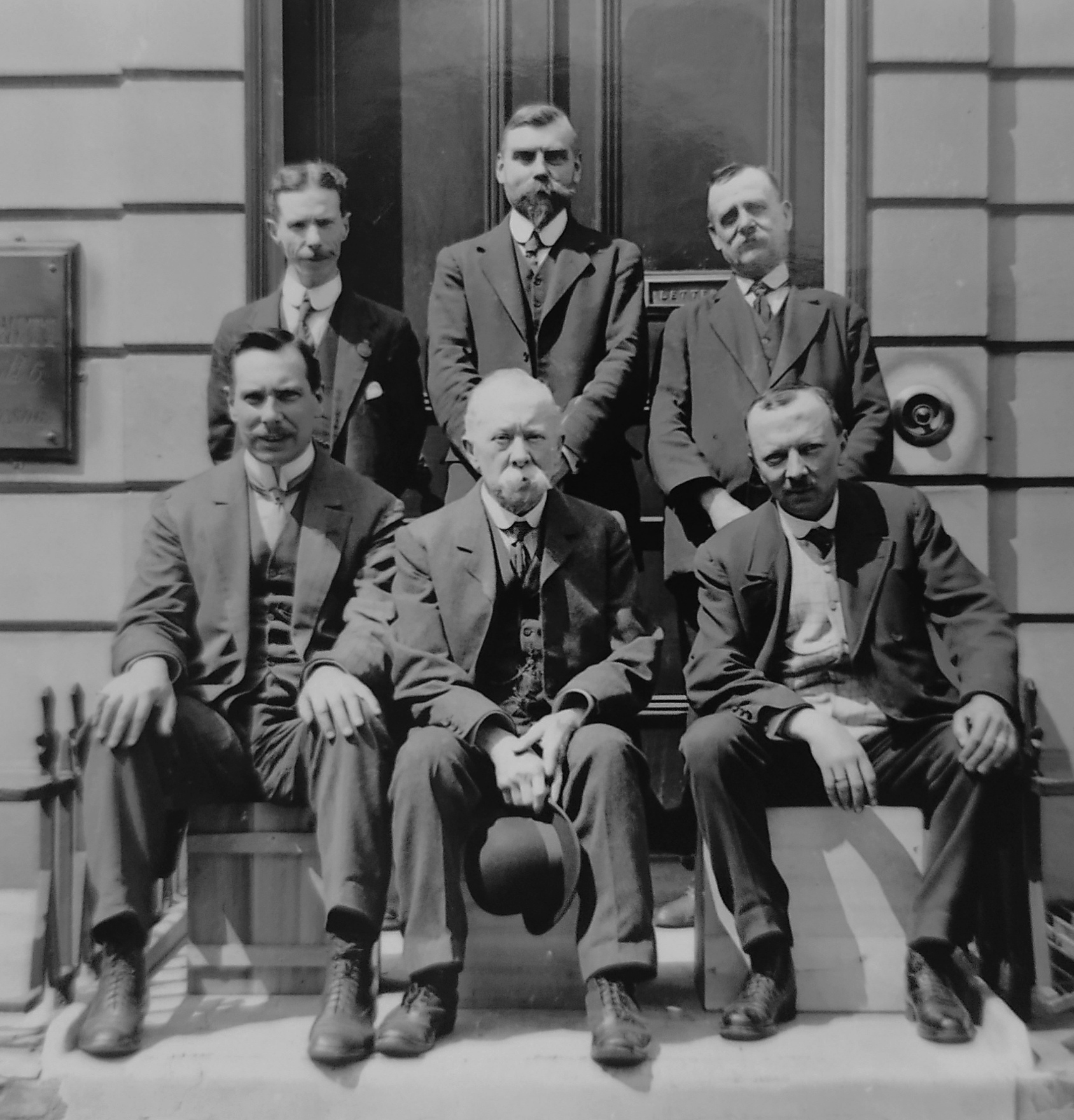
While Fred bucked the trend and pursued a medical career, his three brothers went into the family firm with Southby eventually taking overall charge. Tom and Harry also worked for the family firm as did Tom's son Cecil. Suffering from Spondyloepiphyseal Dysplasia Congenita which resulted in him being shorter than average and meant he needed metal leg calipers and crutches, Cecil lived his whole life with family, splitting time between their various homes at 28 Hornton Court off Kensington High Street (the Ealing house was sold before WW1) from where he travelled to work as a clerk in the Day, Son & Hewitt office, and Eastcourt in the holidays. The two younger Hewitt sisters Elizabeth (known by her middle name Maud) and Emma (who called herself Ena derived from her middle name Georgina) also benefitted from the family firm's success and they all lived in great comfort. Ena married a man called Harold Adams who also worked for the business and they bought a big pile called The Grange at North Stoke.
Wyn: "Old Southby really was something. God knows how his long-suffering wife Edith (nee Strachan) put up with him. He lived in great style at 73 St James Street, SW1 over the then very fashionable tea shop cum confectioners Rumplemayers which had opened in 1907. He kept a wife down at Taplow near Maidenhead and two mistresses. One, Heather Thatcher, was a very well-known singer and actress – she was in Gaslight and Beau Geste - but I don’t know who the other was."