Jack Drewett


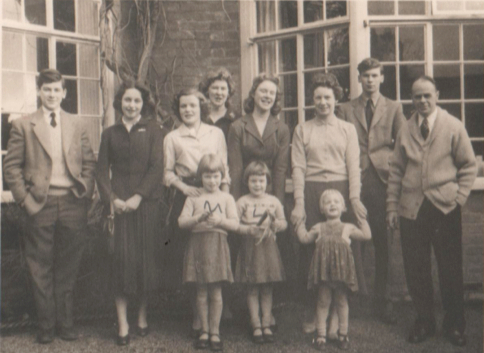
%2C%20Judy%20Lane-Hewitt%20(Wyn%E2%80%99s%20daughter)%2C%20Hazel%20Drewett%2C%20Carolyn%20Drewett%2C%20Sylvia%20Page-Roberts%20(Nigel%E2%80%99s%20wife)%2C%20Richard%20Drewett%2C%20Jack%20Drewett%20Front_%20Marguerite%2C%20Lu%20and%20Geraldine%20(Nigel%20and%20Sylvia%E2%80%99s%20three%20oldest%20daughters)_.jpg)



Stories and memories
Early beginnings
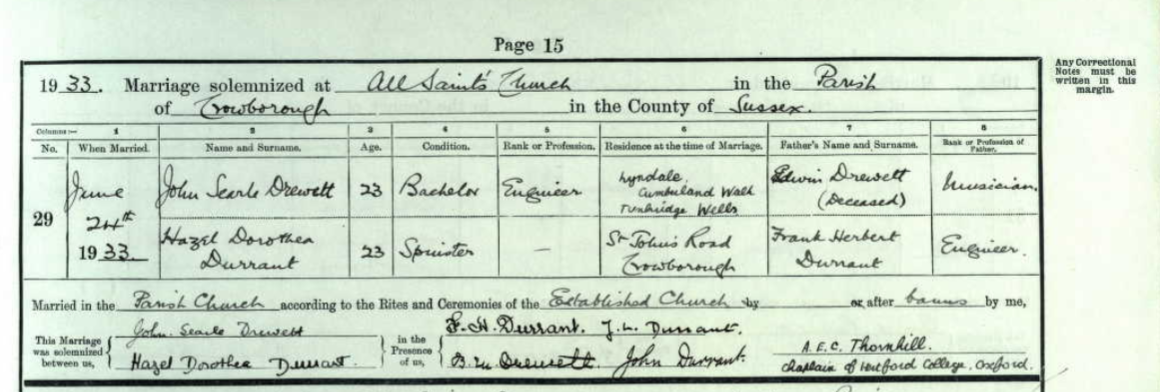
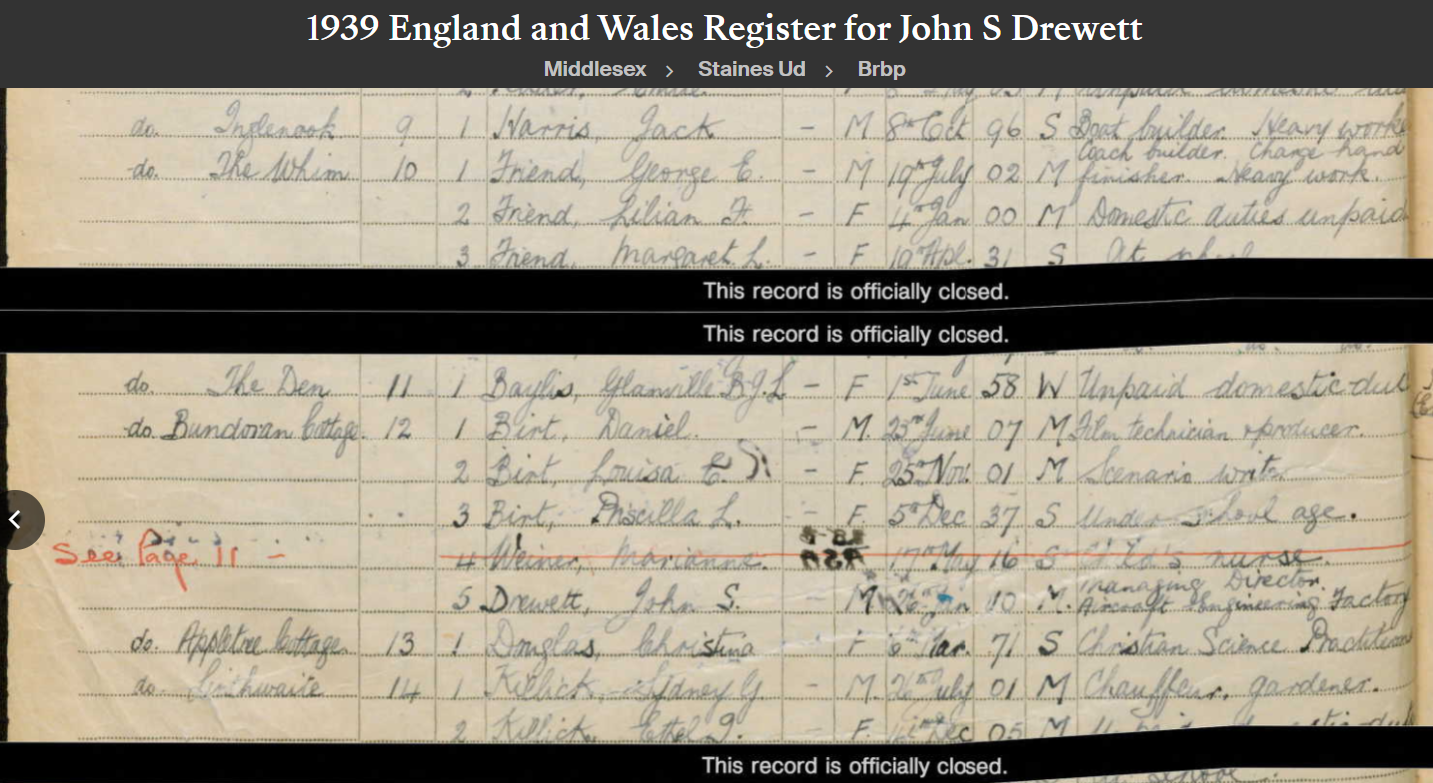
Jack was born on 26 January 1910 in Ticehurst, Sussex to a 60-year-old church organist, teacher and composer. He was a popular pupil at Ardingly College and Tonbridge School, always on the go, and full of fun and energy. He met Hazel Durrant (she was the same age as him) whose mother was a journalist and her father a renowned civil engineer who later sorted out the drains of Valetta and was made a Knight of Malta. They married on 24 June 1933 in Crowborough All Saints, Uckfield and produced three fine children: Richard in October 1935, and twins Carolyn and Christopher in June 1939.
As war broke out, Jack formed his own company called HC Shepherd doing general engineering and he quickly picked up a contract making the tubular steel frames for the upper gun turrets on bombers, the company having been given specialist tube bending machinery by the Ministry of Defence. This contract gave him a considerable income on the back of which, he and Hazel moved to a big house in Abinger Hammer, Surrey. When the war ended the contracts dried up. He still had the tube bending machinery though, so he did what every great entrepreneur does and adapted. HC Shepherd became the second UK firm making tubular steel furniture for schools and offices. Later in the early 50s, the company went into aircraft seating, supplying many of the new Viscounts and Vanguards, and did very well.
First meeting with Wyn
Wyn: "Whilst at IAL I needed an assistant and John (Jack) Searle Drewett, a De Havilland apprentice at the time, was looking for a job. He replied to my advertisement, and in walked this charming and energetic bloke, slight of frame and with a winning smile. He had me laughing from the off and his engineering skills were second to none. We immediately engaged in intense and competitive discourse on the merits of certain automobiles, and it turned out he was a not only a phenomenal mechanic, but also a skilled and courageous driver. It was inevitable we would become life-long adventure chums, which we did right up to the day he died."
Jack takes over as Chalwyn MD
Wyn: "With the end of the war approaching, Al, Chester and I started looking for something to do when the aircraft contracts inevitably fell away. I heard through a contact in London that the MOD had put a very lucrative contract out to tender for the manufacture of hurricane lamps. We decided to have a shot at it but some samples were required. We had, I think, a couple of 10 or 20-ton presses but that was all, so we improvised and made wooden tools to draw the bases. With four people on a large fly press we managed to make the tanks, and lo and behold, it all worked. We won the contract, rashly promising a 13-week delivery on the first order. This we managed to do but how we did, Lord knows! Chalwyn was up and running."
Wyn’s next step was to find a hands-on MD so he could free up his time to enjoy all his hobbies and associated boys’ toys. He offered the role to Jack who was still running his own business HC Shepherd, but as they weren’t mutually exclusive, he accepted. Jack ran Chalwyn from 24 Feb 1948 until Wyn’s nephew Nigel took over on Jack’s premature death ten years later. Having originally been employed as Chalwyn’s full time Sales Manager at £800 pa, Jack was appointed MD at a salary of £2,250 + bonus from 1 April 1948.
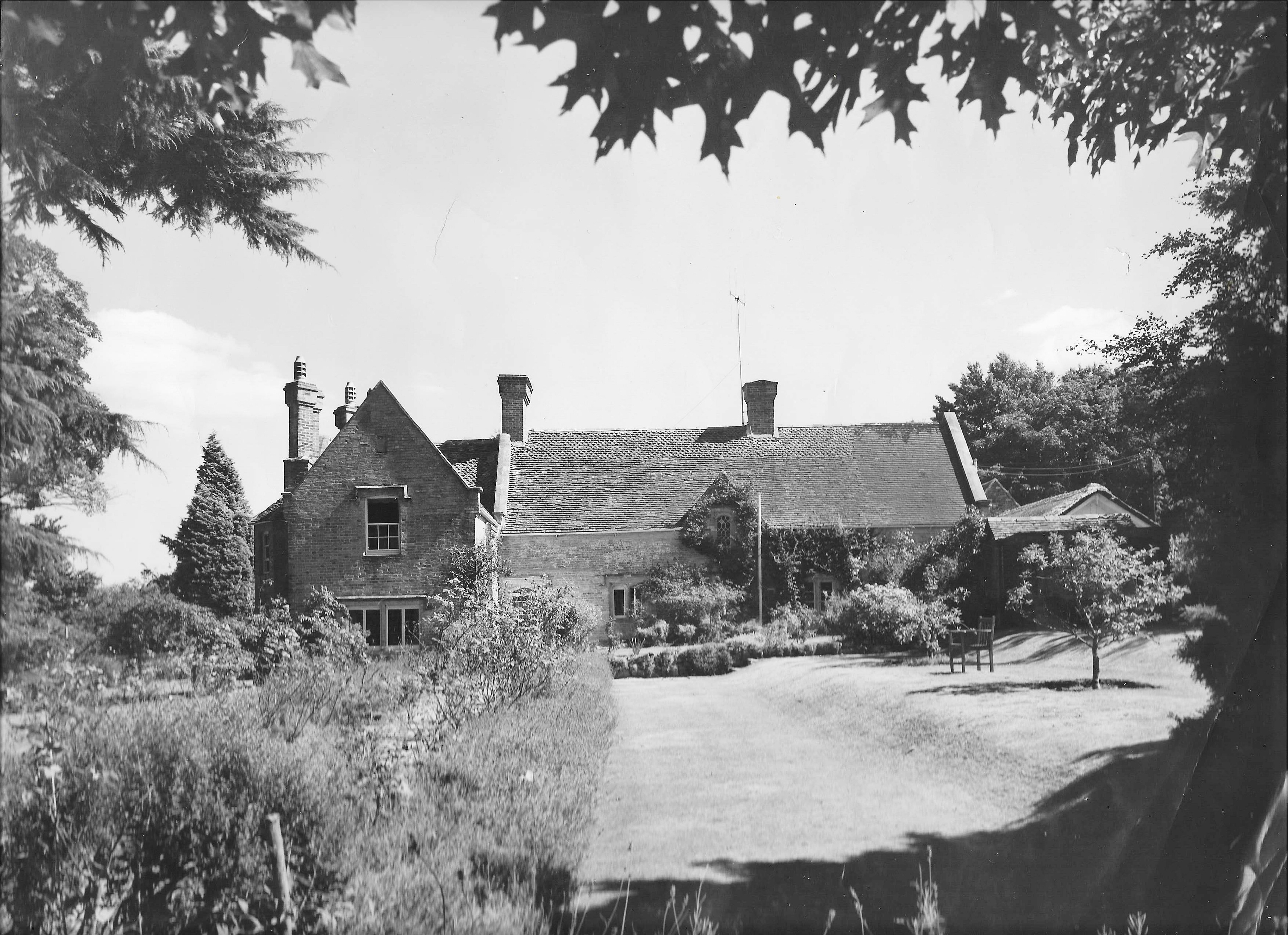
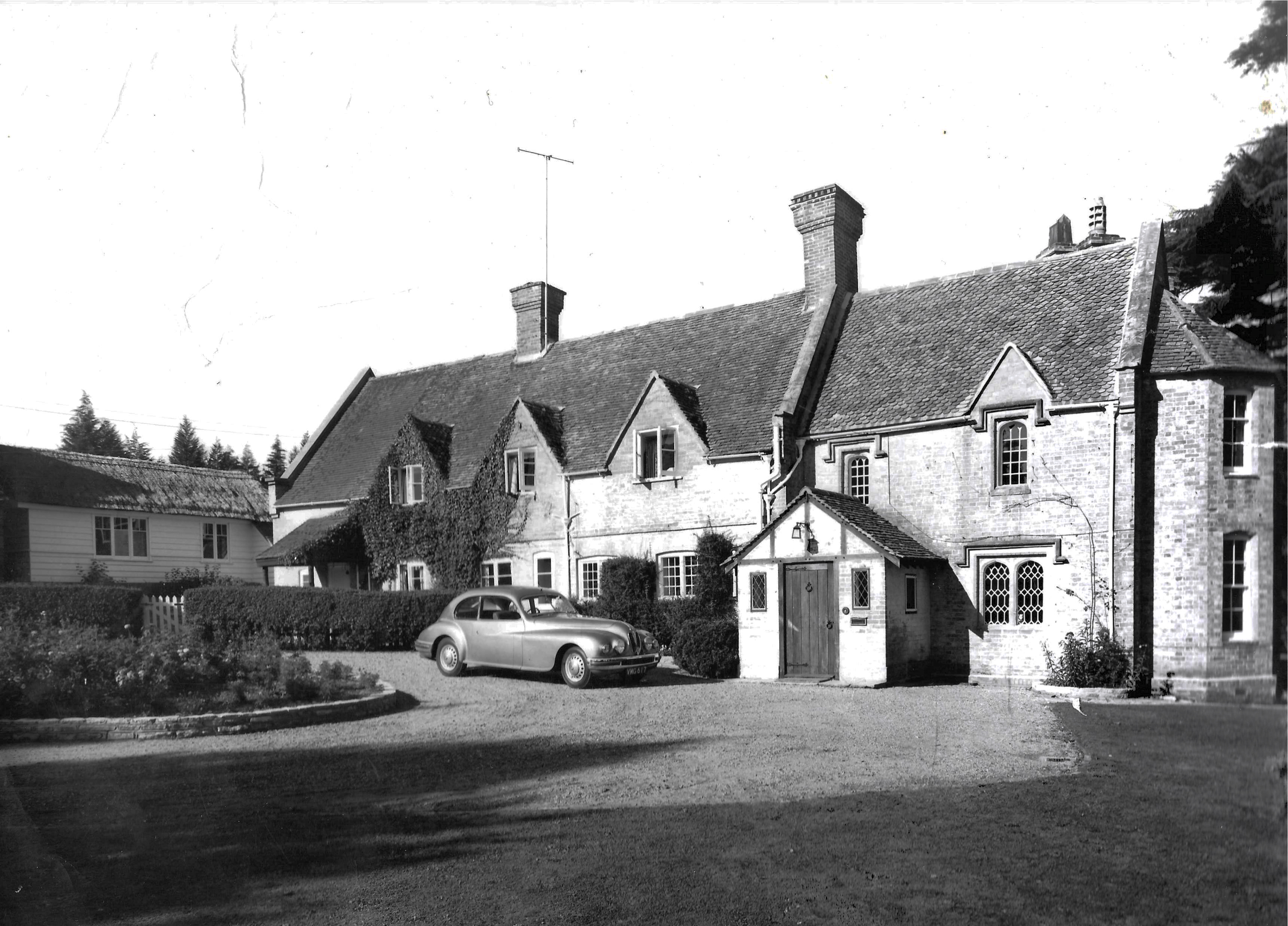
Now he was earning the big bucks, Jack and Hazel bought a beautiful and very large house in Merley Lane just outside Wimborne, Dorset. Aside from driving and golf, Jack was a fanatical cricketer (wicket keeping was his forte). He renamed his new house ‘Fenners’ after his hero Francis Phillips Fenner (1811 - 1896), an English cricketer who played for Hampshire. A right-arm fast bowler, Fenner took 176 wickets from his 54 first-class appearances from 1829 until 1856. He established Fenner's cricket ground in Cambridge in 1848 on land which he had leased, and it’s still used by Cambridge University for their home fixtures. Jack wanted to emulate his hero and manicured one of his own two fields into a professional and very picturesque cricket pitch where the Dorset county team played some of their matches.
Rallying
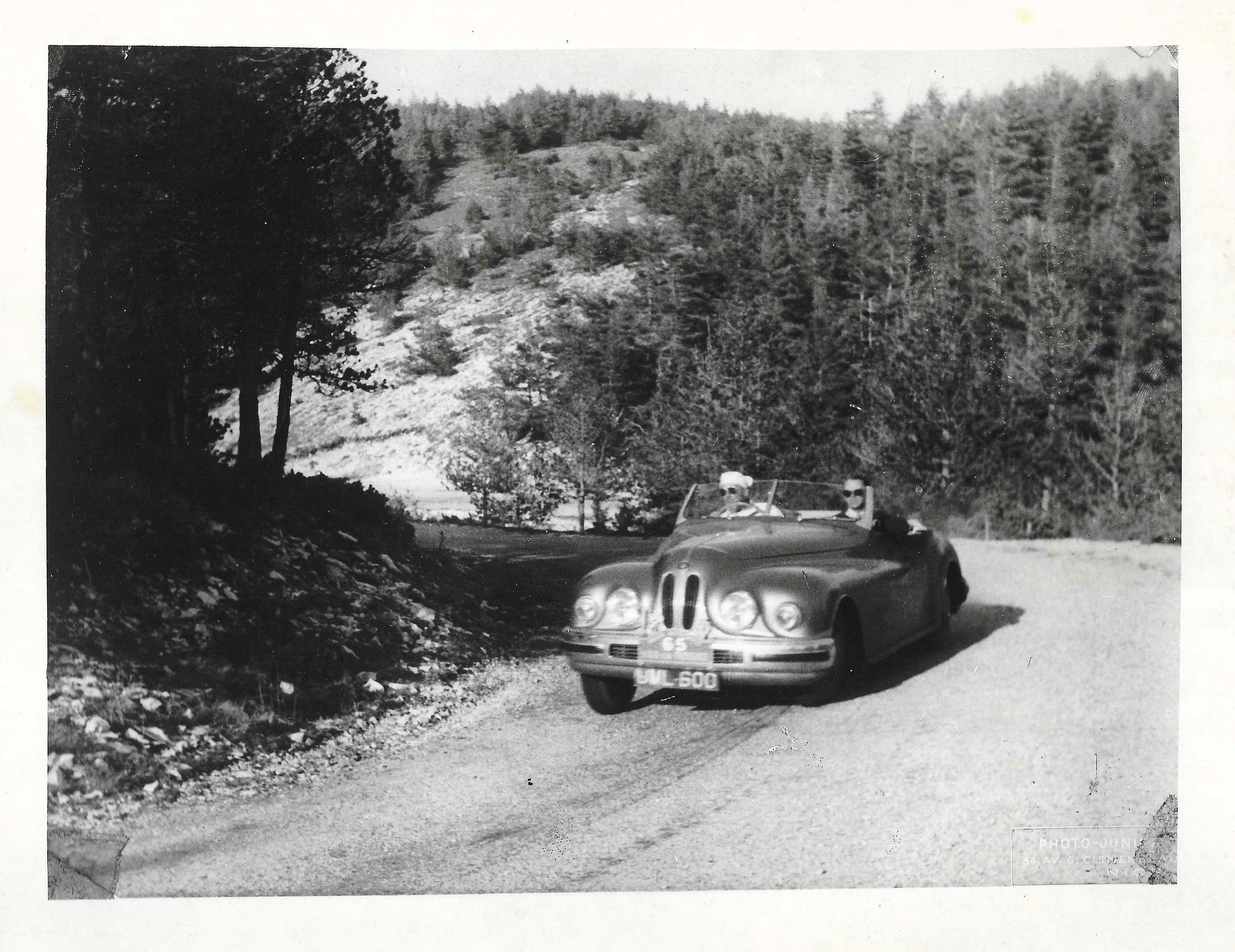
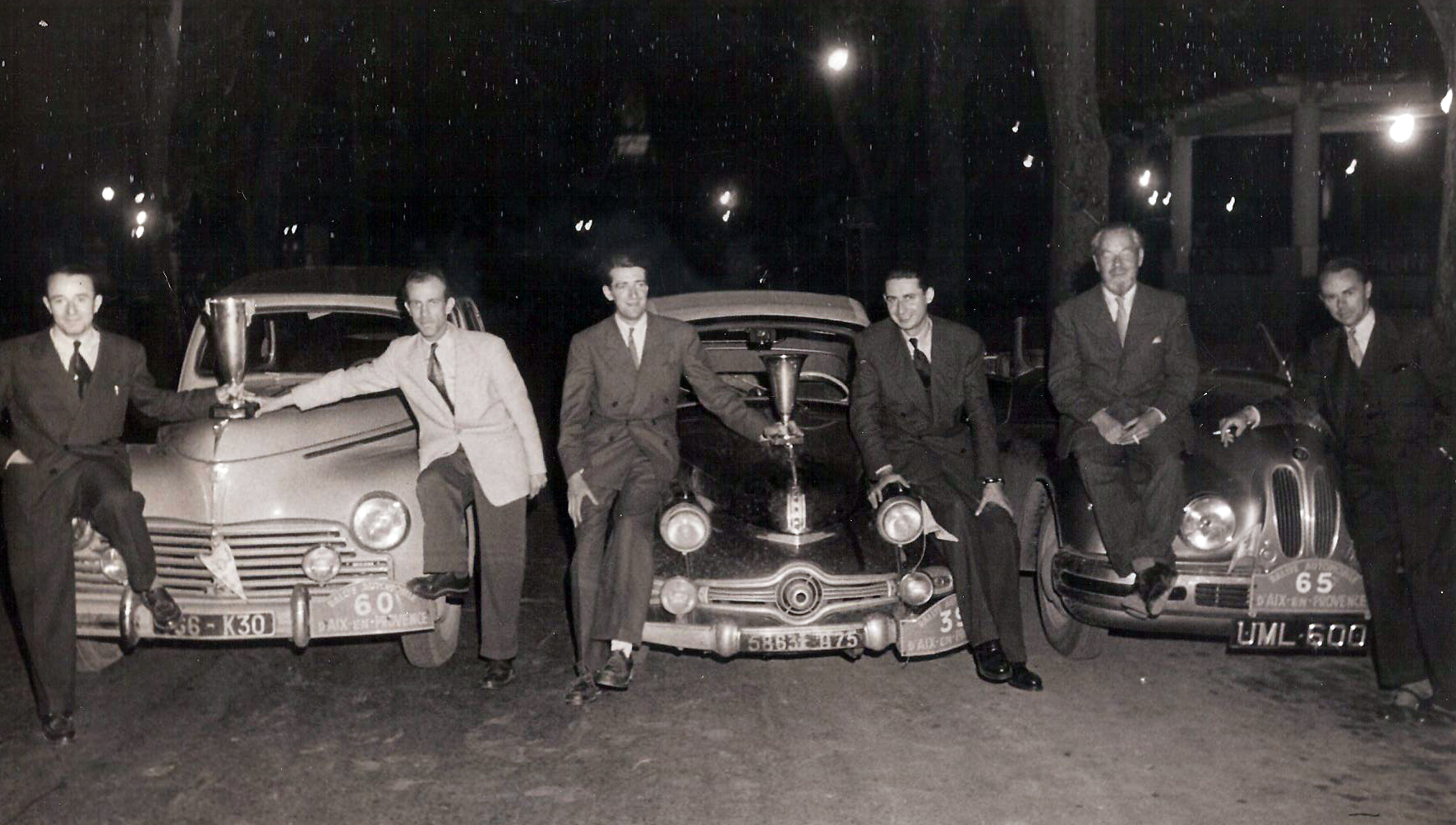
Rallying was high-octane fun and totally frivolous really. Post-war life was for living again and Wyn loved every minute of it. Jack was cut of the same expensive cloth and had done some pre-war racing before they met, mainly at Brooklands in an Austin Seven. Together they decided to team up and have a go at a few of the big international events held in France but first they’d need a suitable set of wheels. Jack owned a Bristol 402 registration UML 600 in which they decided to try their luck with Wyn in the driver’s seat and Jack as co-pilot.
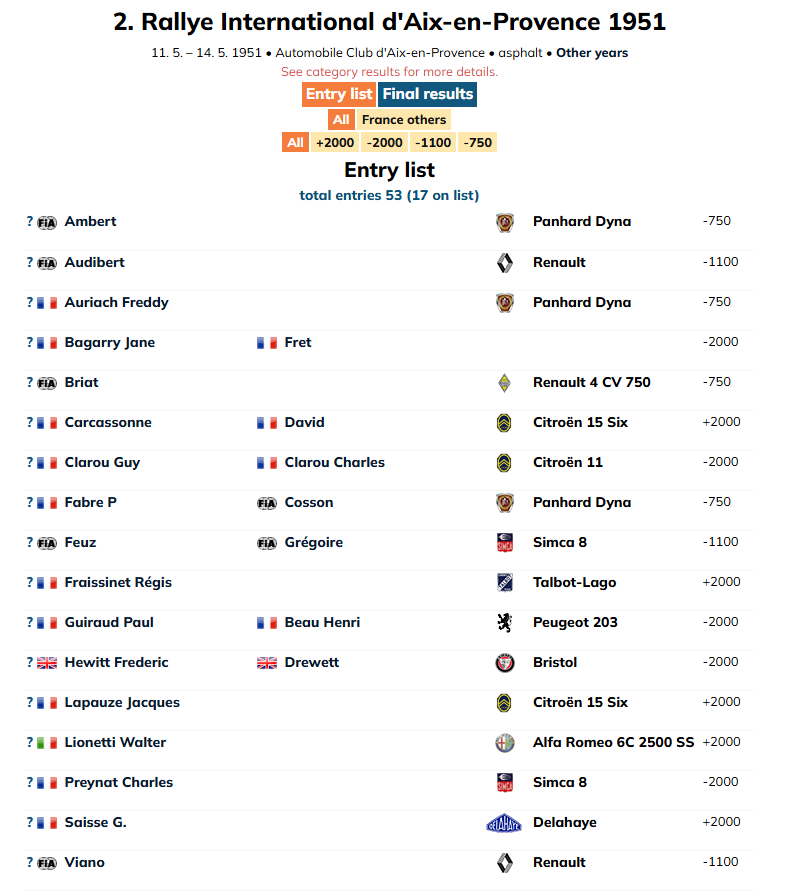
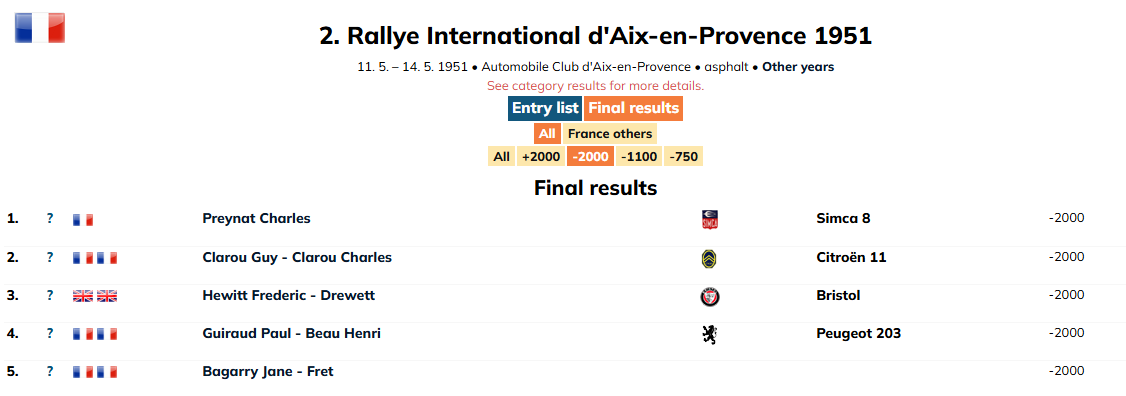
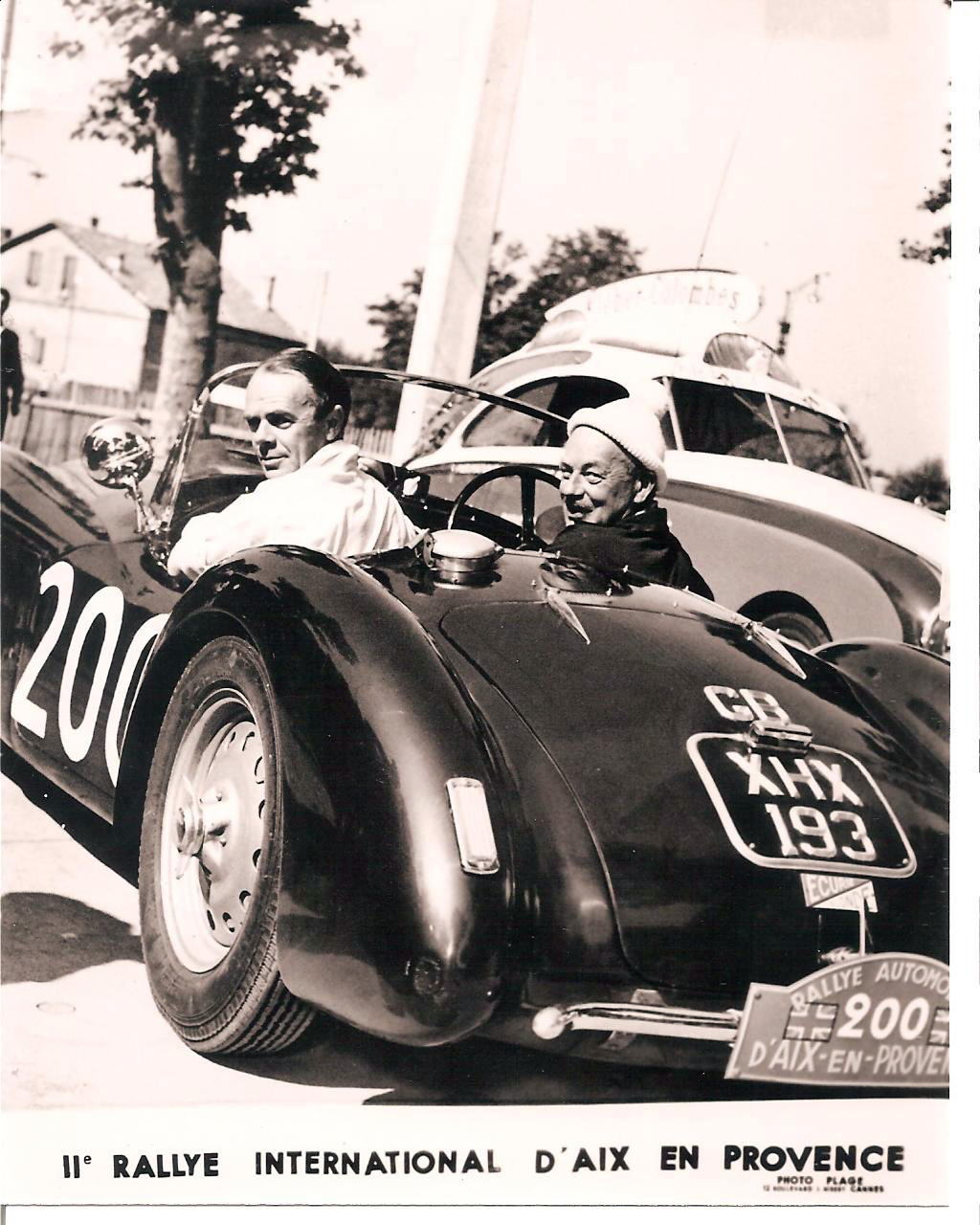
They entered the 1951 Rallye Soleil-Cannes 15-20 April and achieved a very respectable debut result of 11th overall. With their addiction spiked, they hoped to go bigger and better in their next competition which was only a month away. The 1951 Rallye International d'Aix-en-Provence 11-14 May and in car number 65 Wyn and Jack performed well, coming third overall. Being the only non-natives to appear in the top five piqued Wyn’s sense of national pride and a certain amount of smugness.
Both Wyn and Jack entered the 1953 Rallye Soleil-Cannes 29 March – 2 April which marked the 50th anniversary of the Automobile-Club de Cannes and was considered the most difficult of the series. 104 cars took part and were split into Touring and Sports categories (sub-divided into cubic capacity classes) for the four events:
1. A speed test at Montlhéry.
2. A short but difficult regularity road test of 800 miles towards Cannes.
3. A manoeuvrability test in Cannes.
4. The hill climb between Cannes and Le Cannet.
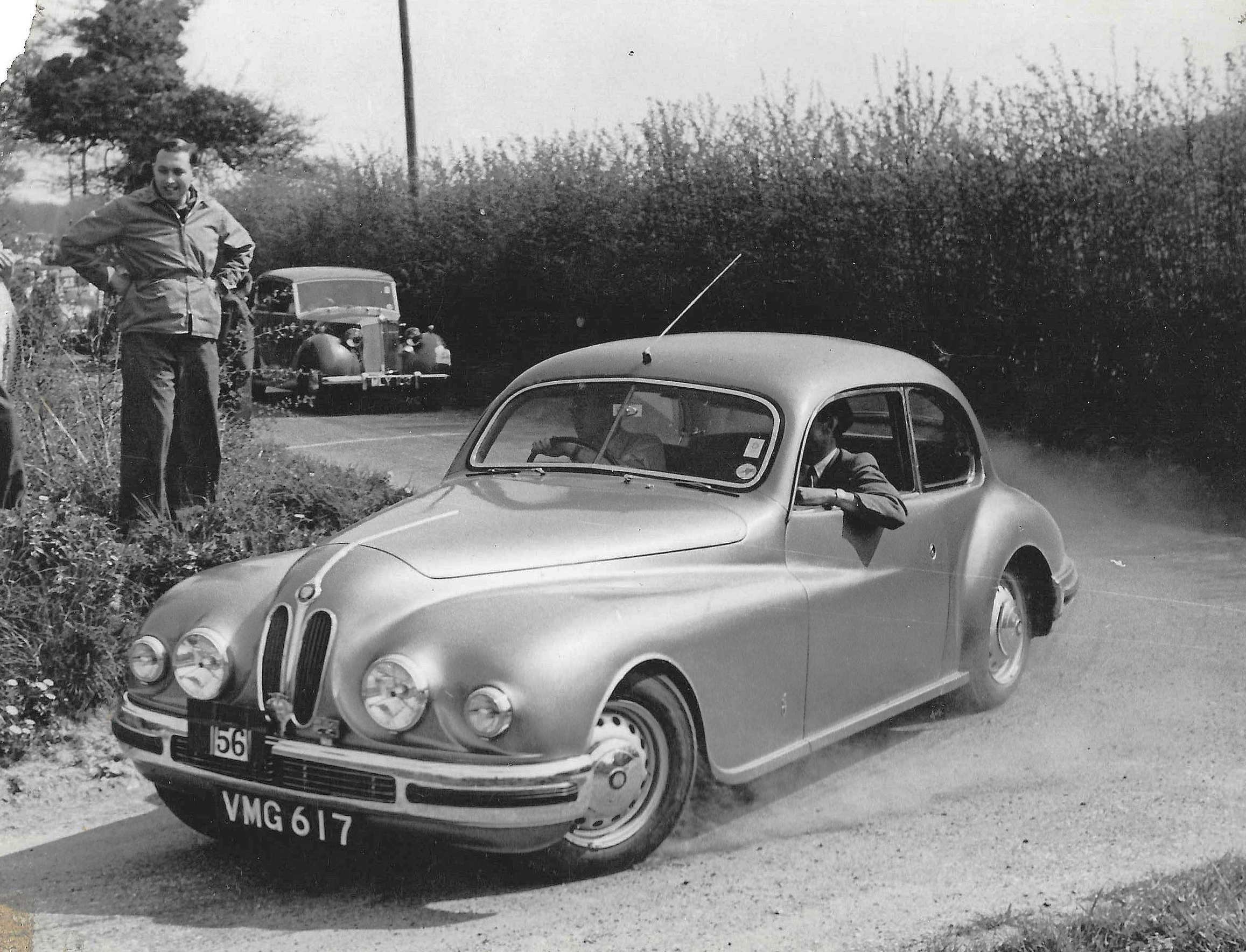
Jack entered the Touring cars 1,500cc to 2,000cc in his Bristol 401 (voted 'The Best Car in Britain’ by Motor Sport magazine in January 1953), a full five-seater saloon developed from the Bristol 400 using an improved version of the BMW 328 hemispherical-head engine. Its styling was inspired by a Milanese designer, Carrozzeria Touring and the novel door handles were hidden, being opened by pressing a button in the door. The engine was the same 2-litre in-line six-cylinder petrol unit as the 400 but upgraded with improved Solex carburettors to increase power by an additional 5 bhp (3.7 kW) to 85 bhp (63 kW). The suspension was independent at the front, using a transverse leaf spring and wishbones, the rigid axle at the rear had torsion bars, steering was by rack and pinion and the brakes were Lockheed hydraulic, with 11 in (279 mm) drums all round.
The Road Section of just under 800 miles had to be covered at average speeds ranging from 33mph for 750cc touring cars to 37.3mph for unlimited sports cars. There were two very difficult sections which required hard driving and accurate navigation: Yssingeaux-Valence, and Castellane-Cannes, via the Gorges de Verdon, Aiguines, Comps, Gourdon, and Grasse. One passenger in a Simca counted 719 bends between Yssingeaux and Valence within the 62-mile distance. Jack in his Bristol 401 (VMG 617 - another company car) was unlucky to lose 61 points as Hammond, his passenger was overcome by debilitating sickness after a dodgy chicken dinner combined with the constant swaying of the car on the first section. Jack still managed to pull a first rate rabbit out of the hat and won his class outright.
Jack had a great love of Bristol cars and owned several during his years with Wyn’s companies:
Chalwyn minutes 18/11/1949: It was resolved to approve the purchase of Bristol motor car KXE 123 (from Mervyn Austin Esq) for Director use for the sum £2,900.
Chalwyn minutes 18/6/1953: It was resolved that the Bristol car registration No. VMG 617 should be sold for the sum £1,400 and the Bristol car YMH 192 be purchased for £2,812 as a replacement.
Jack's struggles
Chalwyn under Jack’s management didn’t fare so well. From the mid-50s onwards and with Wyn no longer an Executive Director but a remote consultant, he had no real sight of the daily doings at Chalwyn. The only information he had was from the Board Minutes distributed to shareholders (of which he was the biggest) and casual conversations snatched with Jack when they were both distracted under an open bonnet. But Jack was struggling. Had Wyn known that his great pal was introducing ill thought out new products such as space heaters, and was keeping the production of cheaper coated lanterns going full tilt even though there were no buyers, he would most surely have stepped in. Cash flow came to a grinding halt and Jack was hiding the losses.
These days, Jack would have been diagnosed as having an addictive personality. He was driven by the desire for immediate gratification, always wanting more, and then constantly needing more, and it could be anything - substance, sensation, behaviour, or risky activity – that would scratch his itch. He found it almost impossible to self-regulate his behaviour and accept responsibility. It had affected his private and work life for several years, to the extent that the Chalwyn minutes log him as off sick from February 1950 to at least 24 July that year. The family tried everything to get him through it, including electric shock therapy, which was disastrous. On 5 April 1958 the Black Dog had him well and truly in its teeth and Jack drove half a mile down the road from his beloved Fenners, parked up on a woodland track and took an overdose. The kind coroner ruled it as accidental death.