top of page
Business building














Stories and memories
Wyndham Hewitt Ltd
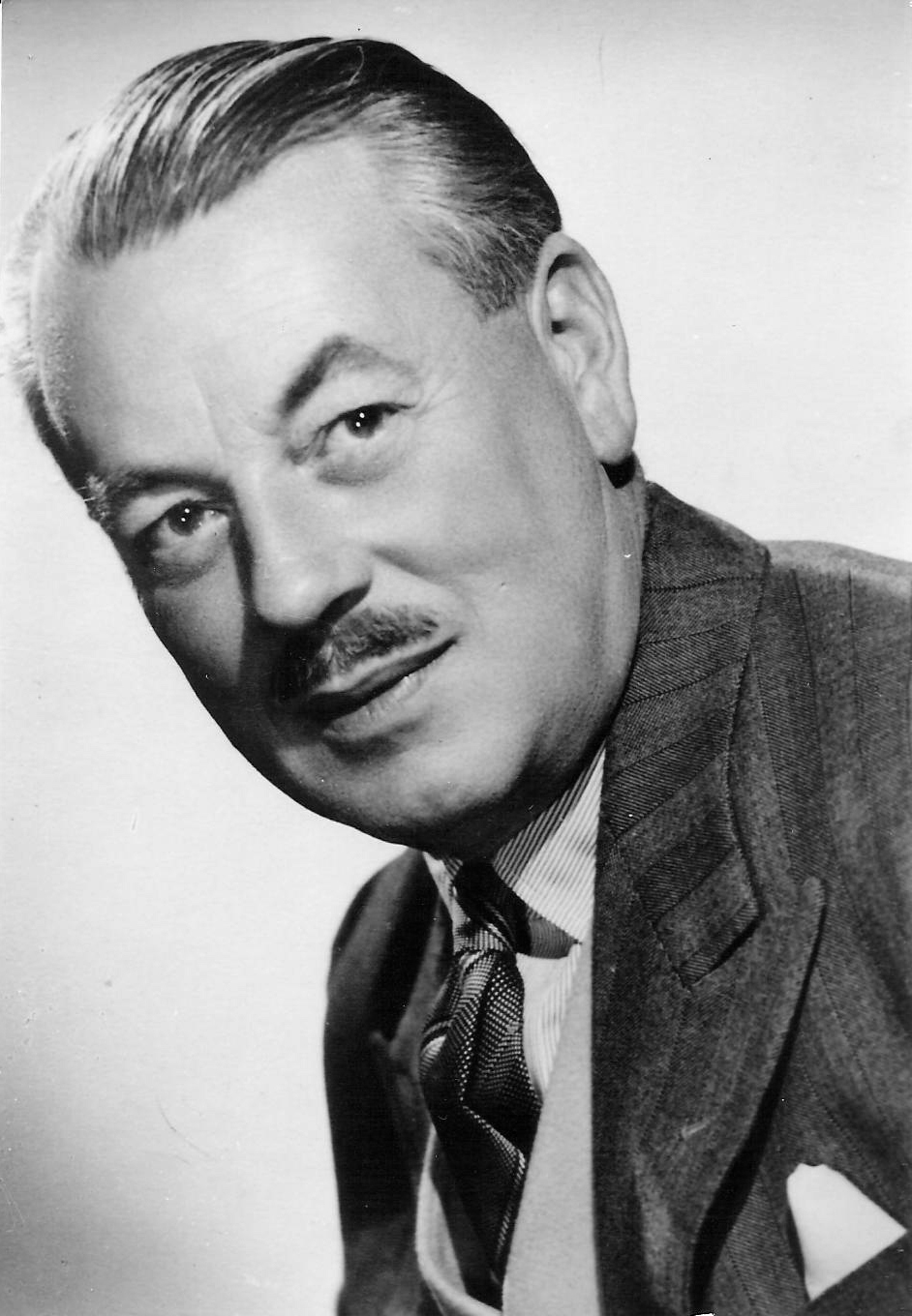
Wyn: "Soon after joining IAL, Wyn met and became very good friends with a fine fellow called Magnus Geddes, whose father Sir Eric Geddes had been Chairman of both IAL and Dunlop. Magnus was a larger-than-life character, big on personality, and equally big on size - a brawny Scotsman who stood much better than six feet in his socks and who tipped the scales at better than 250 pounds. His love of the hard stuff got him into trouble on many an occasion such as the drunk and disorderly charge reported in the Westminster and Pimlico News on Friday 18 December, 1936.
I was becoming dissatisfied with my job at IAL as I had all the engineering responsibility for the safety and operation of the full fleet of aircraft for which I was being paid £550 per annum. At that time the wages of a skilled man were £4 per week so I considered myself underpaid. Magnus and I put our heads together with the idea of forming a company based on sub-contract work we knew we could secure from Rowbotham, making all the engine cooling flap gears for Bristol. Somehow news of our scheme got out and I was told to drop it or ship out. My reply was: “Increase my salary to £750 per annum or I quit.” They didn’t so I did!
With the lucrative Bristol contract in the bag and wearing my OE tie, I went into the City and eventually, through the good offices of my pal Sassoon got the promise of finance but I had to find a guarantee of £14,000 (a huge sum in those days) by a certain date. I had exhausted all my contacts, so I asked Mother to lunch and explained the position. She agreed to find the guarantee and said: “It will be ready at the bank tomorrow morning. Is that soon enough?” After a fine celebratory lunch, she said she had an appointment down near Buckingham Palace and as she was late, she’d have to take a taxi. Since she hadn’t enough cash on her, could I lend her the fare? She was such an incredibly contrary woman!
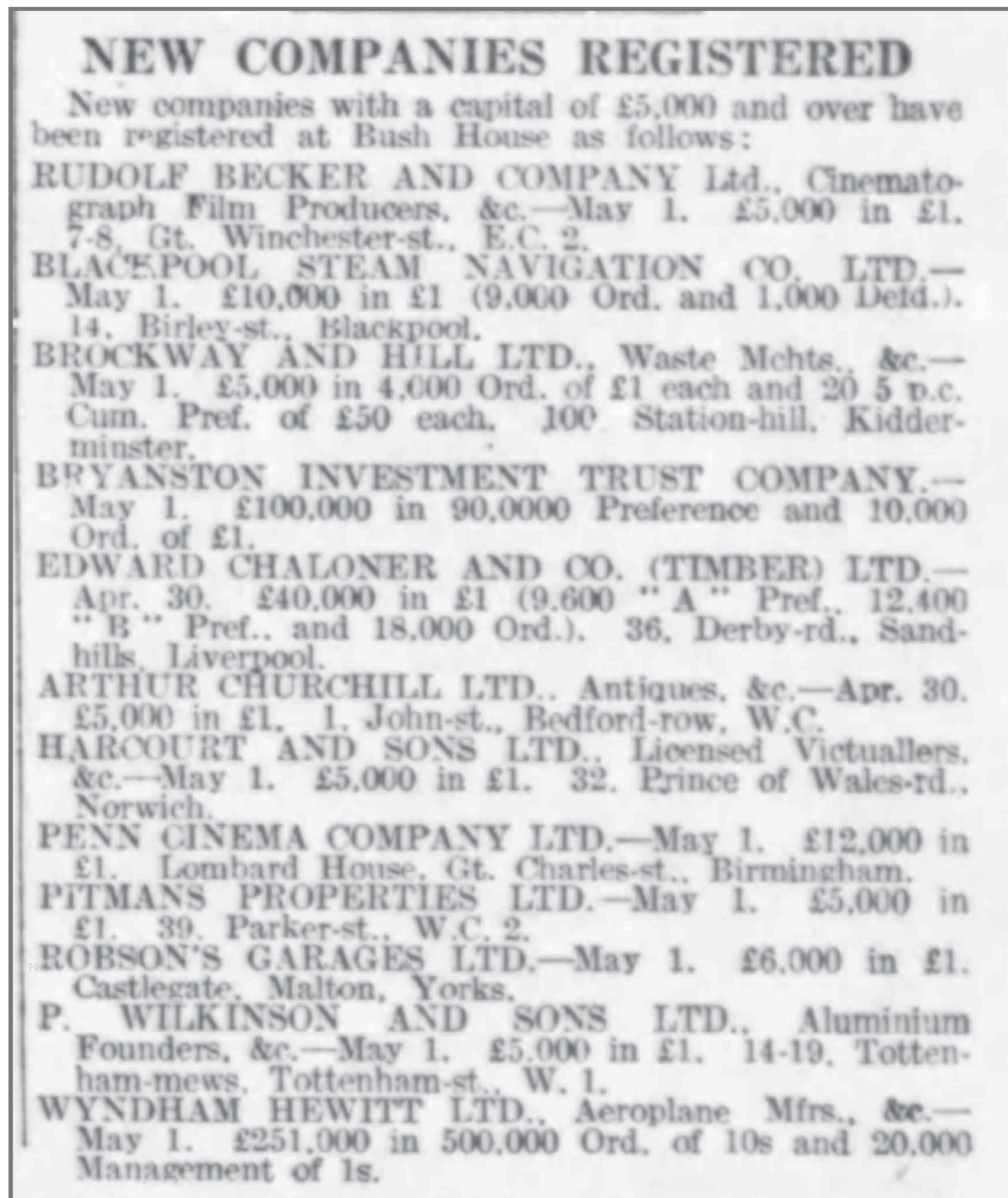
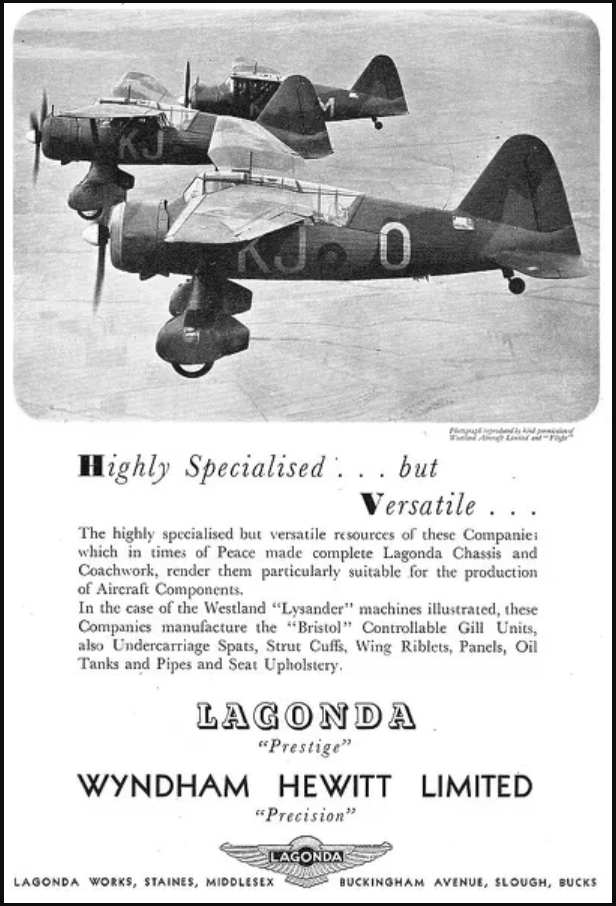
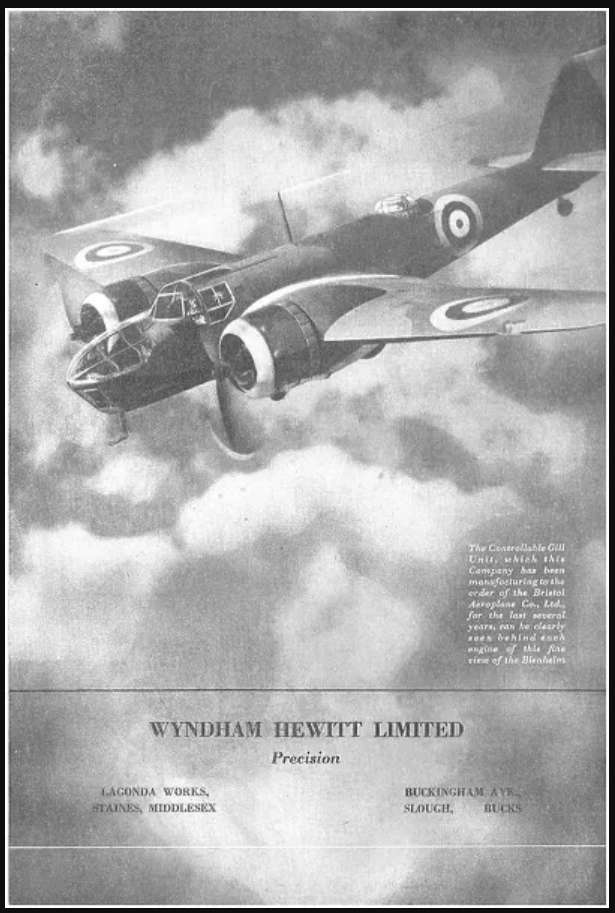
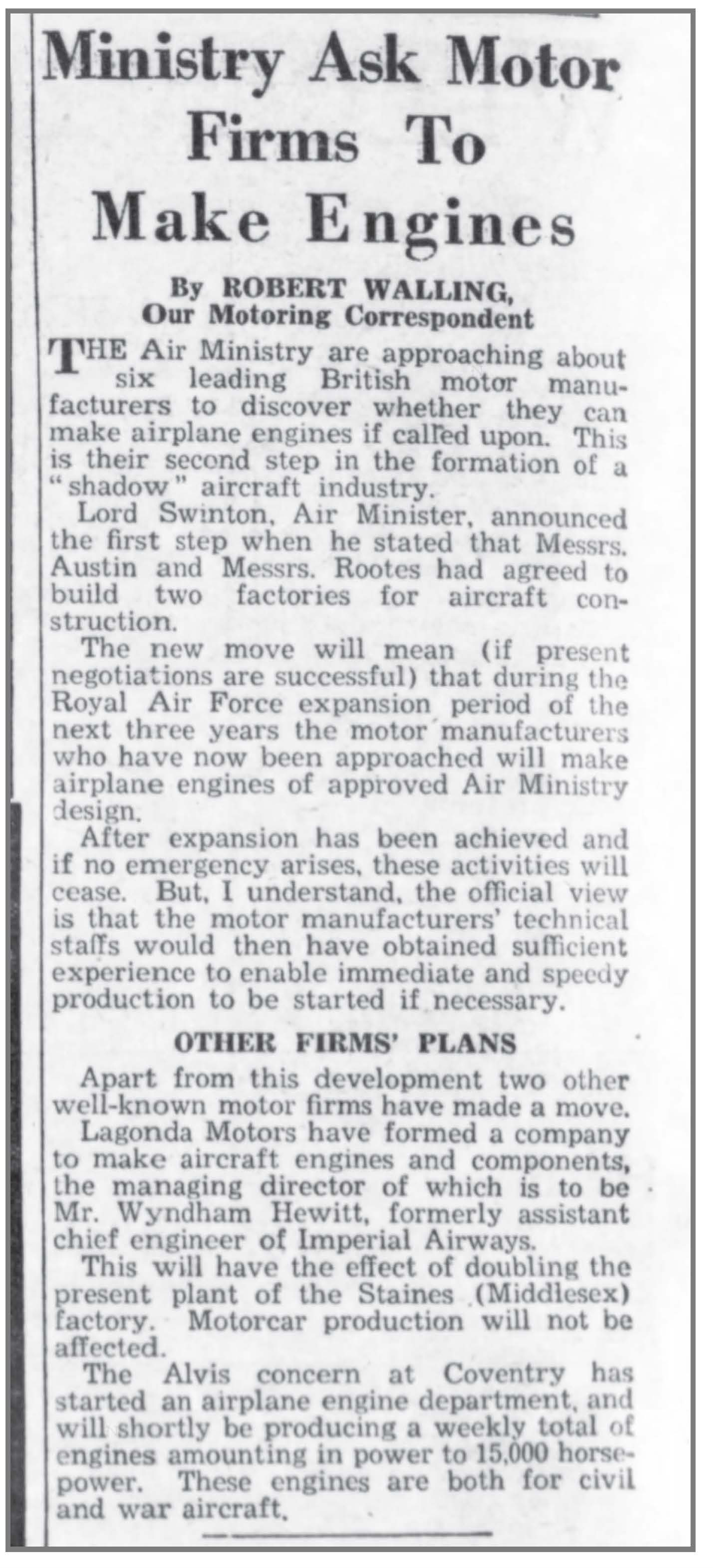
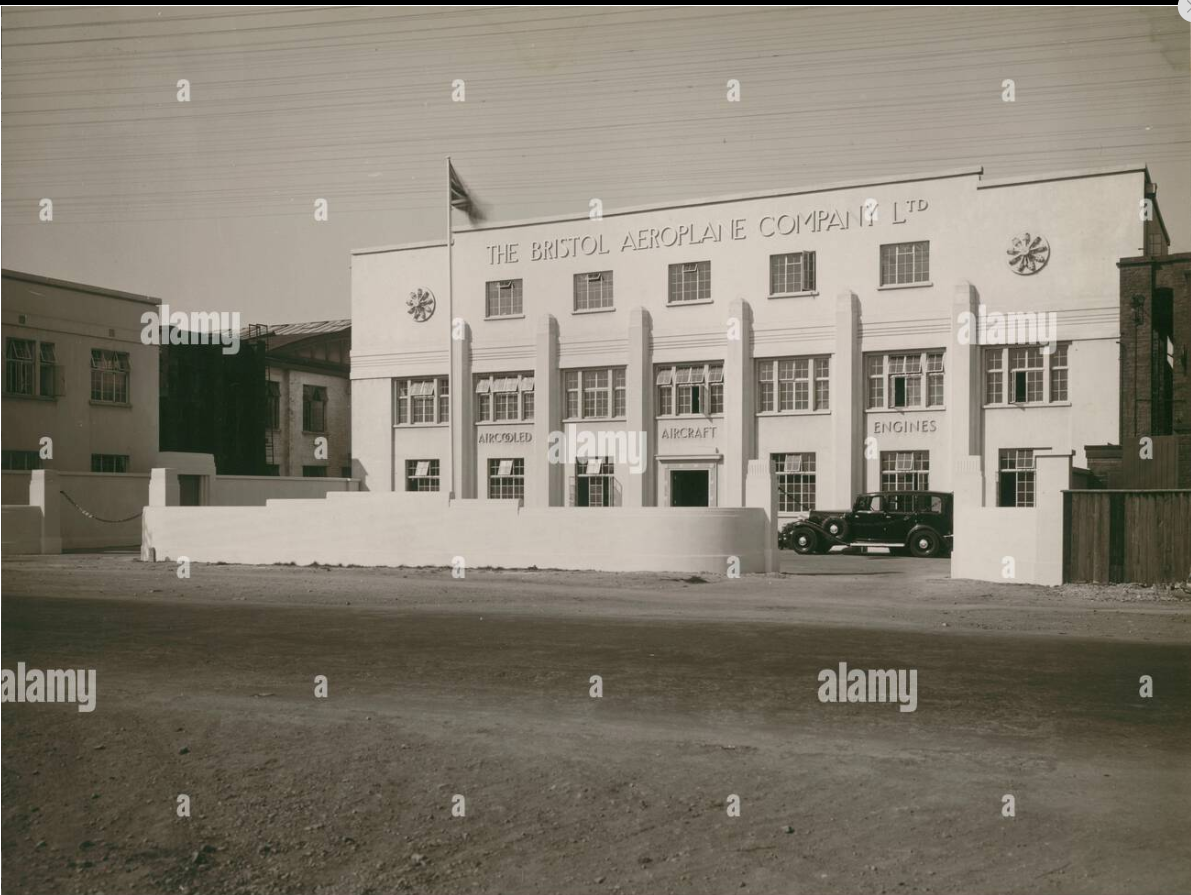
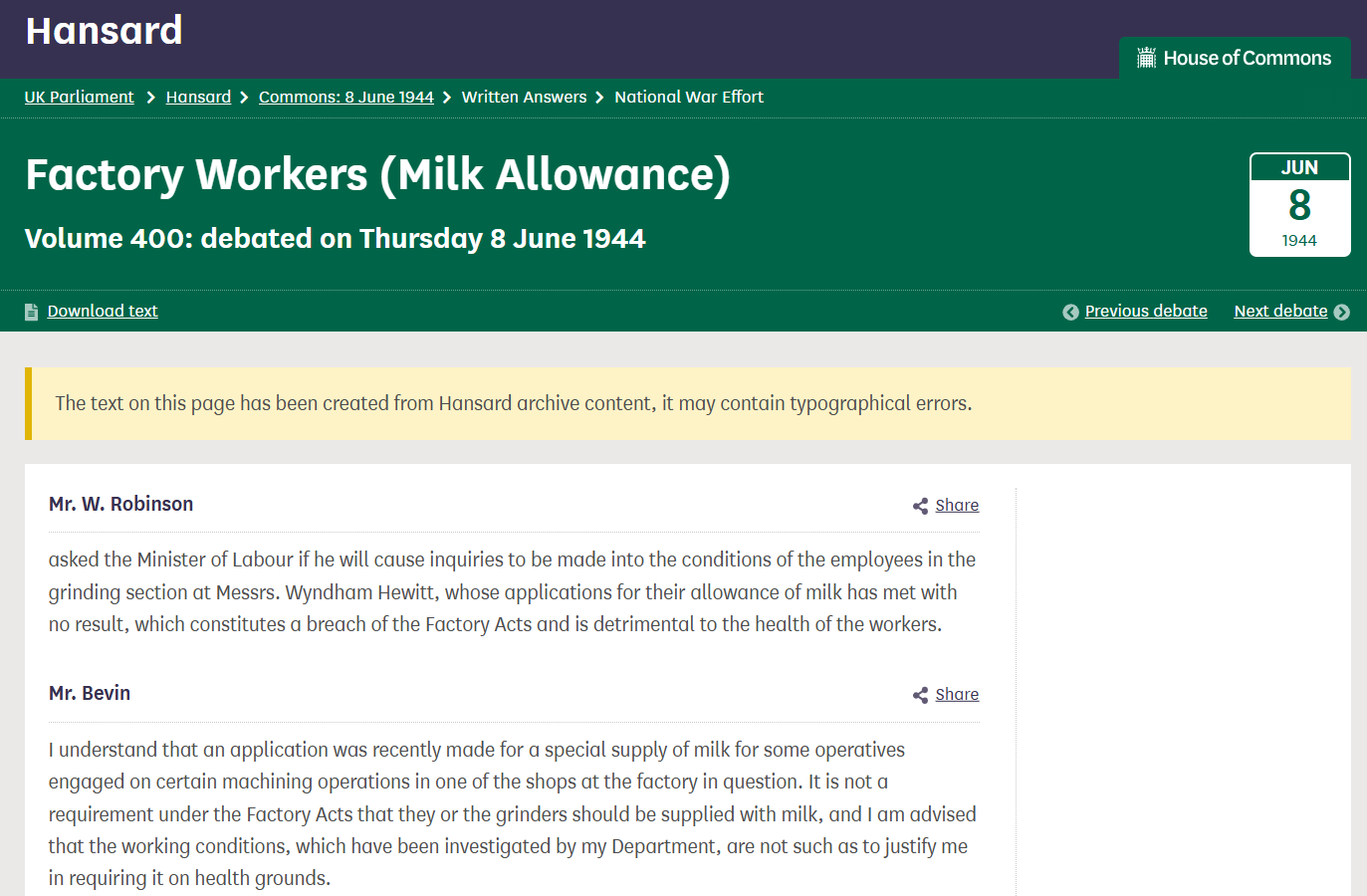
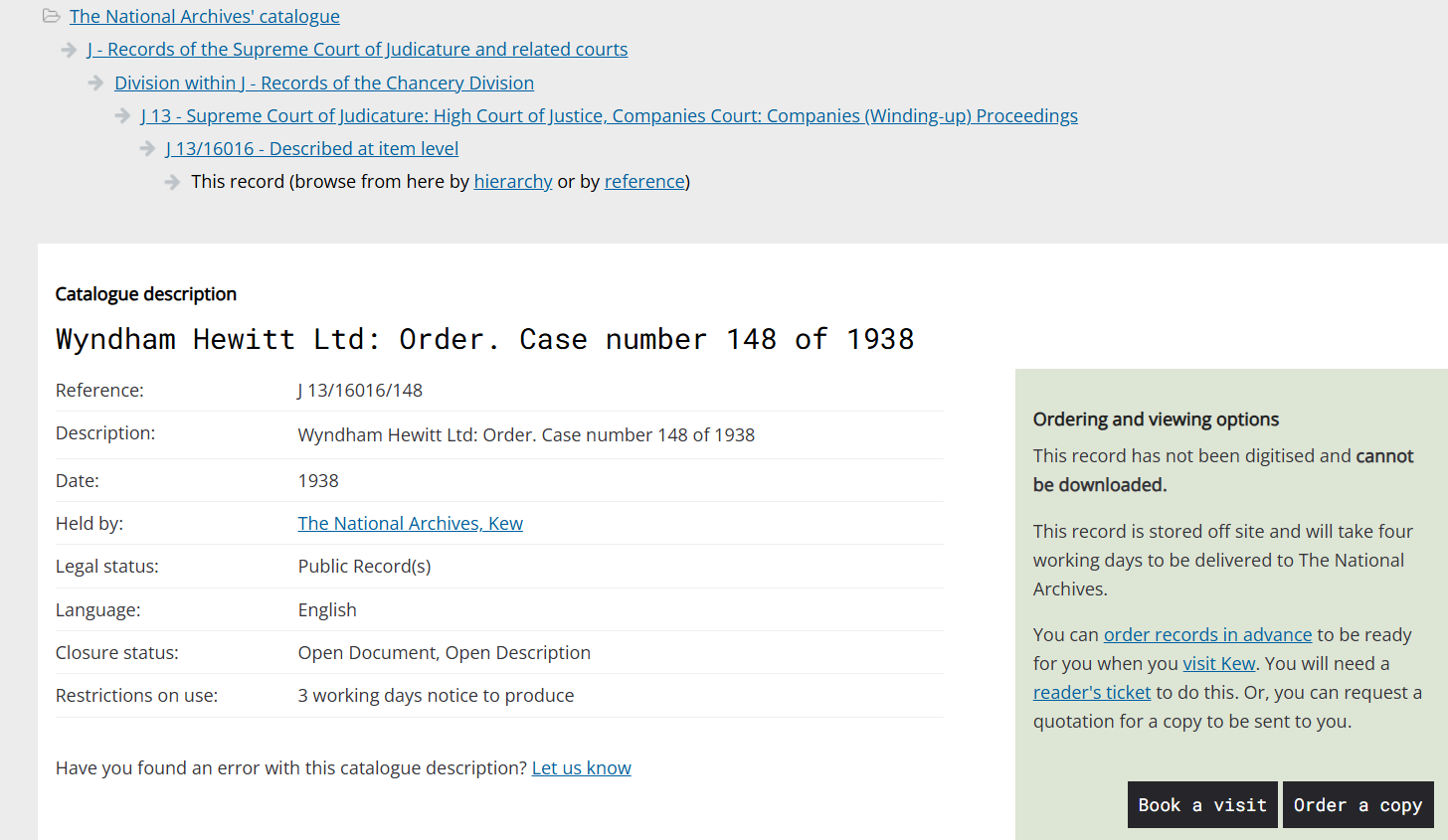
Having found the finance, Magnus and I incorporated Wyndham Hewitt Ltd on 1 May 1936, listed as Aeroplane Manufacturers with £251,000 in Ordinary shares of 10s and 20,000 management of 1s. To get going quickly we did a deal through Magnus which involved buying the machine shop of Lagonda in Staines with the contract to do all the machining for their cars. As there was space available and the plant was not being fully utilised, we calculated we could get further contracts from Bristol if we bought new plant and we landed the considerably large and profitable contract for making all the controllable gill rings for Bristol. For a time, things went well but one of the legacies of the Lagonda Works was Walter Owen (WO) Bentley and his Belgian colleague Charlier which resulted in continual friction, especially as I was always favouring Bristol work which was profitable against Lagonda work which wasn’t. In the end I agreed to leave Wyndham Hewitt Ltd, and in return for giving up my executive position and contract, I made a new one which covered my contracts with Bristol on which I was to receive a commission on the TURNOVER. The result was that instead of having to work hard for an annual salary of around £2,500, I earned between £9,000 and £12,000 in commission per year. This nearly ruined the company, but I refused to break my contract.
Wyn: "Having left Wyndham Hewitt Ltd (although I remained a Director) I set about getting Small Electric Motors out of trouble and into a viable position. Then having enough left to support my lifestyle, I felt a familiar restlessness to start something new so persuaded Hepplethwaite, the SEM machine shop foreman to join me in a new venture. I financed him to start a modest shop in southeast London delivering small Bristol contracts, again through the good offices of Norman Rowbotham.
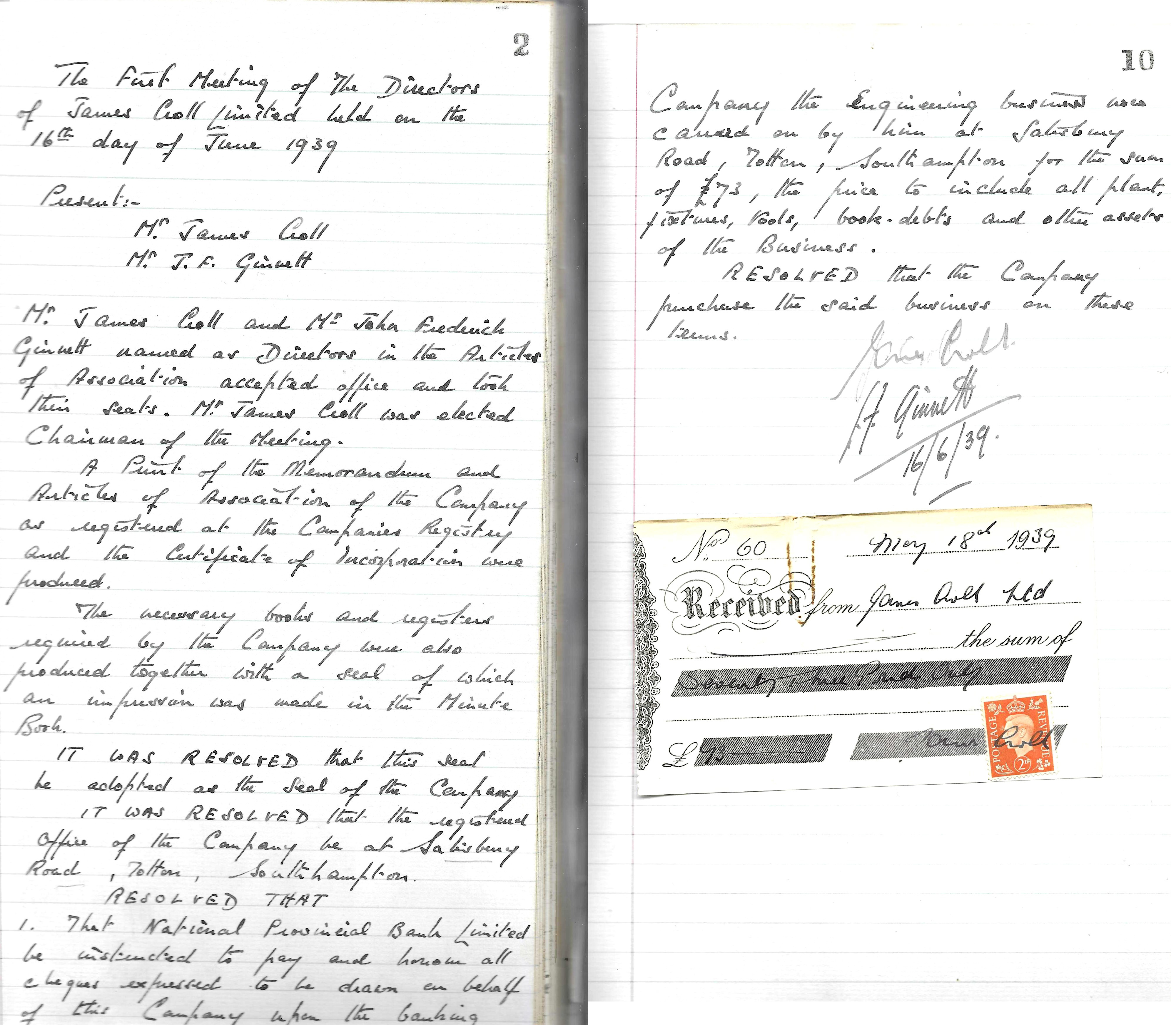
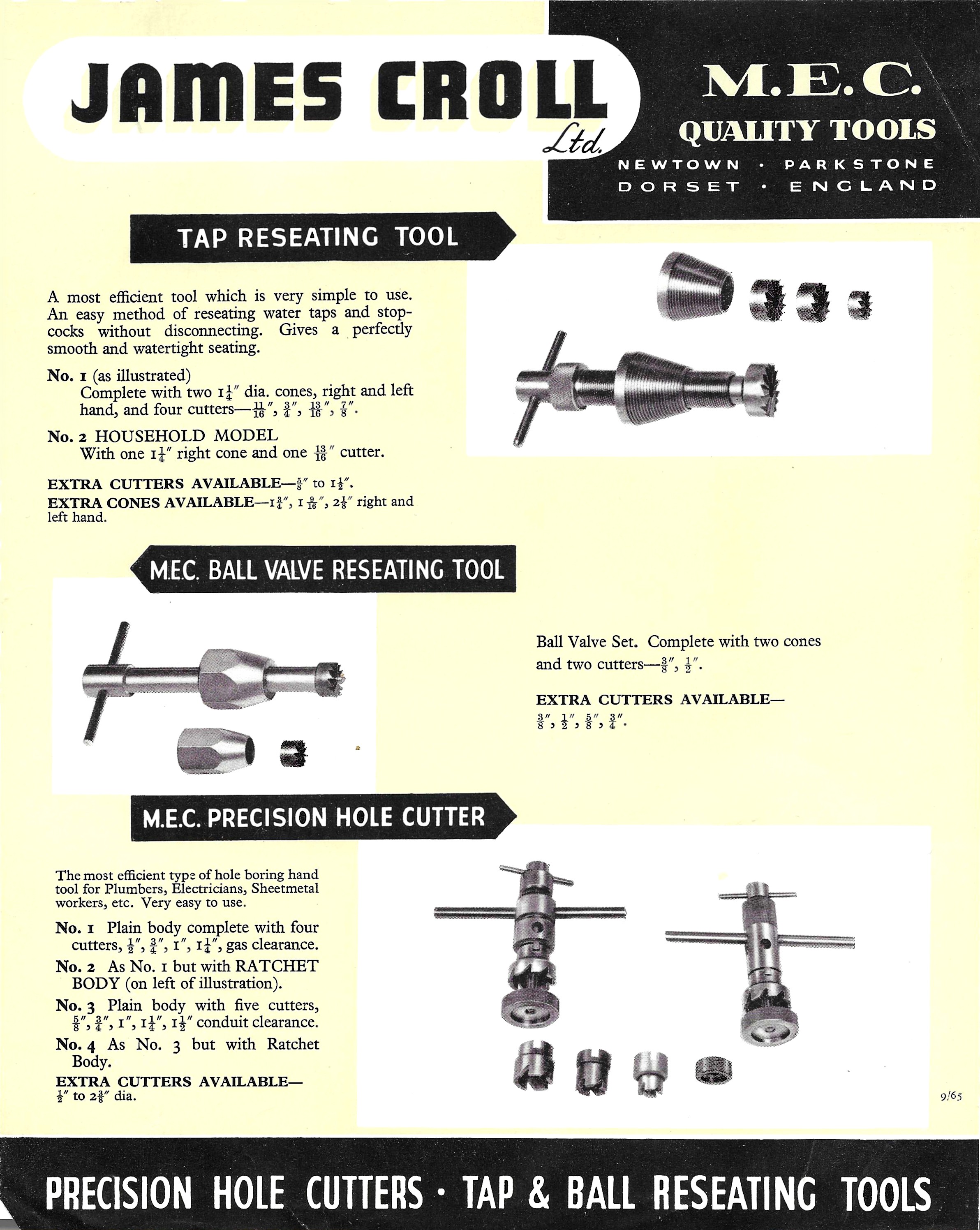
Hepplethwaite did quite well. We expanded and bought some Index Automatics and formed Hepplethwaite Automatics which I eventually sold to a Swiss engineer. About this time Jimmy Croll, a tin basher who had worked for me in Karachi when I was with IAL came to see me as he wanted to start up on his own. I financed him and we incorporated James Croll Ltd on 18 May 1939 at Totton on the outskirts of Southampton. In those days there was plenty of second-hand plant about which could be bought very cheaply; one could set up a decent shop for £2,000-3,000. I found contracts for him largely from Bristol and IAL and his output was of excellent quality. The only trouble was that he was yet another slave to the bottle and as he began to earn good money, he drank more and more. This was his downfall and eventually I had to buy him out after he resigned on 30 August 1940.
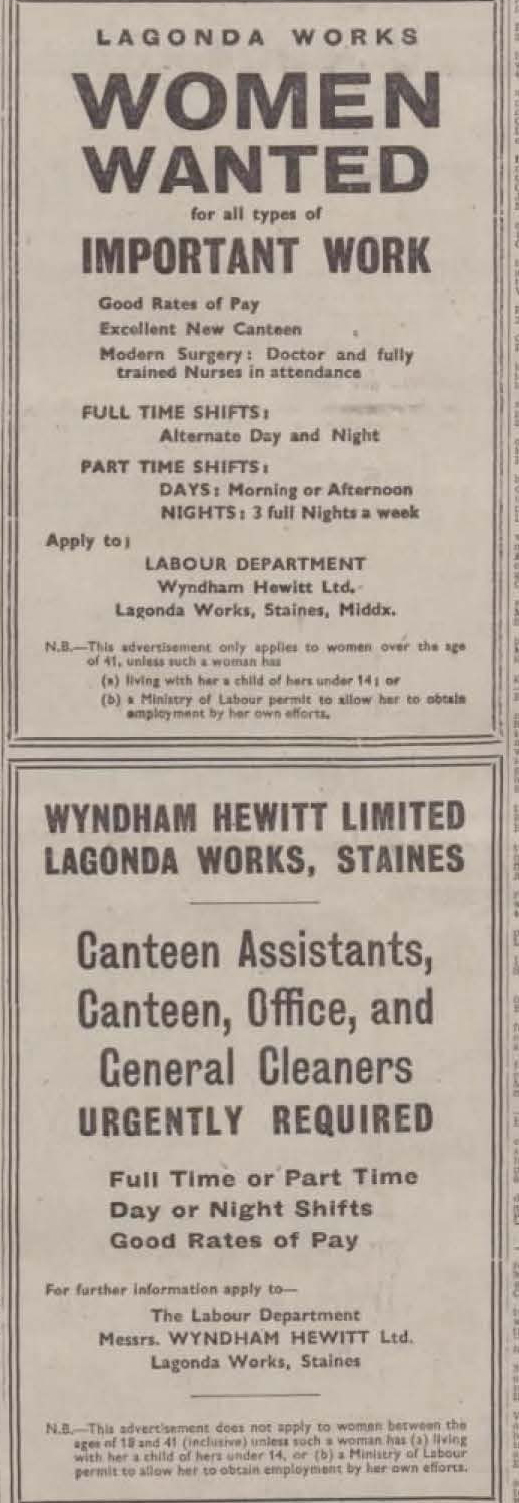
It was Rowbotham who introduced me to the Deputy Director of Aircraft Production who was a very nice bloke. I forget his name but anyway, he supported my efforts to get a small factory built and acquire the necessary machine tools etc. and Crolls was then properly up and running. We expanded in all directions with another factory in Lyndhurst, a small one in New Milton and later another one in Brighton (through a friend of Sybil’s) as well as one in North London. Girls were replacing the men who were leaving to join up, and we could train them up as a good operator in just a day. Ni always said the girls working the Herbert lathes were way better than the men once they got to grips with them.
Sybil asked me to give her husband Johnnie a job, and as he was off the drink at the time, I employed him at Crolls on the condition that he’d be fired if he ever drank on my watch. He moved up from Brighton to be nearer Crolls, renting a beautiful cottage called Wellow Wood Thatch, then as things progressed and went well, he took a house called Fairfield in Calmore which was much nearer the Totton Works. He was a competent secretary and did all the books very well, and he was amusing to have around. He stuck it out for about a year without touching a drop and then one Saturday night he hooked up with a floozy in Southampton’s notorious Polygon Hotel and fell off the wagon as hard as could be. Together they went on a monumental bender. As Fairfield was nearby, it was to there that they retired to bed for six weeks during which time they consumed over 200 bottles of gin, rum etc. helped admittedly by Johnnie’s manservant. I of course sacked him right away.
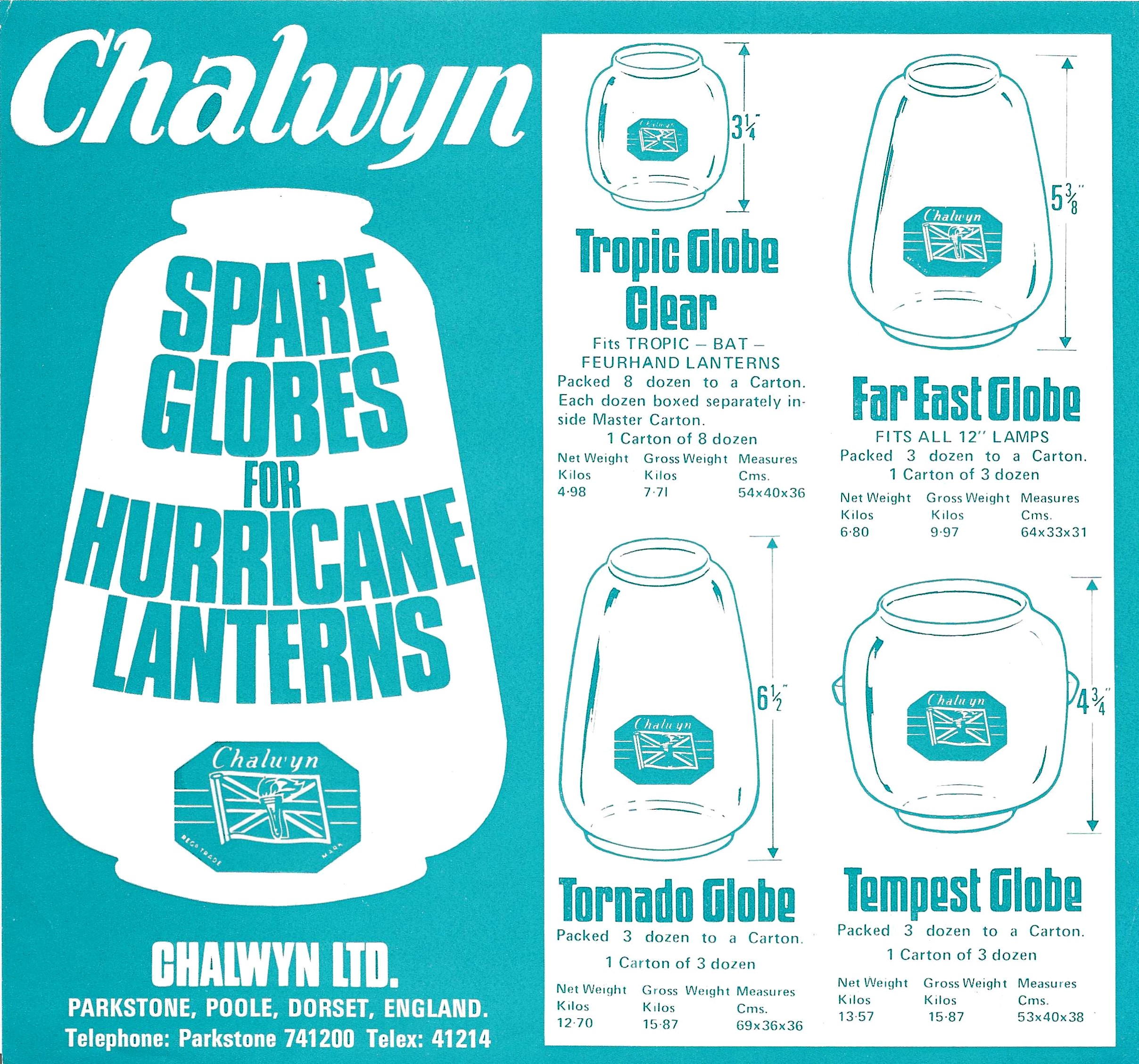
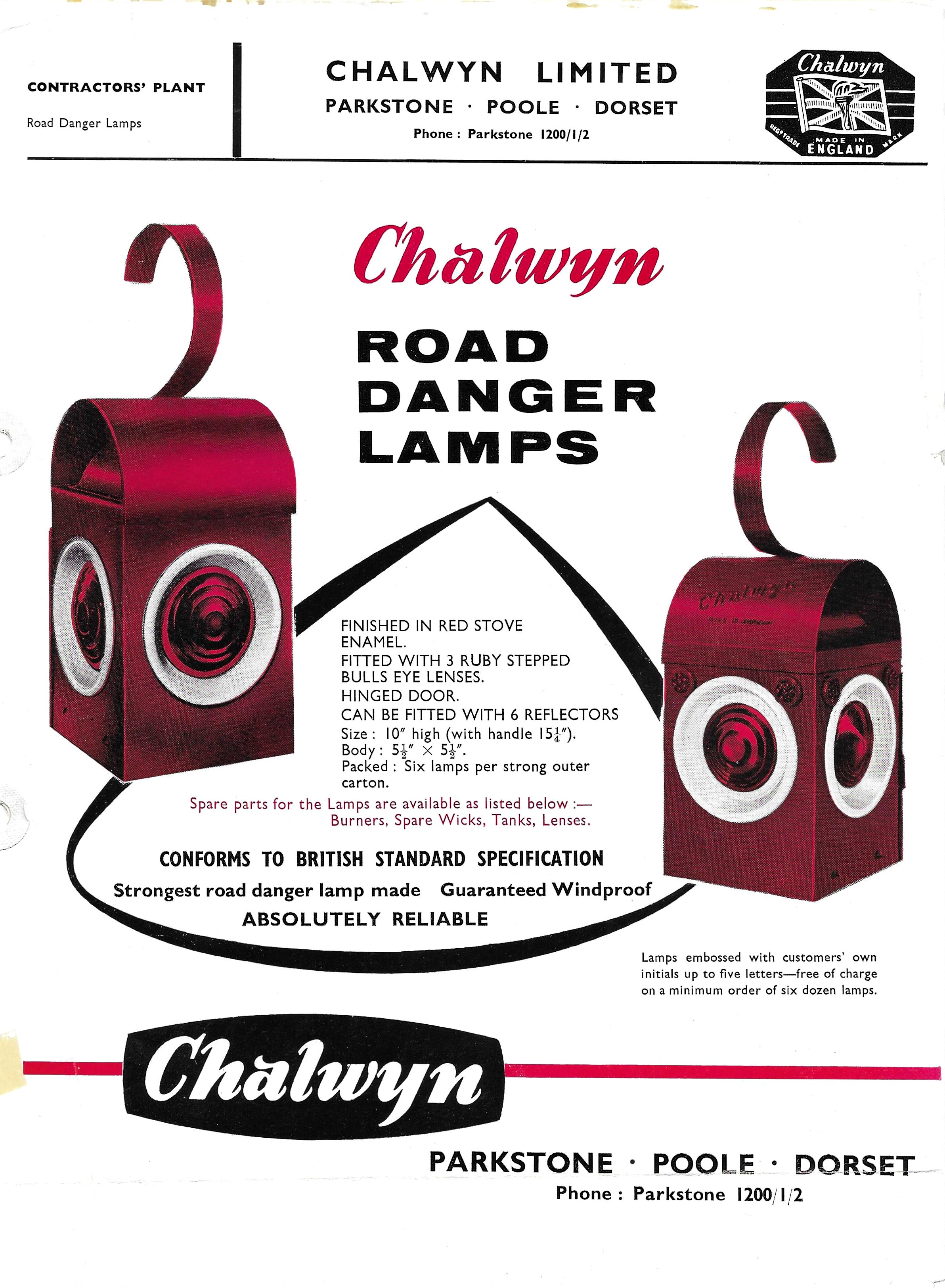
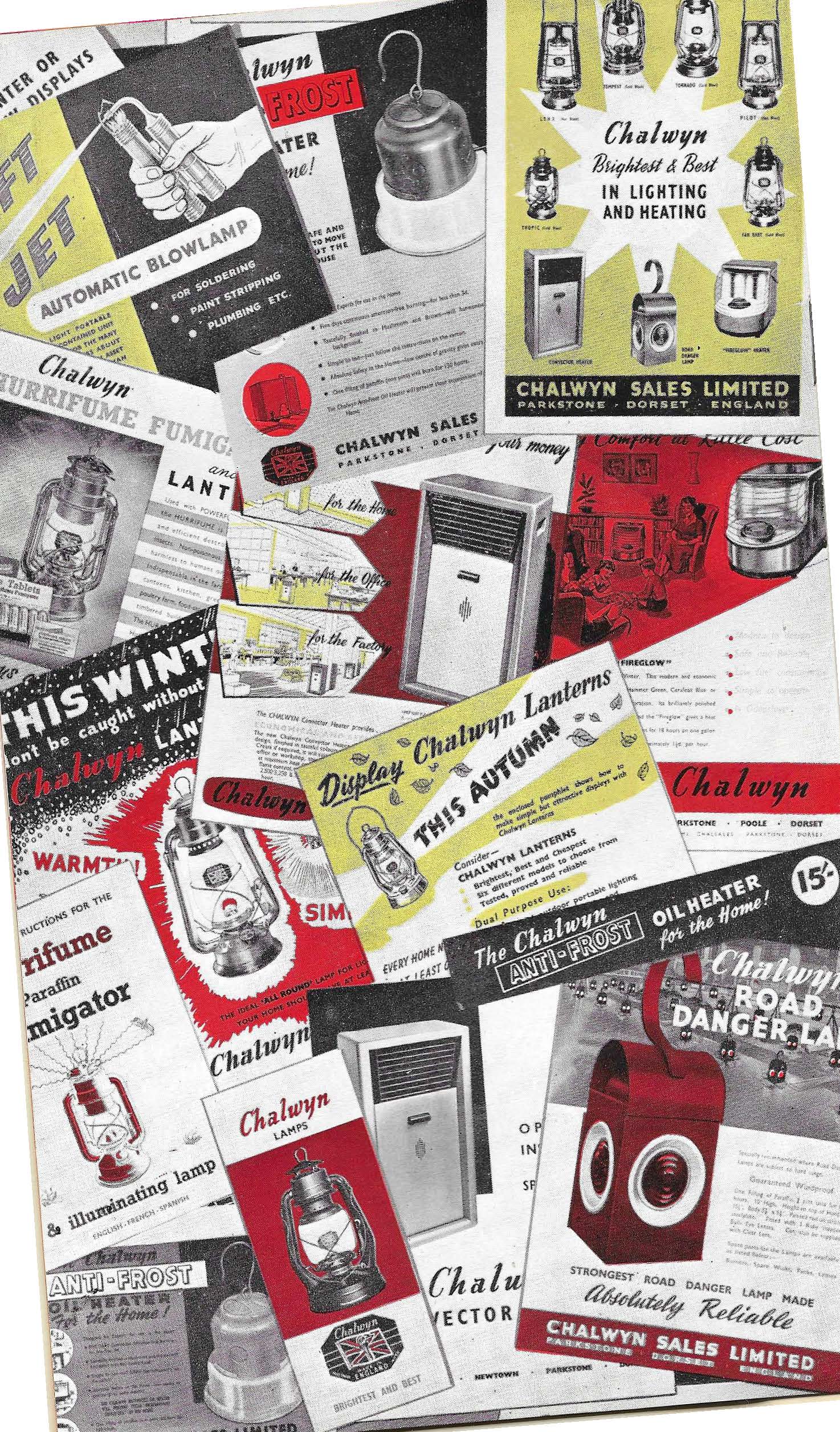
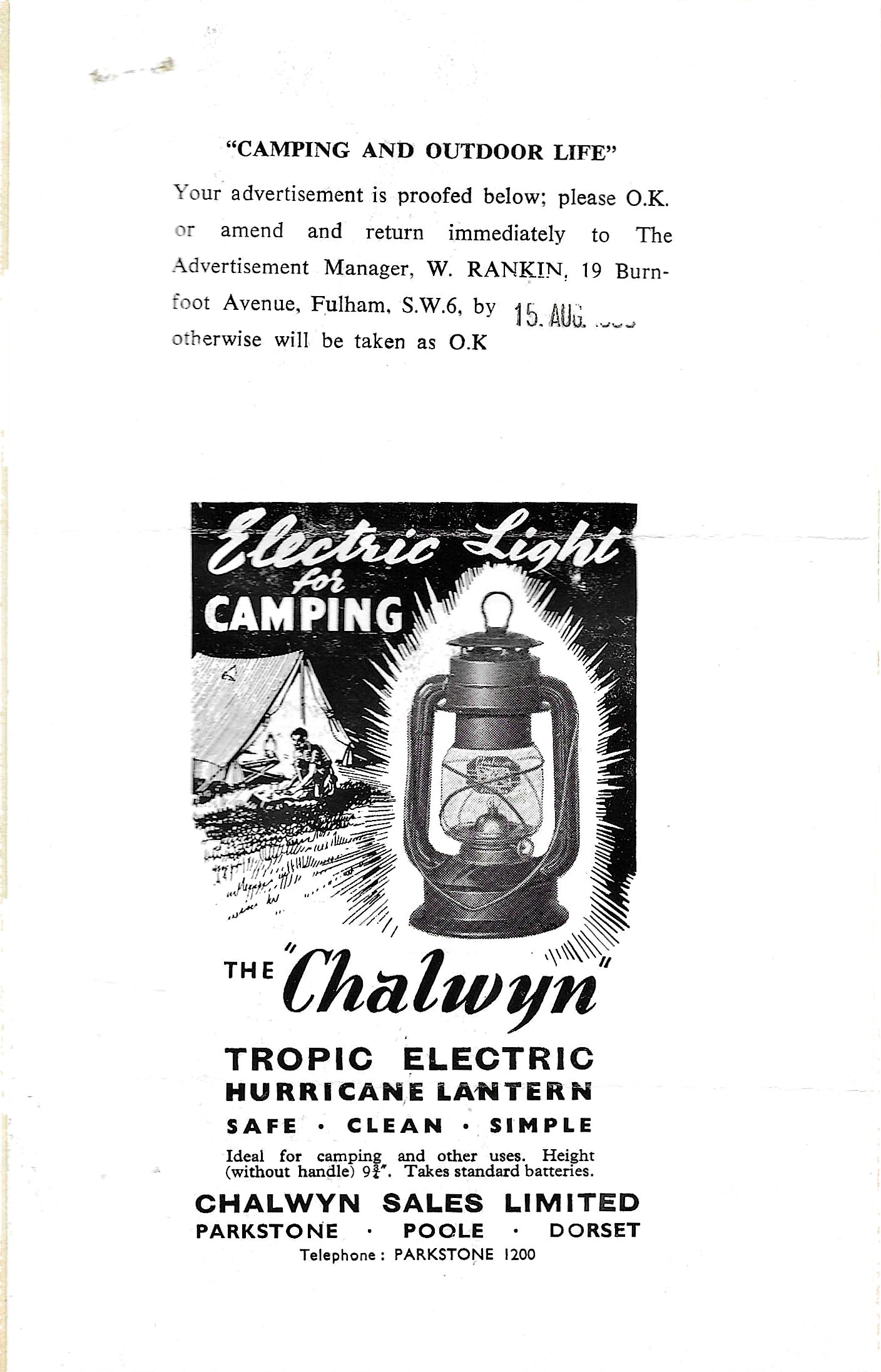
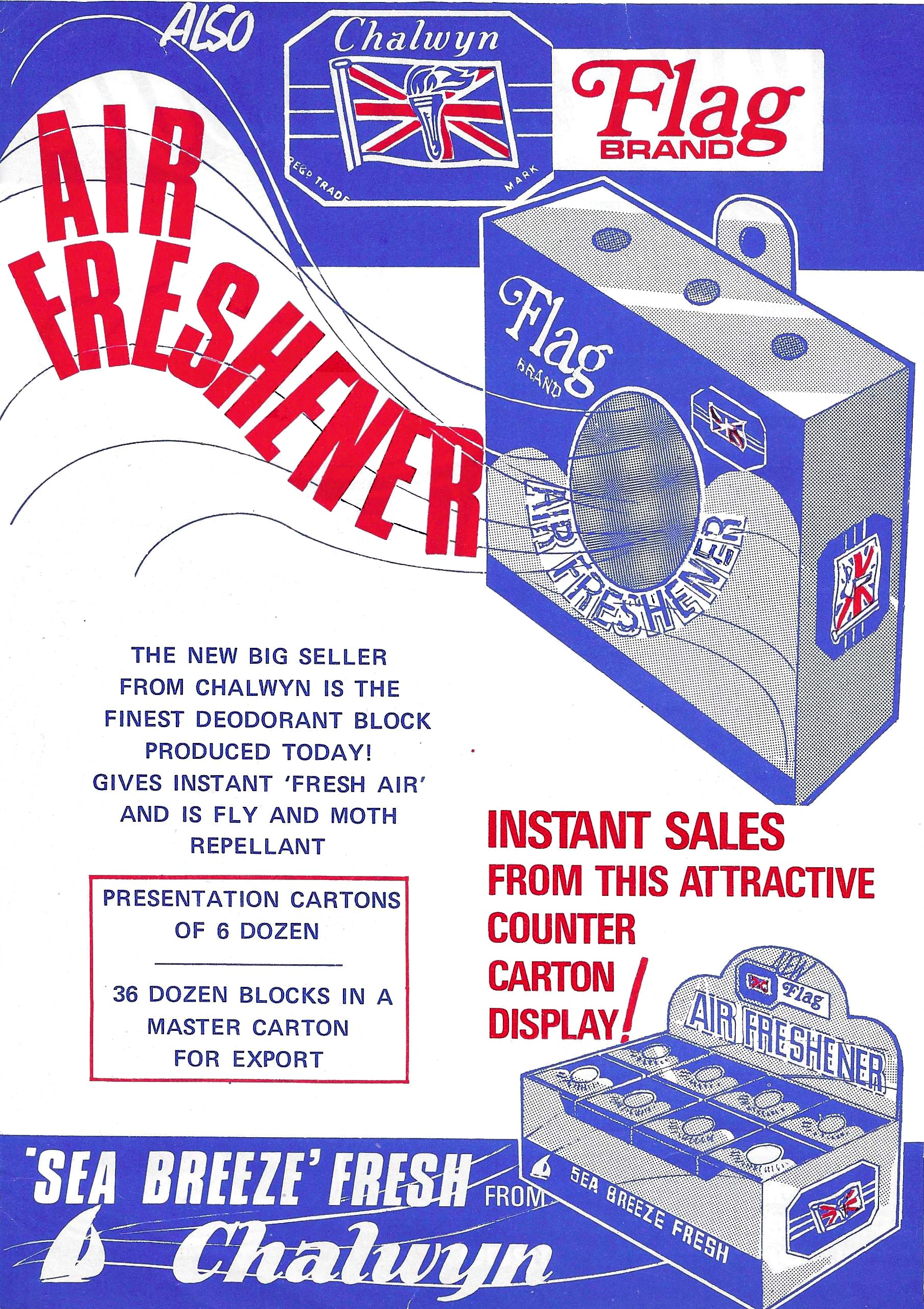
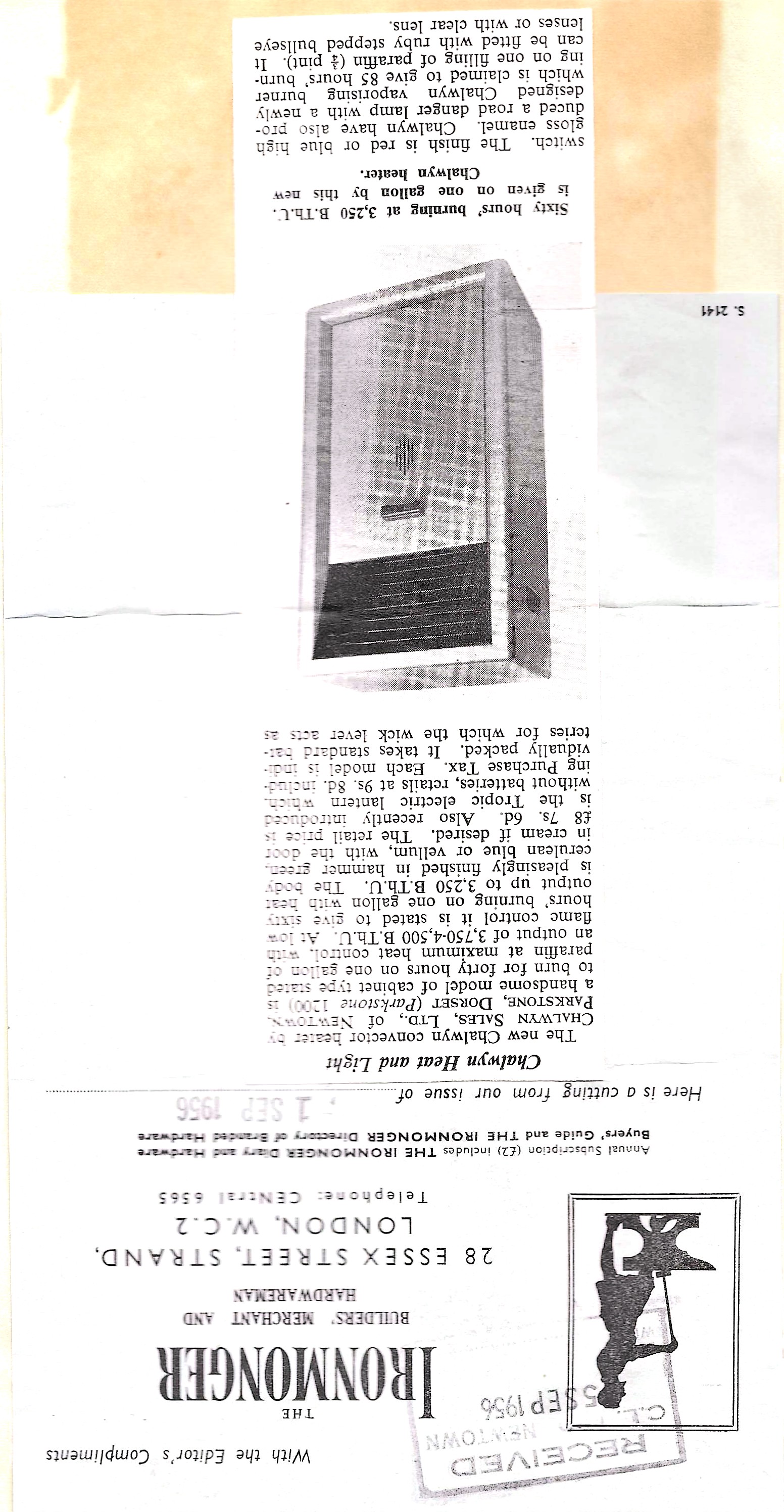
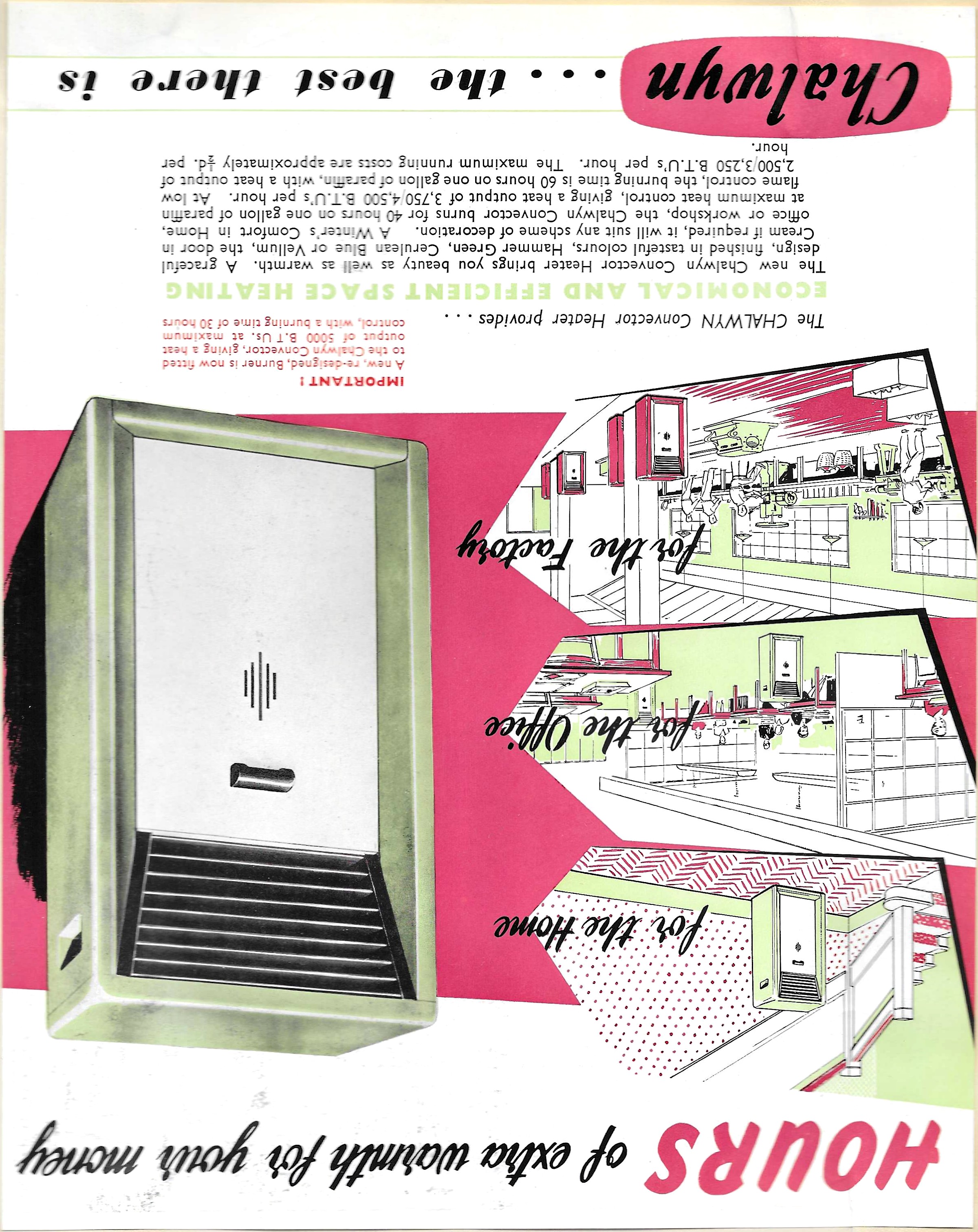
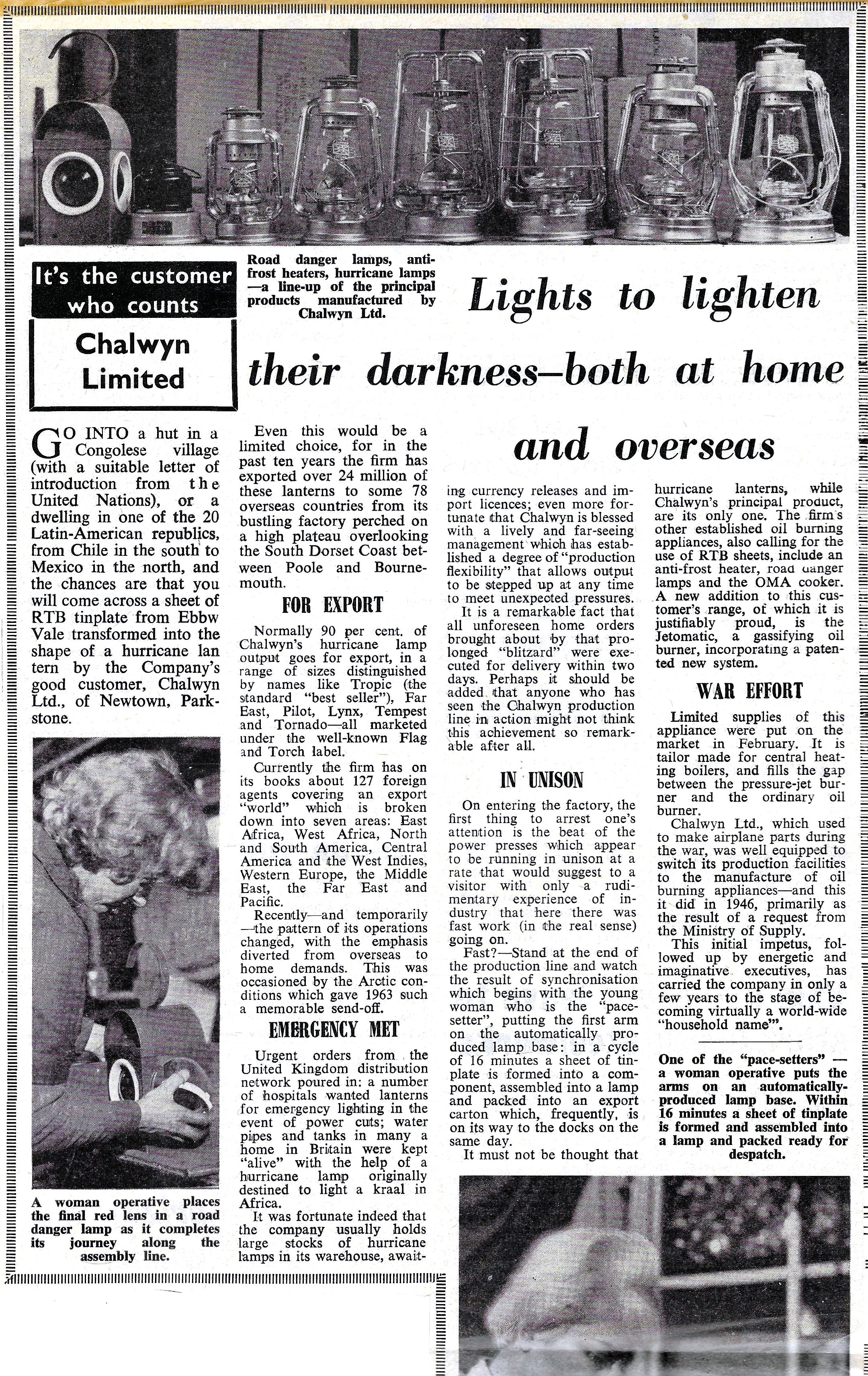
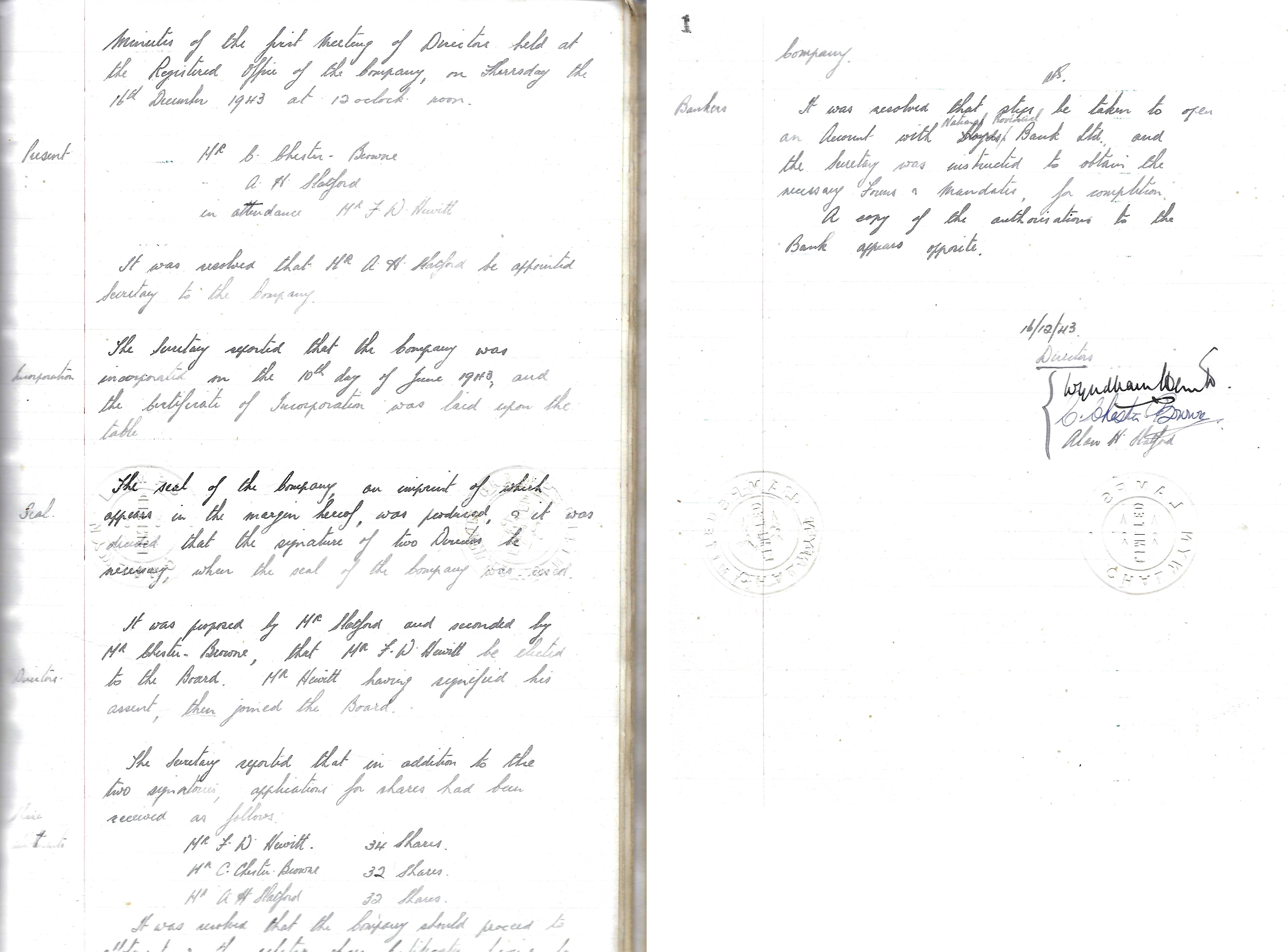
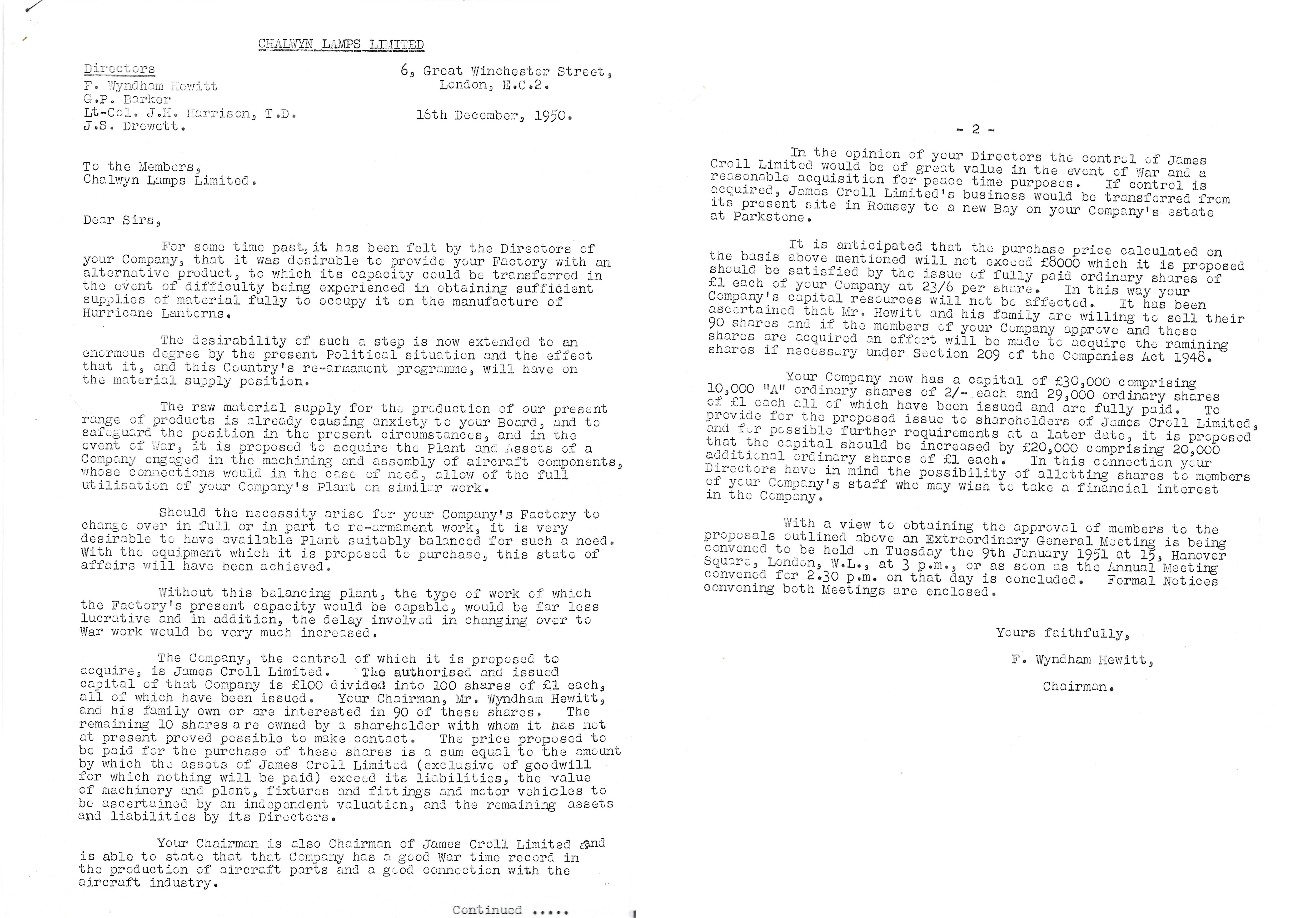
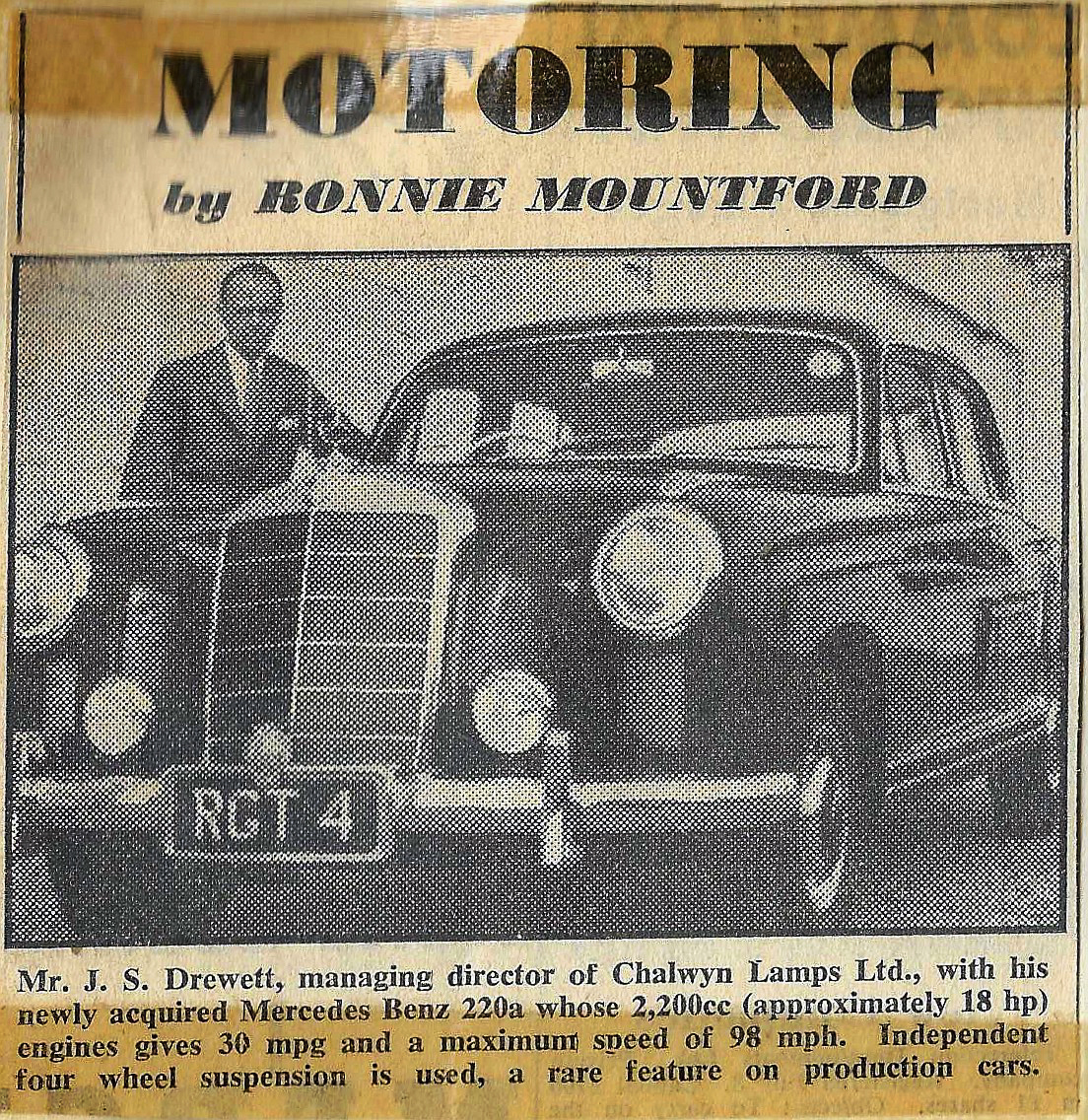
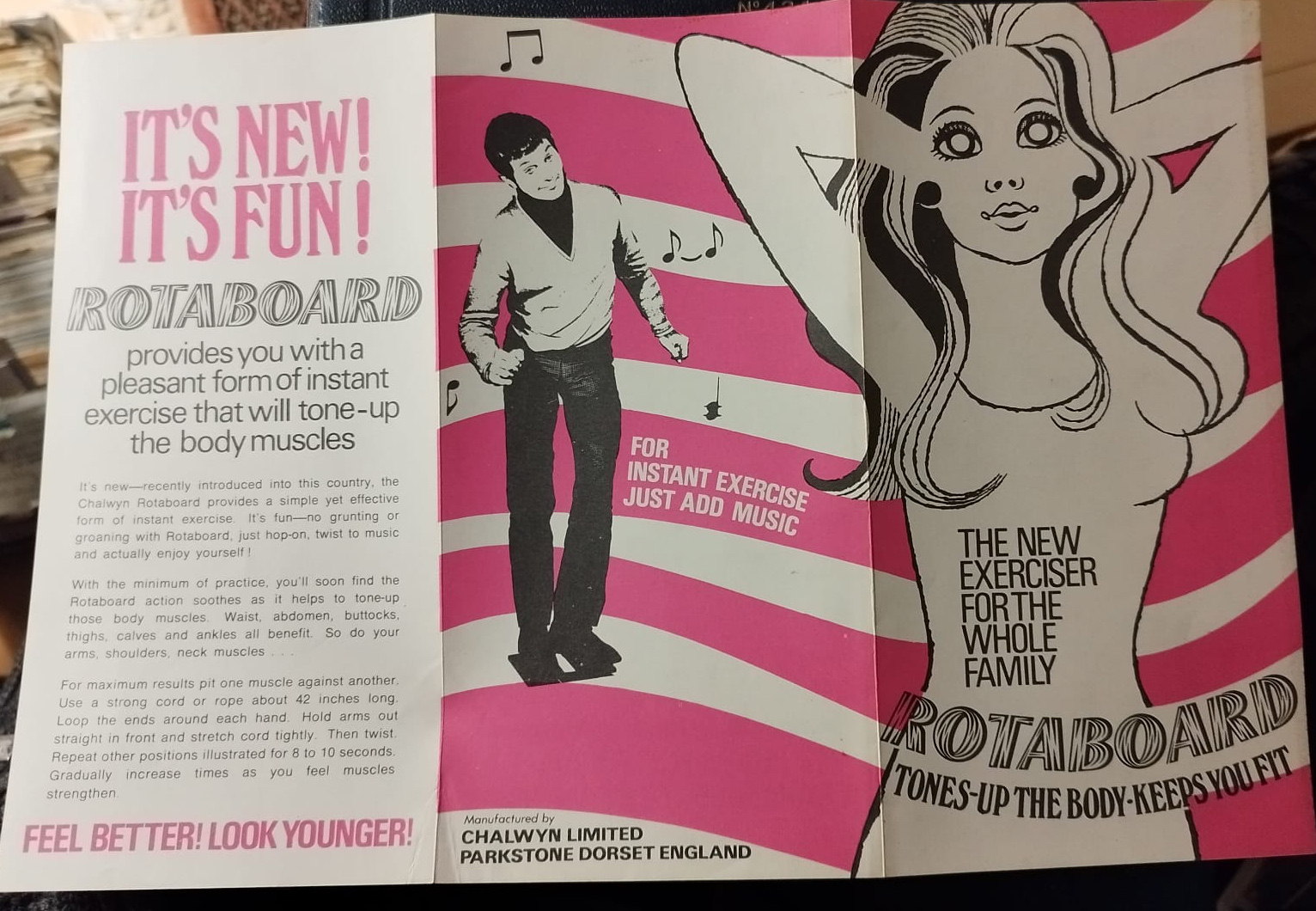
I replaced Johnnie with a good bloke called Alan Slatford, and together with my new Works Manager Chester Browne, we formed a very efficient team. In fact, it was by combining letters from our three names that I came up with CHALWYN as the name of what became my main business venture, and the one I would pass on to Nigel and Freddy.
Crolls
It was at Crolls that Nigel first joined Wyn at 17 as an apprentice, working all day in the machine shop and studying at a Technical College at night. He had already proven his aptitude for this type of skilled work at his first job, sharpening drills at Lagonda. He turned out to have a good deal of natural talent and Lagonda had promoted him to tool maker, a highly valued position.
In 1938, Nigel had joined the TA attached to the Yorkshires and said later he only did this to have the occasional break from the grind of the tool shop. This meant he was sent up to Catterick when war broke out, but as he was only 17, he was left to peel potatoes in camp while his regiment went to France. The boredom was stultifying, and he was very lonely, still feeling the loss of his Dad. Everything improved once his CO found out he was a tool maker; a job designated as a ‘reserved occupation’ because they were desperately needed on the home front. He was immediately demobbed and returned south to carry on his apprenticeship with Wyn: "He worked incredibly hard and was very quick on the uptake, so I appointed him as a Director and gave him some shares on 10 December 1940. I already had in mind to bring him along as my eventual successor if he could stick it."
Chalwyn gets going
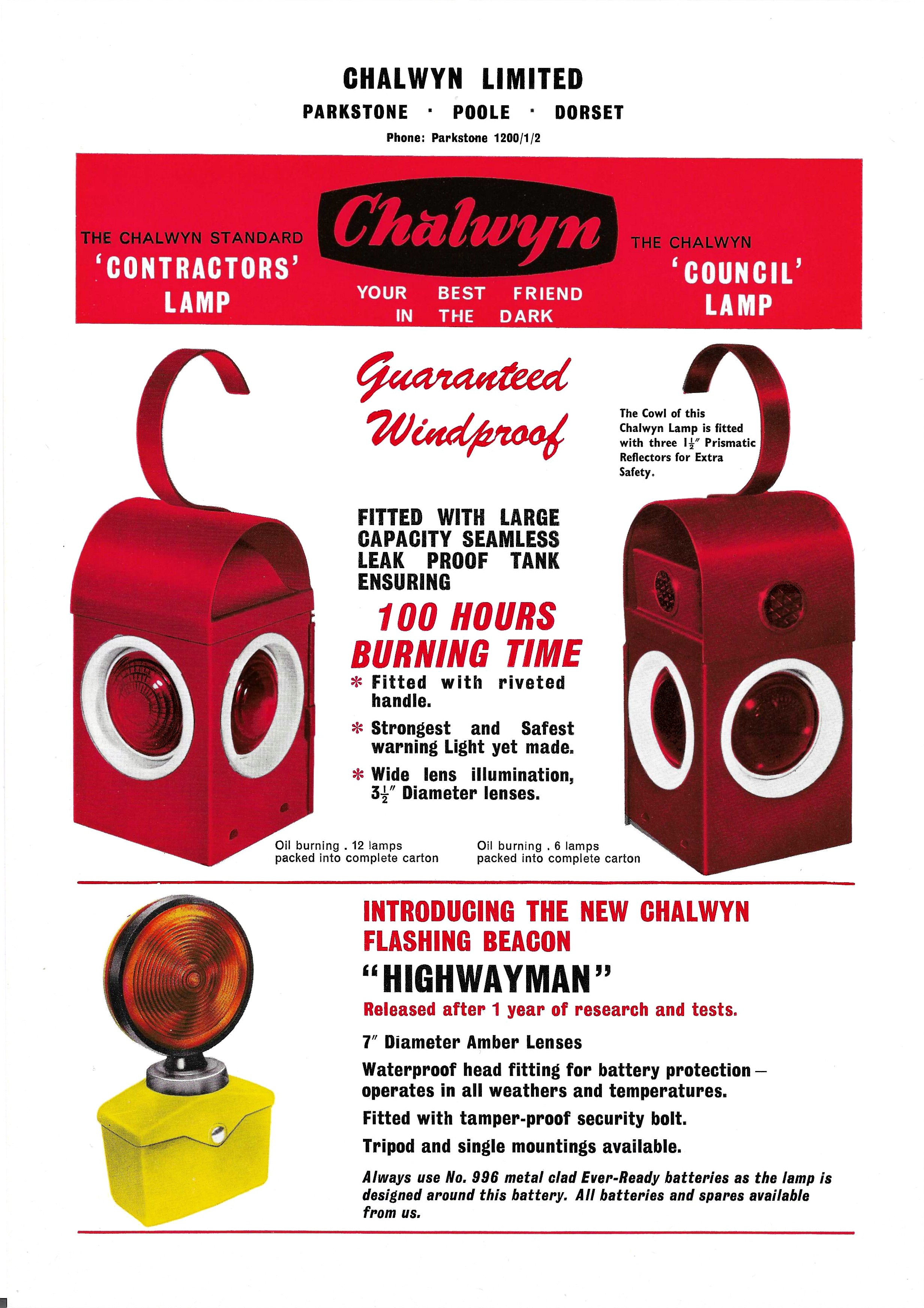
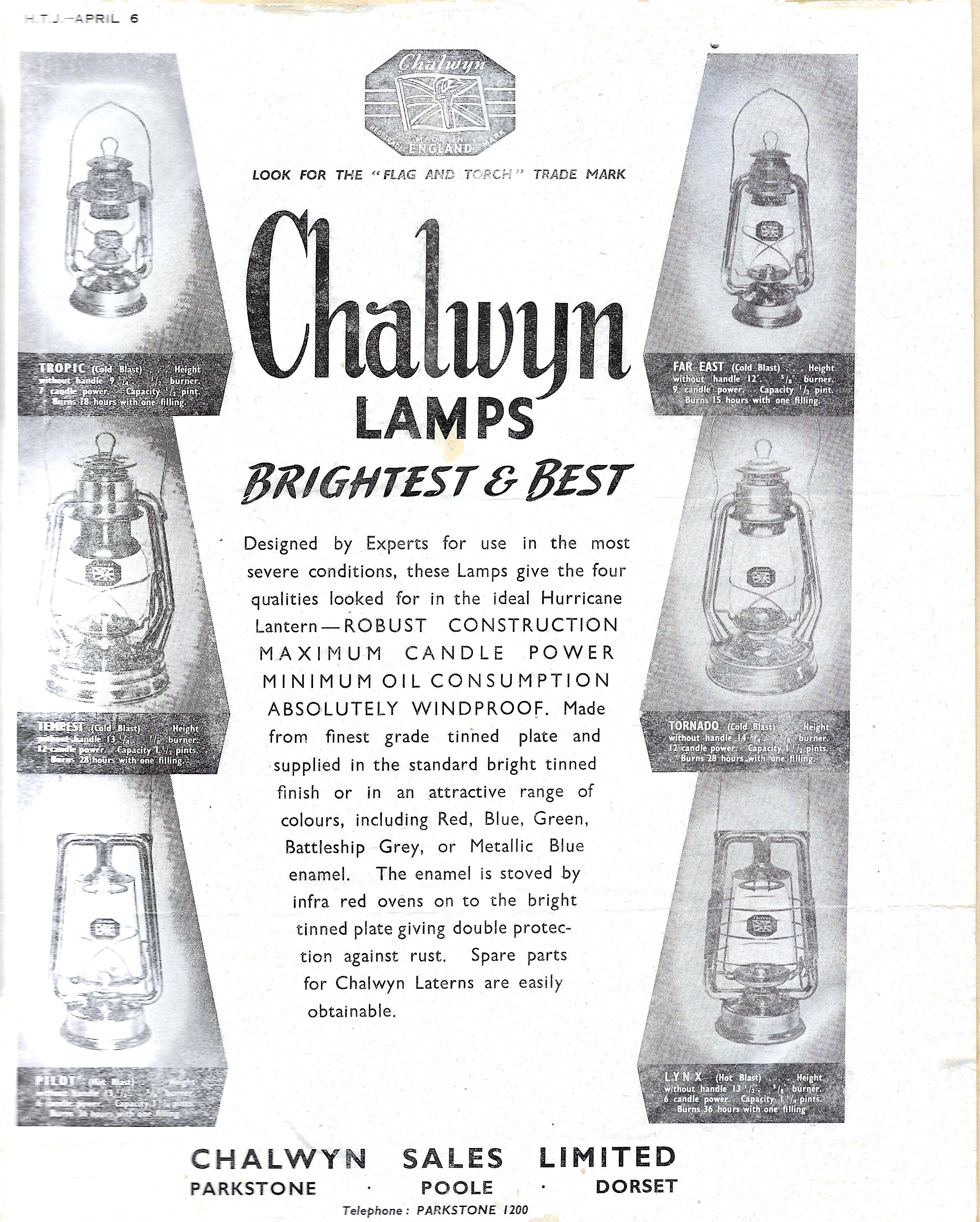
Wyn: "With the end of the war approaching, Al, Chester and I started looking for something to do when the aircraft contracts inevitably fell away. I heard through a contact in London that the MOD had put a very lucrative contract out to tender for the manufacture of hurricane lamps. We decided to have a shot at it but some samples were required. We had, I think, a couple of 10 or 20-ton presses but that was all, so we improvised and made wooden tools to draw the bases. With four people on a large fly press we managed to make the tanks, and lo and behold, it all worked. We won the contract, rashly promising a 13-week delivery on the first order. This we managed to do but how we did, Lord knows! Chalwyn was up and running."
bottom of page