Australia
.png)
.png)






.jpg)






Stories and memories
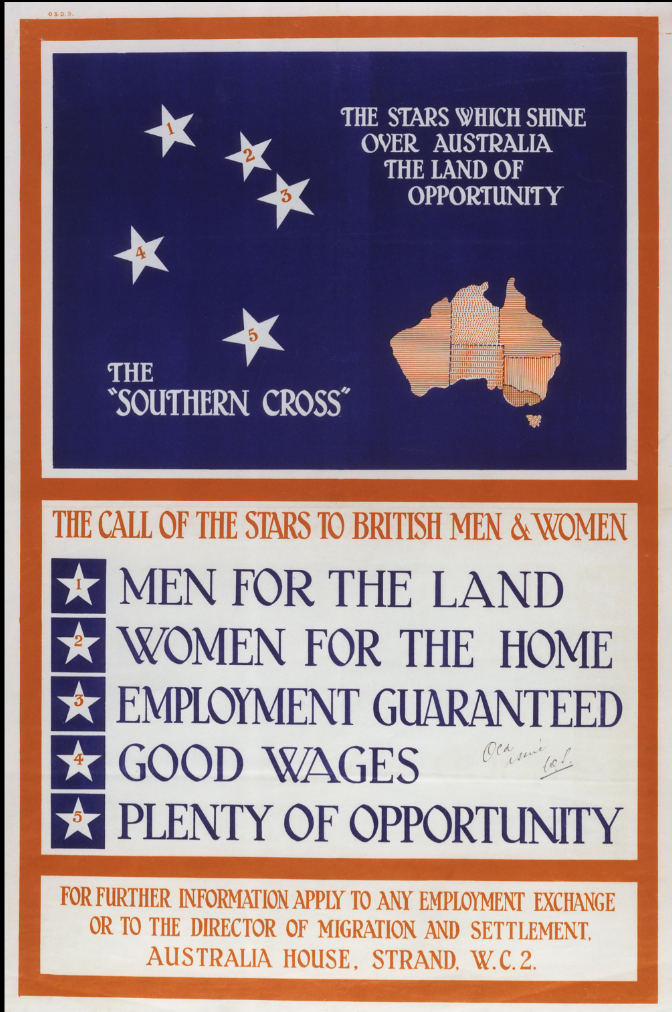
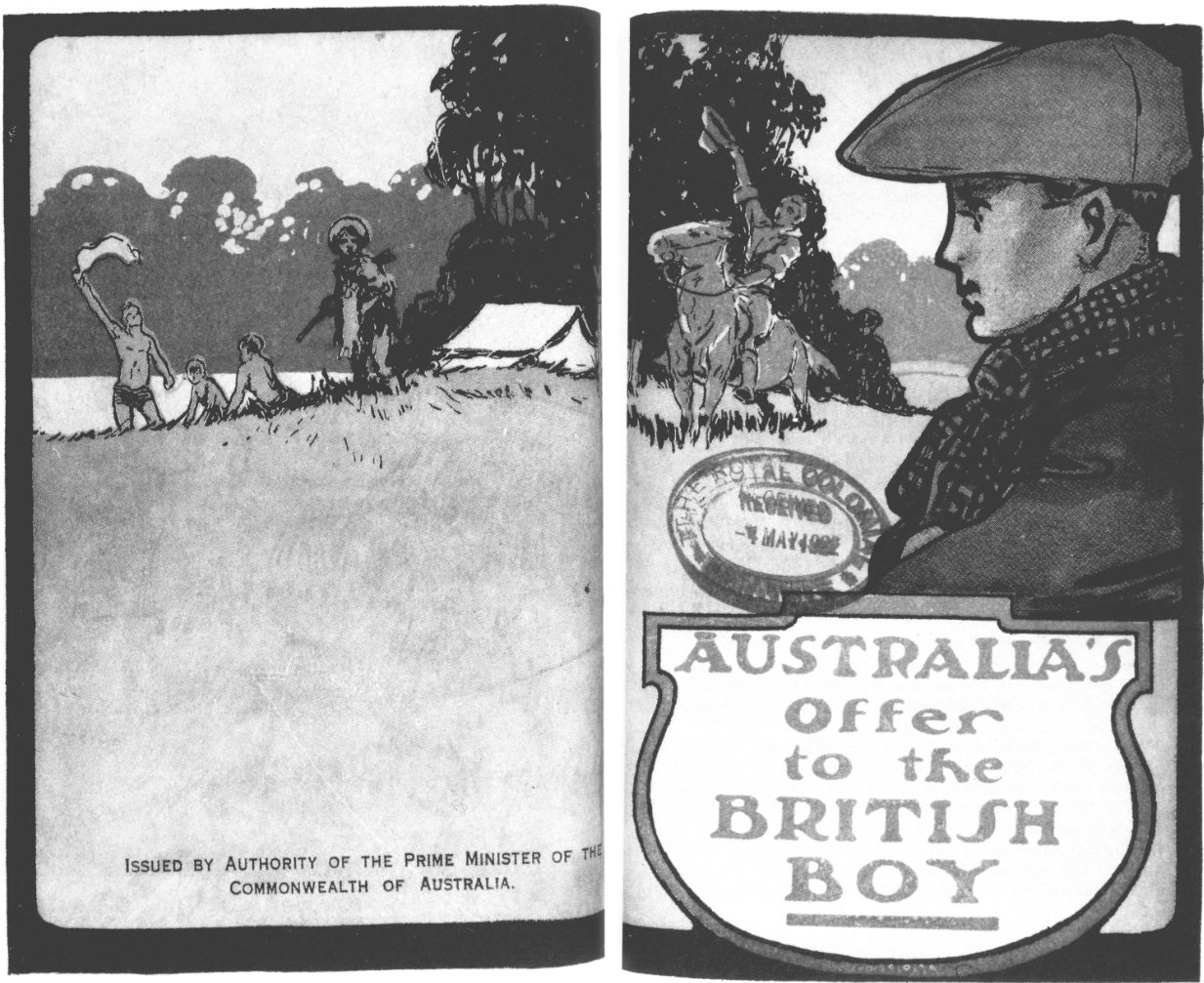
The land of opportunity - for whites
On 1 January 1901, six colonies – New South Wales, Victoria, South Australia, Tasmania, Queensland and Western Australia – became part of the Federation of the Commonwealth of Australia. The fledgling commonwealth country needed a larger, youthful population to bulk up and protect the country in the event of another war but it was on a strictly 'whites only' basis supported by some distinctly discriminatory measures including a dictation test of 50 words not necessarily in English or their native language. Officials could apply the test in any language they fancied, which effectively gave them carte blanche to exclude anyone they didn’t like the look of. If by some chance an undesirable passed the test, they were asked to retake it in different languages until they failed. As the Australian House of Representatives stated in 1905, ‘the object of applying the language test is not to allow persons to enter the Commonwealth but to keep them out’.
The tool was highly effective in most cases, although a Jewish Czechoslovakian called Egon Kisch thwarted their every effort in 1934. The conservative Government at the time was concerned Kisch was a communist and so stopped him from getting off his incoming ship in Fremantle. Kisch carried on to Melbourne where the authorities tried to arrest him on board, but he jumped over the rail onto Station Pier to escape, breaking his leg as he landed. He was scooped up and sent on to Sydney to recover where he was given the dictation test. Then again. And again. And yet again. Kisch spoke English as well as several European languages, and passed each test easily. However even he refused point blank when he was asked to write the Lord’s Prayer in Scottish Gaelic! The matter went to the High Court, where the Attorney-General, Robert Menzies was quite rightly humiliated as the court ruled the test had been invalid on the basis that Scottish Gaelic was too obscure. A triumphant Kisch went on to address huge crowds throughout Australia about the Government’s iniquity.
Life out back
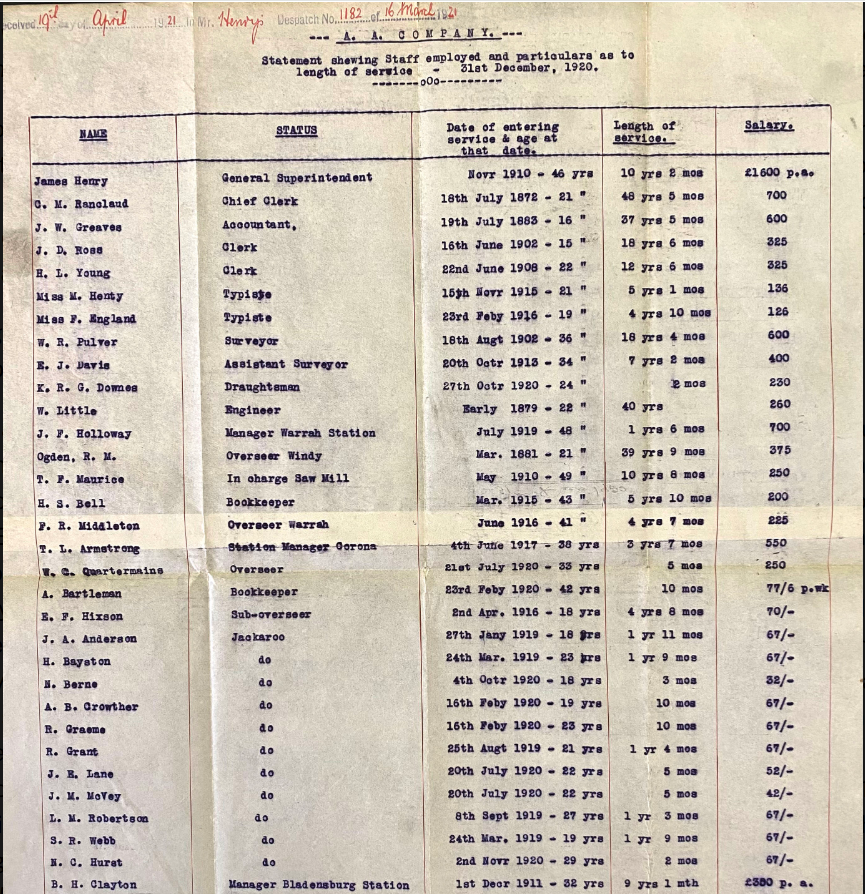
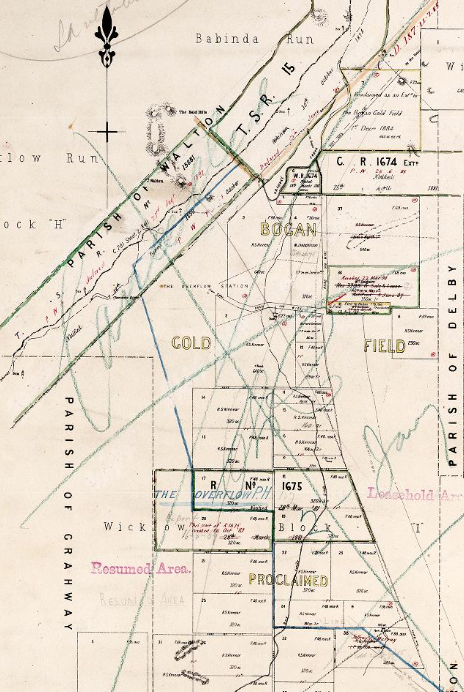
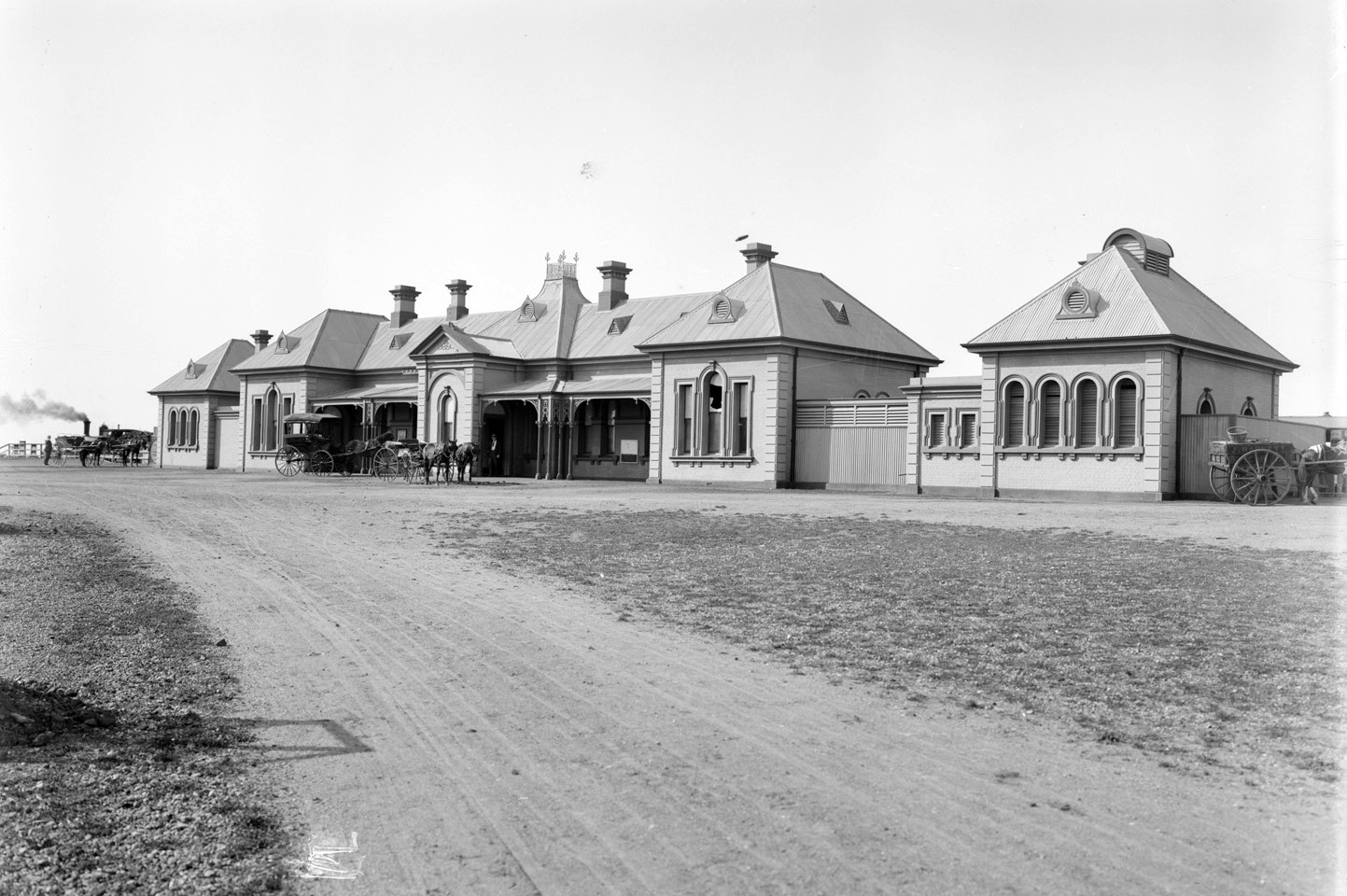
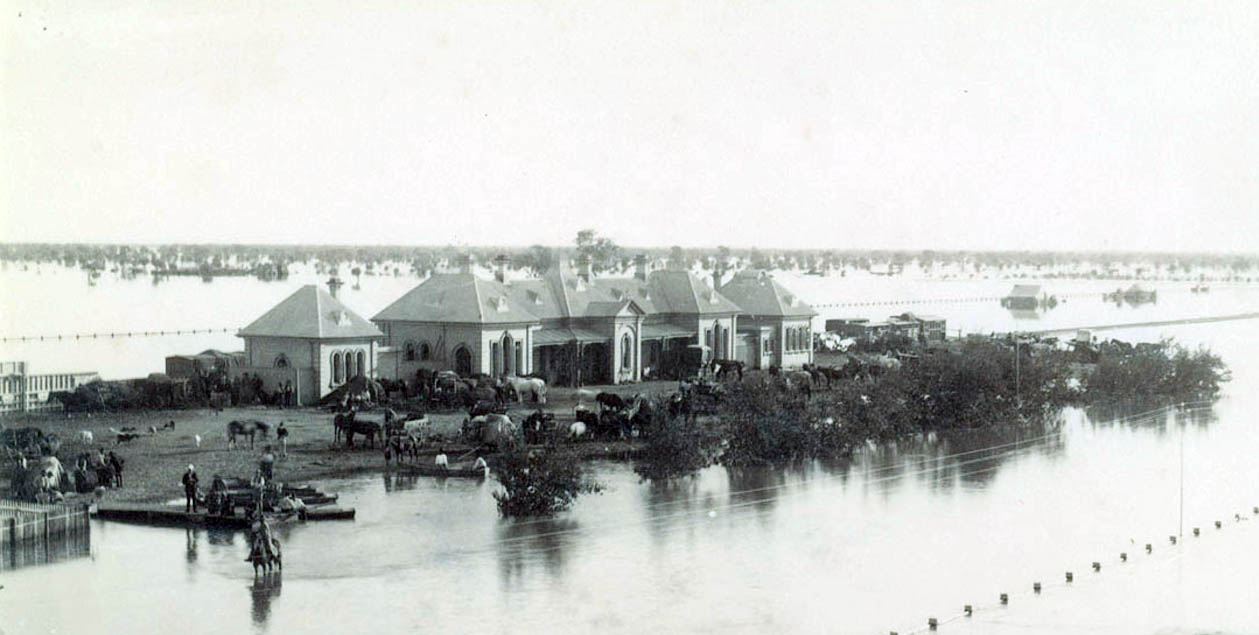
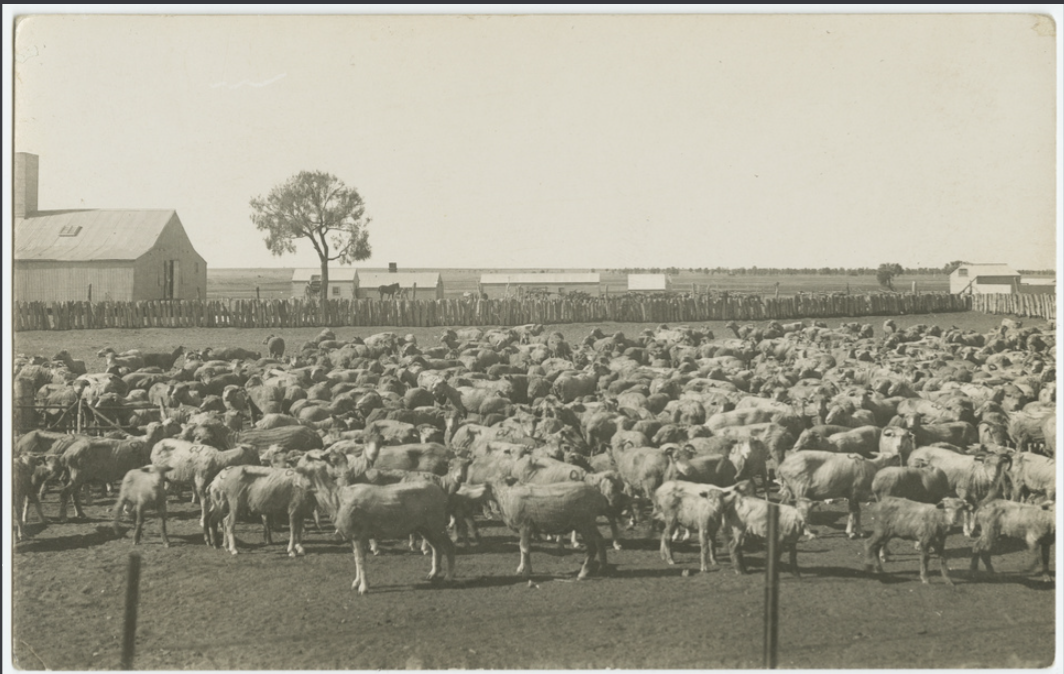
Wyn: "The Overflow homestead was all really quite tickety-boo: hot and cold running water, gas in every room to provide heat (more than I had at Eton), and full sewerage facilitated by a septic tank. The owners provided everything we workers needed - food, furniture, linen, glass, cutlery etc. They also paid the wages of several maids and the all-important cook. Vegetables were grown in an acre of garden and six months’ worth of provisions to cater for about 40 people were always kept in store - commodities such as flour, dry goods and canned foods, mosquito nets, spare harness sets, saddles, stockwhips and tobacco in great quantities. We had use of a challenging earthen tennis court, a cricket club, open air gym (boxing gloves, punch ball, horizontal and parallel bars, Roman rings), rifles and guns for a bit of shooting practice, a piano and gramophone, and thank the Lord, an impressive library of many thousands of books. There was a telephone, but wireless was fast being adopted and the Boss took delivery of his own sending set whilst I was in his employ. This changed our lives for the better as boring evenings could be spent listening to news bulletins and entertainment broadcast from the main cities. It was like being back at school but more comfortable!
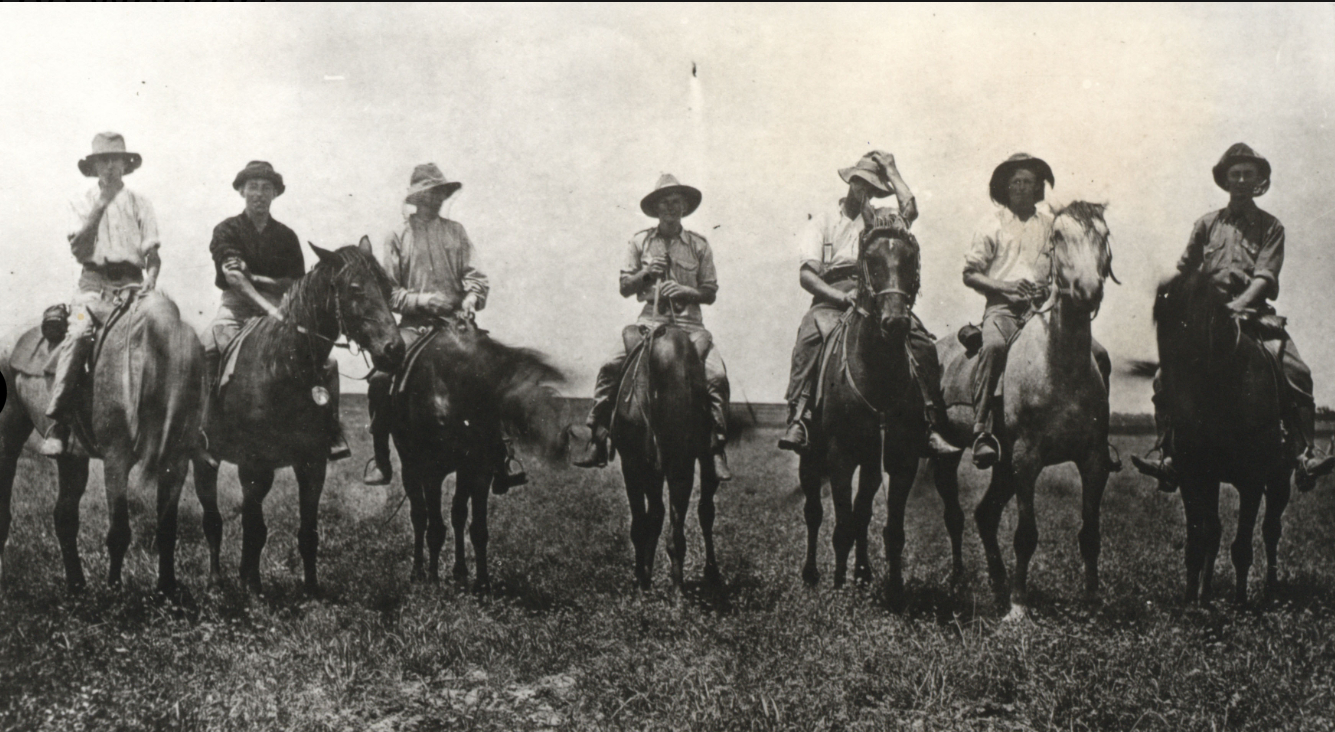
The pay was 10/- a week and all found including suitable work wear. All station work was done from horseback so a new Jackeroo’s first visit was to the horse yard with the Overseer to be allocated my horses. The first thing that happened of course was to play a trick on the new chump which consisted of putting a triangular thorn under my saddle blanket. My horse bucked and reared with gusto but being in an Australian-type saddle with wings over the thighs, and having learnt to ride properly at Woolwich, it wasn’t much trouble to stay on. As soon as the blokes were convinced I was a ‘bonzer’ rider they took to me and I never had any trouble being accepted.
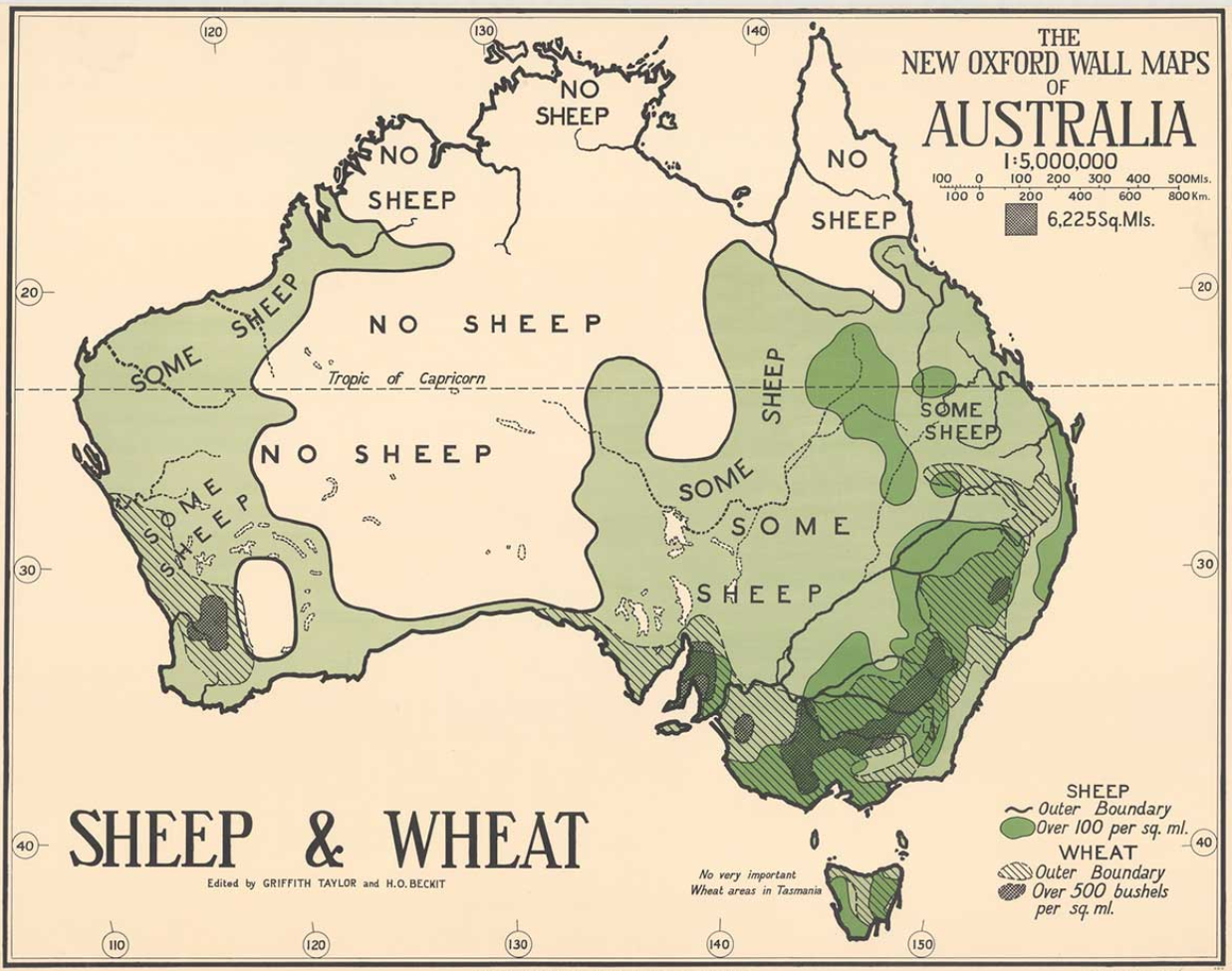
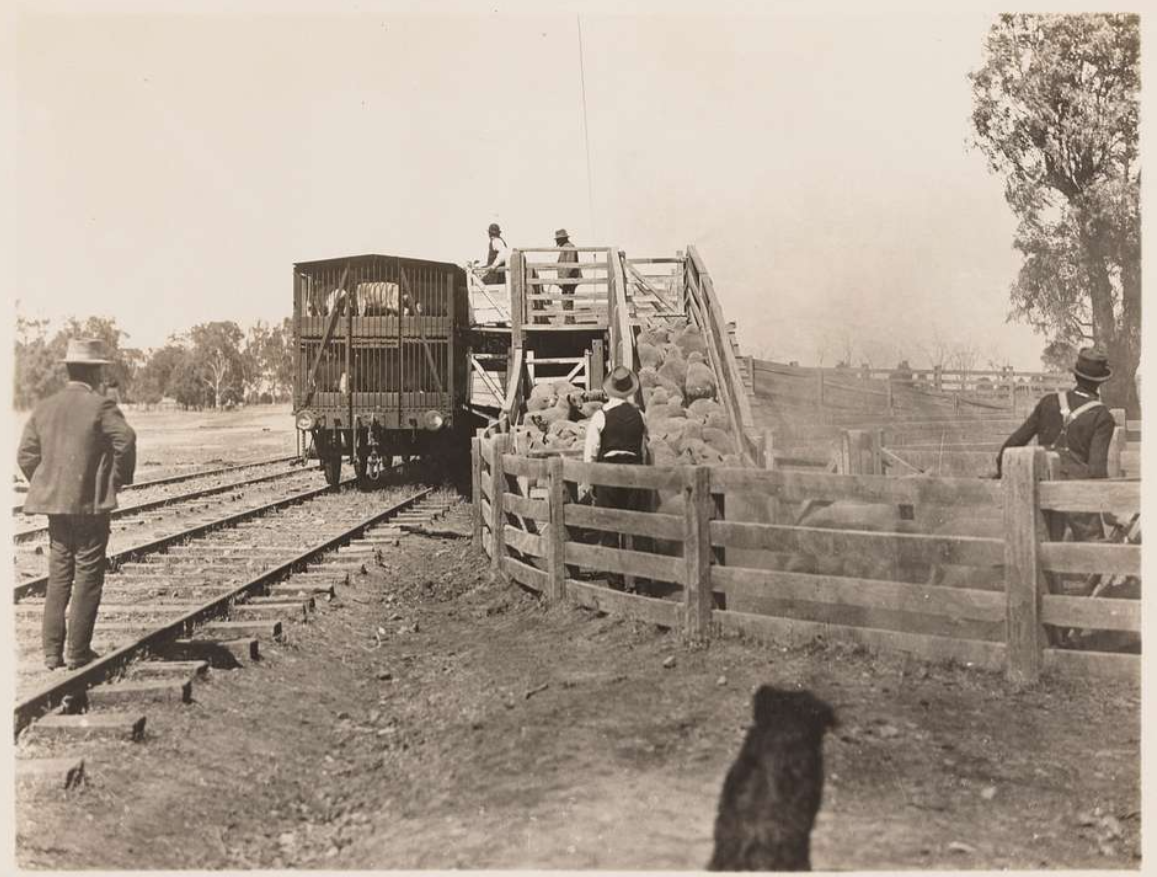
There were thousands of wallabies and kangaroos which one was tasked to kill as they ate the grass needed to feed the sheep. I know there were 250,000 sheep on the station and in poorer parts it took 20 odd acres to support just one of the blighters. The Overflow was about 250 miles long by 60 miles wide and paddocks ranged from 5,000 to 35,000 acres so if you were thrown and broke a leg or something you ran a good chance of not being found for some time. And in the summer the temperature could get up to 130°F in the shade so you’d soon be a goner. I once saw 140°F in the shade on the veranda of the Fitzgerald Hotel in Bourke.
If it was your turn to bring in the horses within the home paddock the day started at 5 am. The home paddock was about 5 miles by 3 miles and to find the horses (there were perhaps 50 in the herd) one used a stallion which very quickly found the mares. Then having got them in, breakfast was at 6 am - mutton chops, the sheep having been killed at 5am - and then off to your assigned jobs for the day which could be mending fences, rounding up sheep and bringing them in for treatment, dipping etc. Luckily for me, due to my pretty good knowledge of army engineering, many of the jobs I had to do were mechanical. Dismantling and transporting windmills, overhauling the car engines, as well as acting as chauffeur for the General Manager of the company which took me all over New South Wales and a lot of Queensland.
Castrating the young rams was a horrible job. One bloke grabbed a ram and sat it up on a rail. Then another had to cut off the end of its sack with a sharp knife, push out the balls, catch the balls with bare teeth (they just slipped back in if you tried to grab them with fingers), pull them and spit them out, put a dab of tar on the open sack and let the poor bleating beast go. All this took about 30 seconds, and a good Jackeroo should be able to castrate perhaps 2,500 in a day."
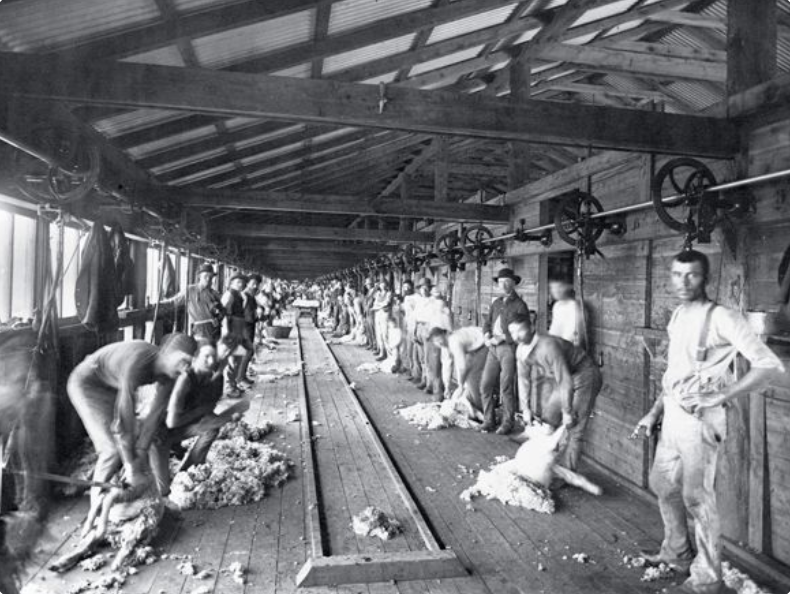
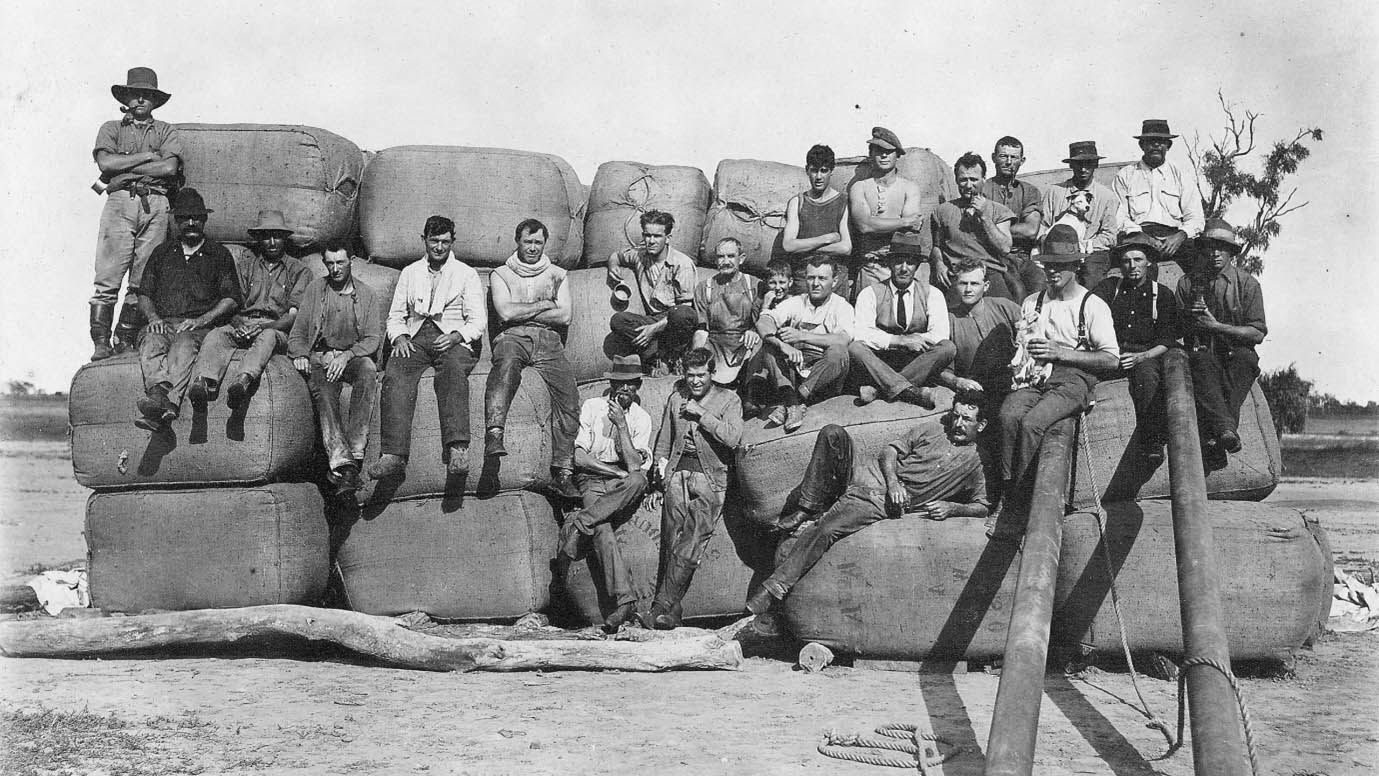
The professional shearers were a rowdy lot of toughs who earned a lot of money and lived especially well. One ringer I remember arrived in his Buick with a manservant who set up a tent, and cooked for him etc. He mounted the shearing platform immaculately dressed and in polished hunting boots and calmly earned £7 10/- in a day – over £500 in today’s money. And he’d work all year long! After shearing was over, some of them would go to the local town of Bourke or Cobar with several hundred pounds in their pocket. They would give it to the likes of Paddy Condon, the landlord of the pub at Cobar, and ask him to let them know when it’s cut out, and there they’d stay dead drunk, paying for drinks for everyone, until the money was exhausted. Australian law stated the pub-keeper had to look after the man’s horse and keep enough cash to start him on his way when he sobered up. They were a rum lot.
Wyn letter to Evelyn:
2 March 1925 C/O Newcastle Club, 40 Newcomen Street, Newcastle, NSW
My dear Eve
I forget if I told you I was leaving the land, or rather that I’d had a row with the Tyrie manager and left. I had gone to the local town about 20 miles away to collect the mail and there, I’d got tight. My horse brought me back and I remember having a long drink in the horse trough and then I suppose to cool myself I got in and spent the night in it with the station mail in my pocket.
Wyn letter to Evelyn:
October 1925 C/O GPO, Newcastle
My dear old Eve
Confounded news and perhaps not unexpected but Maxie’s dislike for all things Australian – the heat, the mosquitoes, the people, her husband (whom she believes has ‘gone a bit native’) has led her to quit the marriage and return to England. Heaven knows why – perhaps to put an end to this miserable chapter - but I fronted her the money to buy her ticket and tipped her out at the port a few days ago. All I am left with is piles of crockery items and linen, some furniture I have no use for and a fury beyond reason that I have wasted several good years of life waiting like an angel for her to join me when I could have been living a gay old life. I had never supported her while we were apart and naively believed she was living on money she had herself but obviously she was being kept by some blighter in London.
Meeting the crazy second wife
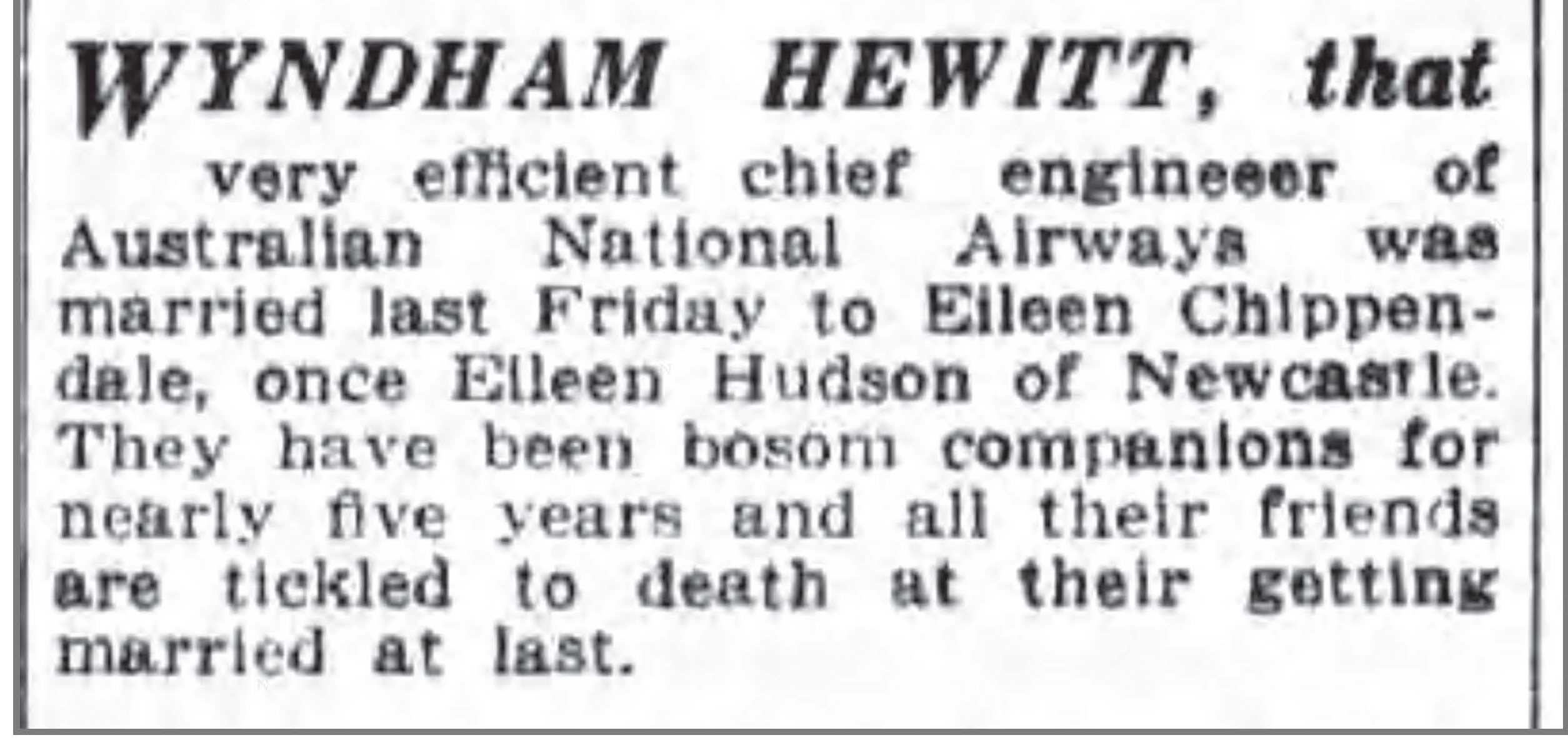
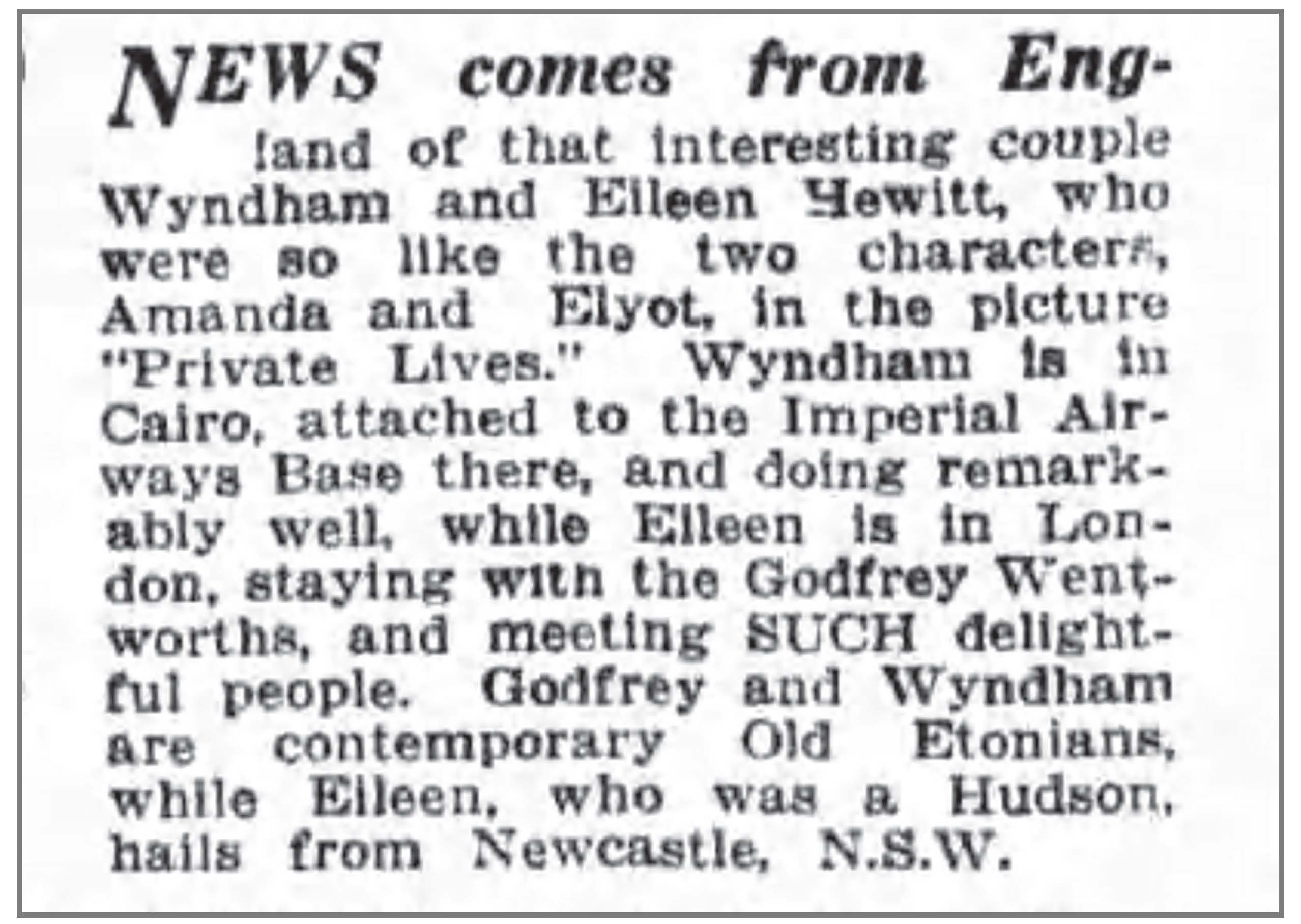
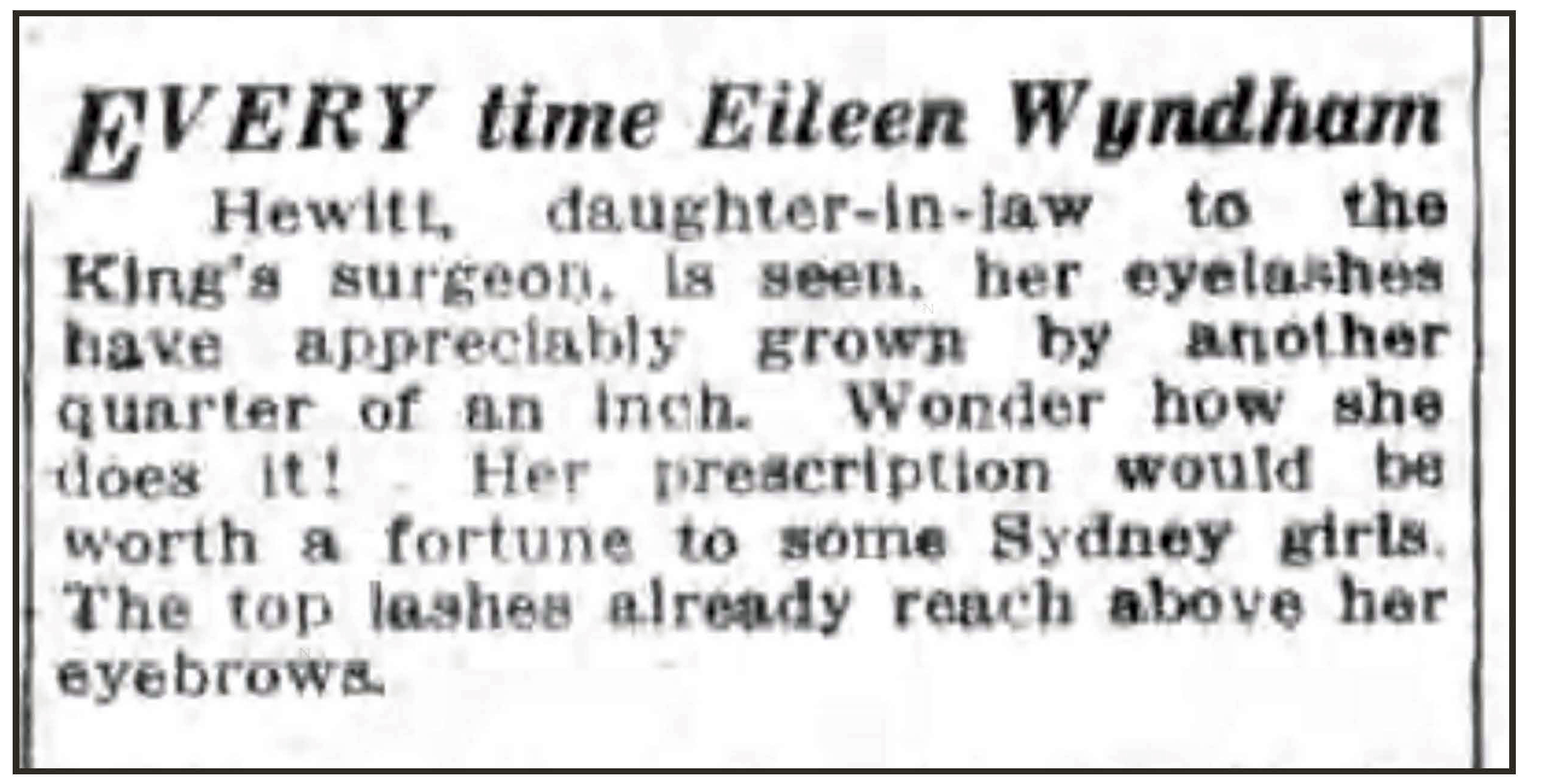
Wyn: "It was in Newcastle in 1925 that I met my future second wife with the rather unsettling name of Eileen. She had recently been deserted by her husband, a solicitor called Chippindall who had absconded with all his clients’ cash. Eileen was Aussie tall, blonde, fiery and fun, a combustible combination that meant one had to be on one’s toes at all times. I remember one incident with her that nearly ended my life, and this was only for the first time. Although we were more or less a couple, I have to own to straying on occasion. The flat which I was sharing with Dick was a mere 300 yards away from Eileen’s parents’ house, and one evening I was comfortably installed on the sitting room sofa with the local bar maid when Eileen burst in on us unexpectedly. She was always extremely jealous and jumping straight to the correct conclusion, she rushed down the corridor to my bedroom as she knew I kept an automatic in my cupboard. I hared after her, but she got to the gun before me and just as I caught up to her, she turned around and pulled the trigger. I heard the click, but hallelujah, I was still standing! Either it was a misfire, or I’d had the intelligence not to put a round in the barrel. Hence no harm was done except to her jaw which I nearly broke with such a clout. She was out for about 1/4 hour! This didn’t in any case break off relations; it was all part of the thrill.
In Sydney in 1927, Eileen nearly killed me for a second time. I had just taken over a garage and the flat above to share with her, and on entering the bathroom she found a pair of female slips. I can honestly say they were nothing to do with me and had been left by the previous tenants. However, without saying a word, she got hold of a kitchen knife, and while I was standing in front of a fire, came up behind me, ready I suppose to stab me in the back. By the grace of God, I saw her shadow on the wall and had time to avoid the knife. I grabbed her wrist and twisted her arm back hard, so she dropped the blade and I then threw her onto the settee as she screamed bloody murder. Jealous wasn’t the word for it. Once calm, she declared undying love for me, professed herself to be duly sorry and promised nothing of this nature would ever happen again. Then after a pause and with a startlingly direct glare, she qualified this with: “…unless I catch you cheating on me yer pommy bastard.”
Fortuitous connections
Wyn: "Somehow - God knows how - I was invited to join the Newcastle Club which they say is the best-appointed club in Australia, and by extraordinary chance, met up with my best Eton friend Dick Parry-Okeden! I haven’t seen him since leaving the place and never have I been so glad to reunite with someone again. It turns out his Pa and Ma had a few financial problems, and he was unable to go up to Oxford or Cambridge which was their loss – his brain is one of the very sharpest. Through his friendship with another of our great Eton pals Edward Lysaght, Dick joined that family firm in Bristol (they are sheet-steel and galvanized-iron manufacturers) and has now just arrived in New South Wales to join their Newcastle Works. He has no background in metallurgy or engineering but that is of no matter. He will soon be promoted I am certain. He continues his fly-fishing and shooting quail and playing the piano by ear. He never did learn to read music, but his talents are prodigious. But happiest of all, he is still an ardent motorcyclist and has brought with him from blighty a wonderful Scott water-cooled motorcycle.
Meeting up with Dick again has improved my prospects immeasurably as he has an important job and knows everyone. We are sharing a small bachelor flat in the centre of town near the club and the beach. There’s good surfing and a good golf course, so I am really quite happy. The young set here are very nice and cheery and hospitable. We cook for ourselves and make enormous Sunday morning breakfasts of kedgeree for large parties of pals.
And then when Eileen and I moved to Sydney in 1928, I reunited with my old Eton pal Gordy Wentworth. He had been a Lieutenant in the Norfolk Rifles but was now working in aviation services in the city, and it was he who made the most auspicious introduction that changed my life completely. I was introduced to Charles Kingsford Smith – everyone called him Smithy – and his flying partner Charlie Ulm."