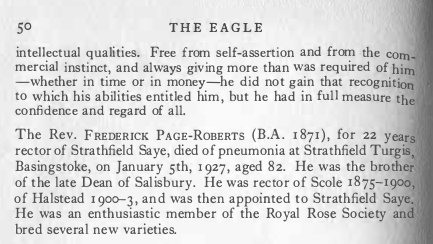
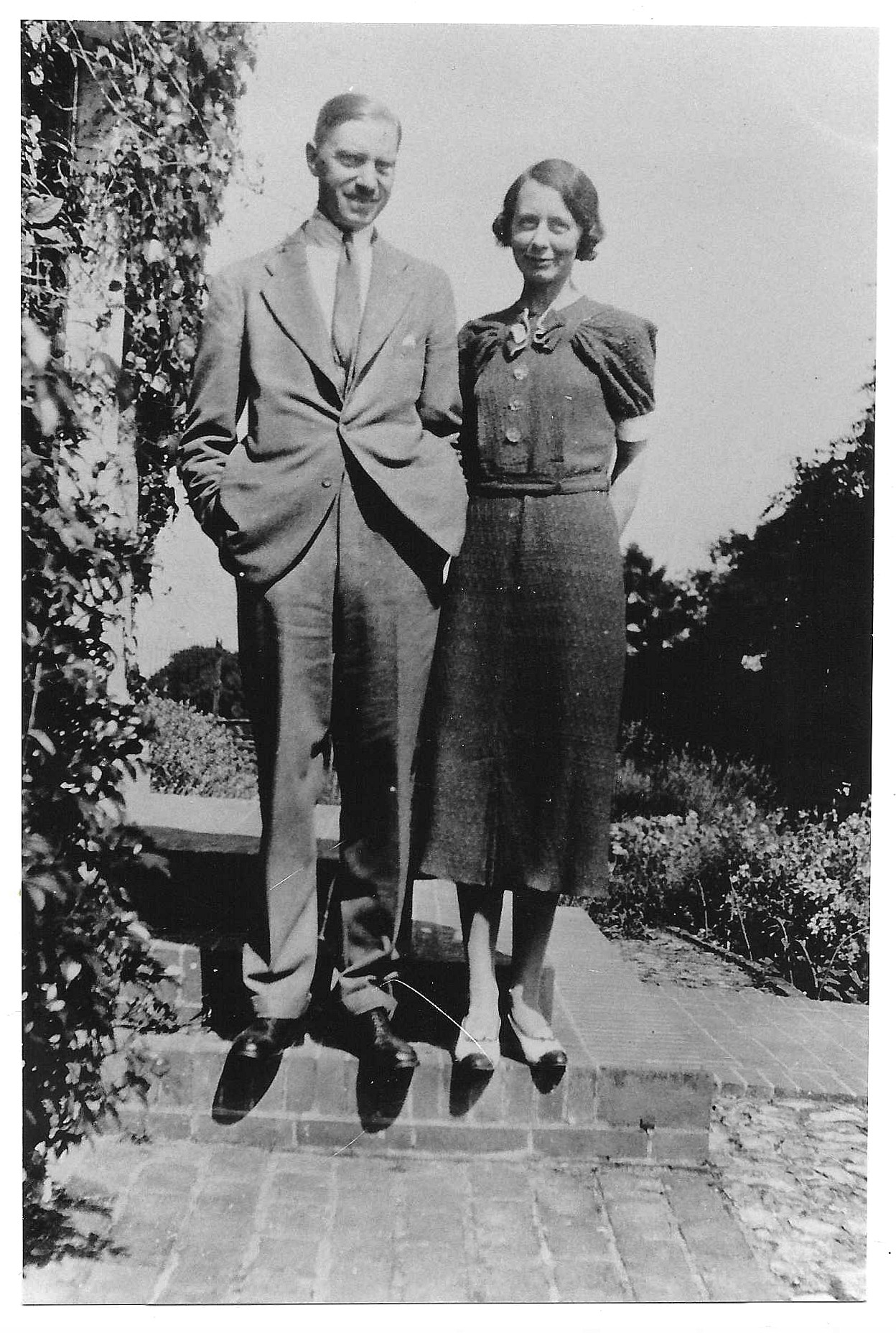
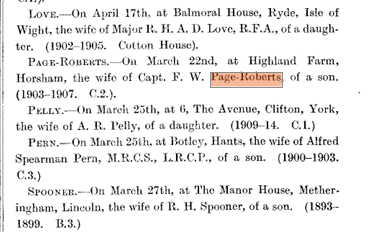
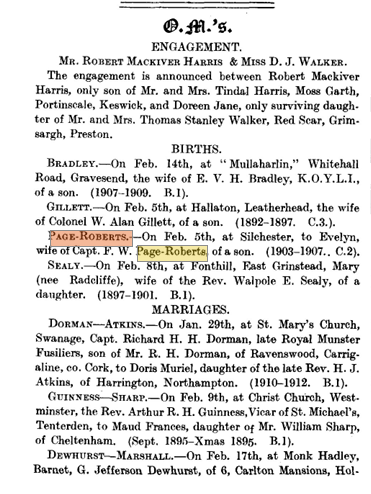
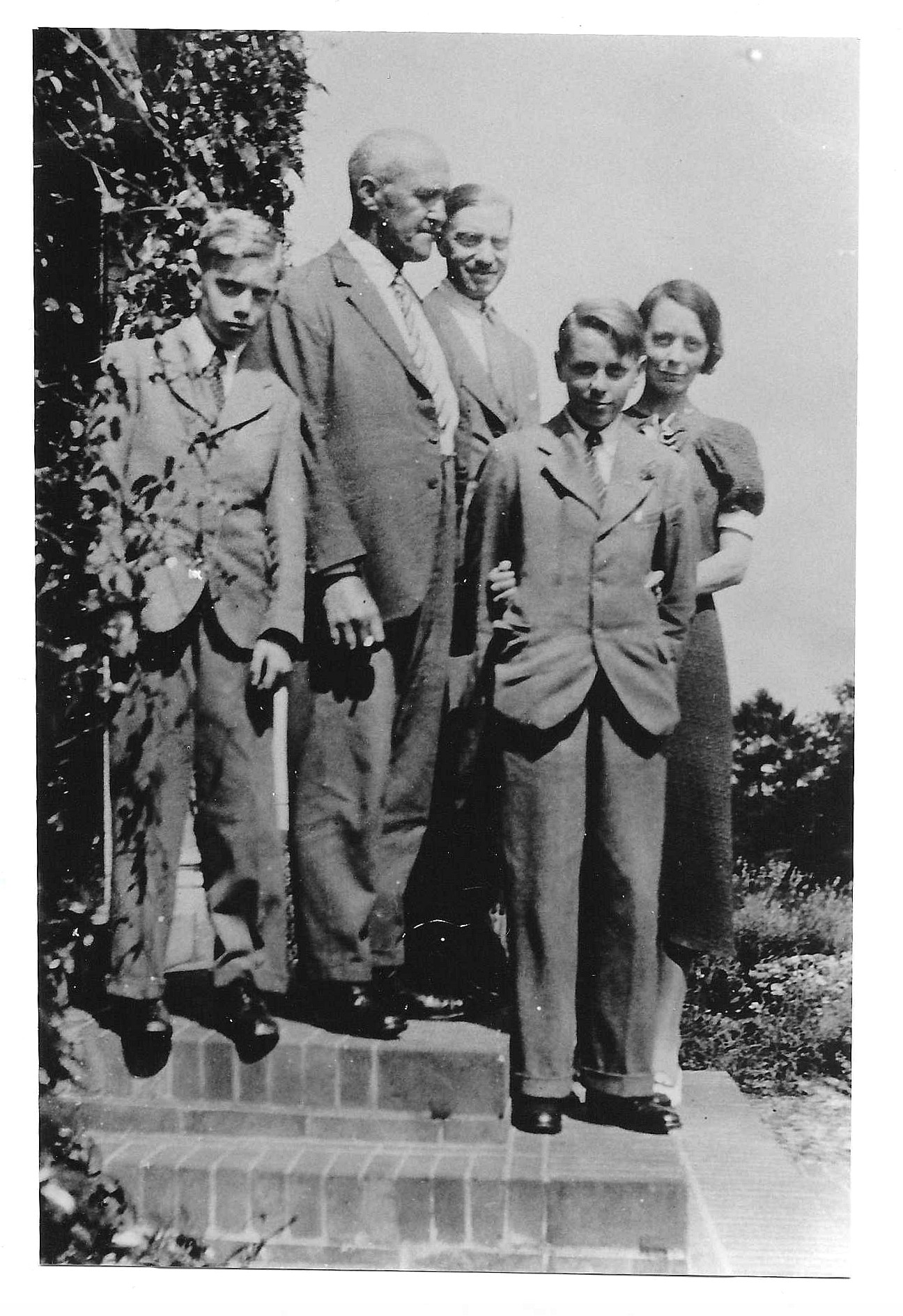
Capt Freddy Page-Roberts
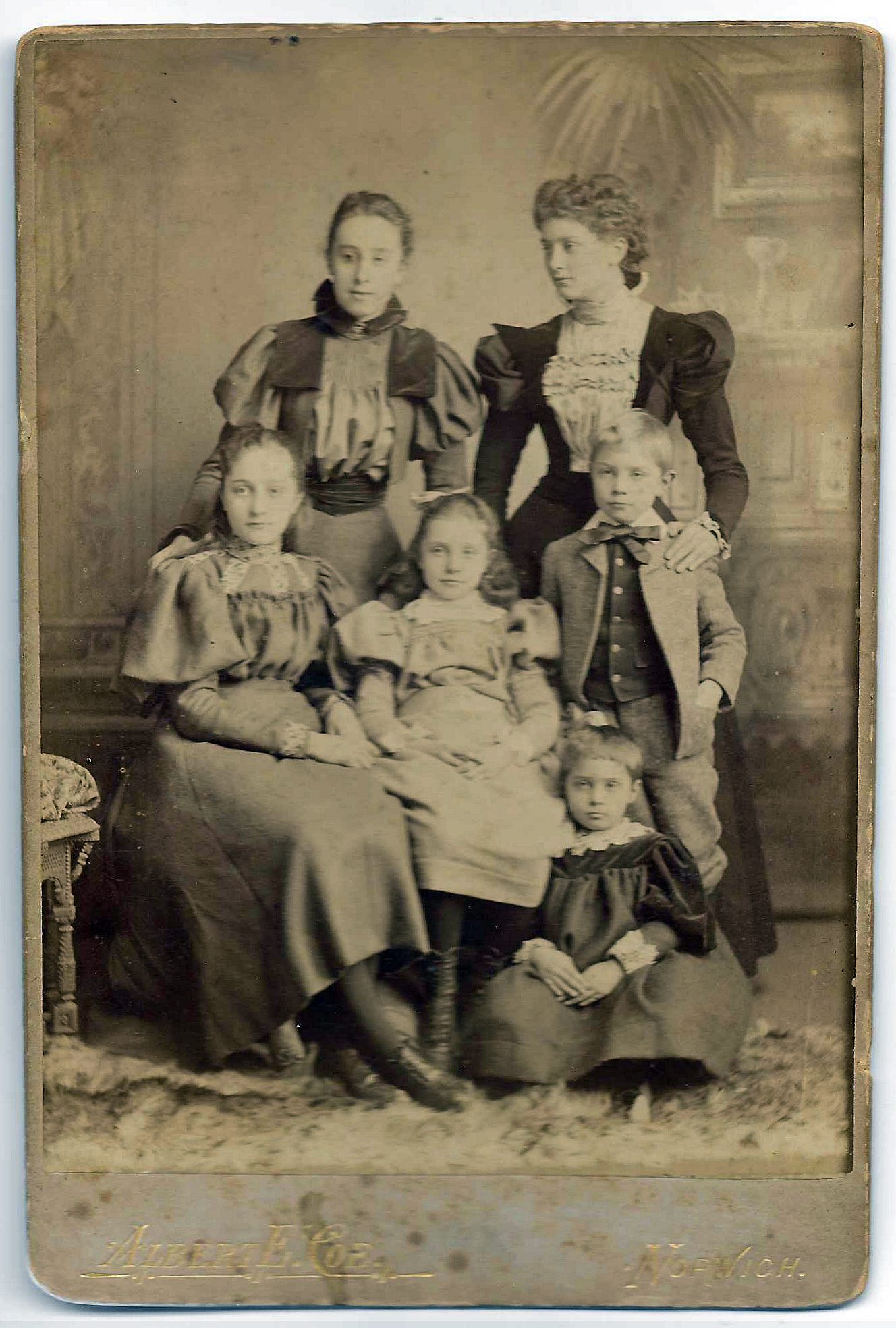
%20and%20five%20sisters%20Dorothy%2C%20Marjory%2C%20Audrey%2C%20Cicely%20and%20Nancy_.jpg)


.jpg)



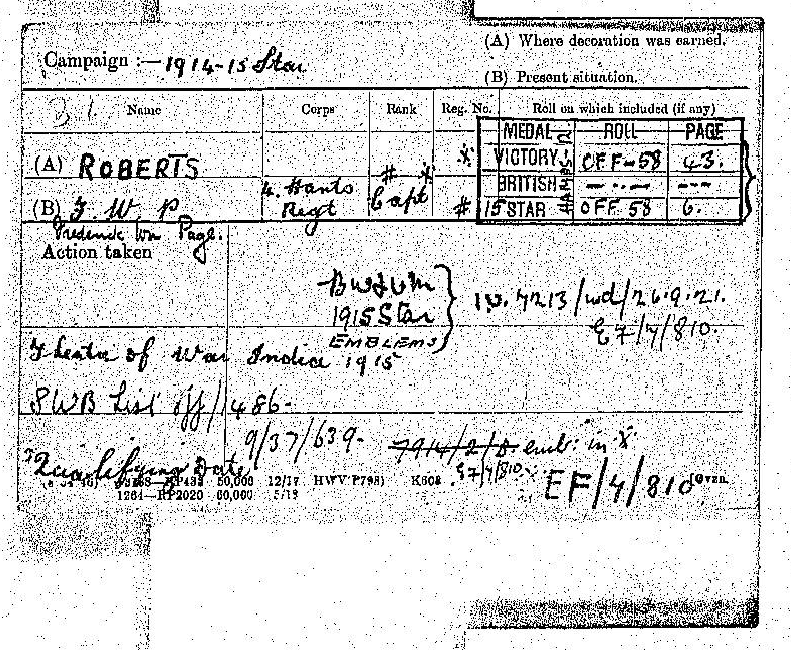
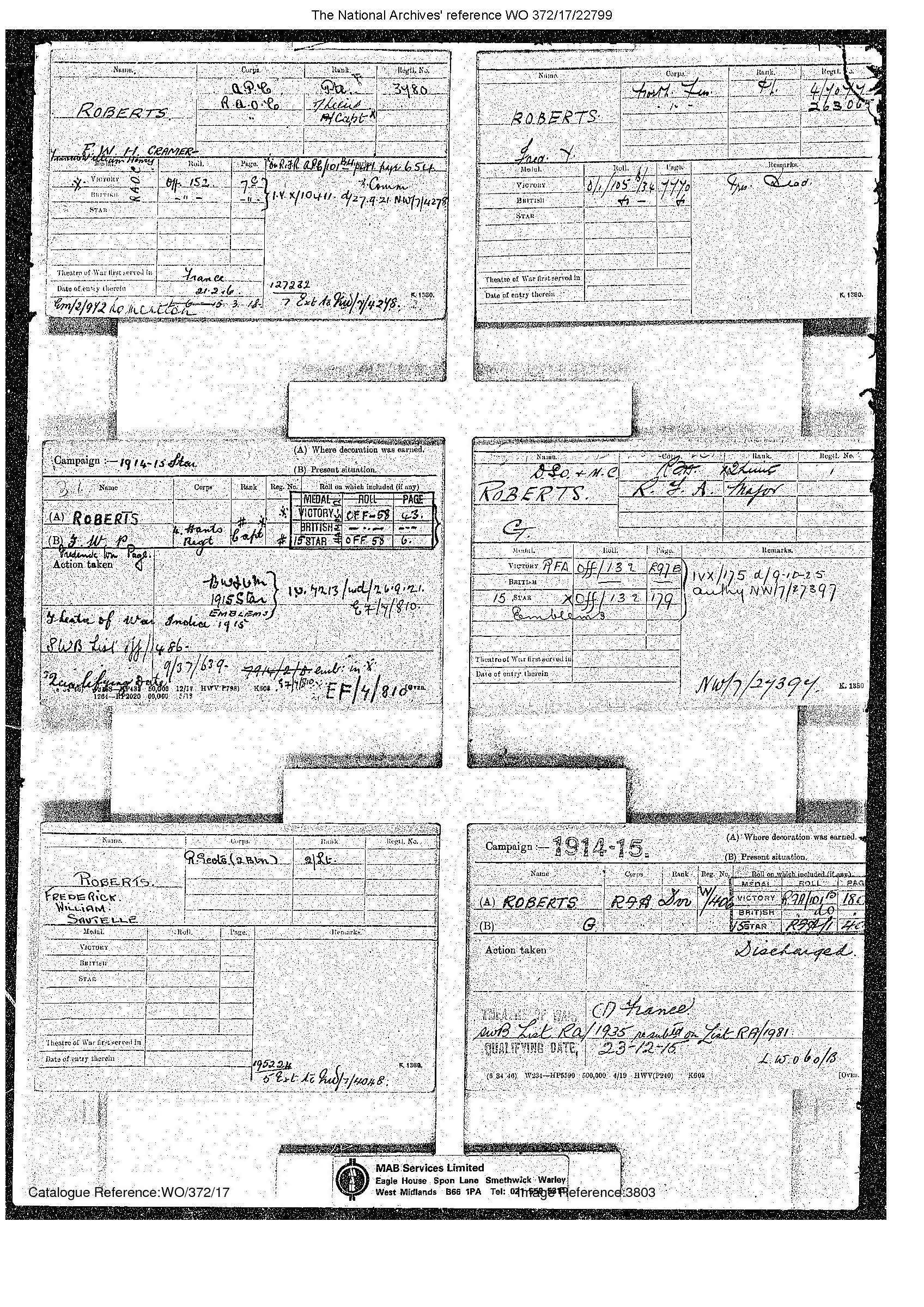
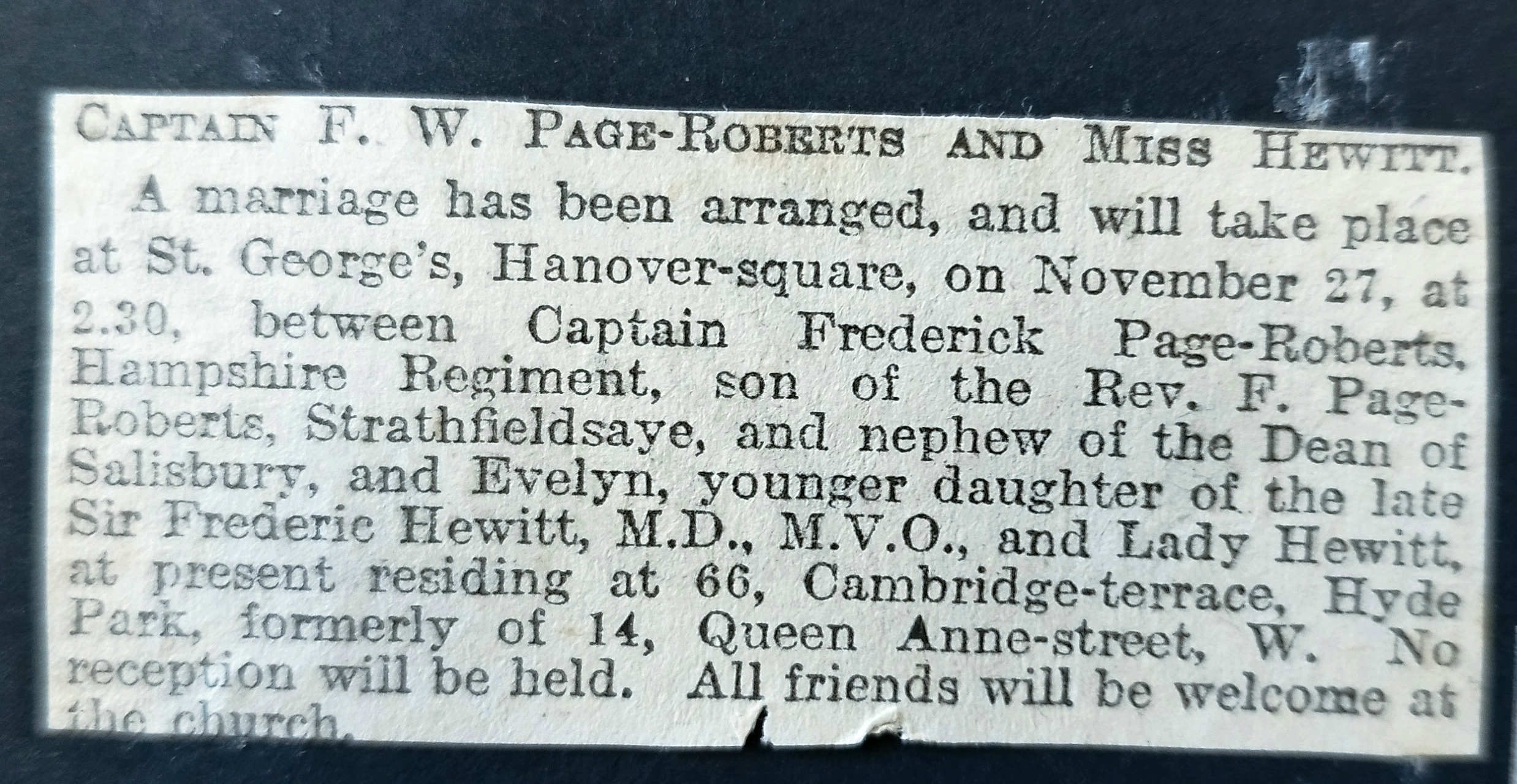
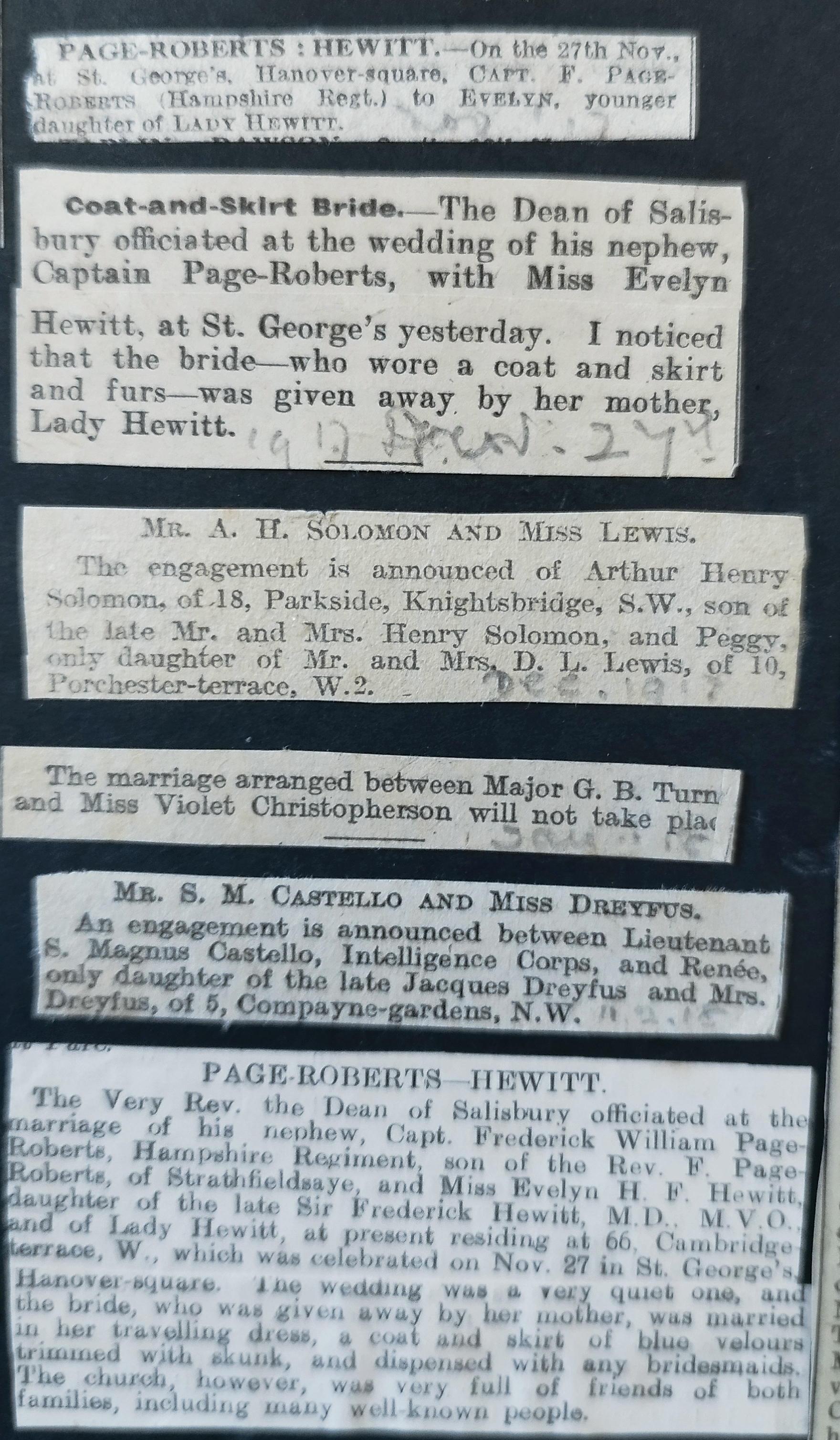


Stories and memories
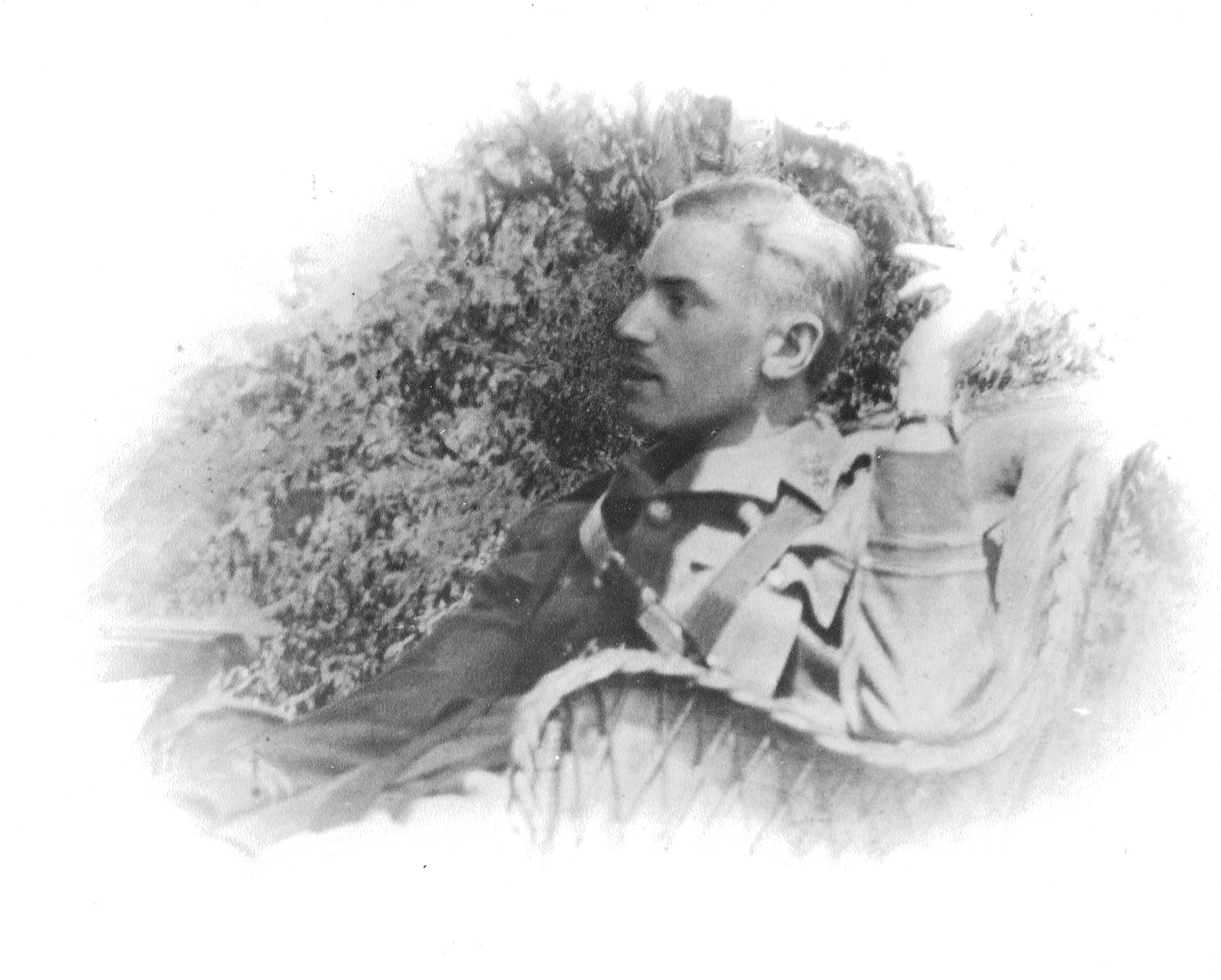
The Battle of El-Hanna - 20 and 21 January 1916, the 7th Division charged the Ottoman lines across 600 yards of heavily flooded no-man's land, but the well-sited Ottoman machine gunners mowed them down in huge numbers. The troops were forced to abandon the assault and withdraw to the base of Ali Gharbi.
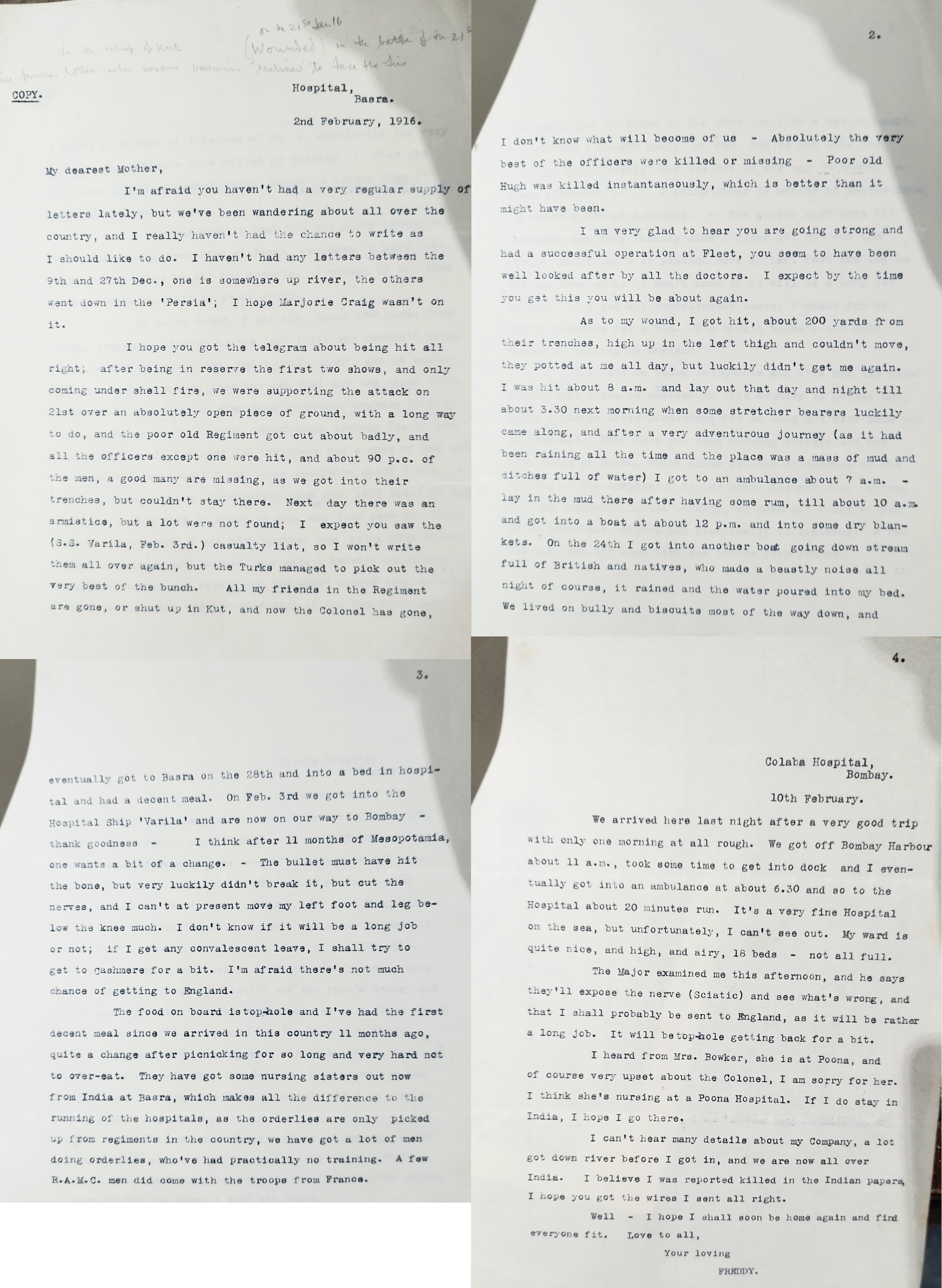
This extract of a letter to his mother sent from Basra Hospital, 2 February 1916 (full letter in the gallery above) would have himFreddy declare his injury as only a Monty Python flesh wound:
'I got hit high up on the left thigh and sciatic nerve at 8am, 200 yards from the trenches. They potted at me all day but luckily didn’t get me again. I lay out that day and night till 3.30am when some stretcher bearers luckily came along, and after a very adventurous journey, I got to an ambulance about 7am.'
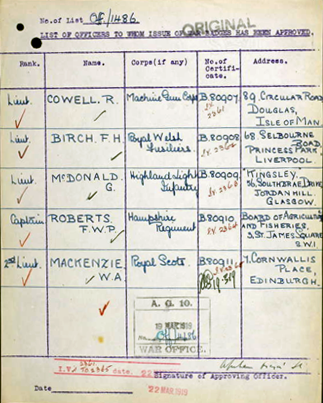
To save a mother’s upset, what he doesn’t mention is the copious blood loss and pain, being left for dead amongst thousands of suppurating corpses, building a coffin of mud around himself as meagre protection and then the rain filling this coffin with bloody freezing water, twice being thrown off the stretcher as the bearers stumbled on the uneven ground, the un-sprung cart that rattled his broken body across pitted ground, and the endless journey that took several days to reach the hospital ship on the River Tigris. He was lucky to have escaped alive as 3,600 of his comrades didn’t. He was awarded a Silver War Badge but never spoke about his experiences to his children.
Magic
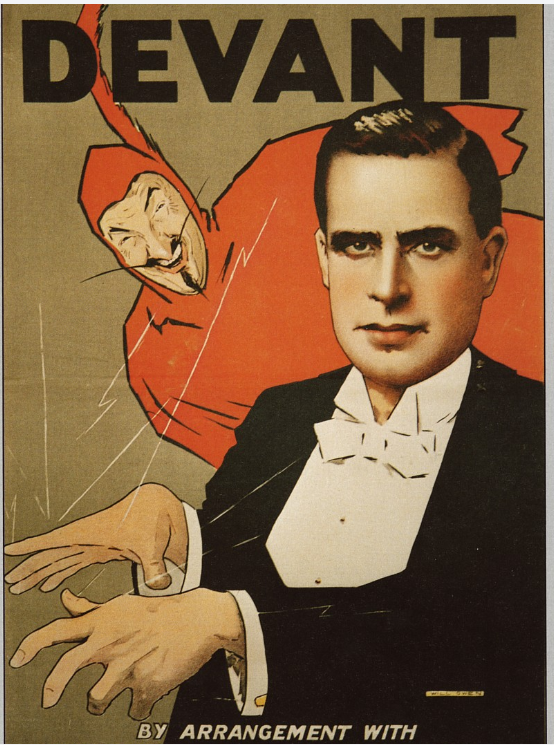
Freddy became not only a member of the Magic Circle but also of Maskelyne and Devant’s inner circle. He perfected his sleight of hand skills, and later was known to deal his mother-in-law Eve, a Grand Slam at bridge and entertain the locals from the Silchester Village Hall stage with hour-long conjuring displays.
One struggle after another
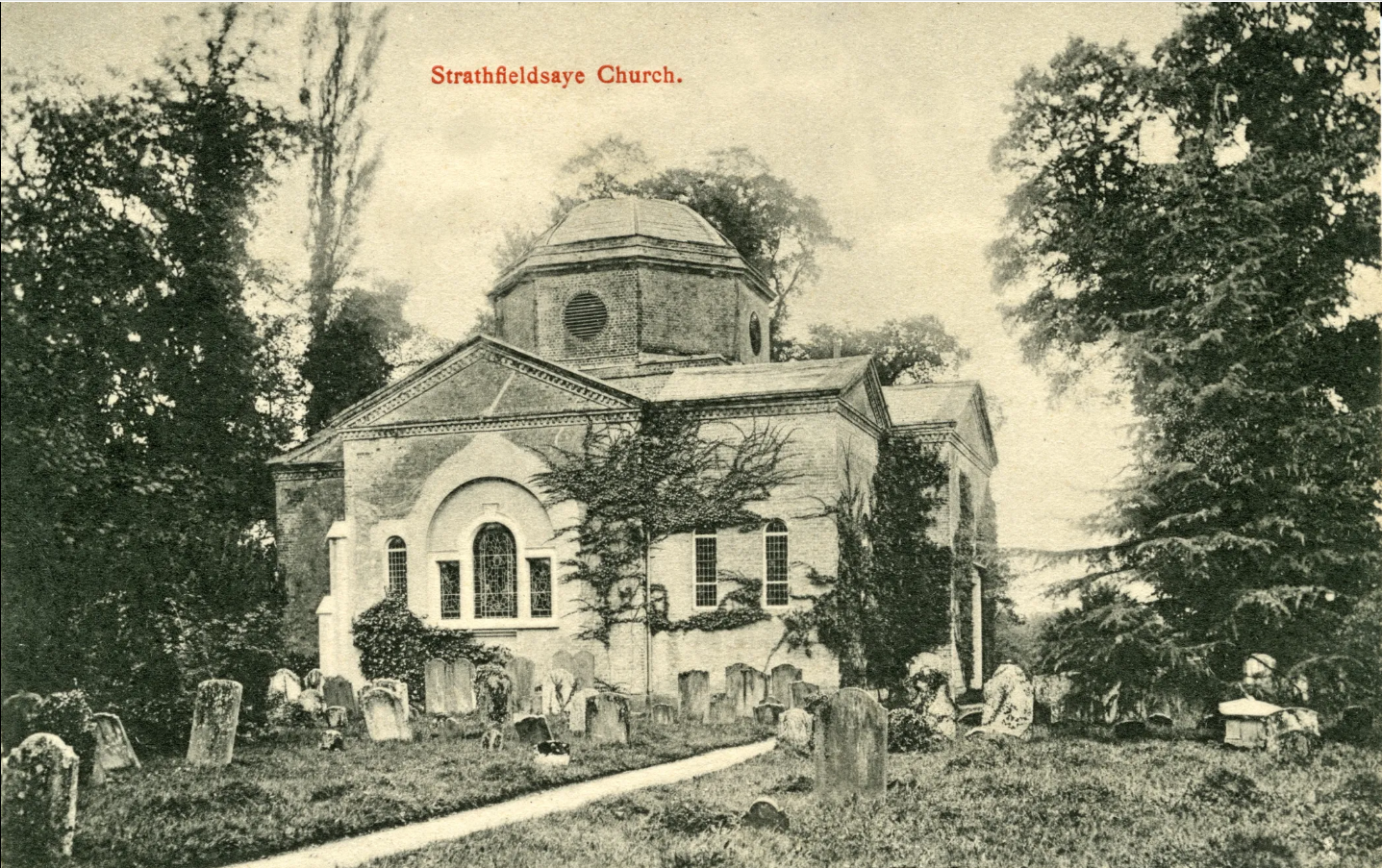
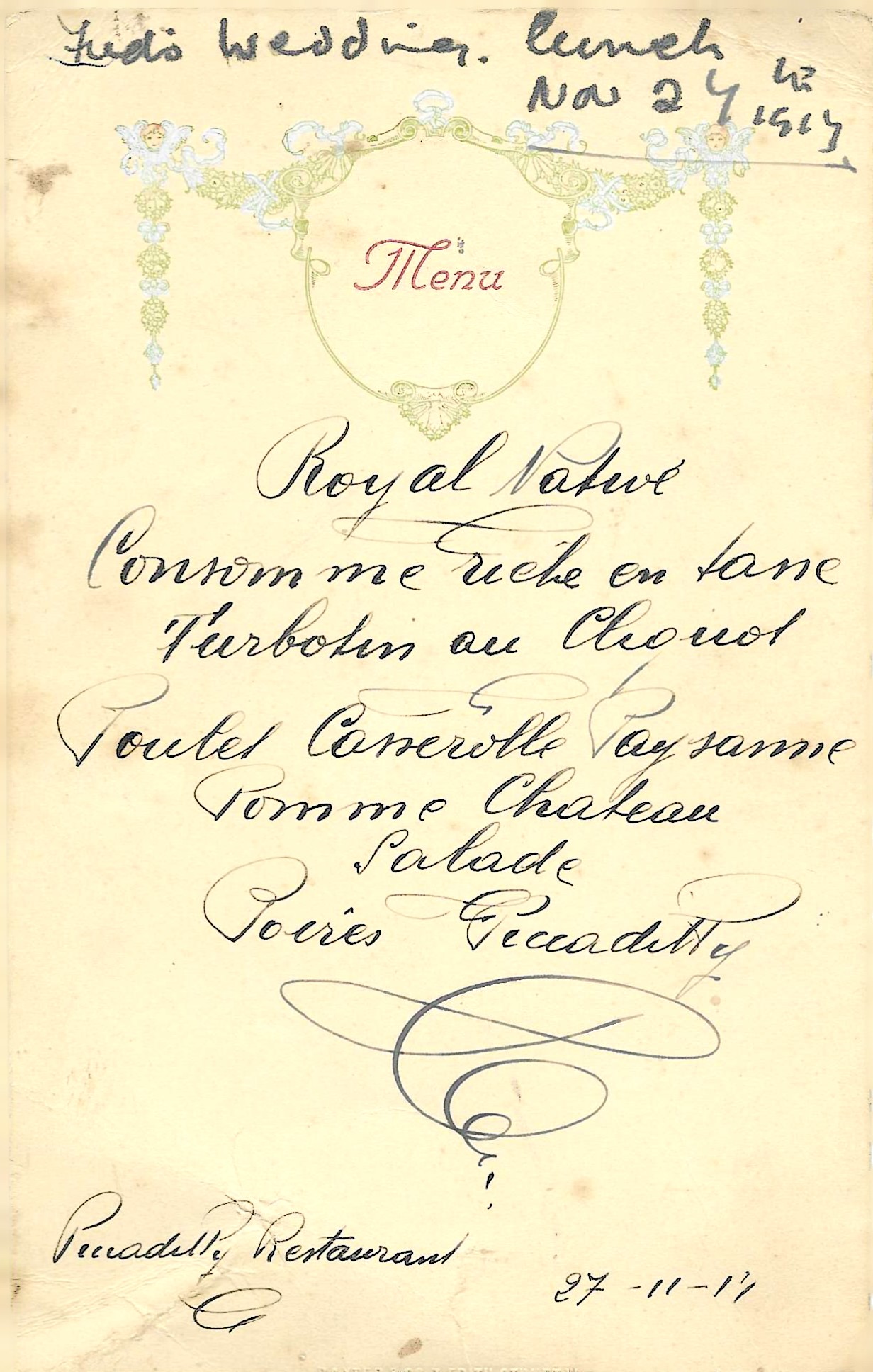
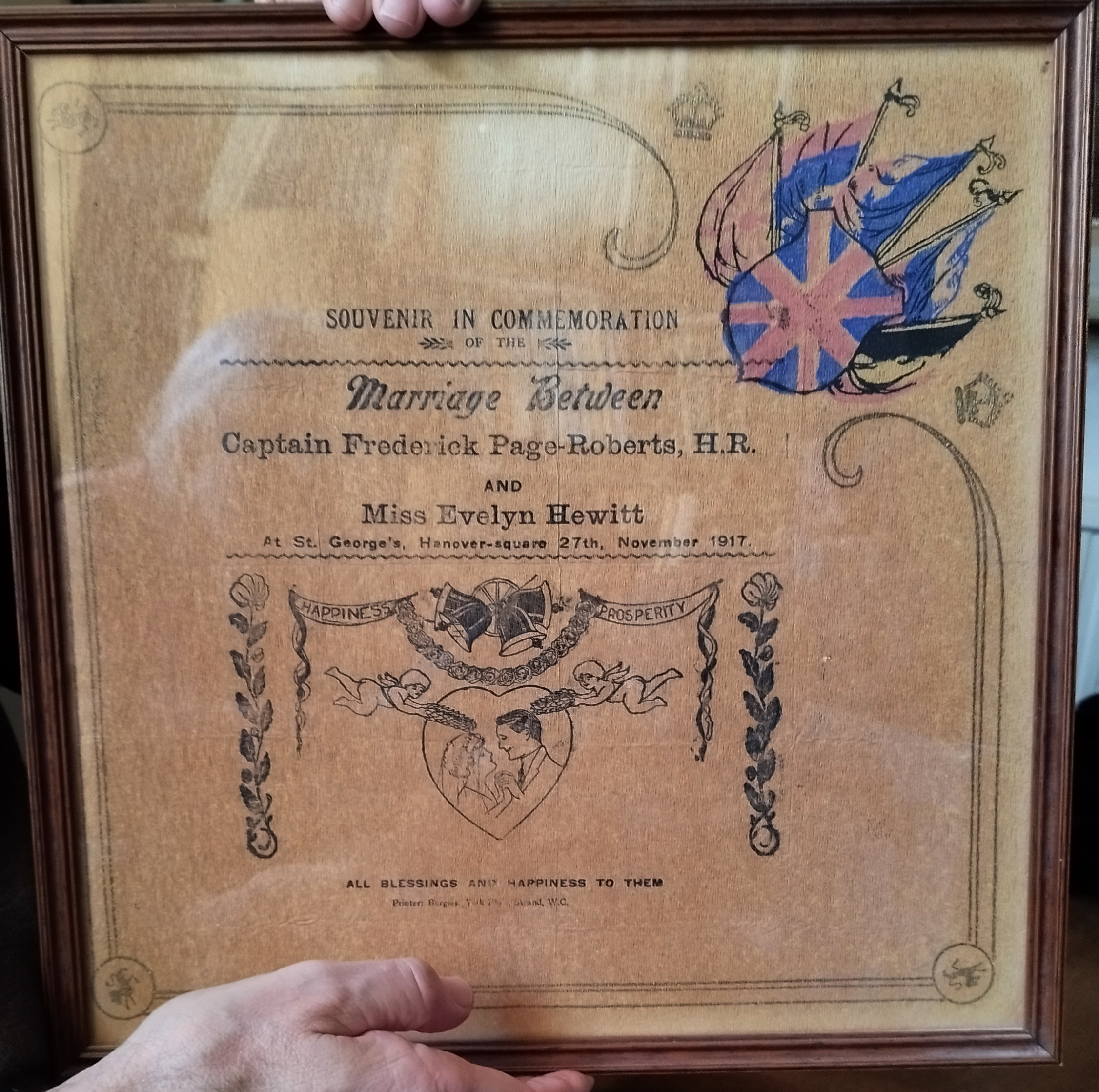
Evelyn and Freddy started married life as temporary lodgers in his parents' house at Strathfield Saye near Reading. Freddy soon became well enough to go back to part time work at the Ministry of Agriculture HQ in Whitechurch Place, but the couple also took to farming at Highlands Farm, Slinfold in West Sussex, a property they had bought at auction from John Guille Millais, the son of the famous artist Sir John Everett Millais. It became obvious that farming was not one of Freddy’s strengths, that Evelyn loathed the life and that the couple were struggling badly, so Eve very uncharacteristically offered them the money to build a family home called Sawyers Land in Silchester in 1924. Freddy took up chicken farming, leasing 29 acres of land from the church to accommodate his flock, and was listed under ‘Poulterers’ in the 1927 Kellys Directory. The family ate a lot of chicken and eggs, with a roasted bird being the children’s choice when it was time for their birthday treat. Their dog Ben would help select the right bird, holding it down with its paw until Freddy could pick it up.
The ground floor of their new house had acetylene gas lighting produced by pouring petrol into clicking green machine where it was vaporized and mixed with air, creating a combustible gas. Power to push the gas through to the house burner in copper tubes was generated via a large concrete weight hanging from a tall tree outside. The bracketed gas mantles in the house had to be lit by a match individually. There was no gas upstairs so the family used candles or torches. What little heat there was, came from open fires and on cold nights, beds were warmed by hot water bottles using water heated on a blackened range in the kitchen. Rather surprisingly, the house had a sprung dancefloor and Freddy, who loved entertaining, formed a dance band in the village, with him on drums and saxophone. He also rigged up a very effective ‘one man band’ collection of instruments and percussion accoutrements that he would play at home when he was in a frivolous mood.
As a lifelong cricket fan, he just had to listen to the Test Match in Australia. By rigging up an aerial from the house to a nearby tree, and combining a huge dry battery with a wet one charged by their friend and neighbour Firth’s electricity-generating fly wheeled machine with floor batteries, he could tune in Australia through a PYE wireless containing glowing valves in the shape of bulbs. His son Jim was sometimes charged with lugging the incredibly heavy batteries across the field that divided the two friends’ properties. Despite his war wounds, Freddy continued to play both cricket and tennis. His grass court was his absolute pride and joy, and he offered children a reward of sixpence if they could find any weed within the sward. Needless to say, no money ever exchanged hands.
As a bit of a health freak (apart from his addiction to nicotine - Players smoked through a holder being his poison of choice), crates of oranges featured prominently in the larder, and on many nights Freddy boiled cabbage in an aluminium pressure cooker that looked like a super-sized Mills bomb. It produced the most god-awful stinking liquid but he swore by its efficacy as a health drink. It became part and parcel of his exacting toilet routine, the importance of which was impressed upon his children. They had to ‘try hard’ even when they hadn’t eaten anything for days due to illness.
They had a maid called Connie who always referred to Freddy as ‘The Captain’ and was a wonderful cakemaker. The kids loved her as she always allowed them to lick out the mixing bowls. She had a boyfriend who drove the local steamroller. He was in the habit of making illicit nighttime visits, leaving his bicycle in a hedge at the bottom of the drive before crawling into her downstairs bedroom through a very small window by the back door.
The Captain was an expert water diviner, locating and digging two very productive wells at their new house. He and Wyn devised a mechanised water distribution system for his chickens on the farm, using an old Swift car engine embedded in concrete to pump water to a 500-gallon tank on legs as well as to a tank in the house loft for domestic use. Water, he was good at. Chicken farming not so much, and he abandoned the business (and Sawyers Land) when an influx of cheap eggs from Poland made production uneconomical. Luck was on his side for once and he managed to sell the property for a decent price as two buyers fought over it at auction. He banked the cash and the family moved to a rented house at Tongham, near Aldershot where Freddy planned to farm mushrooms in disused railway sheds. He was delighted when the first crop poked its head out of the compost in the pitch black: “It was a marvellous sight - they were all absolutely white!” But once again, he made an ill-informed decision and rather rashly sold his share in the business when he heard rumour of a supposed disease that might wipe out the crop. It didn’t.
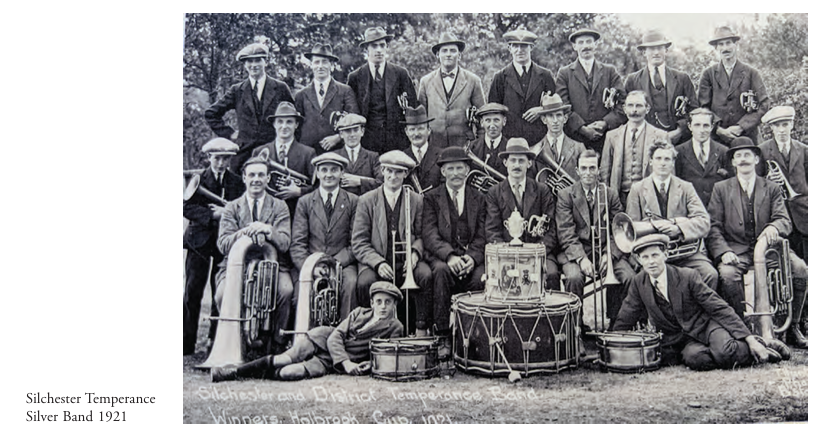
Wyn: "Freddy was never a success as a farmer or businessman, with Evelyn doing most of the organising and hard labour at home and on the farm. This was all the more surprising as I fear with an affluent city upbringing she was not naturally cut out for poverty or country life. The family was desperately poor during the depression, and I understand the Smithers side of the family (Freddy’s sister Marjory was married to the Tory MP Sir Waldron Smithers) generously subsidised my sister’s brood, paying school fees and passing on cars they had replaced with new ones. I remember they had a scruffy bull-nosed Morris bearing the number OT 70 in the early 1930s. The only way to get it to start was to heat the plugs in the kitchen oven, get them in hot and hope for the best! One sometimes had to jump out and push it up the nearby hill at Mortimer West End. One Christmas, the village brass band played carols in their driveway and there was not a note or coin to give them which made poor Evelyn cry."
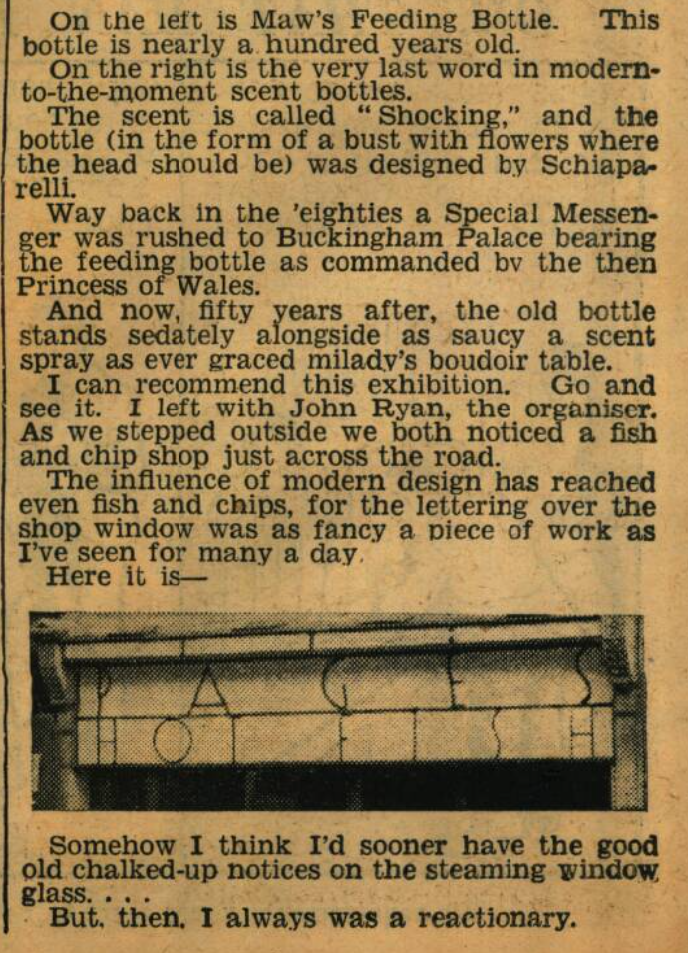
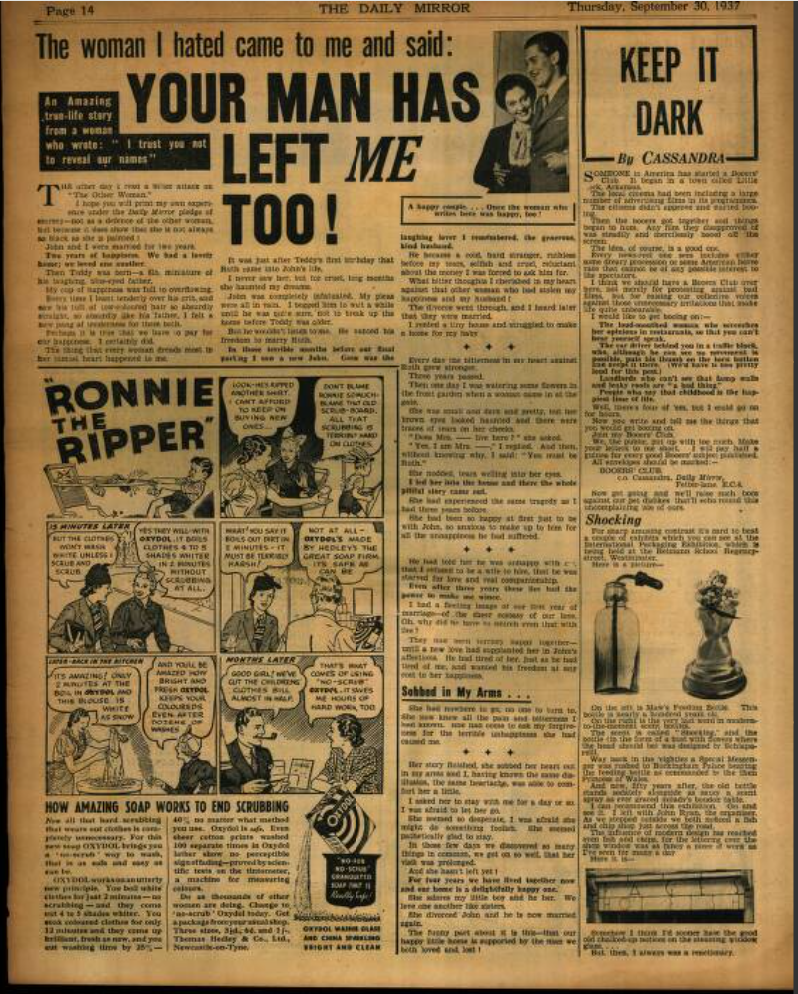
By 1936 Freddy, and more especially Evelyn had had enough and they moved from the country to 78 Warwick Square in Pimlico where another new venture beckoned. In partnership with Hubert Garfield Prickett (listed as ‘Fish Restaurant Manager’ in the 1939 census) they opened the first, very modern fish and chip shops in Westminster: one in Vauxhall Bridge Road, another in Vincent Square behind the Army & Navy Store with a third in the pipeline. They were called Pages Hot Fish and they used a fryer fuelled by gas rather than coal which had been invented by an old Marlborough friend of Freddy’s. Each restaurant had a manager to run it but Evelyn kept a close eye on the books and she habitually zipped through the till rolls, adding three columns of pounds, shillings and pence up in her head with ease. On opening night of the Vauxhall restaurant, the immediate family all turned up in celebratory black tie much to the surprise and confusion of the locals. It also got a passing mention in the Daily Mirror on 30 September 1937 by the journalist William Connor who wrote a gossip column called KEEP IT DARK under the pen name CASSANDRA: ‘The influence of modern design has reached even fish and chips, for the lettering over the shop window was as fancy a piece of work as I’ve seen for many a day. Somehow I think I’d sooner have the good old chalked-up notices on the steaming window glass. But then I was always a reactionary.’
Never well after the war, Freddy was always on the lookout for new treatments for his injured leg. In Britain, radium emanators were manufactured by Radium Utilities Ltd and the Radium-Vita company, and were recommended for treating gout, rheumatism, circulatory and digestive problems. As chairman of the Radium Commission, in 1934 Lord Lee had pushed the need for some kind of national control but it continued to be used in creams, shampoo, toothpaste and even for drinking until the mid-50s. Freddy took the optimistic but ultimately ill-judged decision to put his trust in a quack Indian doctor who prescribed a dangerous radium regime, and as a result, he became a casualty of this catastrophically unregulated medical practice.
Freddy died in St Thomas’ hospital on 7 December 1938 of Aplastic Pernicious Anaemia. He was 49 and three more teenage Hewitt children
were left without a father.